Adhesives are essential for almost every item we use in our daily lives, from furniture and flooring to packaging. Traditional adhesives, such as solvent-based glues and bone glue, have long dominated the market. However, with growing environmental awareness and technological advancements, a new adhesive, VAE Emulsion (Vinyl Acetate–ethylene Copolymer Emulsion), is gradually entering our market.

I. Introduction to VAE Emulsions
Vinyl acetate and ethylene copolymer emulsions typically contain 0-30% vinyl groups. Ethylene acts as an internal plasticizer. A higher vinyl content results in a lower glass transition temperature, a softer resin, and greater flexibility. Ethylene also has low polarity and excellent water resistance. Previously, only polyvinyl acetate emulsions were available, but these had poor water resistance and flexibility, and also exhibited poor adhesion to non-polar or less polar materials such as polyethylene and polyvinyl chloride. VAE emulsions are used in wood glue, paper packaging adhesives, architectural coatings, mortar modification (e.g., waterproofing), and even plastic film lamination.
2. Advantages of VAE Emulsions in Architectural Coatings
- Low VOC
Low-VOC latex paints using VAE emulsions (such as VAE Emulsion CW 40-600) provide a high-quality interior environment with excellent workability and good color development. In Europe, over 90% of zero-/low-VOC interior wall paints use VAE emulsions.
VAE emulsions are the primary binder used in cigarette adhesives.
Compared to acrylic emulsions, vinyl acetate emulsions contain fewer benzenes and aromatic hydrocarbons. Furthermore, they do not require the addition of coalescing agents. Acrylic emulsions, on the other hand, lack the ability to achieve both film-forming and scrub resistance, necessitating the addition of coalescing agents to ensure a high Tg. Vinyl acetate, on the other hand, is softened by water, eliminating the need for coalescing agents.
- Weatherability
The presence of vinyl monomers in VAE emulsions increases the polymer's hydrophobicity, resulting in excellent water resistance in the resulting coating. This is crucial for outdoor coatings, as it prevents rain from eroding the coating, leading to blistering, cracking, and flaking.
Chalking Resistance: Chalking is the phenomenon of paint decomposing due to aging under the influence of ultraviolet light and oxygen, resulting in the formation of white powder on the surface. VAE emulsions have excellent chalking resistance, which helps the coating maintain its appearance and protective properties over time.
Flexibility and Crack Resistance: VAE emulsion coatings exhibit excellent flexibility, adapting to the expansion and contraction of the substrate due to temperature fluctuations. This effectively prevents cracking caused by stress concentration in the coating, thereby extending the coating's service life.
Adhesion: VAE emulsions (such as VAE Emulsion CW 40-602) exhibit excellent adhesion to a variety of substrates, including common building materials such as cement and bricks. Even in adverse weather conditions, the coating remains firmly attached to the wall and resists peeling.
- Cost Advantages
First, there is no need to purchase expensive solvents, reducing raw material costs. Second, its high solids content means that less material is required for the same bonding effect. More importantly, it reduces environmental remediation costs associated with hazardous emissions and potential safety risks. For businesses, choosing VAE emulsions is not only a positive response to environmental regulations but also a long-term, sustainable economic investment.
- Strong Adhesion
Used in Mortar Mixing: VAE emulsion, when added to mortar, increases strength, improves adhesion to various substrates, enhances wear and impact resistance, improves water absorption and permeability, and improves chemical resistance. This polymer mortar is currently widely used due to its excellent properties.
Characteristics of Mortar Mixed with VAE Emulsion:
When VAE is added to mortar, many properties are improved, as shown in Figure 1. However, the performance of the mortar varies depending on the amount of emulsion added. According to Sumitomo Corporation's research, a P/C (polymer weight/cement weight) ratio of 0.1-0.4 is the optimal ratio for both performance and economics.
Increasing Mortar Strength: The fluidity (flow value) of mortar increases with the amount of emulsion added. This fact demonstrates that by adding emulsion, the amount of water can be reduced, resulting in a denser hardened material, increased strength, and reduced shrinkage and water absorption. Improving Mortar Brittleness: When VAE emulsion is mixed into the mortar, vibration-absorbing polymer particles fill the voids in the cement, improving the mortar's impact resistance.
3. Future Development Trends of VAE Emulsions
- Non-PVA Emulsifier Systems
Using a surfactant system and soap-free polymerization technology eliminates the drawbacks of poor water resistance and large particle size caused by PVA's water resistance.
- Copolymer Systems
Using versatate vinyl carbonate, it leverages its high weathering, water, and alkali resistance.
With the growing global focus on sustainable development and green manufacturing, the environmental and health issues associated with traditional adhesives are facing increasing challenges. As a high-performance, environmentally friendly, and versatile adhesive, VAE emulsions are experiencing rapidly growing market demand. Their applications are not only expanding in traditional wood processing, paper products, and textiles, but are also showing great potential in emerging areas such as automotive interiors, building materials, and battery bonding.
Website: www.elephchem.com
Whatsapp: (+)86 13851435272
E-mail: admin@elephchem.com
In the field of thermal interface materials (TIM), long-term reliability is one of the core metrics for evaluating product performance, and the choice of filler directly determines the stable performance of TIM. Among these, aluminum nitride (AlN) filler has become an ideal choice for helping TIM break through reliability bottlenecks, thanks to its outstanding characteristics.
The most prominent advantage of AlN filler lies in its excellent resistance to high-temperature oxidation. During the long-term operation of electronic equipment, TIM often faces the dual challenges of thermal cycling and high-temperature environments. Ordinary fillers are prone to oxidative aging, leading to a degradation in thermal performance. In contrast, aluminum nitride can build a "protective barrier" for the TIM matrix, effectively resisting oxidation reactions under high temperatures and slowing down the material's aging process. This ensures that the TIM maintains stable thermal dissipation capability over long-term use, safeguarding the safe operation of electronic components.
Moreover, AlN filler can significantly optimize the physical properties of TIM. Its addition allows for precise adjustment of the TIM's viscosity and cohesion, fundamentally addressing the "pump-out issue" during thermal cycling. It is important to note that the pump-out effect can easily cause TIM to be squeezed out from the interface gap, leading to poor interfacial contact and a sharp decline in thermal efficiency. TIM enhanced with aluminum nitride, due to its stronger cohesion, firmly "locks" into the interface gap. Even after repeated thermal expansion and contraction, it maintains good interfacial contact, ensuring the long-term effectiveness of thermal dissipation.
About Xiamen Juci Technology Co., Ltd.
Xiamen Juci Technology Co., Ltd. is a high-tech enterprise specializing in high-performance aluminum nitride ceramic materials. We are committed to providing cutting-edge thermal management solutions for the electronics industry, with high-thermal-conductivity aluminum nitride filler powder being one of our flagship products.It is widely used in applications such as high-end chip packaging, 5G communication, new energy vehicles, and power semiconductors.
Contact:
Xiamen Juci Technology Co., Ltd.
Phone: +86 592 7080230
Email: miki_huang@chinajuci.com
Website: www.jucialnglobal.com
Fillers are key components in thermal interface materials (TIMs), enhancing their thermal conductivity, mechanical properties, and stability. Typically, fillers are solid particles dispersed within a polymer or grease matrix, serving to improve heat transfer efficiency.
The Roles of Fillers in Thermal Interface Materials:
Enhancing Thermal Conductivity
The base polymer or grease itself has very low thermal conductivity, typically in the range of 0.1–0.3 W/m·K, which is insufficient for the heat dissipation requirements of high-power electronic devices. The addition of fillers is the primary method for enhancing the thermal conductivity of TIMs. For instance, aluminum nitride (AlN) filler, due to its inherently very high intrinsic thermal conductivity (theoretical value can reach up to 320 W/m·K), can significantly improve the overall thermal performance of the composite material, enabling it to reach 10 W/m·K or even higher. This facilitates efficient heat transfer from the heat source to the heat sink.
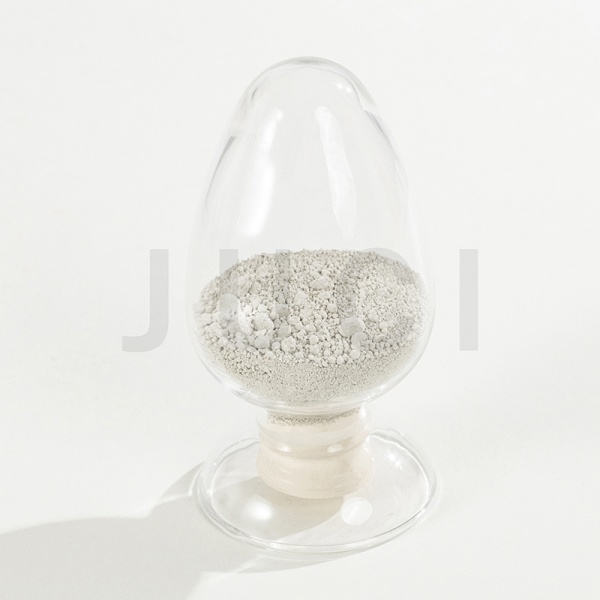
About Xiamen Juci Technology Co., LTD
Xiamen Juci Technology Co., Ltd. is a leading producer and supplier of high-performance aluminum nitride (AlN) filler. Our company is based on independent research and development and large-scale production, aiming to provide customers with high-quality aluminum nitride powder. Juci Technology is committed to becoming your strategic partner in enhancing thermal management efficiency and product reliability with stable and reliable products.
Media Contact:
Xiamen Juci Technology Co., Ltd.
Phone: +86 592 7080230
Email: miki_huang@chinajuci.com
Website: www.jucialnglobal.com
In modern electronic devices, Thermal Interface Materials (TIMs) play a crucial role. They not only need to transfer heat efficiently but also must possess sufficient mechanical strength to meet the challenges of real-world applications. Whether used as thermal pads or thermal adhesives, issues like material deformation, cracking, or fatigue failure during long-term use can directly impact product reliability.
To optimize these mechanical properties, the industry often incorporates high-performance fillers into the polymer matrix. Among them, Aluminum Nitride (AlN) stands out as a prominent thermal filler, offering benefits that go far beyond enhancing thermal conductivity.
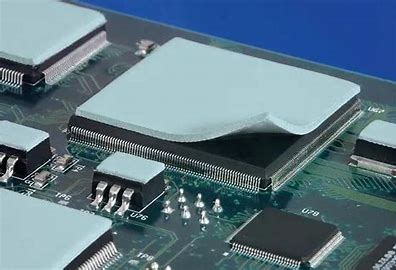
When Aluminum Nitride particles are added to matrices such as silicone grease or silicone gel, The AlN particles reinforce the polymer matrix, preventing excessive deformation under assembly pressure, as well as cracking or fatigue failure during long-term use.
By precisely controlling the amount of aluminum nitride filler, engineers can finely "adjust" the hardness and modulus of the final composite material. This means the material maintains the necessary flexibility for optimal interface contact while also gaining excellent shape retention capability, thereby forming a stable and reliable interface layer. This not only makes the TIM easier to apply during installation but also ensures its long-term stability throughout the device's operational life.
About Xiamen Juci Technology Co., LTD
Xiamen Juci Technology Co., Ltd. is a leading producer and supplier of high-performance aluminum nitride (AlN) filler. Our company is based on independent research and development and large-scale production, aiming to provide customers with high-quality aluminum nitride powder. Juci Technology is committed to becoming your strategic partner in enhancing thermal management efficiency and product reliability with stable and reliable products.
Contact:
Xiamen Juci Technology Co., Ltd.
Phone: +86 592 7080230
Email: miki_huang@chinajuci.com
Website: www.jucialnglobal.com
Under the trend of miniaturization and high-powerization of electronic devices, heat dissipation has become a key bottleneck for performance improvement. The core to solving this problem lies in reducing thermal resistance. Aluminum nitride excels in reducing thermal resistance, mainly due to its high thermal conductivity and ideal particle morphology. It can not only be efficiently integrated into polymer matrices to create unobstructed heat flow channels but also significantly enhance heat dissipation efficiency in applications such as LED packaging, power modules, and 5G base stations.
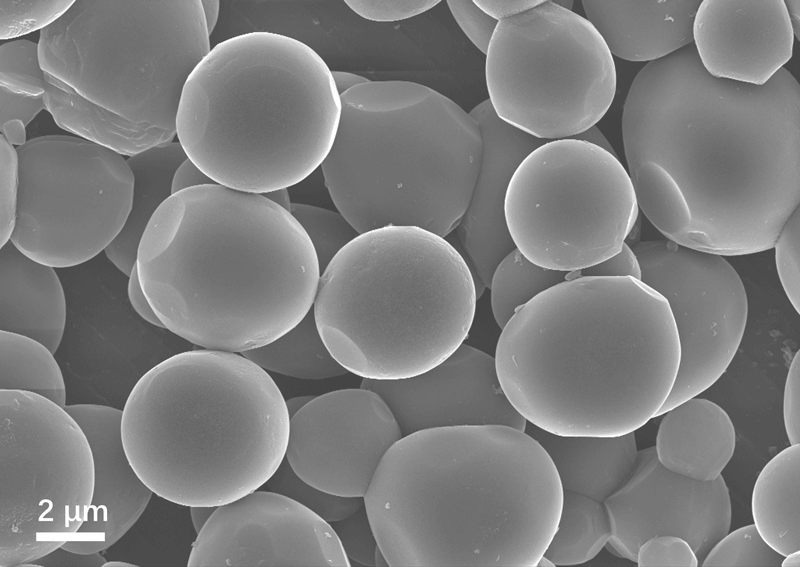
For enterprises pursuing reliability and performance upgrades, choosing aluminum nitride fillers is not only an efficient thermal conduction solution but also an important means to ensure the stable operation and extended lifespan of electronic devices. In today's increasingly urgent need for heat dissipation, aluminum nitride is becoming the preferred material in more and more industries, opening a new chapter in efficient thermal conduction.
About Xiamen Juci Technology Co., LTD
Xiamen Juci Technology is a leading manufacturer of aluminum nitride powder, aluminum nitride granule, aluminum nitride filler and aluminum nitride ceramics in China. Xiamen Juci Technology is dedicated to the production of aluminum nitride and leads the country in both quality and output. By cooperating with us, we will provide you with efficient thermal management solutions to boost your business.
Contact:
Xiamen Juci Technology Co., Ltd.
Phone: +86 592 7080230
Email: miki_huang@chinajuci.com
Website: www.jucialnglobal.com
When you pick up your phone, take apart an auto part, or look at a home appliance casing, you might not realize that hidden inside these seemingly ordinary plastic products lies a kind of “invisible rebar” — glass fiber (GF). From PP + 20% GF to PA + 60% GF, these reinforcing fibers quietly support the plastic matrix, much like steel bars inside concrete.
Today, let’s uncover the mystery of long glass fibers, short glass fibers, and flat glass fibers, and see how they transform plastics into materials that achieve the perfect balance of strength and flexibility.
Glass Fiber: The “Reinforcement Code” of Plastics
What makes glass fiber the “golden partner” of engineering plastics lies in the fiber–resin synergy, which compensates for the inherent weaknesses of pure plastics:
1. Mechanical Reinforcement: Like adding a hidden skeleton to plastics, tensile strength can be improved by 20%–100%, while impact toughness can even approach the level of metals.
| Material |
Tensile Strength
|
Testing Standard
|
| Neat PP Resin | 30 MPa |
ASTM D-638
|
|
PP Short Glass Fiber Reinforced |
90 MPa |
ASTM D-638
|
| PP Long Glass Fiber Reinforced | 150 MPa |
ASTM D-638
|
The material data varies across different brands.
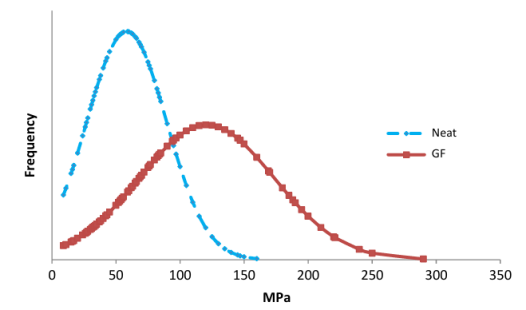
This chart compares the strength distribution of neat polymer (blue dashed line) and glass fiber reinforced polymer (red line). The neat polymer shows lower strength values concentrated around 70–90 MPa, while the glass fiber reinforced polymer exhibits a broader distribution with much higher strengths, extending up to around 300 MPa. This indicates that glass fiber reinforcement significantly improves the material’s mechanical performance.
2. Deformation resistance: suppresses resin shrinkage, making products less prone to warping under high temperature and stress, with a shrinkage rate controllable to as low as 0.15%.
3. Cost balancing: compared with pure engineering plastics, fiber-reinforced materials can achieve high performance at lower cost. For example, using long glass fiber PA to replace metal in automotive parts reduces weight by 58% while cutting costs by 30%. However, different forms of glass fiber bring very different “buffs” to plastics. The right choice can double product performance, while the wrong one may lead to issues such as fiber exposure and brittleness.
Type of fiber: long, short, or flat
The most commonly used glass fibers are long glass fiber, short glass fiber, and flat glass fiber. They differ significantly in morphology, performance, processing methods, and application scenarios, which is also reflected in their structural characteristics:
Glass Fiber Comparison Table
| Type | Length Range | Morphological Characteristics | Core Advantages |
|---|---|---|---|
| Long Glass Fiber | 5–25 mm (commonly 6–12 mm) | Continuous filaments, high integrity | Strength champion, excellent fatigue resistance |
| Short Glass Fiber | 0.1–1 mm (commonly 0.2–0.5 mm) | Short cut segments, easy to disperse | Processing-friendly, balanced performance |
| Flat Glass Fiber | 0.5–5 mm (customizable) | Flat ribbon-like, large surface area | Smooth surface, warp-resistant expert |
Long glass fibers are like “continuous steel bars,” forming a continuous network within the resin and efficiently transmitting stress, which is why their impact strength is 50%–100% higher than that of short glass fibers. Short glass fibers resemble “broken steel slag”: they are evenly dispersed but limited in length, making them suitable for applications that require high isotropy. Flat glass fibers are like “thin steel sheets,” with a thickness of 3–10 μm and a width of 50–200 μm, giving them 3–5 times more contact area with the resin than round glass fibers, directly enhancing surface smoothness by one grade.
Performance Showdown: Who’s Your “Ideal Type”?
When choosing glass fibers, focus on the following key performance dimensions:
1. Appearance
Flake Glass Fiber-Filled PC:
Thanks to its flat ribbon-like structure, the contact area with the PC resin is 3–5 times larger than that of the same weight of round glass fibers. This creates a smoother fiber-resin interface. Combined with a special drawing process that reduces surface roughness, the surface gloss of the molded part (measured at a 60° angle) can reach 80–90, close to a mirror-like finish of pure PC, with almost no visible fiber float.
Short Glass Fiber-Filled PC:
Short fibers are evenly dispersed, causing only mild light scattering. However, the round fiber cross-section still produces minor reflections at the fiber-resin interface. Surface gloss is slightly lower than flake glass fiber, usually around 70–80. Fiber float visibility requires stricter control of the molding process.
Long Glass Fiber-Filled PC:
Long fibers (6–12 mm) tend to form local agglomerations during processing. Due to the “skeleton effect,” tiny gaps exist at the fiber-resin interface, causing diffuse reflection of light in these areas. Surface gloss is only 50–60, resulting in a slightly matte finish. This type is more suitable for functional parts such as engineering machinery housings, where performance is prioritized over appearance.
2. Inner Strength: Mechanical Performance Study
Long Glass Fiber is undoubtedly the “strength champion.” Data shows that at the same content, PA reinforced with long glass fibers has 20–30% higher tensile strength than short glass fiber composites, and notch impact strength is 50–60% higher, making it especially suitable for long-term load-bearing components such as automotive bumpers and wind turbine blades. LFT-G’s Verton long glass fiber composites can even maintain impact strength at -40°C, a performance level difficult for short glass fibers to achieve.
Short Glass Fiber excels in “balance.” Although its strength is slightly lower, it offers good isotropy, meaning the part’s performance is uniform in all directions. This makes it ideal for precision components such as gears and connectors.
Flake (Flat) Glass Fiber improves lateral toughness slightly. For example, using flake glass fiber to reinforce Si-PC blends for smartphone housings can increase drop resistance by 40% while avoiding defects such as fiber protrusion.
3. Dimensional Stability: The Key to Warpage Control
Long Glass Fiber: Its “skeleton effect” firmly restrains the resin, reducing shrinkage along the flow direction to as low as 0.15%. However, shrinkage differences in the perpendicular direction can be significant, making large flat panels prone to warping.
Short Glass Fiber: Shrinkage is more uniform, making it suitable for small to medium-sized parts.
Flake (Flat) Glass Fiber: Thanks to its flat structure, it provides more balanced control over in-plane shrinkage, making it an ideal choice for automotive interior panels.
4. Processing Difficulty
Long Fibers: They tend to tangle, requiring high-performance injection molding equipment. Molds need large runners and gates (≥3 mm), and complex parts may require low-pressure processes such as Injection Compression Molding (ICM), Structural Foam Molding (SFM), or Gas-Assisted Injection Molding (GAIM). Otherwise, fiber breakage can drastically reduce performance.
Short Glass Fiber and Flake (Flat) Glass Fiber: These are easier to process with mature, established methods. They can be molded on standard injection machines, and high-flow grades can even fill thin walls down to 0.5 mm. Flake glass fiber, thanks to its good surface appearance, can achieve better aesthetics than short glass fiber without the need for higher mold temperatures.
Application Scenarios: Putting the Right Glass Fiber in the Right Place
There is no “best” glass fiber, only the most suitable choice. Let’s look at the main arenas for different types of glass fibers:
Long Glass Fiber: The “heavy-duty champion” of industrial applications.
Components such as automotive chassis brackets, engineering machinery housings, and ski binding fixtures that must withstand long-term impacts and loads are best served by long glass fibers. Long glass fiber composites used in cable brackets can last 10 years underground without corrosion, completely solving the rust problems of metal brackets. Long glass fiber-reinforced plastics are also ideal for automotive pedals.
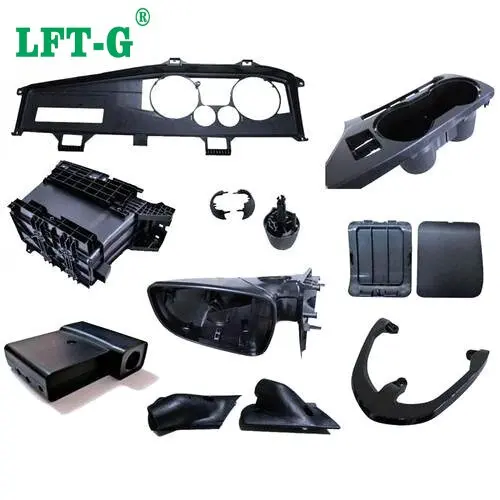
Short Glass Fiber: The “cost-performance king” of consumer goods.
Parts such as washing machine drums, air conditioner compressor brackets, and electronic connectors require basic strength but are cost-sensitive. Short glass fiber-reinforced materials are perfect for these, for example, 30% short glass fiber PA66 gears, which are wear-resistant yet affordable.
Flake (Flat) Glass Fiber: Combines appearance and strength.
Components like smartphone housings, laptop A-side panels, and automotive interior panels need both drop resistance and aesthetics. Flake glass fiber provides a mirror-smooth surface while maintaining sufficient strength even in thin walls of 0.8 mm.
Customer Project:
PA12-LCF40 Solution for Wire Rope End Fitting
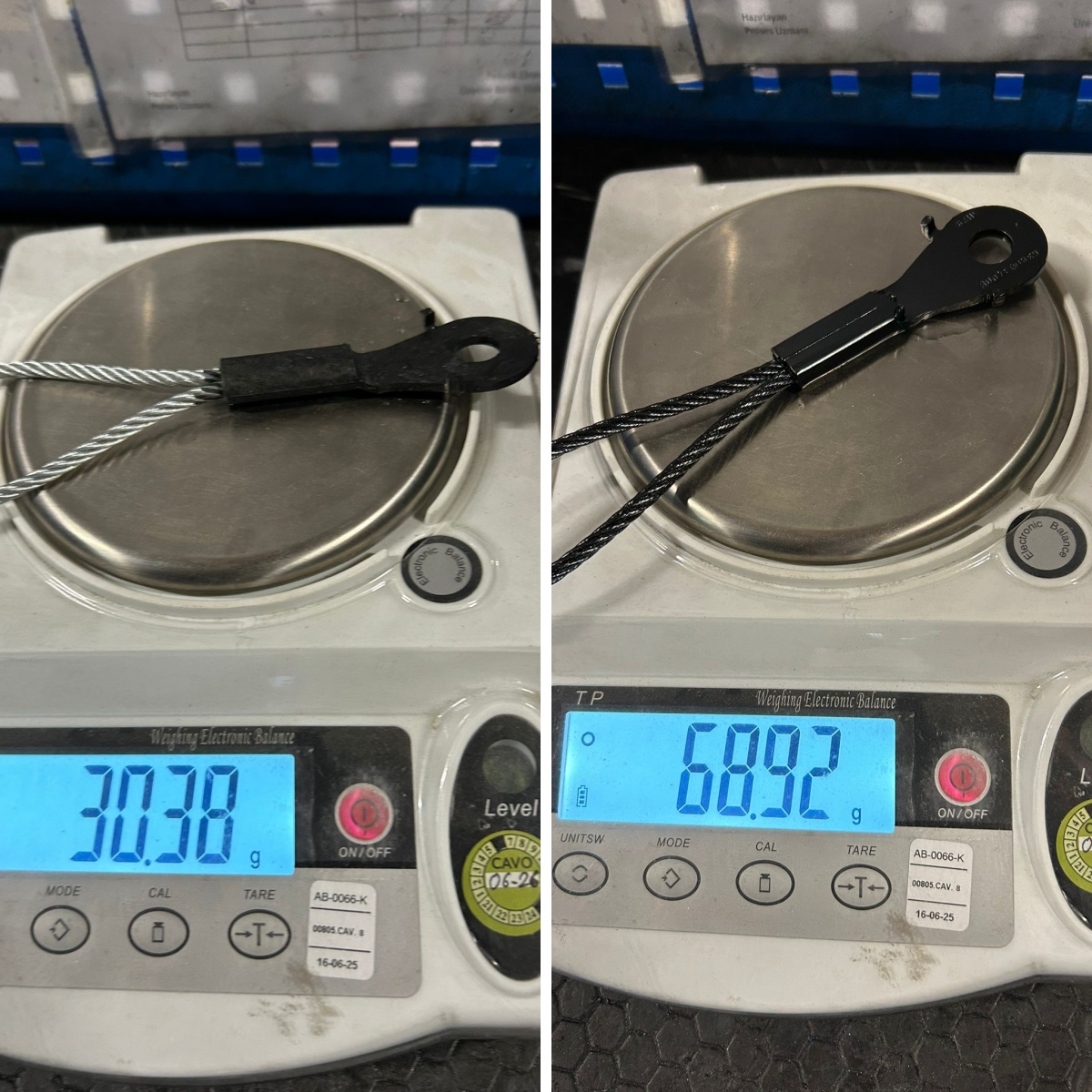
In this project, PA12 filled with 40% long carbon fiber (PA12-LCF40) was chosen to replace traditional metal material for the end fitting of a wire rope. The component, a black end terminal with a circular hole for connection, required excellent strength, durability, and weight reduction.
Project Background
Wire rope end fittings are traditionally manufactured from metal due to their high load-bearing requirements. However, this often results in excessive weight and corrosion issues in outdoor or marine environments. The client was seeking an advanced solution with a balance of mechanical performance, lightweight, and resistance to harsh conditions.
Material Advantages
PA12-LCF40 demonstrated the following key advantages:
- High Strength & Rigidity: Long carbon fibers act like a continuous reinforcement network, ensuring excellent load-bearing capacity comparable to metals.
- Lightweight: The component achieved a significant weight reduction compared to its metal counterpart, addressing the "significant weight difference" requirement.
- Corrosion Resistance: PA12 provides excellent chemical resistance, making it suitable for outdoor and marine environments where metals typically corrode.
- Dimensional Stability: Maintains structural integrity under varying loads and environmental conditions.
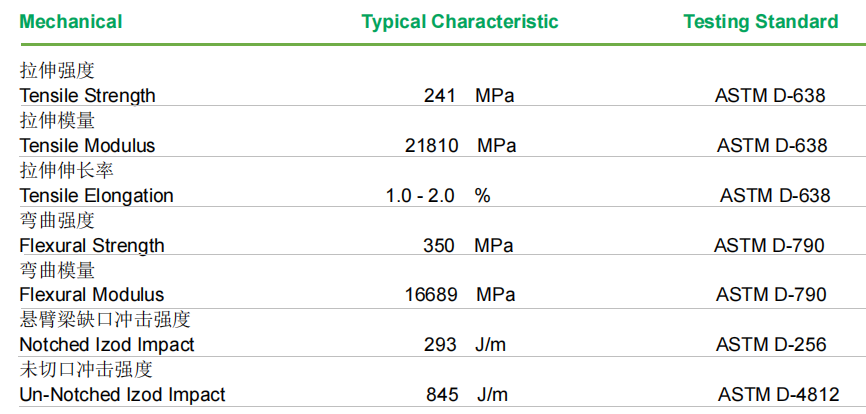
Datasheet fot LFT PA12-LCF40
Customer Benefits
By switching to PA12-LCF40, the customer gained a high-performance part that not only met safety and load-bearing demands but also delivered lighter weight and enhanced durability. This solution improved ease of handling and installation while reducing long-term maintenance costs.
Conclusion
This project highlights the successful replacement of a conventional metal wire rope end fitting with a PA12-LCF40 composite material. It reflects the growing trend of "plastic instead of steel" solutions, demonstrating that long fiber reinforced composites can deliver performance and reliability equal to, or surpassing, traditional materials in demanding applications.
About Us
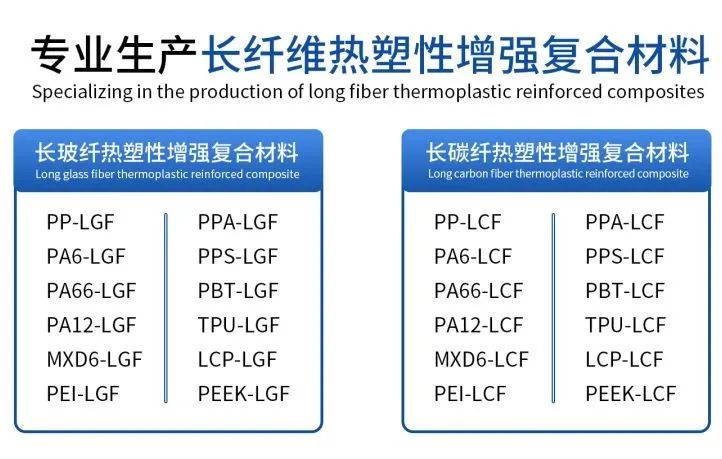
Xiamen LFT Composite Plastic Co., Ltd. (LFT-G) is a global leading manufacturer of long fiber reinforced thermoplastic (LFT) materials. With our R&D, we specialize in research, development, and production of high-performance composite solutions, including PA, PP, TPU, PEEK, PPS, and PPA filled with long glass fiber or long carbon fiber. Our materials are widely applied in automotive, electronics, power tools, and industrial components, offering exceptional strength, impact resistance, dimensional stability, and "plastic replacement for steel" capabilities.
Committed to innovation and sustainability, LFT-G integrates advanced technology with customer-focused service, delivering tailored solutions that meet the most demanding requirements while reducing weight, enhancing durability, and ensuring cost efficiency.
Faced with the wide variety of aluminum nitride powders on the market, how do you make the best choice? A common mistake when selecting aluminum nitride powder is focusing solely on purity while ignoring the particle size distribution. In fact, choosing the wrong particle size can lead to sintering difficulties, failure to meet thermal conductivity standards, or a significant increase in production costs. Particle size distribution often plays a decisive role in the selection of aluminum nitride powder.
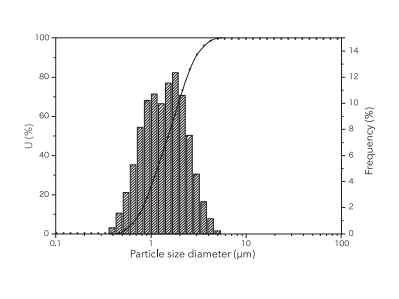
First, we need to clarify the primary role aluminum nitride plays in our product, as this determines the general direction for selection.
1、Application: High Thermal Conductivity Ceramic Substrates / Structural Components
This is the most classic application for aluminum nitride, aiming to achieve a sintered body with high density and high thermal conductivity.
Primary Performance Indicators: Ultra-high thermal conductivity (>170 W/mK), high mechanical strength, high insulation.
Recommended Particle Size Distribution:
Strategy: Choose a "Bimodal Distribution"
Characteristics: Consists of a mixture of coarser and finer particles in specific proportions.
Advantages: Fine particles fill the voids between coarse particles, achieving very high green density and sintered density. This allows for high thermal conductivity and excellent mechanical strength at relatively low sintering temperatures. This is currently the most commonly used and reliable solution in the industry.
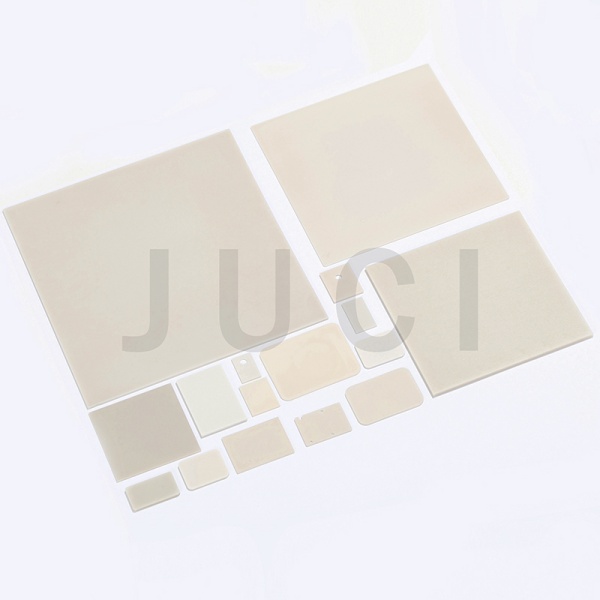
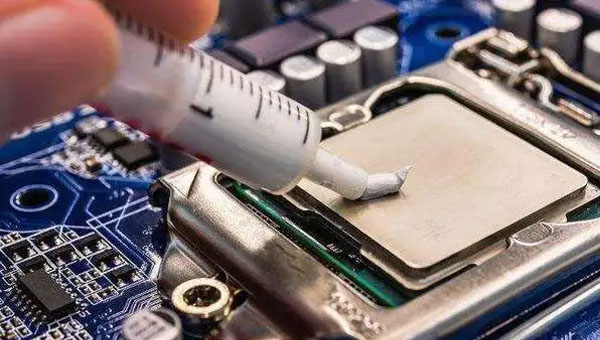
2、 Application: Thermal Interface Materials (As a Functional Filler)
In this case, aluminum nitride powder is dispersed as a filler in polymers (such as thermal grease, epoxy resin, plastics) and does not require sintering.
Primary Performance Indicators: High filling rate, high thermal conductivity, good rheology, low viscosity.
Recommended Particle Size Distribution:
Strategy: Pursuing High Filling & Flowability → Choose "Spherical or Near-Spherical Fine Powder"
Characteristics: The particle size distribution can be adjusted according to requirements.
Advantages: Fine particles provide a large specific surface area, enabling the formation of a denser thermal conduction pathway within the polymer. Spherical particles offer excellent flowability, allowing for higher packing density without significantly increasing the system's viscosity, which is beneficial for processes like potting and coating.
Advanced Strategy: A "bimodal" or "multimodal" distribution of fillers can also be used, where small particles fill the gaps between larger particles, further enhancing the density of the thermal network.
About Xiamen Juci Technology Co., LTD
Xiamen Juci Technology Co., Ltd. is a leading producer and supplier of high-performance aluminum nitride (AlN) powder. The company is based on independent research and development and large-scale production, aiming to provide customers with high-quality core materials of aluminum nitride. With a profound understanding and precise control of the preparation process, we ensure that every batch of AlN powder produced has a highly concentrated particle size distribution, excellent fluidity and sintering activity. These key features make our products an ideal source for thermal conductive fillers, AlN ceramic substrates and electronic packaging applications. Juci Technology is committed to becoming your strategic partner in enhancing thermal management efficiency and product reliability with stable and reliable products.
Media Contact:
Xiamen Juci Technology Co., Ltd.
Phone: +86 592 7080230
Email: miki_huang@chinajuci.com
Website: www.jucialnglobal.com

If you are searching for high-performance aluminum nitride (AlN) powder, the technical parameter "particle size distribution" is an absolutely essential factor you cannot overlook. It is not just a row of complex numbers on a data sheet but a hidden code that determines the success or failure of your final product.
So, what exactly is the particle size distribution of aluminum nitride powder? And how does it affect your production process and product performance? Let’s uncover the mystery together.
1. In Simple Terms, What Is Particle Size Distribution?
Imagine a bag of rice containing both whole grains and some broken bits. The same applies to aluminum nitride powder—it does not consist of particles all of the same size.
Particle size distribution is a scientific method to describe the proportion of particles of different sizes in this "bag of aluminum nitride powder." It tells us whether the powder is "uniform" or "varied in size."
Key metrics typically include:
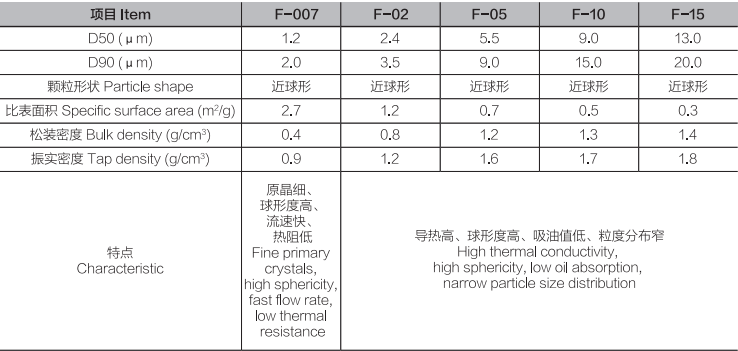
D50: This is a median value. It indicates that 50% of the particles in the sample have a diameter smaller than this value, and 50% are larger. It is a core metric for measuring the "average fineness" of the powder.
D10 and D90: These represent the particle diameters below which 10% and 90% of the sample particles lie, respectively. They define the "range" of particle sizes in the powder.
Span: Calculated as (D90 - D10) / D50. A smaller Span value indicates more uniform particle sizes and a more concentrated distribution, while a larger Span value suggests greater variation in particle sizes and a wider distribution.
2. Why Is Particle Size Distribution So Important?
Particle size distribution directly affects the physical and chemical properties of the powder, thereby influencing every step from processing to the final product.
Impact on Sintering Density
Fine particles: More active and easier to fuse at high temperatures, contributing to high-density sintering at lower temperatures, saving energy.
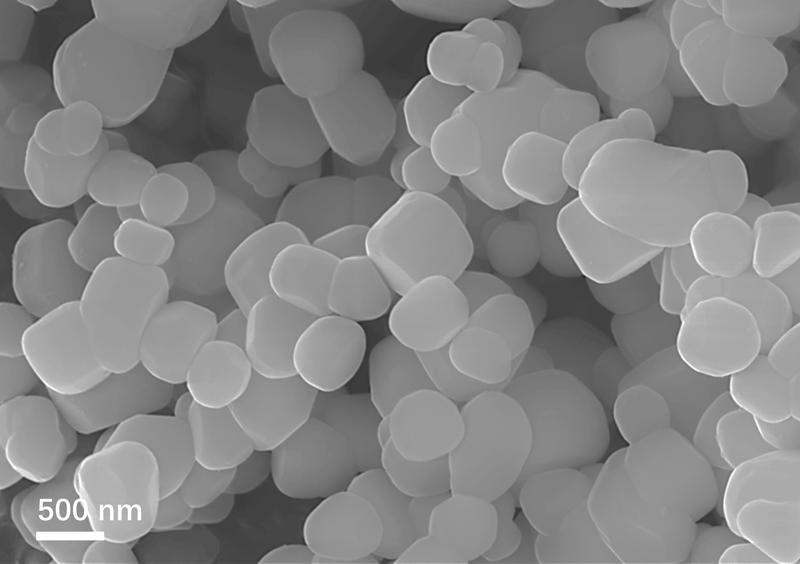
Optimal combination: Using a "bimodal distribution" (i.e., intentionally mixing particles of two different sizes) is like combining sand and stones—small particles perfectly fill the gaps between larger ones, achieving the highest packing density and resulting in a denser, stronger product after sintering.
Decisive Influence on Thermal Conductivity
The core value of aluminum nitride lies in its exceptional thermal conductivity. Heat transfer is most hindered by "obstacles."
Pores are obstacles: Poor particle size distribution can lead to pores after sintering, severely reducing thermal efficiency.
Grain boundaries are also obstacles: Uniform and appropriately coarse particles help form larger crystal grains, reducing the "walls" (grain boundaries) between crystals. This allows heat (phonons) to flow unimpeded, maximizing thermal conductivity.
Adaptability to Production Processes
Tape casting: Requires ultra-fine powder with uniform particles (small Span value) to prepare stable, non-laminating slurry, ultimately yielding smooth and flat ceramic substrates.
Die pressing: Tolerates a wider range of particle size distributions but still requires a reasonable distribution to ensure filling rate and green strength.
About Xiamen Juci Technology Co., LTD
Xiamen Juci Technology Co., Ltd. specializes in the R&D and production of high-performance aluminum nitride (AlN) powders. Leveraging advanced preparation techniques and stringent quality control, we precisely tailor the particle size distribution of our AlN powders to ensure high uniformity and consistency. Our products feature a concentrated and narrow particle size distribution, which provides excellent flowability and sintering activity, making them ideal for applications such as thermal conductive AlN fillers, AlN ceramic substrates, and electronic packaging. We are your key material partner in enhancing the thermal performance and reliability of your products.
Media Contact:
Xiamen Juci Technology Co., Ltd.
Phone: +86 592 7080230
Email: miki_huang@chinajuci.com
Website: www.jucialnglobal.com
- Bismaleimide Series2
- Cross-Linking agent / Vulcanizing Agent1
- Curing Agent1
- Engineering Plastic Pellets4
- Epoxy Resin2
- Ethylene-VinylAlcohol Copolymer(EVOH)1
- Fish Oil1
- Food Additives3
- Glucosamine1
- Heat-resistant modifier series1
- High Assay Quaternary Ammonium Compounds9
- Low Assay Quaternary Ammonium Compounds13
- Modified Polyvinyl Alcohol1
- Monomalemide Series2
- Other Surfactants/Catalysts8
- Plastic Random Packing1
- Plastic Structured Packing1
- Polyacrylamide1
- Polyurethane Resin2
- Polyvinyl Alcohol (PVA)2
- Power Coatings3
- Quaternary Ammonium Hydroxide4
- Special Quaternary Ammonium Compounds7
- TPU4
- Tertiary Amines1
- UV Ink1
- VAE Emulsion (Vinyl Acetate–ethylene Copolymer Emulsion)1
- aluminum paste1
- antiform2
- fire sleeve2
- resin2