Unique Advantages of Aluminum Nitride Ceramics
Compared to conventional alumina (Al₂O₃) ceramics, aluminum nitride (AlN) ceramics offer the following distinctive advantages:
The most significant advantage of AlN is its extremely high thermal conductivity, with a theoretical value reaching 320 W/(m·K), which is 5–10 times that of alumina. This means that under the same operating conditions, AlN ceramics can withstand higher heat flux densities. As a packaging substrate or casing, AlN ceramics are particularly beneficial for heat dissipation in high-power chips or modules. When fabricated into AlN metal-ceramic heating elements (AlN Ceramic Heaters), they enable rapid heating. When made into electrostatic chucks (Electro-Static Chucks), they allow for quick preheating/heating of adsorbed wafers.
AlN has a low coefficient of thermal expansion (CTE) of only 4.3 ppm/K, which is close to that of silicon chips (3.5–4.0 ppm/K). This means there is a natural, high degree of thermal expansion matching between silicon chips and AlN ceramics, inherently improving packaging reliability.
Additionally, AlN ceramics exhibit mechanical properties, electrical performance, and corrosion resistance comparable to those of alumina ceramics.
AlN ceramics combine high thermal conductivity, low thermal expansion, high strength, and chemical corrosion resistance, making them ideal heat dissipation materials, especially for applications in large-scale integrated circuits and high-performance electronic devices.
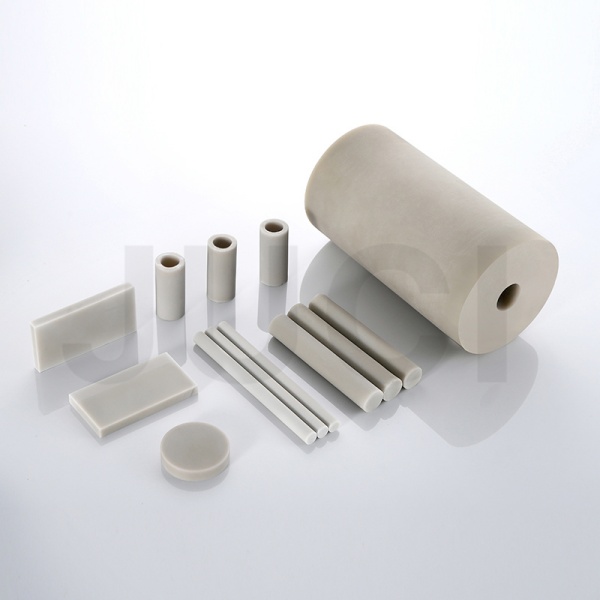
Factors Affecting the Thermal Conductivity of AlN Ceramics
Since AlN ceramics are insulating solids, the contributions of electron and photon heat transfer are negligible. Their primary heat transfer mechanism is phonon (lattice vibration) conduction. The Al-N bonds in AlN ceramics have high bond energy and short bond lengths, resulting in high phonon propagation speeds, which explains their high thermal conductivity.
Although the theoretical thermal conductivity of AlN can reach 320 W/(m·K), currently only a few companies can produce AlN ceramics with thermal conductivities of up to 230 W/(m·K). Typically, the actual thermal conductivity of commercial products ranges from 150–180 W/(m·K). The factors affecting the thermal conductivity of AlN ceramics are as follows:
From a microscopic perspective, grain boundaries, interfaces, secondary phases, defects, and phonon scattering in the crystal structure all influence phonon transmission. From practical experience, the main factors affecting the thermal conductivity of AlN ceramics include lattice density, oxygen content, raw powder purity, and microstructure.
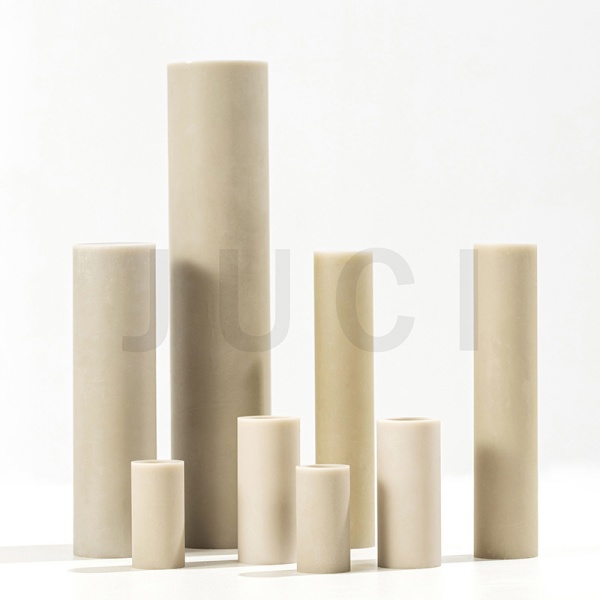
1、Density
Samples with low density contain numerous pores, which scatter phonons and reduce their mean free path, thereby lowering the thermal conductivity of AlN ceramics. Additionally, low-density samples may fail to meet the mechanical performance requirements for certain applications.
2、Oxygen Content
Due to the strong affinity between AlN and oxygen, the surface of AlN readily oxidizes when exposed to air or moisture, forming an alumina film. This introduces aluminum vacancies and oxygen defects, which can diffuse into the AlN lattice during sintering. Once these defects spread throughout the AlN crystal network, the mean free path of phonons is reduced, leading to a decline in thermal conductivity.
3、Lattice Defects
Research has found that the types of defects in AlN (aluminum nitride ceramic) lattices are related to oxygen atom concentration.
When the oxygen concentration is below 0.75%, oxygen atoms are uniformly dispersed in the AlN lattice, substituting nitrogen atoms and generating aluminum vacancies.
When the oxygen concentration is 0.75% or higher, the positions of aluminum atoms in the AlN lattice shift, eliminating aluminum vacancies and creating octahedral defects.
At higher oxygen concentrations, the lattice develops extended defects such as polytypes, inversion domains, and oxygen-containing stacking faults.
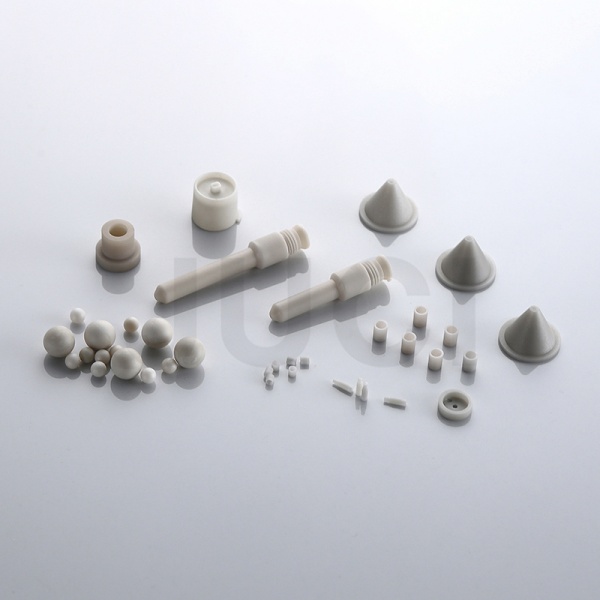
Measures to Improve the Thermal Conductivity of AlN Ceramics
1、Increase Density
Use fine-grained, highly sinterable micro/nano powders, incorporate sintering aids, or employ high-energy physical-assisted sintering methods to enhance the sintered density of the ceramics.
2、Reduce Oxygen Content and Internal Defects
Select high-purity, low-oxygen raw powders. Ensure that the storage of raw powders and the forming of semi-finished products avoid moisture exposure. Strictly control oxygen levels during atmosphere sintering.
About Xiamen Juci Technology
Xiamen Juci Technology is the leading AlN powder and AlN ceramics manufacture in China. Our products feature excellent thermal conductivity, electrical insulation, and mechanical strength, widely used in electronic packaging, semiconductors, LED heat dissipation, and other fields. With advanced manufacturing processes and strict quality control, we provide high-reliability AlN substrates, structural components, and tailored solutions to support advanced manufacturing industries.
Media Contact:
Xiamen Juci Technology Co., Ltd.
Phone: +86 592 7080230
Email: miki_huang@chinajuci.com
Website: www.jucialnglobal.com
Butvar brand resins generally are soluble in alcohols, glycol ethers, and certain mixtures of polar and nonpolar solvents. In general, Butvar B-98 (PVB Resin B-05SY) resin will show the same general compatibility characteristics as Butvar B-90 (PVB Resin B-02HX) and, therefore, should prove advantageous where physical and chemical properties of B-90 are desired but lower solution viscosities are necessary. The same is true for Butvar B-79 in relation to Butvar B-76.
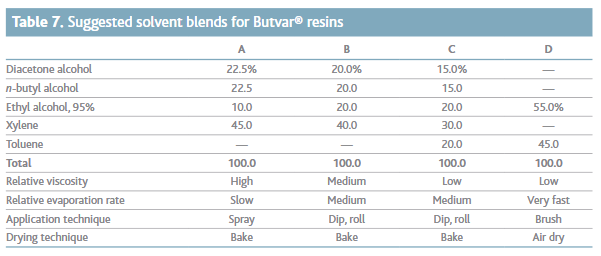
The lower hydroxyl content of Butvar B-76 and Butvar B-79 permits solubility in a wider variety of organic solvents as compared to the other grades of Butvar. One notable exception, however, is the insolubility of Butvar B-76 and Butvar B-79 in methanol. All other types of Butvar contain sufficient hydroxyl groups to allow for solubility in alcohol and in hydroxyl-containing solvents. The presence of both butyral and hydroxyl groups permits solution in mixtures of alcohol and aromatics. Viscosities of Butvar resin solutions containing mixed solvents depend on the ratio of alcohol to aromatic. Viscosity curves for Butvar B-76, Butvar B-90, and Butvar B-98 in Graph 2 show minimum points in the general vicinity of 50% alcohol: 50% aromatic.
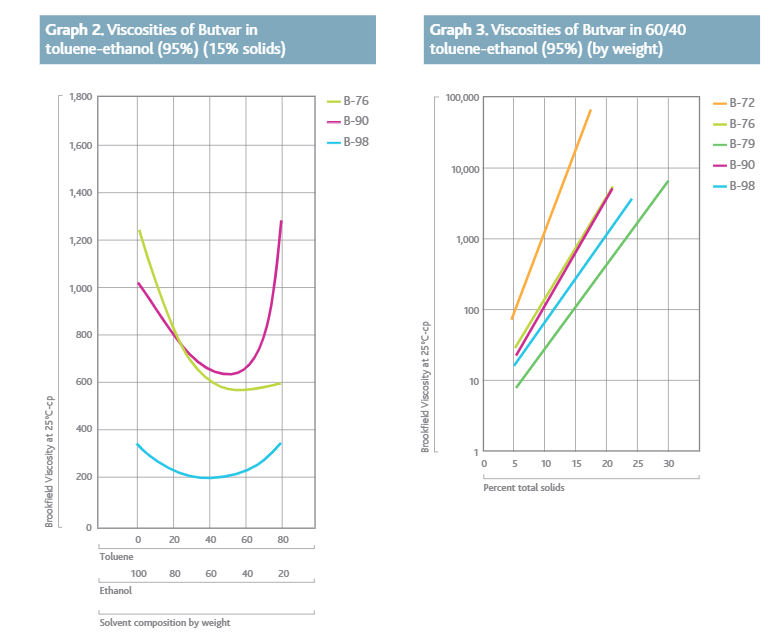
A common solvent for all of the Butvar resins is a combination of 60 parts toluene and 40 parts ethanol (95%) by weight. For compositions of Butvar, methyl alcohol will tend to give the lowest viscosity and, therefore, will permit the use of higher solids when used as a component of a solvent blend. When much more than 10% to 15% alcohol is used in a formulation for spray application, blushing may result. They are useful as starting points in the development of solvent blends for the other types.
Website: www.elephchem.com
Whatsapp: (+)86 13851435272
E-mail: admin@elephchem.com
The scientific name of PVB resin is polyvinyl butyral resin. It was successfully industrialized in the United States in the 1930s and has a history of more than 70 years. my country has been trying to industrialize it since the 1960s, but due to the sensitivity of raw materials and process parameters, the product quality fluctuates greatly. The few finished products can only meet military purposes. It was not until the 1990s that a small amount of PVB (B-06HX &PVB B-20HX) products entered the civilian market.
Due to the different processes of PVB manufacturers, the requirements for PVB quality indicators are also different. Not only are there certain restrictions on the viscosity range, but there are also clear requirements for many indicators such as acetalization degree, tensile strength, and film-forming properties. Therefore, it is very easy to make PVB resin. However, it is quite difficult to make products that satisfy users. In order to produce PVB resins that meet user needs and improve the qualified rate of products, the following countermeasures should be taken:
Carefully select raw materials PVA
PVA has a variety of models (such as PVA 088-50 & PVA 2488, Mowiol 47-88), not only with different degrees of polymerization, but also with different degrees of alcoholysis. To figure out how much acetalization you need, pick a PVA that meets the viscosity requirements. Try to keep the process conditions the same so that the product quality stays good without putting in extra effort.
Process control programming
At present, the production of China PVB resin adopts two-step precipitation method, kettle operation, and intermittent production. The production control is mainly manual control, which is quite arbitrary, especially the viscosity of PVB. The viscosity changes greatly with a slight change in the process.It's a good idea to use a DCS control system for making PVB resin. Stick to a programmed operation and keep the process steps pretty much the same for each customer.
Strict finished product management
It is best to adopt order-based production, and deliver it to customers in time after production is completed. Products that have not been delivered to customers must be placed separately and must not be mixed. For products that have been parked in the warehouse for more than one month, re-sampling and analysis are required before leaving the factory to prevent degradation of PVB resin powder.
Disposal of unqualified products
Some products may not meet the requirements of a certain user for individual indicators, but there is no problem with the quality of the batch of products itself. The usual practice is to find users with the same or similar quality as the batch of products and make appropriate treatments based on the degree of compliance. If the same products can be sent directly to the user, if the same products are not met, measures such as return package and add can be taken. Products with quality problems can only be sold as waste or destroyed.
Website: www.elephchem.com
Whatsapp: (+)86 13851435272
E-mail: admin@elephchem.com
The different kinds of Butvar resins have their properties laid out in Tables 1 to 5. These resins come in various molecular weights and viscosities. Butvar 76 and Butvar 79 resins have less hydroxyl content compared to other Butvar options, which gives them better solubility.
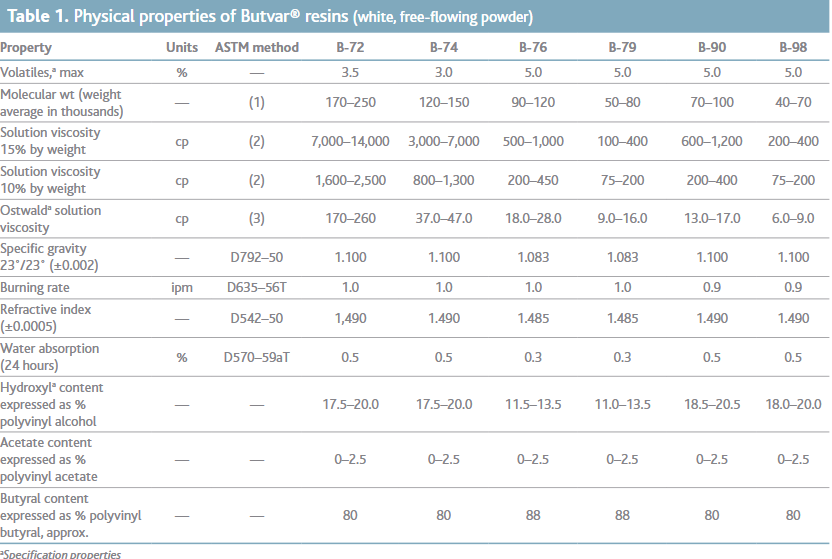
Generally, when you swap butyral groups for acetate groups, you get a polymer that repels water better and can handle heat more without deforming. This change also boosts the polymer's strength and how well it sticks to different surfaces. The strong sticking power of polyvinyl butyral resins comes from their terpolymer structure. Since each molecule has a choice of three different functional groups on its surface, the likelihood of adhesion to a wide range of substrates is significantly increased.
Although polyvinyl butyral resins (PVB) are generally thermoplastic and soluble in a number of solvents, they can be crosslinked by heat and small amounts of mineral acid.Crosslinking often happens through transacetalization, but it can also be due to more complicated processes, like reactions between acetate or hydroxyl groups on nearby chains.
In practice, crosslinking of polyvinyl butyrals is achieved by reaction with various thermosetting resins such as phenolic, epoxy, urea, dicyanate, and melamine resins. The availability of functional hydroxyl groups in Butvar resins for this type of condensation is an important factor in many applications. Including even a small amount of Butvar resin in thermosetting compositions will significantly improve the strength, flexibility, and adhesion of the cured coating.
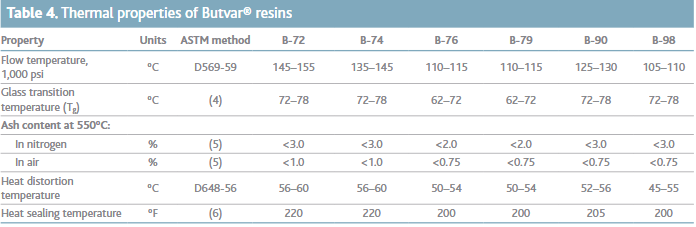
Polyvinyl butyral films are known for their great resistance to various substances like aliphatic hydrocarbons and different kinds of oils, except for castor and gypsum oils. They tolerate strong bases, but are sensitive to strong acids. However, when used as components of cured coatings, their resistance to acids, solvents and other chemicals is greatly increased. Butyral withstands temperatures up to 200°F for long periods with little color change.
Website: www.elephchem.com
Whatsapp: (+)86 13851435272
E-mail: admin@elephchem.com
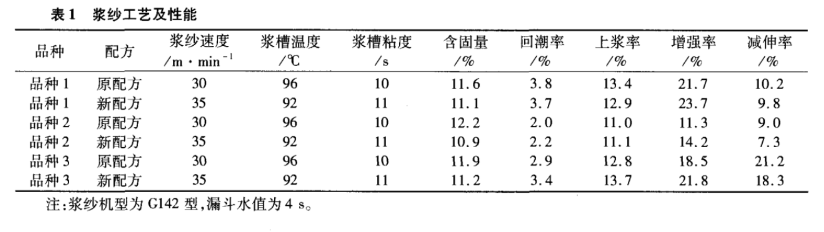
We used partially alcoholysis PVA-217SB (PVA080-22 & PVA1780) and high-efficiency environmentally friendly pulp together, and added a certain proportion of starch. We conducted experiments on several polyester-cotton varieties, which not only significantly improved the pulp shaft quality, but also greatly reduced the pulp cost.
Pulp performance:
The chemical structure of PVA varies depending on the degree of alcoholysis. PVA with an alcoholysis degree of 99.6% is fully alcoholysis, like the PVA-1799 (PVA 100-27) we usually work with. On the other hand, PVA with an alcoholysis degree of 88% is partially alcoholysis, such as PVA-1788 (PVA 088-20) and PVA-217SB. The fully alcoholysis PVA mainly has hydroxyl groups in its structure, whereas the partially alcoholysis version contains some ester groups along with hydroxyl groups. This difference makes their performance quite distinct. For example, when mixing partially hydrolyzed PVA with completely hydrolyzed PVA and starch, the starch ratios needed aren't too different between the two. Generally, it should not exceed 70%, that is, the starch to PVA mixing ratio is generally about 7:3, in order to obtain a slurry with good miscibility. Runli's eco-friendly slurry is a milky white liquid that has over 98% effective ingredients. It has a viscosity of 2 to 8 mPa·s at 20℃ and a pH level between 7.5 and 8.5. This slurry flows well, has good elasticity, strong adhesion, mixes easily with other slurries and additives, and it's simple to remove after use.
Summary:
(1) From the trial, tracking, and test analysis of Runli slurry and partially hydrolyzed PVA, we found that the slurry flow rate is stable and it is not easy to form sizing skin at low temperature. The thousandth reel is smooth, the sizing yarn feels smooth, and there is less regenerated hairiness.
(2) The new sizing yarn indicators are way better than the old formula. We’ve seen a big drop in loom breakage and a solid increase in the good axis rate and loom efficiency.
(3) The use of Runli sizing agent and partially alcoholysis PVA (PVA-217SB) sizing agent has greatly reduced the sizing cost.
Website: www.elephchem.com
Whatsapp: (+)86 13851435272
E-mail: admin@elephchem.com
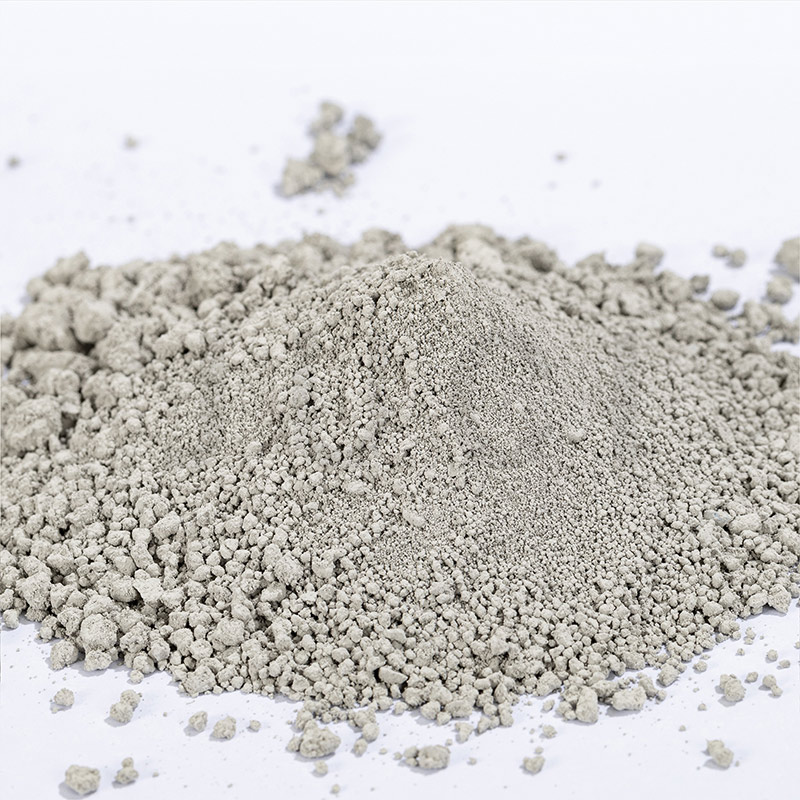
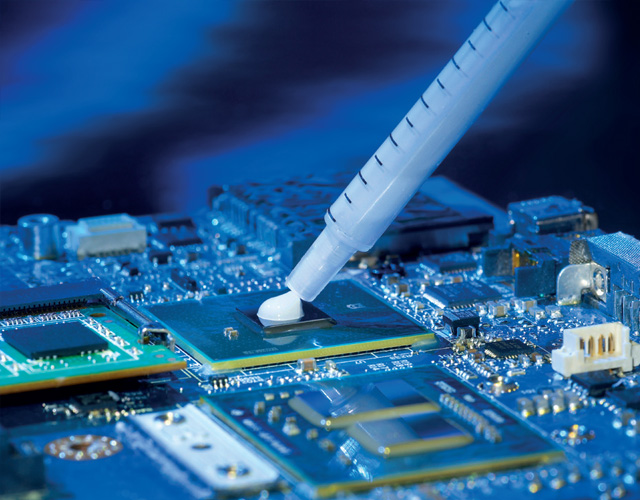
With the continuous innovation and expansion of Japan's electronics industry, the demand for thermal interface materials (TIMs) in the country is also growing significantly. The TIM market plays a critical role in managing heat in electronic devices to ensure their longevity and optimal performance.
Renowned for its robust technological ecosystem and high-quality manufacturing standards, Japan's market is expected to grow from $261.5 million in 2023 to $740.4 million by 2032, according to forecasts by Report Ocean Co., Ltd. This growth represents a compound annual growth rate (CAGR) of 11.64% from 2024 to 2032, highlighting the industry's immense potential and the expanding applications of TIMs across various sectors.
Market Dynamics
Growth Drivers:
The rapid expansion of Japan's thermal materials market is fueled by the ongoing evolution of electronic devices such as smartphones, laptops, and other household appliances, which require advanced thermal management solutions to keep up with increasing processing power. Additionally, the rise of the automotive industry, particularly electric vehicles (EVs), is a major contributing factor. These vehicles rely on efficient thermal management systems to maintain battery performance and safety, thereby driving demand for high-performance TIMs.
Challenges:
Despite the optimistic outlook, the market faces several hurdles, including the high cost of advanced materials and the technical difficulties of integrating them into existing manufacturing processes. Furthermore, Japan's stringent environmental regulations on the production and disposal of chemical materials pose additional barriers for market players.
Opportunities:
The shift toward renewable energy and the growing adoption of hybrid and electric vehicles are opening new avenues for TIMs. Innovations in material science, offering eco-friendly alternatives with high thermal conductivity, may also create lucrative opportunities for market leaders.
Competitive Landscape
Japan's TIM market is highly competitive, with both domestic and international manufacturers driving growth. Companies are increasing investments in R&D to push the performance boundaries of these materials. Strategic alliances and acquisitions are also common as firms seek to strengthen their product portfolios and expand their market presence.
Technological Advancements
Technological innovation is at the core of the TIM market's expansion in Japan. Recent developments in nanotechnology and the introduction of hybrid materials that combine the thermal conductivity of metals with the flexibility of polymers are poised to revolutionize the industry. These advancements not only enhance the performance of TIMs but also improve their adaptability to high-stress environments in advanced electronics and automotive applications.
Market Segmentation
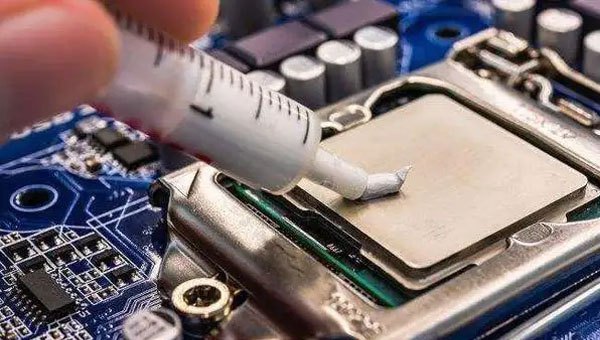
The market can be segmented by type, including greases & adhesives, tapes & films, gap fillers, metal-based TIMs, and others. Each segment addresses specific needs across different applications, with greases and adhesives dominating the market due to their ease of use and thermal management efficiency. Application areas span electronics, automotive, telecommunications, and more, demonstrating the broad utility of TIMs across industries.
Outlook
The future of Japan's TIM market is set for significant transformation. Ongoing research and technological advancements are likely to yield new materials that redefine thermal management in electronics and beyond. As Japan continues to lead in technological innovation, the TIM market is expected to offer substantial growth opportunities for investors and companies alike.
About Xiamen Jucheng Technology Co., Ltd.
Xiamen Jucheng Technology Co., Ltd. is a high-tech enterprise specializing in the R&D, production and sales of aluminum nitride (AlN) powder and AlN ceramic products. The company's core products include high-purity aluminum nitride powder, AlN ceramic substrates, AlN heat sinks and precision structural components, which are widely used in semiconductor packaging, 5G communications, new energy vehicles, power electronics, aerospace and other fields.
Juci Technology possesses advanced aluminum nitride powder synthesis technologies (such as carbothermal reduction method) and ceramic forming processes (including tape casting, dry pressing, and high-temperature sintering), ensuring its products exhibit excellent properties such as high thermal conductivity (170-200 W/mK), high insulation, and low thermal expansion. The company's AlN ceramic products have been successfully applied in high-end applications including IGBT modules, LED chip heat dissipation, and RF devices, contributing to the domestic substitution of imported materials.
Leveraging its independent R&D capabilities, the company continuously optimizes material performance and maintains close collaboration with upstream and downstream partners in the industrial chain. Committed to becoming a leading domestic aluminum nitride materials supplier, Juci Technology is driving the autonomous and controllable development of China's high-end electronic ceramic industry.
Media Contact:
Xiamen Juci Technology Co., Ltd.
Phone: +86 592 7080230
Email: miki_huang@chinajuci.com
Website: www.jucialnglobal.com
With the miniaturization and high degree of integration of electronic products and their devices, the problem of heat dissipation has become an important bottleneck restricting the development of electronic technology, which determines the effectiveness of heat dissipation of thermal interface materials, such as thermal conductive composite materials are more and more attention.
At present, commercial thermally conductive composites are generally made of organic materials and thermally conductive filler composite. As the thermal conductivity of organic materials is very low, generally less than 0.5W/m-K, so the thermal conductivity of thermally conductive composite materials is mainly determined by the thermal conductivity filler.
The thermal conductivity of common polymer matrix and thermally conductive fillers The most widely used fillers on the market are oxide fillers represented by alumina and so on, but the intrinsic thermal conductivity of alumina is only 38~42W/m-K, which is limited by the fact that it will be very difficult to prepare thermally conductive composites to meet the market demand for future heat dissipation materials.
In contrast, the theoretical thermal conductivity of AlN is as high as 320W/m-K, and it has excellent properties such as small coefficient of thermal expansion, good insulating properties, low dielectric constant, and matching with the expansion coefficient of silicon, so the preparation of thermally conductive composites by using AlN powder as a filler has been highly sought after in recent years.
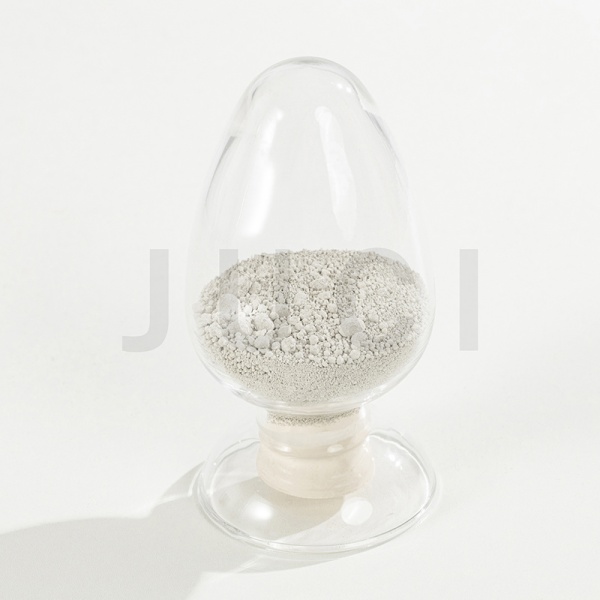
A key problem must be solved
Although the comprehensive performance of aluminum nitride is much better than alumina, beryllium oxide and silicon carbide, and is considered to be the ideal material for highly integrated semiconductor substrate and electronic device packaging, but it has an unpleasant place, that is, it is easy to absorb water in the air hydrolysis reaction occurs, so that the surface of the coating on a layer of aluminum hydroxide film, resulting in the interruption of the thermal conductivity pathway and the phonon transmission is affected, and the filling of the large content of its polymer viscosity will increase greatly, not conducive to molding and processing. The viscosity of the polymer is greatly increased by its large filling content, which is unfavorable to the molding process.
In order to overcome the above problems, surface modification of the thermally conductive particles is necessary to improve the interfacial bonding between the two. At present, there are two main methods to modify the surface of inorganic particles, one is the surface chemical reaction method, which is a small molecule such as coupling agent adsorption or reaction on the surface of inorganic particles. The other is the surface grafting method, which is the grafting reaction between the polymer monomer and the hydroxyl group on the surface of the inorganic particles.
Currently commonly used are coupling agent surface modifications such as silane and titanate coupling agents and other types of surface treatment agents. Surface grafting offers greater flexibility than surface chemical reaction methods in that it allows the selection of monomers and grafting reaction processes that satisfy the conditions based on different characterization needs.
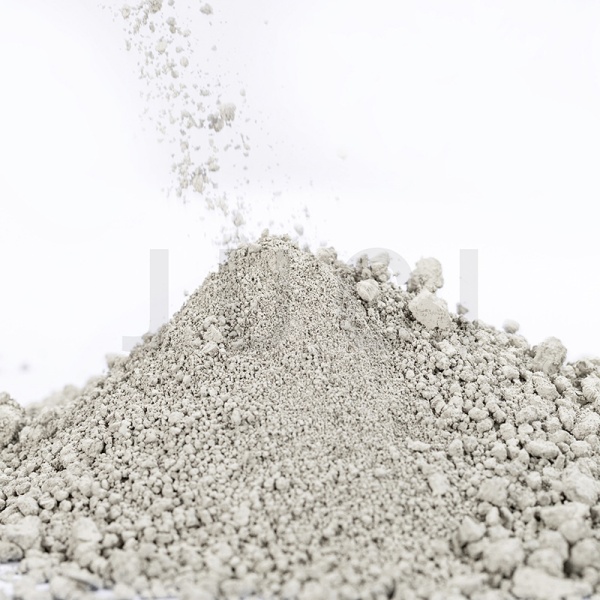
Influence of particle size and shape on thermal conductive materials
The effect of aluminum nitride particle size on the thermal conductivity of polymer composites is mainly manifested in two aspects. On the one hand, the small specific surface area of the large-size filler, the smaller the area of the interfacial layer it forms, i.e., the smaller the thermal interfacial resistance, the higher the thermal conductivity obtained theoretically; however, the stacking density of the small-size filler is higher, so that it can effectively reduce the voids and improve the thermal conductivity.
Isn't this a contradiction? Is it better to have a larger or smaller particle size? In fact, the aluminum nitride filler particle size is too large or too small are not good, too large to lead to the stacking density is small and uneven distribution, thermal conductivity decreases. Particle size is too small, resulting in more interfaces, thermal resistance, and small particle size filler is easier to gather, causing the viscosity of the system to rise, resulting in the existence of voids in the polymer, making the polymer mechanical and thermal properties of the decline.
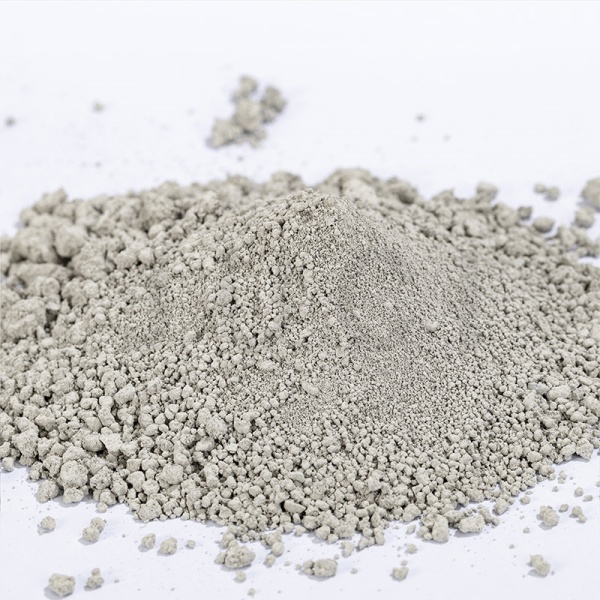
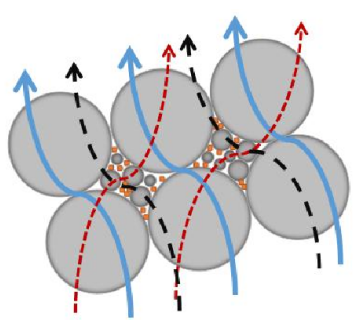
Therefore, we require that the particle size be "neither too large nor too small", but this is difficult to meet the ideal requirement.So people thought of a good way - the use of different particle size particles compounding. Selected particles of different sizes as a mixture of filler filled into the matrix material, the large particles constitute the main thermal pathway, the small particles will be filled into the gap between the large particles in order to form a richer thermal conductivity of the network, so as to realize the composite material thermal conductivity improved.
Different sizes of thermally conductive AlN filler particles grading schematic again, the shape of the filler (whiskers, fibrous, flaky, spherical) on the thermal conductivity of the material has an impact on the formation of thermally conductive pathway is: whiskers> fibrous> flaky> spherical, but the formation of spherical filler packing density is the largest in the high filler, does not lead to a sharp increase in the viscosity, but in the industry is the most widely used. In addition, the processing process also affects the application effect of aluminum nitride in polymer thermal conductive materials, this is because the processing process affects the dispersion and distribution of fillers in the matrix, the dispersion state of fillers in the matrix will affect the formation of thermal conductive pathways in the composite material, thus affecting the thermal conductivity of the composite material. According to the different forms of polymer composite, the processing and molding methods can be divided into solution mixing, powder mixing, melt mixing three ways, and its effect on the improvement of thermal conductivity presents the following characteristics: powder mixing > solution mixing > melt mixing.
About Xiamen Juci Technology Co., Ltd.
Xiamen Juci Technology Co., Ltd. is a high-tech enterprise dedicated to the R&D, production, and sales of high-performance aluminum nitride (AlN) materials. As a leading AlN filler supplier, we specialize in delivering premium Aluminum nitride heat dissipation products and tailored solutions for industries such as electronics, semiconductors, and aerospace.
One of our key strengths is effectively mitigating the hydrolysis issue of AlN, ensuring superior material stability and performance. With exceptional product quality and customer-centric service, Xiamen Juci has earned the trust of clients worldwide.
Media Contact:
Xiamen Juci Technology Co., Ltd.
Phone: +86 592 7080230
Email: miki_huang@chinajuci.com
Website: www.jucialnglobal.com
Improving ABS Heat Resistance: YangchenTech Acrylonitrile-butadiene-styrene (ABS) is a widely used plastic prized for its strength, toughness, and ease of processing. However, its heat resistance is inherently limited.This blog will explain why ABS has these limitations and explore ways to improve its thermal performance—with a focus on chemical modifiers. Next, we’ll explore how YangchenTech’s styrene-NPMI-MAH copolymer
