Modified PVA is a variation of Polyvinyl alcohol that undergoes chemical or physical modifications to enhance or introduce new properties. These modifications can include cross-linking, grafting, blending, or copolymerization with other materials. The resulting Modified PVA exhibits improved characteristics, making it suitable for a wide range of applications.
Modified polyvinyl alcohol also known as PVOH. There are two main grades of modified polyvinyl alcohol. one is used for PVC called PVOH PVC grade, and the other is PVOH Water-soluble films grade. Its versatility, biodegradability, and ease of modification set it apart from other materials. As global industries increasingly prioritize sustainability and high-performance solutions, Modified PVA is poised to play a significant role in shaping the future of various sectors.Whether it's in adhesives, coatings, textiles, or pharmaceuticals, Modified PVA offers exceptional properties that meet diverse application needs. As the market continues to evolve, exploring innovative uses and combinations of Modified PVA will unlock untapped potential for this remarkable polymer.
The packaging industry, in particular, holds immense potential for Modified PVA, as it offers enhanced barrier properties, extended shelf life, and reduced environmental impact compared to traditional alternatives. Moreover, the growing demand for specialty coatings, adhesives, and films in the automotive sector further boosts the market prospects for Modified PVA.
Choose ELEPHCHEM for Your Modified PVA Needs: ELEPHCHEM, a leading supplier of Modified PVA, offers a wide range of high-quality products and customized solutions. With their expertise and commitment to customer satisfaction, ELEPHCHEM is your trusted partner in optimizing the performance of Modified PVA for your specific applications. Contact ELEPHCHEM today to explore the endless possibilities of Modified PVA.
Website: www.elephchem.com
Whatsapp: (+)86 13851435272
E-mail: admin@elephchem.com
VAE emulsion is the abbreviation of vinyl acetate-ethylene copolymer emulsion. It is a polymer emulsion formed by emulsion polymerization of vinyl acetate and ethylene monomer as basic raw materials with other auxiliary materials.The production process of VAE emulsion mainly includes the following steps:
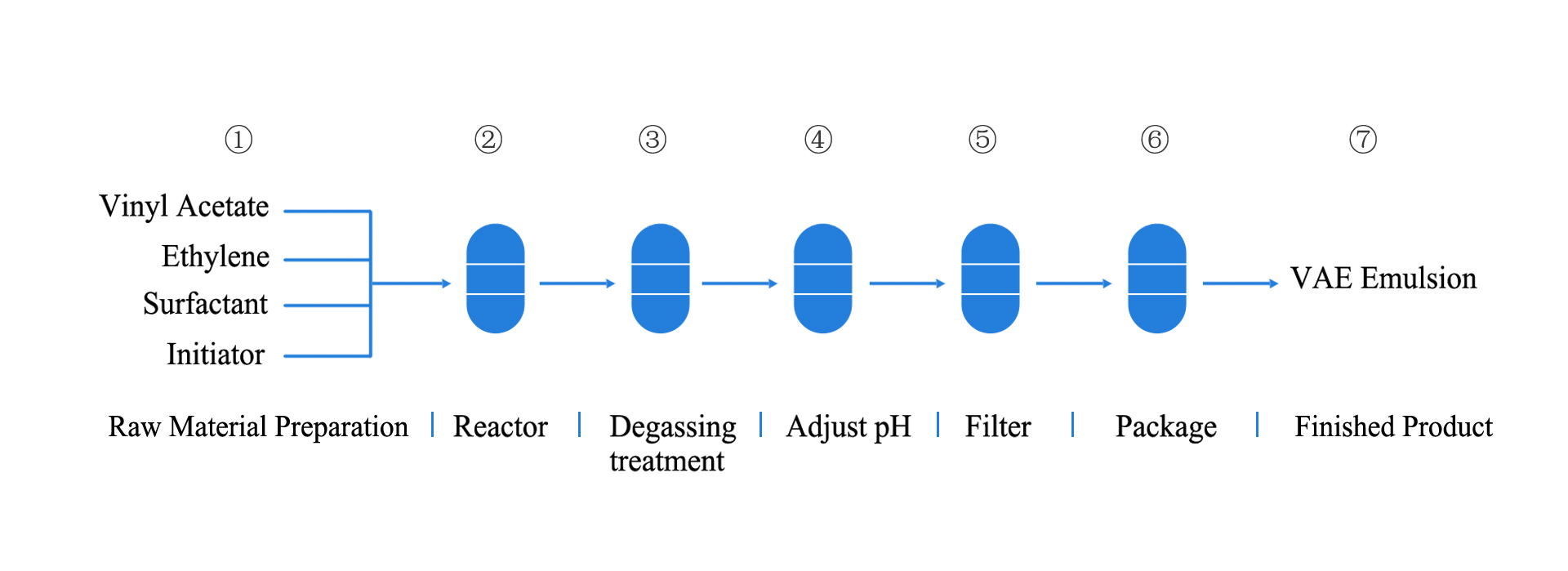
The main raw materials of VAE emulsion include ethylene, vinyl acetate, emulsifier and initiator. Ethylene can be made from naphtha or natural gas; vinyl acetate is made from the reaction of ethylene and acetic acid.
After mixing ethylene and vinyl acetate in a certain proportion, they are passed into the reactor, initiators and emulsifiers are added, and emulsion polymerization is carried out under appropriate temperature and pressure. Control the reaction speed and temperature to completely convert the monomer and generate VAE emulsion.
The generated VAE emulsion needs to be degassed to remove unreacted monomers and low molecular volatiles. Adjust the pH value of the emulsion to make it more stable, and perform filtration to remove impurities and solid particles in the emulsion.
Put the processed VAE emulsion into a special container, seal it and store it away from direct sunlight and high temperature environment.
The production and use of VAE emulsion must comply with national and local environmental protection standards, including emission standards for waste water, exhaust gas, noise, etc. Waste water, waste gas and other waste generated during the production process need to be effectively treated and discharged to ensure compliance with environmental protection requirements.
Website: www.elephchem.com
Whatsapp: (+)86 13851435272
E-mail: admin@elephchem.com
ElephChem Holding Limited, professional market expert in Polyvinyl Alcohol(PVA) and Vinyl Acetate–ethylene Copolymer Emulsion(VAE) with strong recognition and excellent plant facilities of international standards.
VAE emulsion, short for Vinyl Acetate Ethylene copolymer emulsion, is a versatile material widely used in various industries. Its unique properties make it an essential ingredient in the manufacturing of adhesives, paints, coatings, and construction materials.
VAE Emulsion is a water-based dispersion composed of vinyl acetate and ethylene monomers. This copolymerization results in a high-quality emulsion that offers outstanding adhesive properties, excellent flexibility, and exceptional bonding strength. VAE Emulsion acts as a binder, providing exceptional stability and enhancing the performance of various end products.
One of the notable applications of VAE Emulsion is in the production of adhesives. Due to its excellent adhesion properties, VAE Emulsion is widely used in industries such as woodworking, paperboard lamination, and packaging. The high bonding strength and flexibility of VAE Emulsion enable it to deliver durable and long-lasting adhesion, ensuring the integrity of bonded surfaces.
In the world of architectural coatings, VAE Emulsion plays a crucial role as a binder. It is known for its exceptional film-forming abilities, providing coatings with excellent weather resistance, water repellency, and durability. Moreover, VAE Emulsion enhances the color stability and gloss of coatings, resulting in a visually appealing finish. Its versatility allows it to be used in various coating systems, including exterior paints, interior wall paints, and textured coatings.
Construction materials also benefit from the extraordinary properties of VAE Emulsion. It can be combined with cement, gypsum, or other powders to produce VAE Redispersible Powder. When used in tile adhesives, grouts, and self-leveling compounds, VAE Redispersible Powder enhances workability, water retention, and adhesion strength. This combination ensures reliable performance in demanding applications, such as tile installation and repair.
While the quality of the product itself is essential, exceptional service adds significant value to the overall customer experience. ELEPHCHEM, a leading supplier of VAE Emulsion and related products, is known for its commitment to providing comprehensive services. From technical support to customized solutions, ELEPHCHEM assists clients in optimizing their applications and achieving the desired results. Their expertise and industry knowledge have made them a trusted partner for many businesses.
Website: www.elephchem.com
Whatsapp: (+)86 13851435272
E-mail: admin@elephchem.com
ElephChem Holding Limited, professional market expert in Polyvinyl Alcohol(PVA) and Vinyl Acetate–ethylene Copolymer Emulsion(VAE) with strong recognition and excellent plant facilities of international standards.
VAE emulsion is short for ethylene acetate-ethylene copolymerization emulsion, which is a polymer emulsion made of ethylene acetate and ethylene monomer as the basic raw materials and other auxiliary materials through emulsion.
Products with ethylene acetate content in the range of 70%~95% are usually in the emulsion state, called VAE emulsions.
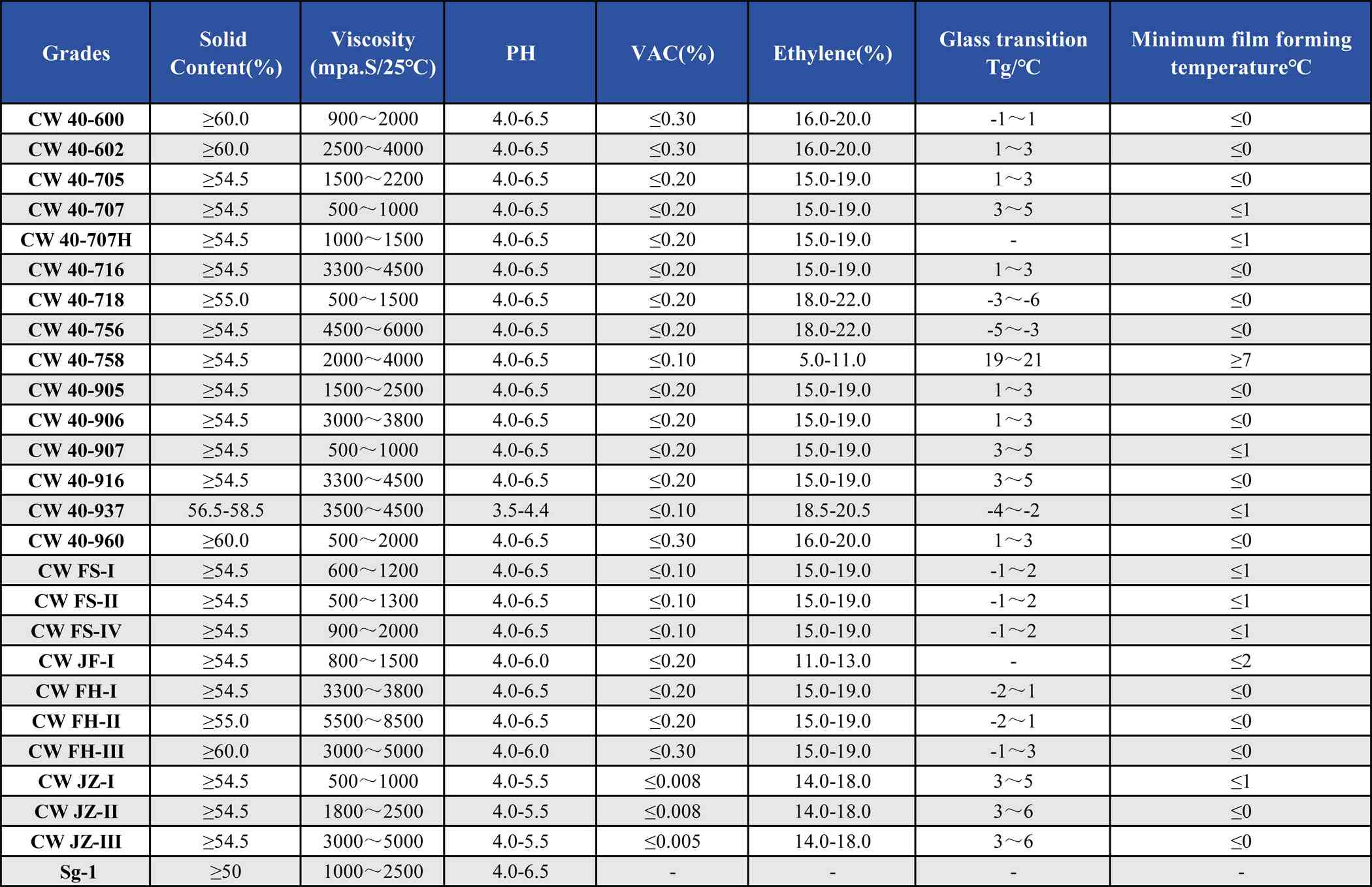
VAE Emulsion is a copolymer of vinyl acetate with low ethylene content having been developed as a powerful adhesive base. It has excellent performance in environmental protection, has good adhesion and environmental protection properties, and is widely used in green fine chemical products. Due to its excellent comprehensive performance and environmental protection characteristics, VAE emulsion is very popular in the market and has become an indispensable green fine chemical product. VAE emulsion is widely used in building materials, textiles, printing and dyeing, papermaking, adhesives, etc.
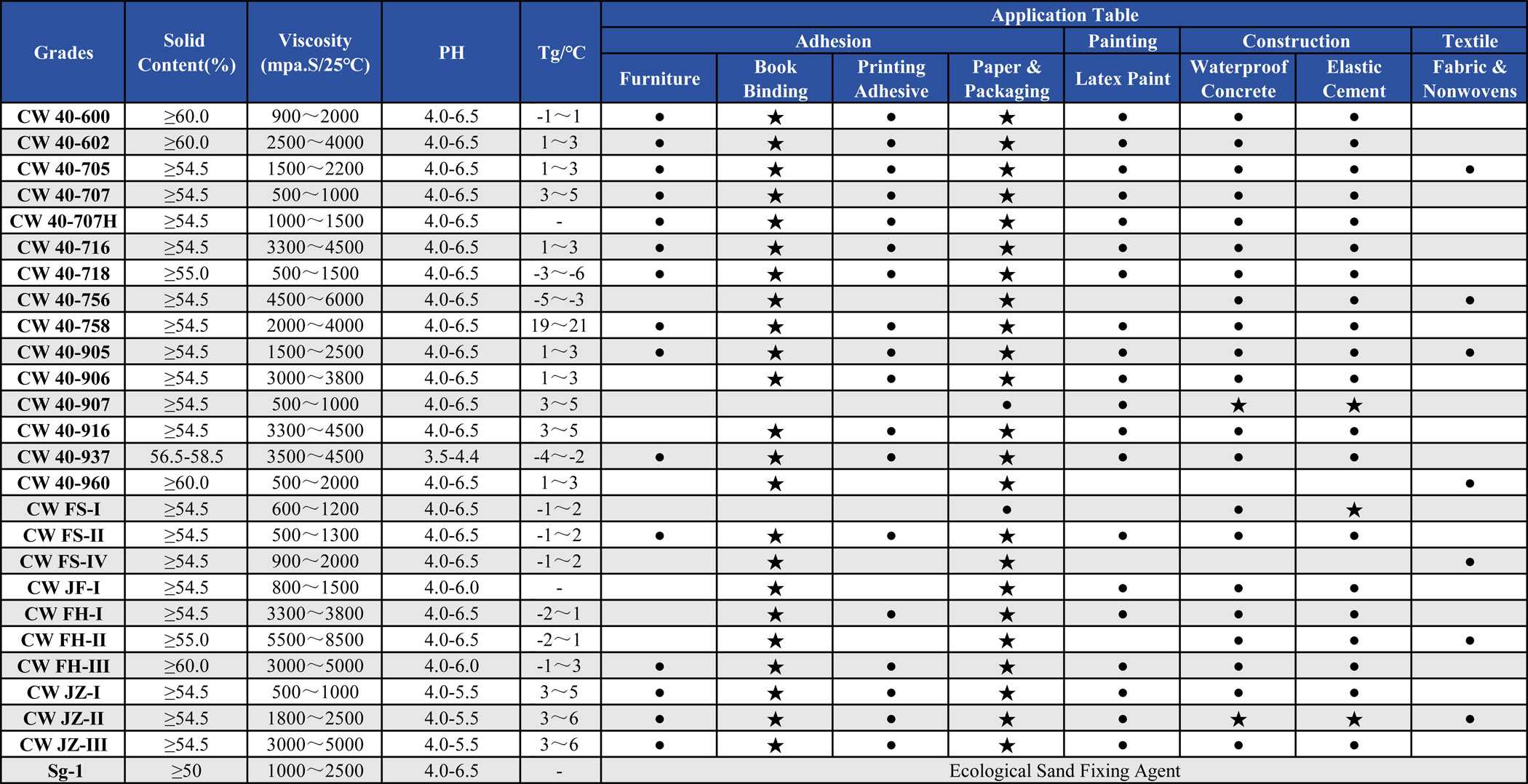
Recommended: ★ ; Useful: ●
Website: www.elephchem.com
Whatsapp: (+)86 13851435272
E-mail: admin@elephchem.com
ElephChem Holding Limited, professional market expert in Polyvinyl Alcohol(PVA) and Vinyl Acetate–ethylene Copolymer Emulsion(VAE) with strong recognition and excellent plant facilities of international standards.
I. Introduction
One of the most important parameters and starting points for the development of epoxy resin formulations is the epoxy resin curing mechanism and the selection of the specific curing agent to be used. Dicyandiamide is one of the most widely used catalysts for curing one-component epoxy adhesives. This type of adhesive has a long shelf life at room temperature, but offers relatively fast curing at temperatures above 150°C. Dicyandiamide cured epoxy adhesives have a wide range of uses, especially in the transportation, general assembly and electrical/electronic markets.
II. Dicyandiamide
Dicyandiamide (also known as “dicy”) is a solid latent curing agent that reacts with both the epoxy group and the secondary hydroxyl group. This curing agent is a white crystalline powder that is easily incorporated into epoxy formulations. Figure 1 is a graphical representation of the dicyandiamide molecule.
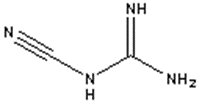
This curing agent cures through nitrogen-containing functional groups and consumes the epoxy and hydroxyl groups in the resin. The advantage of dicyandiamide is that it reacts with the epoxy resin only when heated to the activation temperature, and the reaction stops once the heat is removed. It is widely used in epoxy resins and has a long shelf life (up to 12 months). Longer shelf life can be obtained by refrigerated storage.
Due to its delayed cure (long shelf life) and excellent properties, dicyandiamide is used in many “Class B” film adhesives. Dicyandiamide is also one of the main catalysts for one-component, high-temperature curing epoxy adhesives.
In adhesive formulations, dicyandiamide is used in quantities of 5-7 pph for liquid epoxy resins and 3-4 pph for solid epoxy resins. it is generally dispersed with epoxy resins by ball milling. Dicyandiamide forms very stable mixtures with epoxy resins at room temperature because it is insoluble at low temperatures. The particle size and distribution of the epoxy-dicyandiamide system is critical for extending its shelf life. In general, the best performance is produced when the particle size of the dicyandiamide is less than 10 microns. Fumed silica is commonly used to keep the dicyandiamide particles suspended and evenly distributed in the epoxy resin. When formulated as a one-component adhesive system, epoxy dicyandiamide is stable when stored at room temperature for six months to one year. It is then cured by exposure to 145-160°C for approximately 30-60 minutes. Because of the relatively slow reaction rate at lower temperatures, the addition of 0.2% ~ 1.0% phenyl dimethylamine (BDMA) or other tertiary amine accelerators is sometimes used to reduce the cure time or lower the cure temperature. Other common accelerators are imidazole, substituted urea and modified aromatic amines. Substituted dicyandiamide derivatives can also be used as epoxy curing agents with higher solubility and lower activation temperatures. These techniques can reduce the activation temperature of epoxy-dicyandiamide mixtures to 125°C. Dicyandiamide-cured epoxy resins have good physical properties, heat and chemical resistance. Liquid epoxy cured with 6 pph dicyandiamide has a glass transition temperature of about 120°C, while high temperature curing with aliphatic amines will provide a glass transition temperature of no greater than 85°C.
III. One-component adhesive formulations
In one-component epoxy adhesives, the curing agent and resin are compounded together as a single material through an adhesive formulation. The curing agent system is selected so that it reacts with the resin only under appropriate processing conditions. Dicyandiamide-cured epoxy resins are very brittle. Through the use of toughening agents, such as terminated carboxybutyronitrile (CTBN), it is possible to formulate very elastic and tough adhesives without sacrificing the good properties inherent in unmodified systems. With toughened dicyandiamide-cured epoxies, peel strengths are approximately 30 lb/in and tensile shear strengths are in the range of 3000-4500 psi. Toughened dicyandiamide-cured epoxy adhesives also exhibit good resistance to heat cycling. The most effective accelerators for dicyandiamide systems are probably substituted ureas because of their synergistic effect on the performance of the adhesive and their exceptionally good latent delay. It has been shown that the addition of 10 pph of substituted urea to 10 pph of dicyandiamide will produce a bisphenol- a (DGEBA) epoxy liquid diglycidyl ester binder system that cures in only 90 min at 110 °C. However, this adhesive has a shelf life of three to six weeks at room temperature. If longer curing times are acceptable, curing can even be achieved at temperatures as low as 85°C.
A dielectric is any insulating medium between two conductors. Simply put, it is non-conductive material. Dielectric materials are used to make capacitors, to provide an insulating barrier between two conductors (e.g., in crossover and multilayer circuits), and to encapsulate circuits.
Dielectric Properties
Epoxy resin usually has the following four dielectric properties:VR, Dk, Df and dielectric strength.
- Volume resistivity (VR): It is defined as the resistance measured through the material when a voltage is applied for a specific period of time. According to ASTM D257, for insulation products, it is usually greater than or equal to 0.1 tera ohm-meter at 25°C and greater than or equal to 1.0 mega ohm-meter at 125°C.
- Dielectric constant (Dk): it is defined as the ability of the material to store charge when used as a capacitor dielectric. According to ASTM D150, it is usually less than or equal to 6.0 at 1KHz and 1MHz, and is a dimensionless value because it is measured as a ratio.
- The dissipation factor (Df) (also known as the loss factor or dielectric loss): defined as the power dissipated by the medium, usually less than or equal to 0.03 at 1KHz, less than or equal to 0.05 at 1MHz.
- Dielectric strength (sometimes called breakdown voltage): is the maximum electric field that the material can withstand before breakdown. This is an important characteristic for many applications that require running high currents or amperages. As a general rule of thumb, the dielectric strength of epoxy resins is about 500 volts per mil at 23°C for insulating products. As a practical example, if an electronic circuit needs to resist 1000 volts, a minimum of 2 mils of dielectric epoxy is required.
Volume resistivity, dielectric constant, and dissipation factor can be determined experimentally by the adhesive manufacturer; however, dielectric strength depends on the application. Users of epoxy resins should always verify the dielectric strength of the adhesive for their particular application.
Variability of dielectric properties
Many dielectric properties will vary with factors unrelated to the properties of the host material, such as: temperature, frequency, sample size, sample thickness and time. Some external factors and how they affect the final results.
- VR and Temperature
As the temperature of the material increases, the VR decreases. In other words, it is no longer an insulator. The main reason for this is that the material is above its glass transition temperature (Tg) and the molecular motion of the monomers entangled in the polymer network is at its highest level. This not only means lower insulation compared to room temperature, but also leads to lower strength and sealing.
- Dk and temperature
The dielectric constant of room temperature cured epoxy resins increases with temperature. For example, the value is 3.49 at 25°C, becomes 4.55 at 100°C, and 5.8 at 150°C. In general, the higher the value of Dk, the less electrically insulating the material is.
- Dk and frequency (Rf)
In general, Dk decreases with increasing frequency. As described in the effect of temperature on Dk, room temperature cured epoxy resin has a Dk value of 3.49 at 60Hz, a Dk value of 3.25 at 1KHz and a Dk value of 3.33 at 1MHz.
In other words, as Rf increases, the insulating properties of the adhesive increase. Therefore, the lower the Dk value, the more the material acts like an insulator.
Common Applications
Dielectric adhesives are used in most semiconductor and electronic packaging applications. Some examples include: semiconductor flip chip underfill, SMD placement on PCBs and substrates, wafer passivation, spherical tops for ICs, copper ring dipping and general PCB potting and encapsulation. All of these areas require maximum insulation to eliminate and prevent any electrical shorts.
Insulation Products
Epoxy Technologies offers a wide range of products for dielectric applications that have structural, optical and thermal properties as well as good dielectric properties. All dielectric products are electrical insulators, but many are also heat conductors.
In the front-end-of-line (FEOL) processes of semiconductor manufacturing, wafers undergo various processing steps, particularly being heated to a specific temperature with strict requirements, as temperature uniformity has a crucial impact on product yield. Additionally, semiconductor equipment must operate in environments where vacuum, plasma, and chemical gases are present, which necessitates the use of ceramic heaters. Ceramic heaters are critical components in semiconductor thin-film deposition equipment, applied in process chambers where they directly contact the wafer, providing stable and uniform process temperatures and enabling high-precision reactions on the wafer surface to form thin films.

Ceramic heaters, due to their involvement with high temperatures, typically use ceramic materials based primarily on aluminum nitride (AlN). This is because aluminum nitride has electrical insulating properties and is an excellent thermal conductivity ceramic material. Additionally, its coefficient of thermal expansion is close to that of silicon, and it possesses excellent plasma resistance, making it highly suitable for use as a component in semiconductor equipment.
Basic structure of the heater
The ceramic heater consists of a ceramic base that supports the wafer and a cylindrical support body on the back that provides support. Inside or on the surface of the ceramic base, there are not only heating elements (heating layer) for heating, but also RF electrodes (RF layer). To achieve rapid heating and cooling, the thickness of the ceramic base needs to be thin, but making it too thin would reduce its rigidity. The support body of the heater is typically made of a material with a coefficient of thermal expansion similar to that of the base, which is why the support body is often made of aluminum nitride. The heater adopts a unique shaft structure to join the bottom, which protects the terminals and wires from the effects of plasma and corrosive chemical gases. The support body is equipped with gas inlet and outlet channels for thermal conduction, ensuring uniform temperature distribution across the heater. The base and the support body are chemically bonded together with a bonding layer.

The ceramic heater base contains embedded resistive heating elements. These elements are formed by using a screen-printing method with conductor paste (such as tungsten, molybdenum, or tantalum) to create spiral or concentric circular circuit patterns. Alternatively, metal wires, metal meshes, or metal foils can also be used. In the screen-printing process, two ceramic plates with the same shape are prepared, and conductor paste is applied to the surface of one of them. The paste is then sintered to form the resistive heating element. The second ceramic plate is then used to sandwich the resistive heating element, completing the process of embedding the resistive element within the base.
When preparing thin films using Plasma-Enhanced Chemical Vapor Deposition (PECVD) equipment, the main factors affecting film uniformity and thickness are the plasma characteristics and process temperature. First, the density and distribution of the plasma directly affect the uniformity of the film and the deposition rate. A uniformly distributed plasma ensures that the reactive gases fully react on the substrate surface, forming a uniform film. The uniformity of the plasma distribution is closely related to the RF Mesh embedded in the heater. Secondly, a specific process temperature ensures excellent thermal uniformity. The ceramic heater ensures that the wafer surface temperature fluctuates within ±1.0%. For example, heaters produced by NGK Insulator in Japan have a temperature fluctuation of less than 0.1%, which is considered an excellent performance indicator.

When manufacturing ceramic heaters, there are also requirements for high purity of aluminum nitride (AlN) materials. Slight changes in composition can alter the color of the heater under certain conditions, and may also change the electrical properties of the heater. Naturally, this also affects the characteristics of the coupled plasma. In addition, the density, thermal conductivity, and bulk resistivity of the aluminum nitride material all influence the performance of the heater.
Literature indicates that the bulk resistivity of the heater at 500°C needs to be within the range of 5.0E+9 to 1.0E+10 Ω·cm, and at temperatures between 600°C and 700°C, the bulk resistivity should be within the range of 1.0E+8 to 1.0E+9 Ω·cm. The bulk resistivity of typical aluminum nitride ceramic heaters tends to decrease rapidly starting from 500°C, which can lead to leakage current.
According to a market research report, the global market size for aluminum nitride ceramic heaters for semiconductors was $33 million in 2022, and it is expected to reach $78.53 million by 2031, with a compound annual growth rate (CAGR) of 10% during the forecast period. Major manufacturers of aluminum nitride ceramic heaters for semiconductors include NGK Insulator, MiCo Ceramics, Boboo Hi-Tech, AMAT, Sumitomo Electric, CoorsTek, Semixicon LLC, and others. In 2023, the top five companies accounted for approximately 91.0% of the market share. In terms of product types, 8-inch heaters currently dominate the market, accounting for about 45.9% of the share. In terms of application, chemical vapor deposition (CVD) equipment is the primary demand source, accounting for approximately 73.7% of the share.
Aluminum nitride crystals, when used as a substrate material, demonstrate unique advantages in the semiconductor manufacturing field, directly impacting the performance and reliability of final electronic devices. Below is a detailed analysis of the advantages of aluminum nitride crystals as a substrate material:

High Thermal Conductivity Ceramic Material and Heat Dissipation Performance:
Aluminum nitride has extremely high thermal conductivity, making it an ideal choice for heat dissipation. In high-temperature operating environments, its high thermal conductivity can quickly transfer heat away from the device, effectively reducing operating temperatures. This is crucial for high-power electronic devices such as high-frequency power amplifiers and lasers, significantly improving their stability and lifespan.
Lattice Matching and Low Defect Growth:
The lattice constants and thermal expansion coefficients of AlN are closely matched with those of III-nitride materials (such as GaN), meaning that epitaxial growth on these materials can reduce lattice mismatch, which in turn minimizes dislocations and lowers defect density in the device. Dislocations are key factors affecting the performance of semiconductor devices. Reducing dislocations enhances the efficiency and reliability of devices, particularly in applications like LEDs, laser diodes, and microwave electronics.
Dielectric Properties for High-Frequency Applications:
Aluminum nitride has a low dielectric constant, making it an excellent material for high-frequency circuits by reducing signal loss during transmission. This is especially important for high-frequency communication devices and radar systems. The low dielectric constant helps improve device operating frequencies and enables more efficient signal processing.
Preferred Material for Ultraviolet Optoelectronic Devices:
With a wide bandgap of 6.2 eV, aluminum nitride has high transparency in the ultraviolet (UV) region, making it an ideal substrate for the fabrication of ultraviolet LEDs, lasers, and detectors. This property allows AlN-based devices to play a key role in applications such as UV blind detection, UV curing, sterilization, and optical communication.
High-Temperature and Chemical Stability:
Aluminum nitride crystals maintain excellent physical and chemical stability at high temperatures, allowing them to withstand extreme temperatures without undergoing structural changes. This is crucial for high-temperature electronic devices and applications that require thermal shock resistance. Furthermore, its chemical stability makes it resistant to environmental corrosion, making it suitable for use in harsh environments.
Piezoelectric Properties and Acoustic Applications:
AlN exhibits piezoelectric effects, making it an ideal material for the manufacture of surface acoustic wave (SAW) devices. These devices are widely used in filters, sensors, and wireless communication systems, utilizing their acoustic properties for high-performance signal processing.
Environmental Friendliness and Sustainability:
Compared to some traditional substrate materials, aluminum nitride is non-toxic and environmentally friendly, aligning with the growing demand for eco-friendly materials. This makes it an attractive option for sustainable technology development.
In summary, aluminum nitride crystals, as a substrate material, provide a solid foundation for the development of high-performance electronic and optoelectronic devices through their excellent heat management capabilities, compatibility with III-nitride materials, superior optical and electrical properties, and stability under extreme conditions. These advantages drive advancements in related technologies and expand their application fields.
Polyacrylamide (PAM) is a polymer commonly used in various industrial and environmental applications. It can exist in different ionic states based on the type of ions associated with the polymer backbone. The two main forms of polyacrylamide based on ionic charge are anionic polyacrylamide (APAM) and cationic polyacrylamide (CPAM). Here are the key differences between the two:
1. Ionic Charge:
- APAM: Anionic polyacrylamide carries a negative charge on its polymer backbone due to the presence of anionic functional groups, such as carboxylate (-COO-) or sulfonate (-SO3-) groups. These groups dissociate in water, resulting in negatively charged polymer chains.
- CPAM: Cationic polyacrylamide possesses a positive charge on its polymer backbone due to the presence of cationic functional groups, such as amino (-NH2) or quaternary ammonium groups (-N+(CH3)3). These groups dissociate in water, resulting in positively charged polymer chains.
2. Applications:
- APAM: Anionic polyacrylamide is primarily used in applications where flocculation, clarification, and sedimentation of negatively charged particles or suspended solids are required. It is commonly utilized in wastewater treatment, sludge dewatering, mining, and oil field applications.
- CPAM: Cationic polyacrylamide is used when flocculation and solid-liquid separation of positively charged particles or suspended solids are necessary. It is often employed in industries like papermaking, textile, water treatment, and as a retention aid in paper manufacturing.
3. Flocculation Mechanism:
- APAM: Anionic polyacrylamide interacts with the negatively charged particles or colloids in the suspension through electrostatic attraction. The negative charges on the APAM polymer chains attract and neutralize the particles, resulting in the formation of larger flocs and aiding in their sedimentation or removal.
- CPAM: Cationic polyacrylamide interacts with the positively charged particles or colloids in the suspension through electrostatic attraction. The positive charges on the CPAM polymer chains attract and neutralize the particles, leading to the formation of larger flocs and facilitating their settling or separation.
4. Efficiency in Different pH Ranges:
- APAM: Anionic polyacrylamide is more effective in neutral to alkaline pH ranges (pH 6-10), where the negative charge on the polymer remains stable.
- CPAM: Cationic polyacrylamide is more efficient in acidic to neutral pH ranges (pH 4-8), where the positive charge on the polymer remains stable.
It's important to note that there are also non-ionic polyacrylamides that carry no ionic charge. These non-ionic PAMs are often used for applications such as lubrication, friction reduction, and enhanced recovery.
——Manufactured by Yangchen Tech Factory
1. What is the chemical composition of the copolymer?
The product is a styrene-N-phenylmaleimide-maleic anhydride copolymer, which combines:
- Styrene for improved impact strength and processability.
- N-phenylmaleimide (N-PMI) for enhanced heat resistance.
- Maleic anhydride (MAH) for excellent adhesion and chemical reactivity.

2. What are the key properties of this copolymer?
- Heat Resistance: Superior thermal stability due to N-phenylmaleimide.
- Good Solubility: Facilitates easy blending with resins.
- Excellent Adhesion: Functional groups improve compatibility with substrates like ABS and PVC.
- Versatile Modifier: Ideal for heat-resistant applications in engineering plastics and adhesives.
| Test Item | Test Standards | Test Data |
| Molecular weight and distribution | GPC | Mw=12~16*104.PDI=2.0~3.0 |
| Glass transition temperature/℃ | DSC | 160~210℃(Adjustable) |
| Initial decomposition temperature/℃ | TGA | 395-405℃ |
| Density | ASTM-D792 | 1.00~1.15g/cm3 |
| Appearance | NG | Off-white powder |
3. What are the common applications?
- ABS Heat-Resistant Modifier: Enhances thermal stability and mechanical strength in ABS resins.
- PVC Modifications: Improves rigidity and thermal properties in PVC materials.
- Adhesives: Provides better bonding strength and heat resistance.
- Engineering Plastics: Acts as a key performance enhancer for polycarbonate, acrylic, and other advanced materials.
4. What industries use this product?
- Automotive manufacturing.
- Electronics and electrical applications.
- High-performance adhesives.
- Construction materials.
- Packaging solutions.
5. What are the available product specifications?
- Appearance: White or light yellow powder/granules.
- Packaging: Customizable packaging (standard: 25 kg bags).
- CAS Number: Provided upon request.
6. How does it enhance ABS resin properties?
- Improves heat distortion temperature (HDT).
- Boosts mechanical strength and dimensional stability.
- Enhances weatherability and chemical resistance.
7. Is the product customizable?
Yes, Yangchen Tech specializes in providing customized solutions to meet client-specific requirements, including tailored formulations for unique applications.
8. What are the storage and handling recommendations?
- Store in a cool, dry, and ventilated environment.
- Avoid exposure to moisture and direct sunlight.
- Use protective gear during handling to prevent inhalation of dust.
9. Does Yangchen Tech provide technical support?
Yes, we offer comprehensive technical consultation to assist in optimizing product usage for your applications.
10. How can I place an order or request samples?
You can:
- Visit our official website for inquiries and order placement.
- Contact our sales team directly for product details, pricing, and samples.
For additional information, please feel free to contact Yangchen Tech Factory. Let us assist you in finding the perfect solution for your material needs!
- Bismaleimide Series2
- Cross-Linking agent / Vulcanizing Agent1
- Curing Agent1
- Engineering Plastic Pellets4
- Epoxy Resin2
- Ethylene-VinylAlcohol Copolymer(EVOH)1
- Fish Oil1
- Food Additives3
- Glucosamine1
- Heat-resistant modifier series1
- High Assay Quaternary Ammonium Compounds9
- Low Assay Quaternary Ammonium Compounds13
- Modified Polyvinyl Alcohol1
- Monomalemide Series2
- Other Surfactants/Catalysts8
- Plastic Random Packing1
- Plastic Structured Packing1
- Polyacrylamide1
- Polyurethane Resin2
- Polyvinyl Alcohol (PVA)2
- Power Coatings3
- Quaternary Ammonium Hydroxide4
- Special Quaternary Ammonium Compounds7
- TPU4
- Tertiary Amines1
- UV Ink1
- VAE Emulsion (Vinyl Acetate–ethylene Copolymer Emulsion)1
- aluminum paste1
- antiform2
- fire sleeve2
- resin2