As a new type of thermal conductive material, thermal conductive PVA (polyvinyl alcohol) film has excellent thermal conductivity, good mechanical strength and processing performance. The preparation of thermal conductive PVA film mainly includes raw material selection, blending modification, film forming process and post-processing. Raw material selection: The main raw material of thermal conductive PVA film is polyvinyl alcohol resin, and a certain amount of thermal conductive filler, such as oxygen, needs to be added Aluminum, boron nitride, etc. The addition of these fillers can effectively improve the thermal conductivity of PVA films. Blending modification: the polyvinyl alcohol resin is mixed with the thermal conductive filler in a certain proportion, and the blending modification is carried out by high-speed stirring, ball milling and other methods. During the blending process, the filler particles are uniformly dispersed in the resin matrix to form a thermal conductivity network, thereby improving the thermal conductivity of the material. Film forming process: the blended modified slurry is made into a film by casting, calendering or extrusion processes. In the film forming process, parameters such as temperature, pressure and speed need to be controlled to ensure the thickness, uniformity and surface quality of the film. Post-treatment: Post-treatment processes such as drying and heat setting need to be carried out after film formation to eliminate the internal stress inside the film and improve dimensional stability. Website: www.elephchem.com Whatsapp: (+)86 13851435272 E-mail: admin@elephchem.com ElephChem Holding Limited, professional market expert in Polyvinyl Alcohol
EVA film is a thermosetting and sticky film, mainly used in the middle of laminated glass. It has the characteristics of high transparency, high adhesion, good durability and easy storage. High transparency allows light to penetrate better, reducing light energy loss and improving photoelectric conversion efficiency. High adhesion, able to firmly bond various materials, effectively ensuring the stability between components. Good durability, able to resist high temperature, moisture, ultraviolet rays and other environmental factors, ensuring long-term use. Easy to store, it can be stored at room temperature and is not affected by humidity and water absorption. Low melting point, easy to flow, suitable for lamination process of various glass, such as patterned glass, tempered glass, curved glass, etc. Strong sound insulation effect. Compared with PVB film, EVA film has stronger sound insulation effect, especially for high-frequency sound. Due to various excellent properties, EVA film is widely used in current components and various optical products, especially playing an important role in the packaging of solar photovoltaic modules.Solar photovoltaic module packaging, EVA film is used to fix solar cells and provide insulation protection, optical coupling, and provide moderate mechanical strength and heat conduction paths. In recent years, with the rise and development of the global photovoltaic industry, the market demand for EVA has increased year by year, which has broad market prospects. There is also great room for improvement in the domestic EVA film market. Website: www.elephchem.com Whatsapp: (+)86 13851435272 E-mail: admin@elephchem.com ElephChem Holding Limited, professional market expert in
PVA 1. Temperature rise dissolution method The temperature rise dissolution method is one of the most commonly used methods for dissolving PVA. Add PVA powder 2. Dissolution by auxiliary agent In addition to directly adding PVA to water for dissolution, the solubility and stability of PVA can also be improved by adding auxiliary agents. Common auxiliary agents include acetone, methanol, ethanol, phenol, etc. These auxiliary agents can form hydrogen bonds or other interaction forces with PVA, thereby improving solubility. The addition of auxiliary agents can also shorten the dissolution time of PVA. 3. Slow cooling and dissolution The slow cooling method is a special PVA dissolution method, which is suitable for the preparation of polymers, micro-nano particles, films, fibers and other materials. The basic principle of the slow cooling method is to add PVA powder into water, heat it to dissolve it, and then slowly cool it down to make the PVA molecules self-assemble to form nanoparticles, nanofibers or films. The slow cooling rate has an important influence on the self-assembly process of PVA. Generally speaking, the slower the slow cooling rate, the more complete the structure of the PVA self-assembly. The slow cooling method is mainly suitable for the preparation of micro-nano materials. 4. Gas phase dissolution The gas phase method is a relatively new PVA dissolution method. In this method, the PVA solid enters the atmosphere through the dissolution hopper. By controlling the temperature, pressure and atmosphere composition, the PVA solid is directly evaporated into gaseous molecules, and then transported to other equipment through a transmission pipe for reaction or solidification to form a corresponding block. Unlike the traditional dissolution method, the gas phase method can prevent the PVA molecules from being affected by water decomposition, thereby maintaining the integrity and quality of the material. Website: www.elephchem.com Whatsapp: (+)86 13851435272 E-mail: admin@elephchem.com ElephChem Holding Limited, professional market expert in Polyvinyl Alcohol
PVB Safety glass produced using all-resin PVB film has superior optical properties, higher light transmittance and lower haze, making the finished glass more transparent. For example, if multiple layers of PVB are used to make laminated glass, the advantages of all-resin PVB will be It will be more obvious. Secondly, the yellowing value of the film is very low and the film is whiter, so that the finished glass will not turn yellow and is suitable for ultra-white laminated glass. The all-resin film is more durable and can withstand the sun and rain. It will not cause degumming, bubbles, aging and other undesirable phenomena after long-term use. PVB interlayer film is widely used in construction, automobile, photovoltaic and other industries. PVB interlayer films produced with special formulas are also widely used in aerospace, military and high-tech industries, such as aircraft, aerospace products, military instruments, solar cells and solar receivers. It is currently the best adhesive material for manufacturing laminated and safety glass in the world. It is also widely used in construction fields such as building curtain walls, tents, showcases, bank counters, prison viewing windows, steel furnace screens and various bulletproof glass. Website: www.elephchem.com Whatsapp: (+)86 13851435272 E-mail: admin@elephchem.com ElephChem Holding Limited, professional market expert in
Anionic and cationic polyacrylamide are two types of polyacrylamide polymers with different charge properties. Here are the main differences between them:
1. Charge properties: The key distinction lies in their charge characteristics. Anionic polyacrylamide has a negative charge due to the presence of anionic groups (such as carboxylate or sulfate groups), while cationic polyacrylamide has a positive charge resulting from cationic groups (such as amino or quaternary ammonium groups).
2. Applications: The specific charge properties of each type make them suitable for different applications. Anionic polyacrylamide is commonly used as a flocculant in processes like wastewater treatment, mining, and papermaking. It helps in the settling of suspended particles by neutralizing the charges and forming larger flocs. Cationic polyacrylamide, on the other hand, is often employed as a coagulant in water treatment, where it destabilizes the negatively charged particles and allows them to clump together for easier removal.
3. Compatibility: Anionic polyacrylamide is compatible with other anionic substances and has good performance when used alongside other anionic flocculants. It maintains its charge stability and effectiveness in the presence of anions. Conversely, cationic polyacrylamide works well with cationic substances and performs optimally under cationic conditions.
4. Environmental considerations: The choice between anionic and cationic polyacrylamide may also depend on environmental considerations. In some cases, anionic polyacrylamide may have a lower environmental impact because the negatively charged flocs formed have reduced potential toxicity to aquatic organisms. However, both types should be used with caution and according to environmental regulations.
5. Handling considerations: Due to their opposite charges, anionic and cationic polyacrylamide should be stored and handled separately to avoid undesired reactions or neutralization of their charged properties. Proper labeling and safe storage practices should be followed.
It's important to note that anionic and cationic polyacrylamide are just two of the many variants of polyacrylamide available, each with specific properties suitable for applications.
Automotive parts: PA6 is also known as nylon 6, polyamide 6. It is often used for making engine covers, air intake manifolds, fuel tank components, door handles, and other interior and exterior parts of cars, trucks, and buses. PA6 can withstand high temperatures and pressure, as well as vibration and impact, without losing its strength or dimensional stability. PA6 can also reduce weight and noise compared to metal or thermoset counterparts.
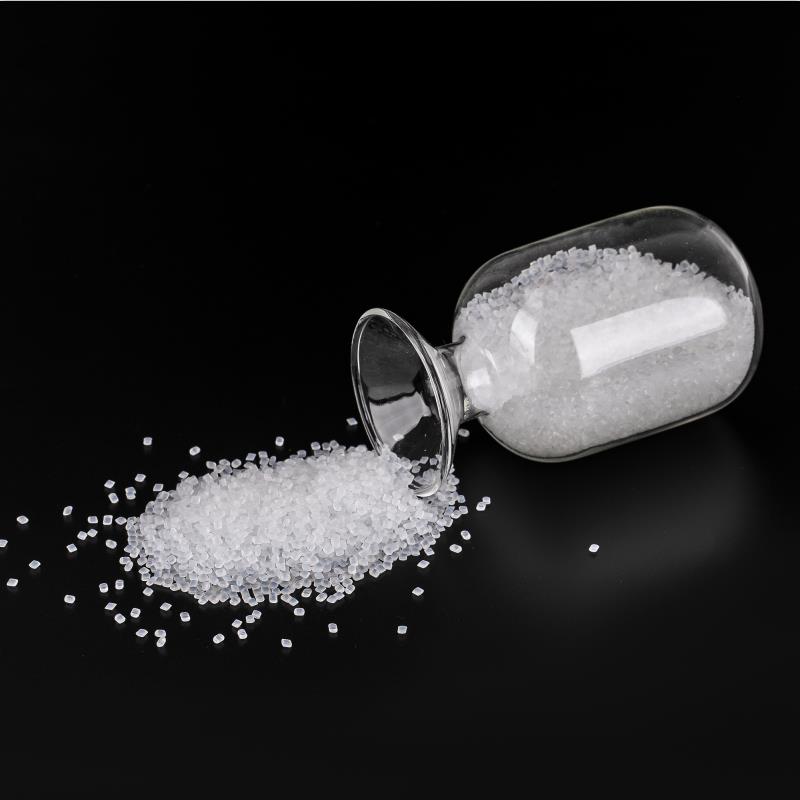
Consumer goods: PA6 is found in many everyday items, such as toothbrushes, hair brushes, razors, kitchen utensils, sports equipment, and electronic devices. PA6 can provide a smooth surface, good grip, and resistance to chemicals and wear, ensuring a long-lasting and comfortable use. Nylon 6 Pellets can also be colored or textured to suit different designs and preferences.
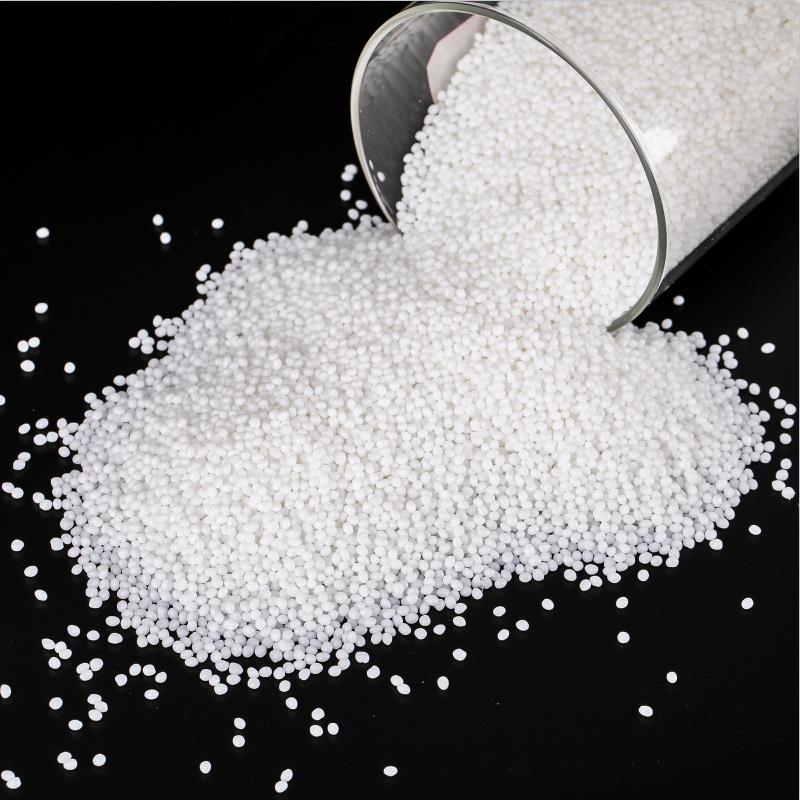
Industrial components: PA6 is a common material for making gears, bearings, rollers, conveyor belts, pipes, valves, and other machinery parts. PA6 can offer low friction, low noise, and high load capacity, as well as resistance to oils, greases, and acids. Polyamide 6 chips can also tolerate high-speed and high-precision operations, potentially replacing metal or ceramic materials that are heavier and costlier.
Polyamide 6, also known as Nylon 6, is a versatile thermoplastic material widely used in industries ranging from automotive and electronics to textiles and consumer goods. But what exactly are the raw materials that go into making Polyamide 6, and why is it such a popular choice? Understanding the raw material composition of Polyamide 6 can shed light on its exceptional performance characteristics, such as high strength, durability, and resistance to wear and heat.
The Primary Raw Material: Caprolactam
The production of Polyamide 6 begins with caprolactam, a cyclic amide that serves as the core raw material. Caprolactam undergoes a polymerization process, where the individual molecules link together to form long polymer chains, creating the synthetic polymer known as Polyamide 6. Once polymerized, the resulting product can be processed into various forms, such as polyamide 6 resin, polyamide 6 granules, or polyamide 6 pellets, depending on the intended application.
Polyamide 6 Resin, Granules, and Pellets
The transformation of caprolactam into Polyamide 6 involves several steps, and the final material is usually processed into polyamide 6 pellets, polyamide 6 granules, or polyamide 6 resin. These forms are the building blocks for manufacturing a wide range of products.
- Polyamide 6 resin is typically the raw, unprocessed material that is used to create granules or pellets. It can be further modified or blended with additives depending on specific performance requirements.
- Polyamide 6 granules are slightly larger than pellets and are often used in applications where a uniform, controlled melting process is essential for optimal performance.
- Polyamide 6 pellets are smaller, uniform granules that are easy to transport and handle, making them the most commonly used form for injection molding and extrusion processes.
The specific form used will depend on the application, but all three types—pellets, granules, and resin—are integral to creating the high-performance components Polyamide 6 is known for.

Why Polyamide 6 Is a Preferred Choice
Polyamide 6 is chosen for its excellent combination of properties, such as high tensile strength, resistance to abrasion, and thermal stability. It is used in automotive parts, electrical components, and textiles because it offers a high degree of flexibility, chemical resistance, and dimensional stability. The versatility of Polyamide 6 makes it a go-to material for manufacturers looking to produce durable, high-quality products.
Bravo-Han Engineering Plastic Pellets: High Quality and Exceptional Service
When it comes to sourcing polyamide 6 pellets for your manufacturing needs, Bravo-Han Engineering Plastic Pellets stands out as a reliable supplier. We pride ourselves not only on the high quality of our polyamide 6 resin and pellets but also on our exceptional customer service.
Our polyamide 6 granules are produced to meet the highest standards, ensuring consistency and performance across every batch. With Bravo-Han, you can expect fast delivery times, customized solutions to meet your specific requirements, and excellent technical support from our team of experts. Whether you are in need of polyamide 6 pellets for automotive, electronics, or industrial applications, Bravo-Han provides the materials you need, backed by unparalleled service.
In summary, the raw materials of Polyamide 6, such as caprolactam, are carefully transformed into polyamide 6 resin, polyamide 6 granules, and polyamide 6 pellets through a complex and precise process. By choosing Bravo-Han Engineering Plastic Pellets, you not only receive premium materials but also benefit from our customer-centric approach that ensures your success. Reach out today to see how we can support your next project!
Polyacrylamide (PAM) can be prepared via different methods, depending on the desired application and the desired properties of the polymer. Here are two common methods for the preparation of polyacrylamide:
1. Free Radical Polymerization:
- Monomer Selection: Acrylamide (CH2=CHCONH2) is typically used as the main monomer for polyacrylamide synthesis.
- Initiator Selection: Free radical initiators, such as ammonium persulfate (APS) or potassium persulfate (KPS), are commonly used to initiate the polymerization reaction.
- Crosslinking Agent (Optional): If a crosslinked polyacrylamide hydrogel is desired, a crosslinking agent such as N,N'-methylenebisacrylamide (BIS) can be added to the monomer solution in a controlled amount.
- Polymerization Process: Typically, the monomer, initiator, and crosslinking agent (if applicable) are dissolved in an appropriate solvent, such as water, and then subjected to polymerization. This can be done by heating the solution under controlled conditions or by using a suitable catalyst.
- Purification and Drying: After the polymerization is complete, the resulting polyacrylamide can be purified and dried to obtain the final product.
2. Solution Polymerization:
- Monomer Dissolution: Acrylamide monomer is dissolved in a suitable solvent, such as water, to form a monomer solution.
- Initiator Addition: An initiator, such as APS or KPS, is added to the monomer solution.
- Polymerization Process: The monomer solution is then heated under controlled conditions to initiate the polymerization reaction. This typically involves maintaining the temperature at a specific range for a certain duration.
- Purification and Drying: The resulting polyacrylamide solution is often subjected to purification steps, such as filtration or precipitation, to remove impurities. Finally, the purified polyacrylamide can be dried to obtain the desired product.
Both of these methods can be used to prepare linear or crosslinked polyacrylamide depending on the specific requirements of the application. It is important to note that handling acrylamide and its monomers should be done with caution, as it is a toxic compound. Proper safety measures and guidelines must be followed during the process.
In today's fast-paced industrial landscape, the demand for advanced materials that offer superior performance and durability is ever-growing. Plastics, particularly in sectors such as automotive, electronics, and construction, are expected to meet stringent stability, heat resistance, and processing requirements. One such solution that stands out is the Styrene-NPMI-MAH Copolymer manufactured by Yangchen Tech, a cutting-edge material known for its exceptional performance as a heat-resistant modifier for ABS (Acrylonitrile Butadiene Styrene) and PVC (Polyvinyl Chloride) plastics.
In this blog, we’ll delve into the unique properties and benefits of Styrene-NPMI-MAH Copolymer and explore how it contributes to enhancing the stability and performance of plastics.

Basic Infomation of Styrene-NPMI-MAH Copolymer manufactured by Yangchen Tech
| Test Item | Test Standards | Test Data |
| Molecular weight and distribution | GPC | Mw=12~16*104.PDI=2.0~3.0 |
| Glass transition temperature/℃ | DSC | 160~210℃(Adjustable) |
| Initial decomposition temperature/℃ | TGA | 395-405℃ |
| Density | ASTM-D792 | 1.00~1.15g/cm3 |
| Appearance | NG | Off-white powder |
1. Exceptional Heat Resistance
Plastics, especially ABS, are widely used in industries where mechanical performance and heat resistance are crucial. However, standard ABS has limitations when it comes to high-temperature applications. The introduction of Styrene-NPMI-MAH Copolymer as a heat-resistant modifier effectively addresses this issue. The maleic anhydride (MAH) and N-phenylmaleimide (NPMI) components contribute to the copolymer's superior thermal stability, allowing modified ABS to maintain its mechanical properties even at elevated temperatures. This enhanced heat resistance makes it ideal for applications such as automotive parts, electrical enclosures, and household appliances.
2. Improved Adhesion and Compatibility
One of the standout features of the Styrene-NPMI-MAH Copolymer is its ability to improve compatibility between different polymer matrices. The maleic anhydride groups present in the copolymer exhibit excellent adhesion properties, making it suitable for blending with other plastics like PVC and even elastomers. This compatibility leads to improved interfacial adhesion, which is critical in composite materials where different polymers are combined to achieve a desired balance of properties. The result is a more robust, cohesive material with enhanced mechanical stability.
3. Enhanced Chemical Resistance
In industries where plastics are exposed to harsh chemicals or environmental stressors, chemical resistance is a critical factor. The Styrene-NPMI-MAH Copolymer contributes to improved resistance against chemicals and solvents, ensuring that the modified plastic retains its integrity and performance over time. This feature is particularly beneficial for applications in chemical processing plants, automotive fuel systems, and construction materials where long-term exposure to chemicals can degrade standard plastic materials.
4. Superior Mechanical Strength
In addition to heat and chemical resistance, the Styrene-NPMI-MAH Copolymer enhances the mechanical properties of plastics. It improves the tensile strength, impact resistance, and dimensional stability of modified ABS and PVC, making them suitable for applications where durability and structural integrity are paramount. Products made from these modified plastics can withstand mechanical stresses without compromising performance, which is especially important in high-impact applications such as automotive components and industrial equipment.
5. Versatile Applications
Thanks to its multifunctional properties, Styrene-NPMI-MAH Copolymer finds applications across a wide range of industries. Some key areas include:
- Automotive: Used in parts that require heat resistance and mechanical strength, such as under-the-hood components and interior fittings.
- Electronics: Ideal for electronic housings that need high thermal stability and chemical resistance.
- Construction: Applied in durable building materials, where both heat resistance and long-term stability are critical.
- Appliances: Utilized in manufacturing household appliances that face thermal cycling and mechanical wear.
As industries continue to demand more durable, heat-resistant, and chemically stable materials, the Styrene-NPMI-MAH Copolymer stands out as a premium solution. Its ability to enhance the thermal, chemical, and mechanical properties of plastics such as ABS and PVC makes it an indispensable material in numerous applications. From automotive parts to electronics and construction, this copolymer significantly improves plastic stability, ensuring products that are not only longer-lasting but also capable of withstanding demanding conditions.
If you're looking to enhance the performance of your plastic products, consider the advanced properties of Styrene-NPMI-MAH Copolymer manufactured by Yangchen Tech for unmatched stability and reliability.
Styrene-N-Phenylmaleimide-Maleic anhydride copolymer (SMA) manufactured by Yangcen Tech is a versatile material used as a heat-resistant modifier to enhance the performance of various plastics. Here are some of its key applications:

Basic Physical Properties
|
N-phenylmaleimide terpolymer (NSM 1 #) |
||
|
Test Item |
Test Standard |
Test Data |
|
Molecular weight and distribution |
GPC |
Mw=60-110K,Pd=2.3-2.9 |
|
Glass transition temperature/℃ |
DSC |
197.3-198.2℃ |
|
Initial decomposition temperature/℃ |
TGA |
395-405℃ |
|
Density |
ASTM-D792 |
1.18-1.30g/cm3 |
|
Apparent |
—— |
white or light yellow powders |
NSM Heat Resistant Agent Modification Data
|
Component composites |
Vicat softening temperature/℃ (Yangchen Tech's Products ) |
Vicat softening temperature/℃ ( JAPAN Products) |
|
NSM/ABS=0:100 |
103.7 |
103.7 |
|
NSM/ABS =10:90 |
111.3 |
111.5 |
|
NSM/ABS =20:80 |
118.5 |
116.9 |
|
NSM/ABS =30:70 |
126.2 |
125.3 |
1. Improvement of Thermal Stability:
- Enhanced Heat Resistance: SMA copolymers significantly improve the heat resistance of plastics like ABS (Acrylonitrile Butadiene Styrene) and polystyrene. This makes the modified plastics suitable for applications requiring higher operating temperatures without deforming or losing mechanical properties.
- Reduced Thermal Degradation: The copolymer structure, especially the phenylmaleimide component, enhances the material's resistance to thermal oxidation, reducing degradation under high temperatures.
2. Mechanical Property Enhancement:
- Increased Rigidity: SMA copolymers improve the stiffness and rigidity of plastic materials, making them suitable for applications where dimensional stability is crucial under heat.
- Enhanced Surface Hardness: The addition of SMA copolymer can lead to better surface hardness, making the plastic more resistant to scratches and wear, which is important for applications like automotive parts and electronic housings.
3. Improved Processability:
- Better Flow Properties: The copolymer can improve the melt flow characteristics of plastics, which is beneficial during the injection molding process. This leads to better mold filling, reduced cycle times, and improved surface finish of the final product.
- Compatibility with Other Polymers: SMA copolymers are compatible with a wide range of other polymers, allowing for the modification of various plastic blends without negatively affecting their processability.
4. Flame Retardancy:
- Improved Flame Resistance: The copolymer enhances the flame retardancy of plastics, making them more suitable for use in electrical and electronic applications, automotive interiors, and other environments where fire safety is a concern.
5. Chemical Resistance:
- Enhanced Resistance to Chemicals: Plastics modified with SMA copolymer exhibit better resistance to chemicals such as acids, alkalis, and solvents. This makes them more suitable for use in harsh chemical environments or in applications like chemical storage containers.
6. Applications in Automotive Industry:
- Under-the-Hood Components: SMA-modified plastics are used in automotive parts that are exposed to high temperatures, such as under-the-hood components, where they provide the necessary thermal stability and mechanical strength.
- Interior and Exterior Parts: The copolymer's ability to improve surface hardness and thermal stability makes it ideal for automotive interior and exterior applications, such as dashboards, panels, and trims.
7. Applications in Electronics:
- Electronic Housings: The enhanced heat resistance and mechanical properties of SMA-modified plastics make them suitable for use in electronic housings, where they protect sensitive components from heat and mechanical stress.
- Connectors and Sockets: The improved thermal stability and rigidity are beneficial in the production of connectors, sockets, and other electronic components that must maintain their performance under elevated temperatures.
Styrene-N-Phenylmaleimide-Maleic anhydride copolymer manufactured by Yangchen Tech is an effective heat-resistant modifier that enhances the performance of plastics in demanding applications across various industries. Welcome Inquiry!
- Bismaleimide Series2
- Cross-Linking agent / Vulcanizing Agent1
- Curing Agent1
- Engineering Plastic Pellets4
- Epoxy Resin2
- Ethylene-VinylAlcohol Copolymer(EVOH)1
- Fish Oil1
- Food Additives3
- Glucosamine1
- Heat-resistant modifier series1
- High Assay Quaternary Ammonium Compounds9
- Low Assay Quaternary Ammonium Compounds13
- Modified Polyvinyl Alcohol1
- Monomalemide Series2
- Other Surfactants/Catalysts8
- Plastic Random Packing1
- Plastic Structured Packing1
- Polyacrylamide1
- Polyurethane Resin2
- Polyvinyl Alcohol (PVA)2
- Power Coatings3
- Quaternary Ammonium Hydroxide4
- Special Quaternary Ammonium Compounds7
- TPU4
- Tertiary Amines1
- UV Ink1
- VAE Emulsion (Vinyl Acetate–ethylene Copolymer Emulsion)1
- aluminum paste1
- antiform2
- fire sleeve2
- resin2