When it comes to plastic structured packing, one component stands out for its remarkable efficiency and versatility: the honeycomb shape plastic support block. These small yet powerful blocks play a crucial role in enhancing the performance and durability of structured packing systems. Whether you are a seasoned enthusiast or just starting your journey into plastic structured packing, this post is here to guide you through some invaluable tips and tricks for making the most of honeycomb shape support blocks.
1. Understand the Purpose
Before diving into the tips and tricks, let’s first understand the purpose of honeycomb shape support blocks. These blocks act as a vital support structure, providing stability and maintaining the shape of the structured packing layers, ensuring even distribution of gas and liquid flow. By preventing excessive movement or compression of the packing layers, they optimize efficiency and minimize pressure drop.
2. Choose the Right Material
Selecting the appropriate material for your honeycomb shape support blocks is fundamental. Different applications require specific characteristics like chemical resistance, temperature resistance, and mechanical strength. Common materials include polypropylene (PP), polyethylene (PE), and polyvinyl chloride (PVC). Assess your requirements and consult with experts or suppliers to find the perfect match.
3. Optimize Block Density
The density of the honeycomb shape support blocks plays a vital role in overall system performance. Higher block density provides enhanced stability and prevents deformation of the packing layers. However, denser blocks can also increase pressure drop. Finding the right balance depends on factors such as tower size, column pressure, and flow rates. Experimentation and careful observation will help you strike the optimal density for your system.
4. Ensure Proper Block Orientation
When placing honeycomb shape support blocks, pay attention to their orientation. Proper orientation ensures that the blocks provide maximum support and promote optimal liquid and gas distribution. Align the blocks vertically, with the opening facing downwards to allow for efficient flow through the structured packing layers. This ensures even distribution, avoiding preferential flow paths and channeling.
5. Achieve Uniformity in Block Distribution
Uniform distribution of honeycomb shape support blocks is vital for achieving consistent and efficient performance. Avoid clumping or placing too many blocks in one area, as this can lead to uneven flow distribution and decreased efficiency. Distribute the blocks evenly throughout the column to ensure balance, prevent dead zones, and maintain uniform liquid and gas contact.
6. Regular Maintenance and Cleaning
To prolong the lifespan and efficiency of your honeycomb shape support blocks, regular maintenance is essential. Periodically inspect the blocks for any signs of damage, wear, or blockage. Clean them thoroughly using suitable chemicals or solvents, following the manufacturer’s instructions. Proper maintenance will not only optimize performance but also reduce the possibility of contamination and clogging.
7. Evaluate Performance and Adjust
Structured packing systems are highly customizable, and optimizing their performance involves trial and error. Monitor and evaluate the performance of your system regularly, assessing factors such as pressure drop, separation efficiency, and liquid holdup. If necessary, make adjustments to parameters like block density, orientation, and distribution to achieve the desired outcome.
By following these tips and tricks, you can unlock the true potential of honeycomb shape plastic support blocks in your structured packing system. Remember, each system is unique, so it’s important to experiment and fine-tune based on your specific requirements. Embrace the versatility of honeycomb shape support blocks and enjoy the enhanced efficiency and performance they bring to your plastic structured packing adventures!
Dcover the Versatility of Polyethylene (PE) Foam Tape
What is Polyethylene (PE) Foam Tape?
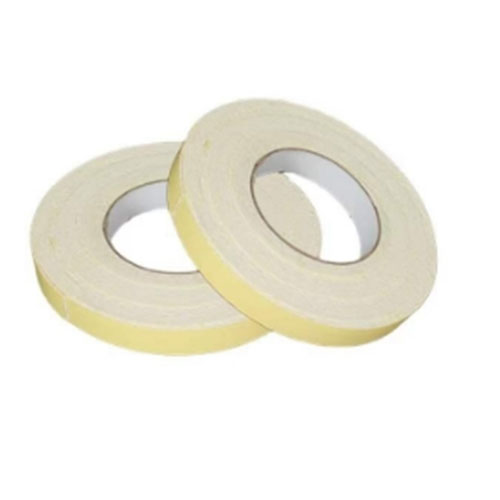
Polyethylene (PE) Foam Tape is a durable and flexible adhesive tape made from closed-cell polyethylene foam. It offers excellent cushioning, insulation, and sealing properties, making it ideal for a wide range of applications in various industries.
Key Benefits of PE Foam Tape
- Excellent Adhesion: The strong adhesive ensures a secure bond on various surfaces, including metal, plastic, and glass.
- Weather Resistance: PE Foam Tape is resistant to moisture, UV rays, and extreme temperatures, making it suitable for both indoor and outdoor use.
- Sound and Vibration Dampening: Its cushioning properties help reduce noise and vibration, enhancing comfort in applications like automotive and construction.
- Easy to Cut and Apply: The tape can be easily cut to desired lengths and applied without the need for special tools.
Applications of PE Foam Tape
- Automotive Industry: Used for bonding trim, weather stripping, and soundproofing.
- Construction: Ideal for sealing windows, doors, and insulating panels.
- Electronics: Provides cushioning and protection for delicate components.
- General Manufacturing: Perfect for packaging and assembly processes.
Why Choose Our PE Foam Tape?
Our PE Foam Tape is manufactured to the highest standards, ensuring quality and reliability. Whether you need a small roll for a DIY project or bulk quantities for industrial use, we have the right solution for you. Additionally, our double sided foam tape provides an extra layer of versatility, making it perfect for applications requiring double-sided adhesion.
Polyethylene (PE) Foam Tape is a versatile solution for many applications, providing durability, flexibility, and ease of use. Explore our range of PE Foam Tape today and discover how it can enhance your projects!
A Versatile Solution for All Your Adhesive Needs
In today's industrial and home applications, choosing the right adhesive is crucial. Acrylic foam tape is a highly reliable choice, widely favored for its excellent performance and versatility.
What is Acrylic Foam Tape?
Acrylic Foam Tape is a double-sided tape made from acrylic foam material, known for its superior bonding capabilities. Its thickness and flexibility make it suitable for various surfaces, providing outstanding adhesion on smooth metals, plastics, and rough wood.
Key Advantages
-
Strong Adhesion: Acrylic foam tape maintains its bonding performance under extreme temperatures and humidity, suitable for both indoor and outdoor environments. This makes it a great option for high strength acrylic tape applications.
-
Weather Resistance: This tape boasts excellent UV and chemical resistance, ensuring it won't degrade in various conditions.
-
Shock and Sound Absorption: The foam structure effectively absorbs vibrations and sound, making it ideal for applications in the automotive and construction industries.
-
Easy to Use: No specialized tools are required; simply peel and apply for quick and convenient use.
Applications
Acrylic Foam Tape is widely used in multiple industries, including:
- Automotive: For sealing and bonding windows, doors, and other components.
- Construction: Used in the installation and insulation of walls and windows.
- Electronics: For securing and insulating components, ensuring circuit stability.
- Home Goods: Ideal for wall decoration and furniture bonding.
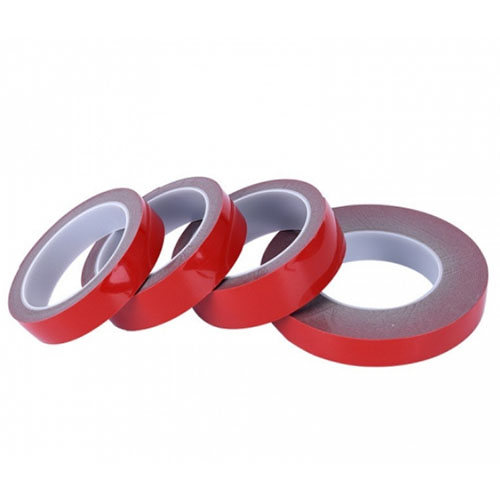
Choosing Acrylic foam tape not only enhances work efficiency but also ensures product quality and durability. Whether you are a business user or a DIY enthusiast, Acrylic foam tape is an ideal adhesive solution.
Visit our website now to learn more about Acrylic foam tape and get a quote for your custom needs!
Discover the Benefits of Silicone Foam
Silicone foam is rapidly becoming a preferred choice in various industries due to its unique properties and versatile applications. This high-performance material offers several advantages, making it ideal for a range of uses.
One of the standout features of silicone foam is its excellent fireproof capabilities. This material can withstand high temperatures without compromising its integrity, making it a safe choice for applications where fire resistance is crucial. Whether used in construction, automotive, or aerospace industries, fireproof silicone foam provides peace of mind and enhances safety.
Customer Higher Density Silicone Foam
Another significant benefit is the availability of customer higher density silicone foam. This customization allows businesses to tailor the foam's density to meet specific needs, ensuring optimal performance for various applications. Higher density silicone foam offers increased durability and support, making it suitable for demanding environments where other materials may fail.
High Temperature Resistant Silicone Foam
Additionally, high temperature resistant silicone foam is a game changer in industries that require materials capable of enduring extreme heat. This type of foam maintains its performance characteristics even under intense conditions, ensuring longevity and reliability. Whether in machinery, electronics, or insulation, high temperature resistant silicone foam is engineered to withstand the challenges of high-heat environments.
In summary, silicone foam stands out for its fireproof properties, customizable density options, and high temperature resistance. If you’re looking for a versatile, durable, and safe solution for your applications, consider integrating silicone foam into your product line.
As a curing agent enthusiast, you know the importance of finding the right curing agent for your projects. Today, we want to introduce you to the incredible capabilities of Curing Agent YLD-1240. With its impressive properties and versatile applications, this curing agent is a game-changer in the industry. In this blog post, we will share some expert tips and tricks to help you make the most out of Curing Agent YLD-1240.
1. Understand the Basics
Before diving into the tips, let’s quickly recap the basics of Curing Agent YLD-1240. This agent is known for its fast curing time and excellent adhesion properties. It is compatible with a wide range of base materials, including plastics, composites, and metals. Its high strength and durability make it an ideal choice for various industries, such as automotive, aerospace, and electronics.
2. Optimize Mixing Ratios
To achieve the best results with Curing Agent YLD-1240, it is crucial to follow the recommended mixing ratios. Ensure that you accurately measure the curing agent and your chosen resin or adhesive. Maintaining the correct ratio will guarantee proper curing and maximize the mechanical properties of the final product. Always consult the product datasheet or guidelines for the specific proportions.
3. Control the Curing Temperature
Curing Agent YLD-1240 performs optimally within a specific temperature range. It is essential to monitor and control the curing temperature to ensure consistent and reliable results. Pay attention to the product instructions and recommendations for the ideal temperature conditions. Avoid exposing the curing agent to extreme temperatures, as it may affect the curing process and the overall quality of the cured material.
4. Consider Pre- and Post-Curing Conditions
In some cases, pre-curing or post-curing steps may be necessary to enhance the performance of Curing Agent YLD-1240. Pre-curing can facilitate the removal of air bubbles or improve the flow characteristics of the mixture. Post-curing, on the other hand, can strengthen the cured material and improve its resistance to external factors like heat or chemicals. Depending on your specific application, consult with the manufacturer or industry experts for the appropriate pre- and post-curing conditions.
5. Explore Compatibility with Other Additives
Curing Agent YLD-1240 can be further optimized by combining it with other additives. Experiment with different fillers, plasticizers, or thickeners to achieve desired material properties. However, always verify the compatibility of these additives with the curing agent to avoid any negative interactions. Conduct thorough testing to determine the ideal combination and the impact on the final product.
6. Practice Proper Storage and Handling
To maintain the effectiveness of Curing Agent YLD-1240, it is crucial to store and handle it correctly. Keep the product in a cool and dry place, away from direct sunlight or heat sources. Ensure the containers are tightly sealed to prevent moisture absorption or evaporation. When handling the curing agent, follow safety guidelines, such as wearing protective gear and working in a well-ventilated area.
Conclusion
Curing Agent YLD-1240 is a valuable tool in the arsenal of curing agent enthusiasts. By understanding its properties and implementing these tips and tricks, you can unleash its full potential in your projects. Remember to always consult the manufacturer’s guidelines, conduct appropriate testing, and seek professional advice when needed. Embrace the power of Curing Agent YLD-1240 and take your curing capabilities to new heights!
Polyacrylamide (PAM) is a polymer that finds applications in various fields due to its unique properties. Here are some of the key areas where polyacrylamide is commonly used:
1. Water treatment: Polyacrylamide is extensively used in water and wastewater treatment processes. It is an effective flocculant and coagulant that aids in the removal of suspended solids, organic matter, and other contaminants from water. PAM helps in the clarification of water, sedimentation, and dewatering processes, making it widely used in municipal and industrial water treatment plants.
2. Enhanced oil recovery (EOR): In the oil and gas industry, polyacrylamide is used in enhanced oil recovery techniques. It can modify the viscosity of water, thereby improving the sweep efficiency and displacement of oil from reservoirs. PAM is injected into oil wells to increase oil production, particularly in mature or low-permeability reservoirs.
3. Soil conditioning: Polyacrylamide is employed in agriculture and horticulture to enhance soil structure and water retention capabilities. It reduces soil erosion by increasing the capacity of soils to hold water, thus improving plant growth and reducing water runoff.
4. Papermaking: PAM is utilized in the paper industry as a retention and drainage aid. It improves the formation of paper sheets, increases paper strength, and enhances the retention of fine particles during the papermaking process.
5. Mining: Polyacrylamide is used in the mining industry for mineral processing and tailings management. It aids in the separation of minerals from ores and facilitates the dewatering of tailings, reducing water content and improving handling and disposal.
6. Flocculant in industrial processes: PAM is employed as a flocculant in various industries such as food processing, chemicals, textiles, and cosmetics. It helps in solid-liquid separation, clarification, and purification of process water and wastewater.
7. Biotechnology and gel electrophoresis: Polyacrylamide gel is extensively used in biotechnology and molecular biology for techniques like gel electrophoresis, which is used for DNA and protein separation and analysis.
It's important to note that the specific uses of polyacrylamide may vary depending on the molecular weight, charge, and other modifications tailored for particular.
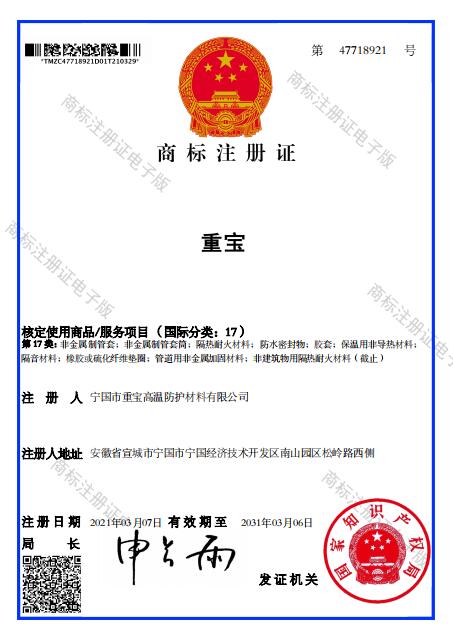
ZBAO® brand been official registered successfully
in March 2021, zbaofiresleeve certificate No.:TMZC47718921D01T210329.
ZBAO TECH specialize in kinds of thermal insulation and Fire proof products, ONE STOP SOLUATION FOR HIGH TEMPERATURE SYSTEM.
N-Phenylmaleimide, also known as NPMI, is a highly valuable chemical compound widely used in various industries. As a product editor, it is my pleasure to shed light on the applications, suppliers, and manufacturers of N-Phenylmaleimide.
Applications of N-Phenylmaleimide
N-Phenylmaleimide finds its utility in several sectors due to its exceptional chemical properties. One prominent application is as a cross-linking agent in the production of thermosetting resins and polymers. Its ability to enhance the mechanical and thermal stability of these materials makes it an ideal choice for industries such as automotive, aerospace, and electronics.
Furthermore, N-Phenylmaleimide is utilized as a key intermediate in the synthesis of various organic compounds. Its presence in the pharmaceutical and agrochemical sectors is evident, as it serves as a building block for the production of medicines and crop protection chemicals.
Where to Find N-Phenylmaleimide Suppliers
When it comes to sourcing high-quality N-Phenylmaleimide, it is essential to collaborate with reputable suppliers. One such reliable supplier is (Insert N-Phenylmaleimide Supplier Name), ensuring consistent quality and timely deliveries to meet the industry’s demands. Their commitment to excellence makes them a preferred choice among manufacturers and researchers globally.
N-Phenylmaleimide Powder: Inquiry into Its Composition
N-Phenylmaleimide powder possesses remarkable stability and purity. This finely ground substance is obtained through meticulous manufacturing processes that adhere to strict quality control measures. Manufacturers employ advanced techniques to produce N-Phenylmaleimide powder with exceptional characteristics, including a high melting point and easy solubility in various solvents.
The Role of Manufacturers in the N-Phenylmaleimide Market
As the demand for N-Phenylmaleimide continues to grow across industries, manufacturers play a vital role in meeting this increased need. Prominent manufacturers such as (Insert N-Phenylmaleimide Manufacturer Name) have established themselves as trusted leaders in the production of N-Phenylmaleimide and related compounds. Their dedication to research and development enables them to deliver high-quality products at competitive prices, catering to the diverse requirements of customers worldwide.
N-Phenylmaleimide Price: Factors to Consider
The pricing of N-Phenylmaleimide depends on several factors, including raw material availability, production costs, market demand, and competition among suppliers. It is advisable to connect with suppliers directly to inquire about the current pricing and discuss bulk purchase options. By doing so, businesses can ensure a cost-effective procurement strategy while maintaining the desired quality standards.
In Conclusion
N-Phenylmaleimide, a versatile chemical compound, serves as a valuable ingredient across various industries. As highlighted, it finds applications in thermosetting resins, organic synthesis, pharmaceuticals, and agrochemicals. When searching for reliable suppliers, considering factors such as product quality, timely delivery, and competitive pricing becomes crucial. With trusted manufacturers like (Insert N-Phenylmaleimide Manufacturer Name) leading the market, businesses can rely on their expertise to meet their N-Phenylmaleimide requirements effectively.
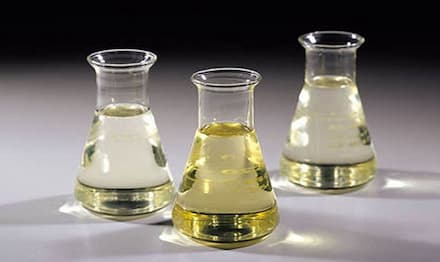
In the textile industry, foam is a common yet disruptive challenge during key processes such as dyeing, finishing, and washing. Excessive foam formation can reduce process efficiency, cause inconsistent dyeing results, and lead to costly downtime. Rickman Defoamers offer advanced foam control solutions designed specifically to address these challenges, improving production efficiency and overall product quality.
The Importance of Foam Control in Textile Processing
Foam is generated in various stages of textile manufacturing, particularly in the wet processing stages where chemicals, dyes, and surfactants are used. Foam build-up can block machinery, result in improper chemical distribution, and reduce the efficiency of washing and rinsing processes. In addition, uncontrolled foam can lead to defects such as uneven dyeing or poor fabric finishing, which ultimately affects the quality of the final product.
Rickman Defoamers are formulated to quickly break down existing foam and prevent its reformation. By integrating our defoamers into your textile processes, you can achieve smoother operations and ensure consistently high-quality results.
Key Benefits of Rickman Defoamers in Textile Applications
-
Enhanced Dyeing Consistency: Foam can interfere with the uniform application of dyes, resulting in color variations. Rickman Defoamers ensure that dyes are evenly distributed across fabric surfaces, leading to consistent, high-quality results with minimal defects.
-
Improved Process Efficiency: Foam can slow down production by clogging machinery and creating unnecessary delays. By using Rickman Defoamers, manufacturers can maintain smooth operations, reducing downtime and increasing overall productivity.
-
Cost Savings: Inefficient foam control leads to increased maintenance costs, reduced machine lifespan, and wasted resources. Rickman Defoamers minimize these risks by optimizing production processes and reducing the need for frequent cleaning or equipment repairs.
-
Eco-friendly and Versatile Solutions: Our defoamers are designed to work with various textile materials and processes, providing effective foam control in both natural and synthetic fibers. In addition, Rickman Defoamers are environmentally friendly, offering effective foam suppression without compromising sustainability.
Boost Your Textile Operations with Rickman Defoamers
Rickman Defoamers are the ideal solution for textile manufacturers seeking to improve production efficiency, enhance product quality, and reduce operational costs. Trust our advanced foam control solutions to streamline your processes and deliver superior results, batch after batch.
Click on the related products links:RK-100S(High Concentrated Textile Antifoam) / RK-15S(High Cost-effective Antifoaming Agent)
Polyacrylamide can enhance oil recovery through a process known as enhanced oil recovery (EOR). There are several mechanisms by which polyacrylamide can improve oil recovery:
1. Viscosity Modification: Polyacrylamide can increase the viscosity of water, making it more effective at displacing and sweeping oil from the reservoir rock. By adding polyacrylamide to the injection water, the mobility ratio between the injected fluid and the oil can be improved, reducing the tendency of the water to finger through the reservoir and leaving behind pockets of trapped oil.
2. Water Mobility Control: In some oil reservoirs, there are layers or zones with higher permeability that tend to preferentially channel the injected water, resulting in poor sweep efficiency. Polyacrylamide can help control the mobility of the injected water by increasing its viscosity, thus diverting flow from the high-permeability zones to the low-permeability ones, leading to a more uniform sweep of the reservoir and improved oil recovery.
3. Clay Stabilization: Reservoir rocks often contain clay minerals that can swell and cause permeability reduction when exposed to water. Polyacrylamide can effectively stabilize these clays by adsorbing onto their surfaces, preventing them from swelling and maintaining or improving reservoir permeability, which allows for better fluid flow and oil displacement.
4. Emulsion Breaking: During oil production, emulsions of water and oil can form, making it challenging to separate the two phases. Polyacrylamide can be used as a demulsifying agent to break these emulsions, facilitating the separation of oil and water. This aids in the efficient recovery of the oil phase.
Overall, polyacrylamide plays a crucial role in improving the efficiency of oil recovery operations by modifying the fluid properties, controlling water mobility, stabilizing reservoir rocks, and facilitating the separation of oil and phases.
- Bismaleimide Series2
- Cross-Linking agent / Vulcanizing Agent1
- Curing Agent1
- Engineering Plastic Pellets4
- Epoxy Resin2
- Ethylene-VinylAlcohol Copolymer(EVOH)1
- Fish Oil1
- Food Additives3
- Glucosamine1
- Heat-resistant modifier series1
- High Assay Quaternary Ammonium Compounds9
- Low Assay Quaternary Ammonium Compounds13
- Modified Polyvinyl Alcohol1
- Monomalemide Series2
- Other Surfactants/Catalysts8
- Plastic Random Packing1
- Plastic Structured Packing1
- Polyacrylamide1
- Polyurethane Resin2
- Polyvinyl Alcohol (PVA)2
- Power Coatings3
- Quaternary Ammonium Hydroxide4
- Special Quaternary Ammonium Compounds7
- TPU4
- Tertiary Amines1
- UV Ink1
- VAE Emulsion (Vinyl Acetate–ethylene Copolymer Emulsion)1
- aluminum paste1
- antiform2
- fire sleeve2
- resin2