When tomorrow turns in today, yesterday, and someday that no more important in your memory, we suddenly realize that we are pushed forward by time.This is not a train in still in which you may feel forward when another train goes by.It is the truth that we've all grown up.And we become different.
Industrial ceramics is an important material, widely used in various fields. Its development history can be traced back to ancient times, but it was not until the end of the 19th century and the beginning of the 20th century that industrial ceramics developed rapidly with the development of the chemical industry and the progress of science and technology.
The first industrial ceramics were pottery used in metallurgy, fire resistance and other fields. At the end of the 19th century, British chemists invented high-temperature sintering technology, which greatly improved the performance of ceramics, and also created new application fields, such as electronics, medical, aviation and other fields
At the beginning of the 20th century, industrial ceramics were widely used and became an important industrial material. With the progress of science and technology and the development of new materials, the performance of industrial ceramics has been greatly improved, such as high temperature resistance, corrosion resistance, insulation and other properties, making its application more extensive.
At present, industrial ceramics have become an indispensable material, widely used in automotive, electronics, medical, aviation and other fields. In the future, with the continuous progress of science and technology, the performance of industrial ceramics will be further improved, and its application fields will continue to expand.
(1) Manufacturing industry
Application scenarios: Cutting tools, abrasives, molds.
Application reason: High hardness and wear resistance, suitable for high-precision machining and wear parts.
(2) Energy and electricity
Application scenario: insulator, spark plug, fuel cell assembly.
Application reason: Excellent electrical insulation and high temperature resistance.
(3) Chemical industry
Application scenario: reactor lining, pump valve, pipeline.
Application reason: corrosion resistance, suitable for dealing with acid, alkali and other corrosive media.
(4) Aerospace
Application scenarios: engine components, thermal protection systems.
Application reason: high temperature resistance, low density, suitable for weight loss and high temperature environment.
(5) Electronics and semiconductors
Application scenarios: substrate, packaging material, sensor.
Application reasons: electrical insulation, thermal stability and high frequency performance.
(6) Medical industry
Application scenarios: artificial joints, dental implants, surgical instruments.
Application reasons: Biocompatibility and wear resistance.
(7) Environmental protection industry
Application scenario: filter, catalyst carrier.
Application reasons: high temperature resistance, corrosion resistance, suitable for waste gas treatment and waste water filtration.
(8) Metallurgical industry
Application scenario: refractory material, crucible, furnace lining.
Application reason: high temperature resistance and heat shock resistance.
(9) Optical industry
Application scenarios: laser, optical window, transparent ceramics.
Reason for application: Excellent optical properties and high temperature resistance.
(10) Emerging industries
New energy: such as hydrogen energy, fuel cells.
3D printing: The application potential of ceramic 3D printing technology.
In the field of chemical production, the efficiency and convenience of equipment maintenance directly affect the production efficiency of the entire process. Traditional chemical equipment often has a long maintenance cycle due to its complex structure and cumbersome disassembly steps, which not only consumes a lot of manpower and material resources, but also causes production interruptions and considerable economic losses. Our chemical pump products, while ensuring excellent operational performance, also incorporate "easy maintenance" as one of the core design concepts. The overall structure of the machine has been scientifically planned and reasonably simplified, with modular design and positioning installation of key components, making disassembly and replacement easier. Even in daily inspections, there is no need for complex operations to quickly determine and record equipment status, greatly reducing maintenance thresholds and time costs.
When the equipment enters the maintenance cycle, the advantages brought by its maintenance convenience become more significant. Due to the simplified disassembly and assembly process of components, maintenance personnel can complete maintenance tasks in a short period of time, significantly reducing downtime and effectively improving the continuous operation capability of the equipment. We pay attention to the optimization of every maintenance detail, from the layout of bolts to the setting of inspection ports, all of which have been carefully considered, striving to make every operation more convenient and efficient. This meticulous polishing of the maintenance experience ultimately translates into tangible benefits - allowing you to not only operate with peace of mind, but also maintain with ease and effort, continuously empowering the stability and efficiency of the production system.
As a leading pump and valve manufacturer in the industry, ANHUI WOLONG PUMP&VALVE CO.LTD has always served the fields of chemical, power, metallurgy, environmental protection, etc. with high-quality and high-performance products. We not only provide high-quality products, but also offer professional technical support and after-sales service to ensure the long-term stable operation of you r equipment!
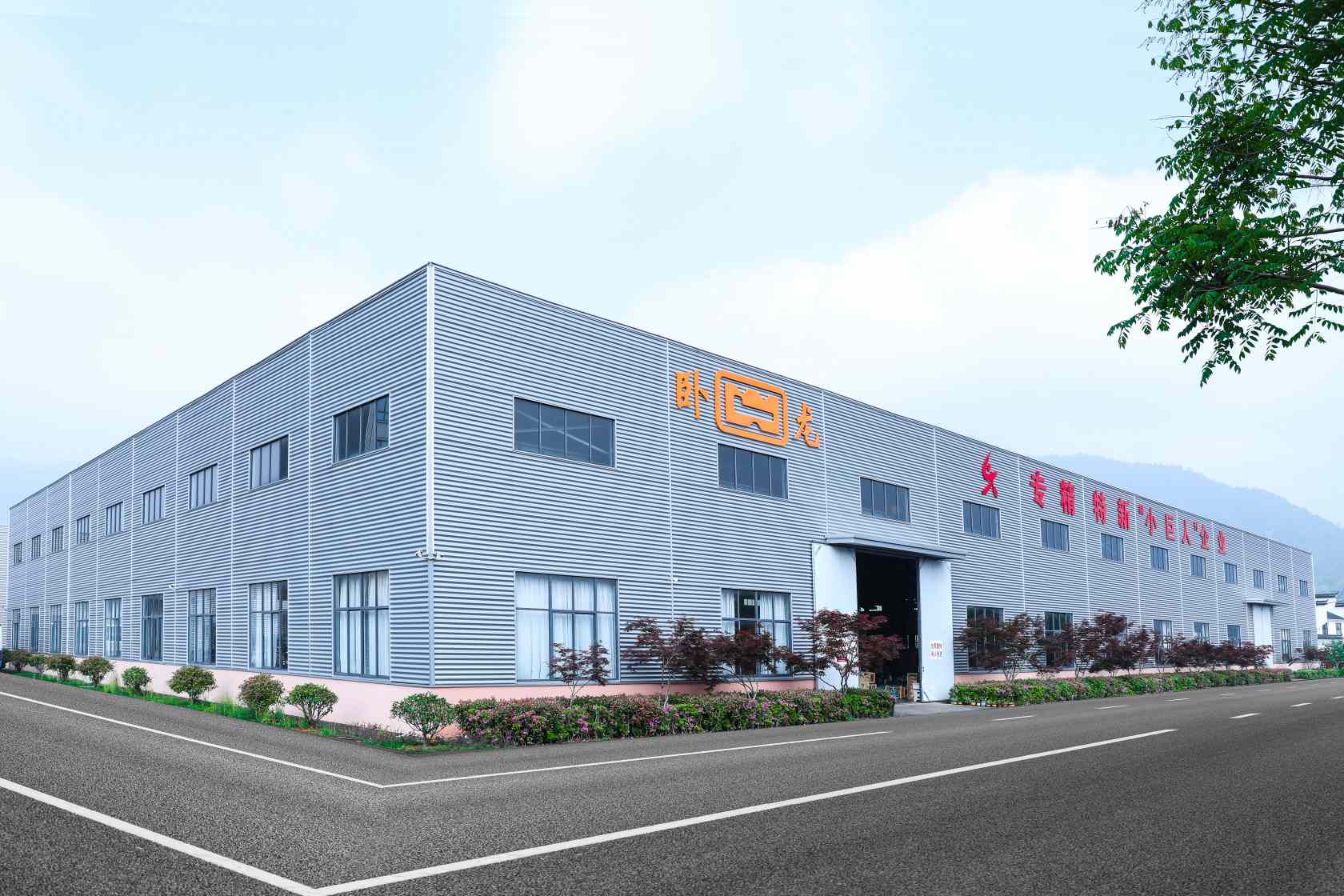
Autumnal Equinox is the 16th solar term among the 24 solar terms. On this day, day and night are evenly distributed, with equal levels of heat and cold, marking the official beginning of autumn. After the autumnal equinox, the night gradually lengthens, the temperature gradually drops, and the autumn atmosphere becomes more intense.
Some ancient Chinese works divide the autumnal equinox into three periods: the first period is when thunder begins to subside; After the autumnal equinox, the yin energy gradually increases and the thunder gradually disappears. Second year dormant insect households; As the weather gets colder, small insects begin to hide in their burrows and seal the entrance with fine soil to resist the cold. San Hou · Water begins to dry up, rainfall decreases, weather becomes dry, and the water levels of rivers and lakes begin to decline
As the weather turns cooler, Anhui Wolong Pump Valve Co., Ltd. kindly reminds you to add clothes in a timely manner, pay attention to keeping warm, and prevent colds. At the same time, please pay attention to the safety of electricity and fire during dry weather in autumn. As an enterprise dedicated to the research and manufacturing of pump and valve products, Wolong Pump and Valve always provides reliable fluid transportation solutions for customers in various industries with high-quality products and professional services. In this harvest season, we thank every customer for their trust and support. Your satisfaction is our greatest pursuit.
In the future, Wolong Pump Valve will continue to adhere to the concept of "striving for excellence, customer first", constantly innovate, improve product performance and service quality, ensure the development of your enterprise, and work hand in hand with you to harvest and create a better future!.
As a leading pump and valve manufacturer in the industry, ANHUI WOLONG PUMP&VALVE CO.LTD has always served the fields of chemical, power, metallurgy, environmental protection, etc. with high-quality and high-performance products. We not only provide high-quality products, but also offer professional technical support and after-sales service to ensure the long-term stable operation of you r equipment!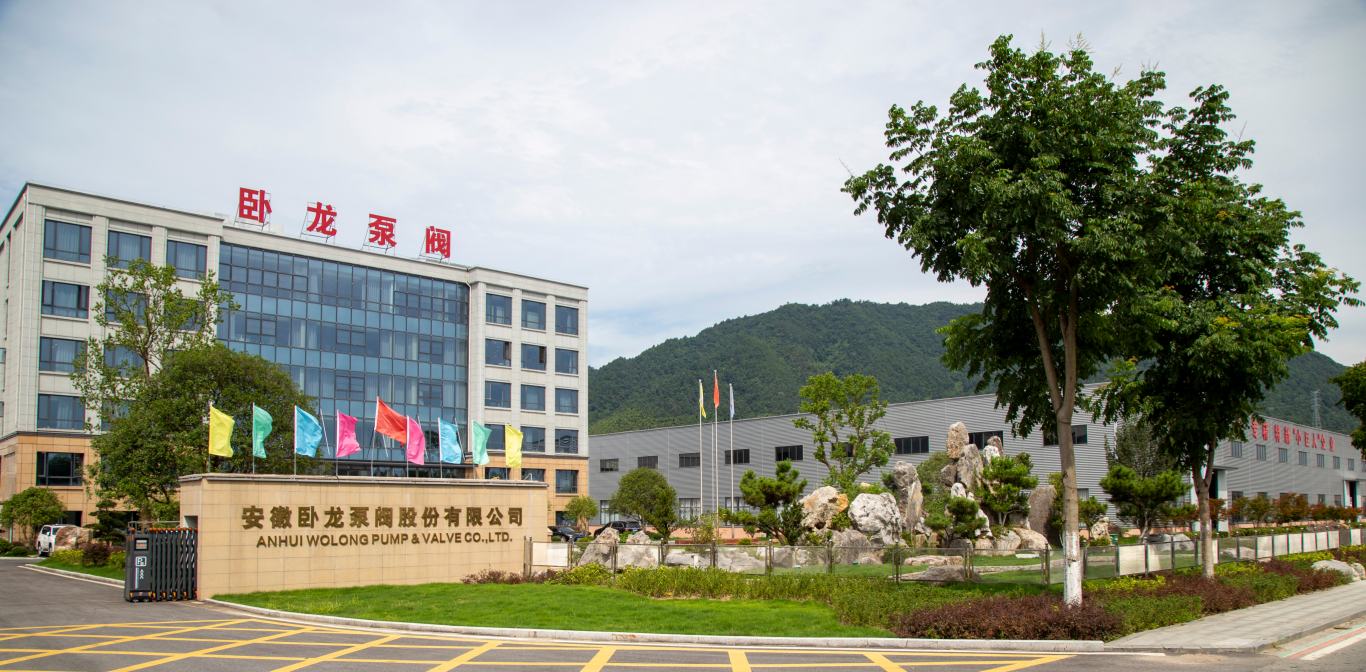
In the long river of modern chemical production, the transportation process is like blood vessels, and its safety, stability, and efficiency directly affect the vitality of the entire system. Traditional pump bodies often become a hidden concern in the production process due to the risk of leakage and frequent maintenance of mechanical shaft seals, especially when dealing with corrosive, toxic, or expensive media. Even a drop of leakage can mean safety hazards, environmental pollution, and loss of economic benefits. We are well versed in this field, so we have devoted ourselves to creating the Wolong IMD series fluoroplastic alloy magnetic pump, aiming to completely revolutionize the fluid delivery experience and provide you with an excellent solution once and for all.
The core of IMD magnetic pump lies in its advanced magnetic drive technology. We have completely abandoned the traditional mechanical shaft seal design and instead adopted high-performance rare earth permanent magnets to achieve contactless synchronous transmission of power. This change means that the operation of the pump is completely in a static sealed state, eliminating the possibility of leakage from the root and achieving true "zero leakage, no dripping". This not only significantly improves the safety and cleanliness of the production site, but also greatly reduces the waste and subsequent processing costs caused by medium dispersion.
The Wolong IMD pump adopts a direct connection design, with a compact structure and small volume. This integrated design not only greatly saves valuable installation space, but also makes the installation process exceptionally simple and fast, greatly reducing debugging time. Its simple and sturdy structure also means fewer fault points, higher reliability, and greatly reduced daily maintenance workload, freeing you from tedious maintenance and repair.
The overcurrent components of the pump body are made of high-quality fluoroplastic alloy (F46), which has excellent corrosion resistance and can easily cope with the challenges of various harsh media such as acids, alkalis, and strong solvents, with a long service life. Whether it is the transportation of corrosive liquids in chemical processes, or special applications in fields such as environmental protection, electroplating, new energy, and medicine, it can handle them with ease and perform stably and reliably.
Choosing Wolong IMD fluoroplastic alloy magnetic pump is not just about choosing a product, but also about choosing a safe, worry free, and efficient solution. It silently guards your production line with its silent operation, zero leakage commitment, and durable quality, helping you improve production efficiency, ensure personnel safety, protect environmental assets, and ultimately win a competitive advantage.
Make Wolong IMD pump your most reliable and efficient power partner in modern chemical production.As a leading pump and valve manufacturer in the industry, ANHUI WOLONG PUMP&VALVE CO.LTD has always served the fields of chemical, power, metallurgy, environmental protection, etc. with high-quality and high-performance products. We not only provide high-quality products, but also offer professional technical support and after-sales service to ensure the long-term stable operation of you r equipment!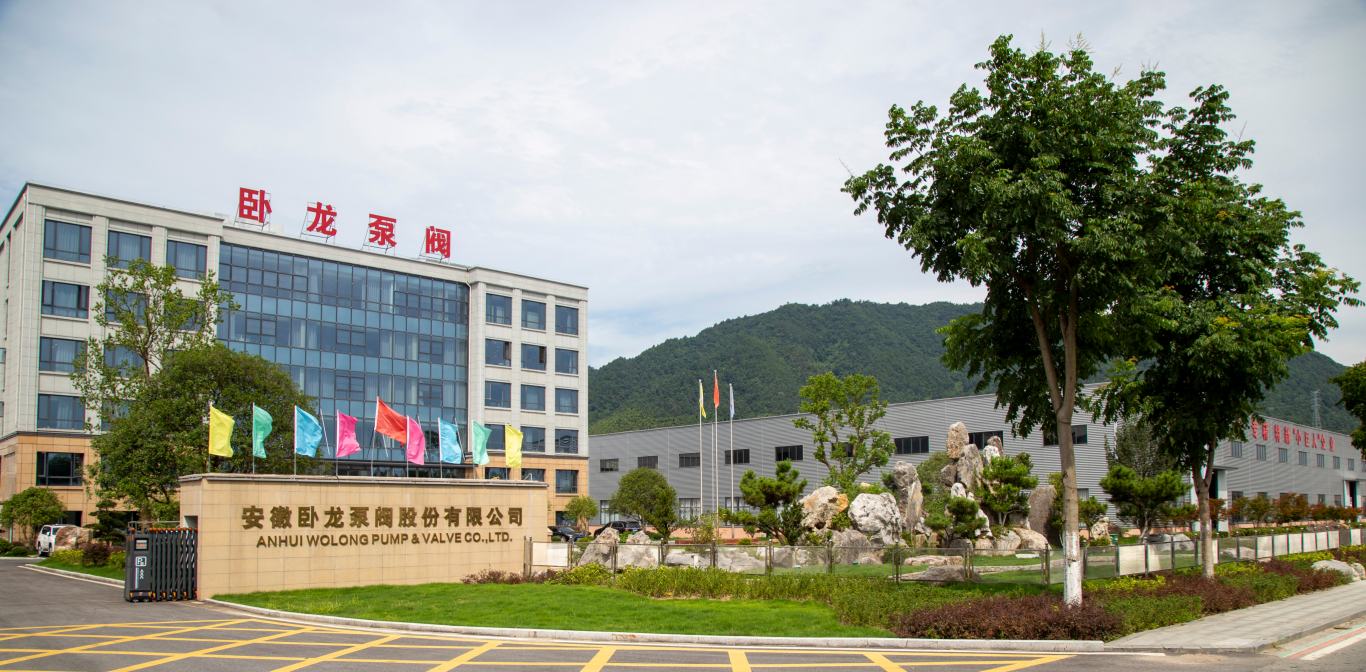
'Quality is the lifeline of an enterprise' is not only a slogan, but also a core principle deeply rooted in our blood. In order to implement this concept, we have devoted ourselves to creating two internationally advanced modern testing platforms - a 30cm ³ closed test bench and an open test bench, building a solid defense line for product quality.
This powerful testing system tests over 50000 units annually, covering comprehensive performance testing of various pump products. Every pump must undergo strict 'physical fitness testing' here before leaving the factory. We have abandoned the traditional mode of relying on manual readings and calculations, and fully adopted an intelligent testing software system. This software can achieve automatic data collection, real-time processing, and precise analysis, ultimately generating detailed and standardized performance testing reports with just one click. This technological innovation not only greatly improves testing efficiency, but also fundamentally enhances the accuracy and reliability of pump performance testing, minimizing human error.
Through this series of precise and efficient tests, we are able to accurately control the performance curve, efficiency, noise, vibration, and sealing performance of each pump, ensuring that it fully meets design standards and customer requirements. This is not only the final inspection before leaving the factory, but also a solemn commitment to the long-term safe and stable operation of the product.
We firmly believe that the ultimate pursuit of quality is the cornerstone of a company's sustainable development. These two modern testing stations are the hard core guarantee for us to safeguard the lifeline of product quality and create outstanding value for customers, driving us to continuously move towards higher goals.
As a leading pump and valve manufacturer in the industry, ANHUI WOLONG PUMP&VALVE CO.LTD has always served the fields of chemical, power, metallurgy, environmental protection, etc. with high-quality and high-performance products. We not only provide high-quality products, but also offer professional technical support and after-sales service to ensure the long-term stable operation of you r equipment!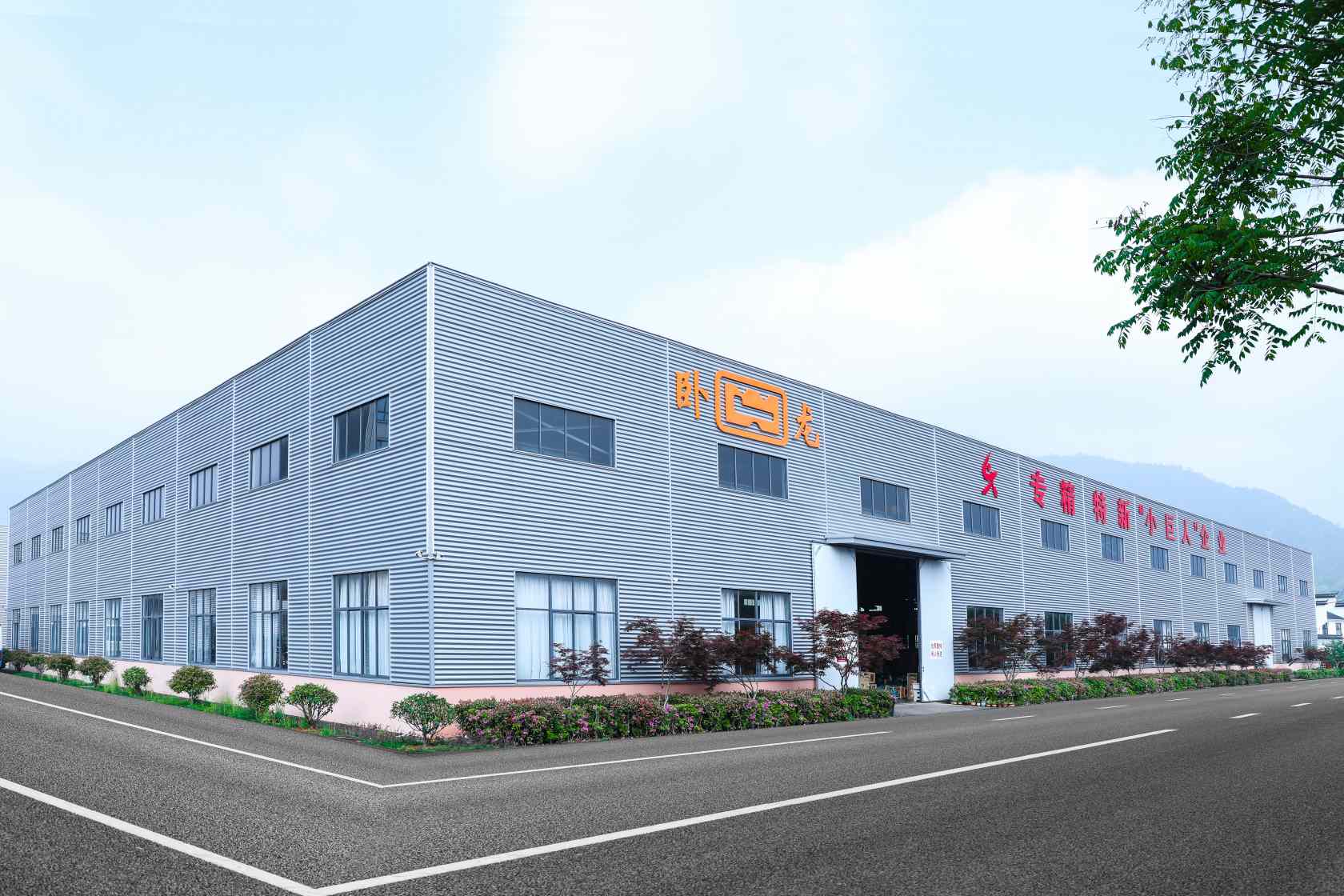
In industrial fields such as chemical engineering, electroplating, pharmaceuticals, and environmental protection, the strong corrosiveness of media, vulnerable equipment, and frequent maintenance have always been headache inducing problems. The emergence of GF type pipeline corrosion-resistant centrifugal pump is becoming a "capable worker" under corrosive conditions with its excellent performance and convenient maintenance experience.
The GF pump adopts a compact pipeline structure, and there is no need to adjust the foundation position during installation. It can be directly connected to the pipeline for use. The three-dimensional direct connection design greatly saves equipment footprint, especially suitable for factory environments with limited space. The impeller is directly connected to the motor, with high transmission efficiency, low energy loss, smooth operation and low noise, balancing energy efficiency and work comfort.
The pump is designed and manufactured strictly in accordance with international standard JB/T6878, and the overcurrent components are made of high-quality fluorine lined materials with extremely strong corrosion resistance. GF type pumps can handle hydrochloric acid, sulfuric acid, alkaline solution, and organic solvents with ease, achieving stable transportation.
GF pumps offer a variety of sealing options for different media and operating conditions, including mechanical seals, power seals, etc. Users can flexibly choose according to their actual needs. An excellent sealing system fundamentally eliminates leakage problems, ensuring safe production while avoiding material waste and environmental pollution.
Once the impeller or seal of a traditional pump is damaged, the entire pipeline system often needs to be disassembled, which requires a large amount of maintenance work and is time-consuming and labor-intensive. The GF pump has innovatively designed a pump cover structure that can be quickly opened, allowing for the direct replacement of internal vulnerable parts without disassembling the pipeline, greatly reducing downtime, maintenance costs, and labor input.
As a mature and reliable industrial pump product, GF type pipeline corrosion-resistant centrifugal pump adheres to the consistent high-quality standards of Wolong brand, strictly controlling material selection and manufacturing process to ensure that each pump has a long and stable service life.
Whether it is a new project or equipment renovation, GF type corrosion-resistant centrifugal pump is an ideal choice for handling corrosive media. Strong corrosion resistance, high efficiency and energy saving, and easy maintenance - the "little steel cannon" in the field of industrial transportation is well deserved.
As a leading pump and valve manufacturer in the industry, ANHUI WOLONG PUMP&VALVE CO.LTD has always served the fields of chemical, power, metallurgy, environmental protection, etc. with high-quality and high-performance products. We not only provide high-quality products, but also offer professional technical support and after-sales service to ensure the long-term stable operation of you r equipment!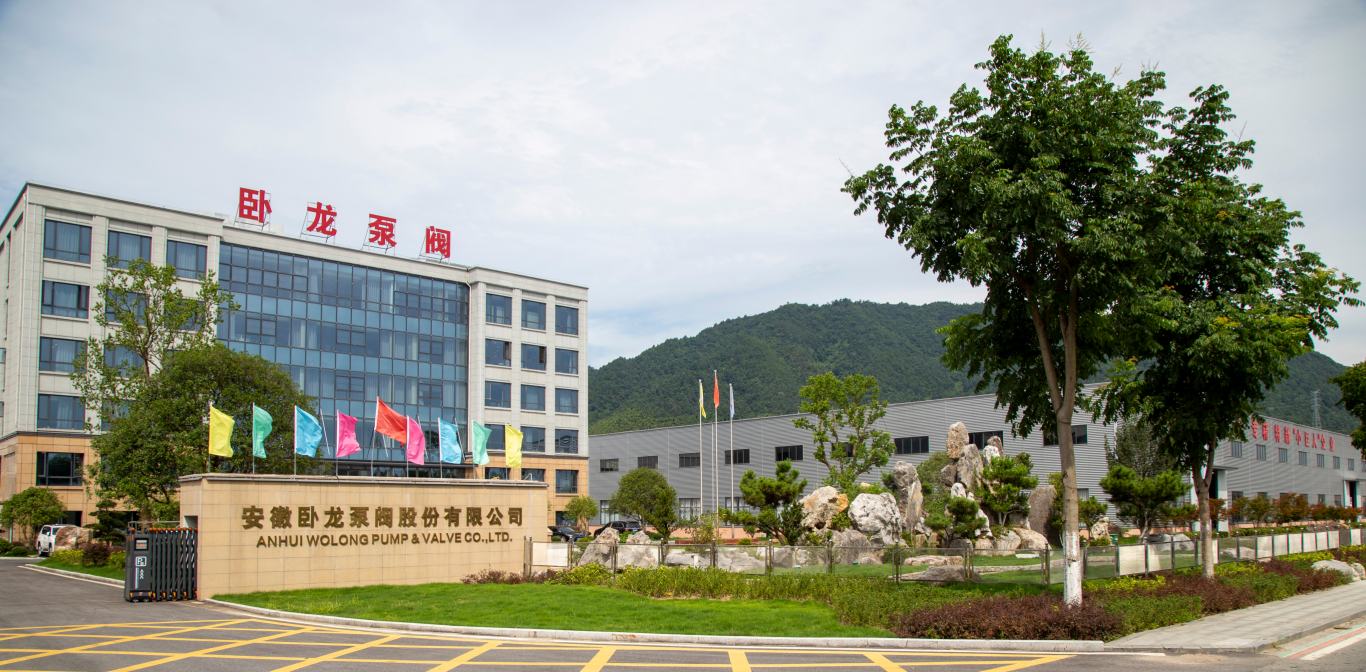
In key areas such as chemical processes, emergency rescue, and remote construction, stable power sources are the lifeline, and absolute safety is the bottom line. When the power grid cannot cover and safety cannot be compromised, you need an independent, powerful, and rock solid partner. understands the core requirements under harsh working conditions and has launched a heavy-duty diesel engine driven chemical pump with high flow rate and high head. With native power, it solves the power dilemma and safeguards your safety production!
Extremely high reliability and independence; Value proposition: In the face of emergency situations such as sudden power outages and unstable power grids, it can immediately start, ensuring uninterrupted processes and becoming your most reliable "emergency power source". It is the only and best choice in wilderness, mining areas, farmland irrigation and other scenarios far away from the power grid.
Powerful power output and performance; Core advantage: The inherent high torque characteristics of diesel engines provide powerful starting and operating power. Value proposition: Easily drive large flow rates and high lift, and handle demanding requirements such as long-distance transportation and high lifting with ease. A wide power range that can flexibly match different operating conditions.
Excellent safety and explosion resistance; Core advantage: Intrinsic safety, no risk of overload and burnout. Value realization: In the transportation of flammable and explosive chemical materials, the risk of electric sparks in motors is completely eliminated. The diesel engine driving method fundamentally eliminates burning and even explosion accidents caused by electrical overload and short circuit, and builds the strongest defense line for safety production.
Operational economy and flexibility; Core advantages: Diesel as a power source, easy to obtain, and relatively controllable in cost. Value proposition: No need to lay expensive specialized cables and distribution facilities, significantly reducing initial investment and installation costs. The device has high integration, flexible mobile deployment, and can be used for multiple purposes, greatly improving device utilization and operational efficiency.
As a leading pump and valve manufacturer in the industry, ANHUI WOLONG PUMP&VALVE CO.LTD has always served the fields of chemical, power, metallurgy, environmental protection, etc. with high-quality and high-performance products. We not only provide high-quality products, but also offer professional technical support and after-sales service to ensure the long-term stable operation of you r equipment!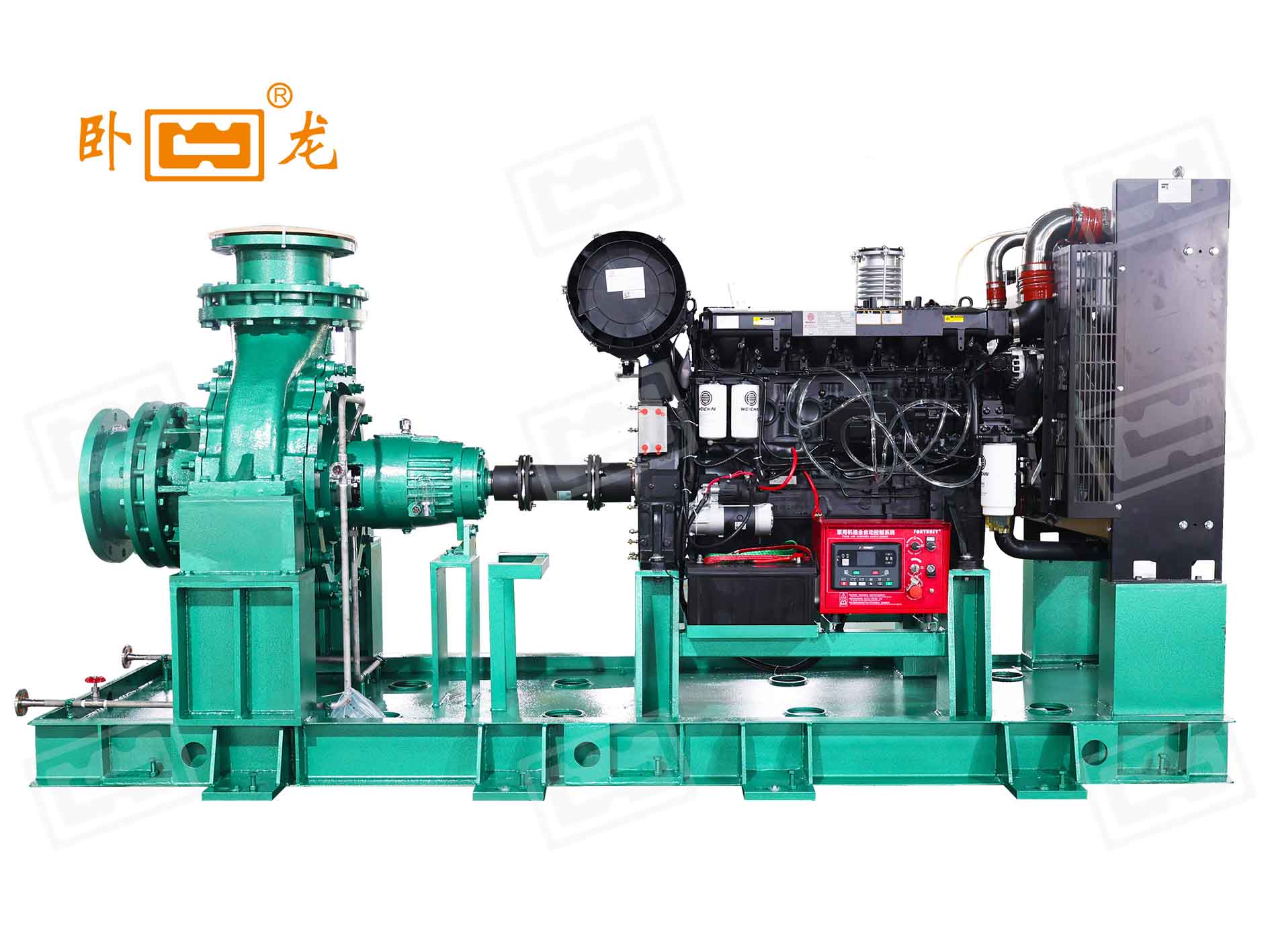
Wolong Pump Valve takes flexible logistics as its core and actively builds a new ecosystem of smart factories. In its modern production workshop, industrial intelligent handling robots are no longer isolated automation equipment, but intelligent logistics neurons deeply integrated into the production and manufacturing context. They seamlessly integrate production lines and intelligent warehousing centers into an efficient, collaborative, and responsive organic whole, driving the transformation of material distribution models towards automation, precision, and flexibility, significantly reducing the dependence of traditional logistics on manual labor.
These robots are the tireless' smart foot 'in the workshop. They navigate autonomously and flexibly in complex workshop environments through advanced navigation technology. After receiving instructions from the manufacturing execution system or warehouse management system, they can automatically go to the three-dimensional warehouse to retrieve materials, or receive materials from the line side warehouse and accurately deliver them to designated workstations, production lines, or production equipment, achieving a revolutionary transformation of "finding people for materials".
The linkage with the production line is the key to flexible logistics. The system dynamically schedules based on real-time production pace and order requirements. When a certain process is about to be completed or materials are about to run out, the system will trigger the delivery task in advance to ensure that the materials arrive at the correct location at the correct time and in the correct quantity. This precise real-time delivery not only ensures smooth and uninterrupted production flow, but also significantly reduces inventory at the production line and improves site utilization efficiency.
In the end, this flexible logistics system based on intelligent mobile robots greatly improved the overall production flexibility and efficiency of Wolong pump valves. It can quickly respond to changes in production plans, product model switching, and fluctuations in production capacity, providing solid support for customized production of small batches and multiple varieties. This not only reduces errors and losses in manual intervention and handling, but also lays a solid foundation for creating a transparent and digital new ecosystem of smart factories through the integration of data flow, endowing enterprises with strong core competitiveness to cope with market changes.
As a leading pump and valve manufacturer in the industry, ANHUI WOLONG PUMP&VALVE CO.LTD has always served the fields of chemical, power, metallurgy, environmental protection, etc. with high-quality and high-performance products. We not only provide high-quality products, but also offer professional technical support and after-sales service to ensure the long-term stable operation of you r equipment!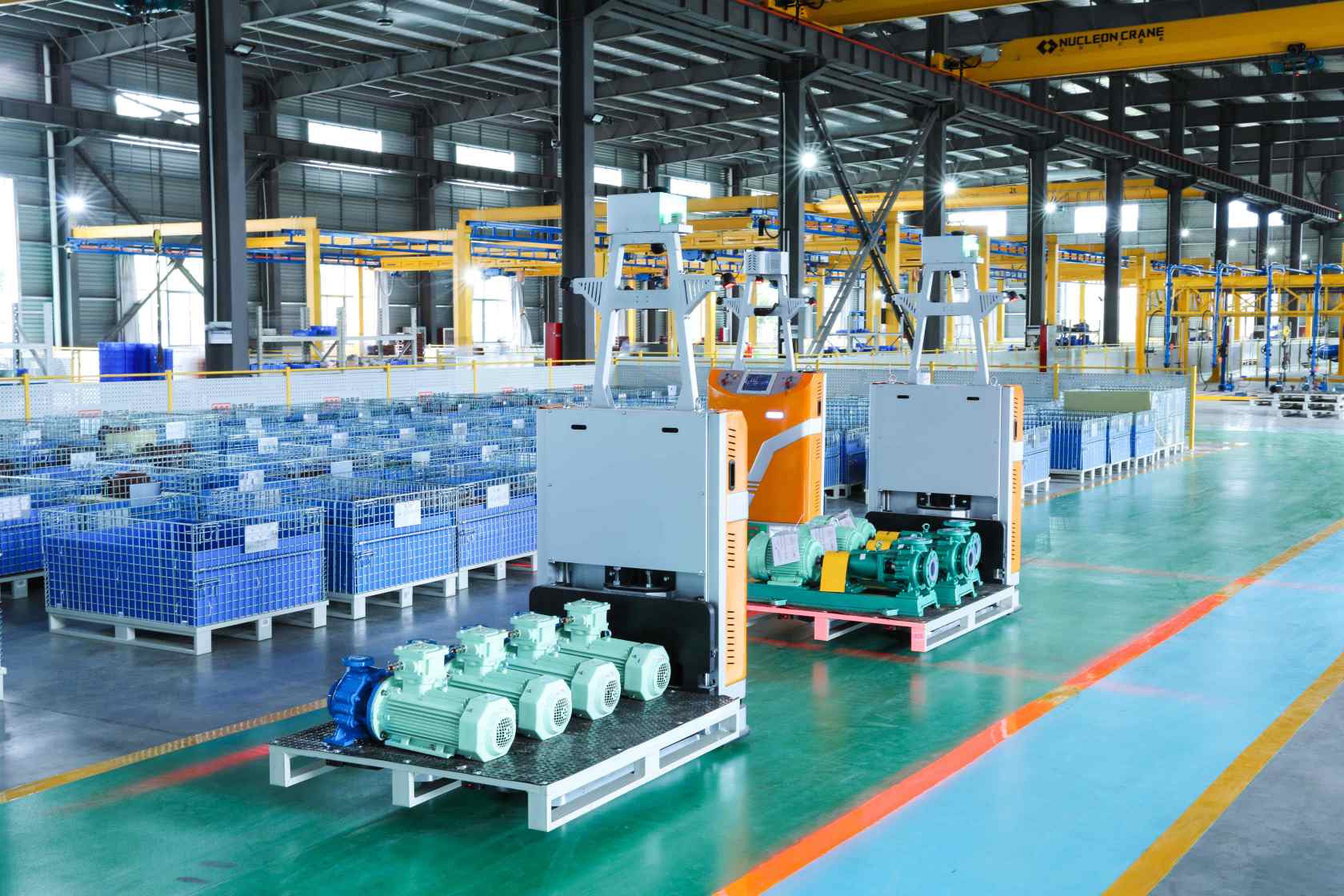
- Bismaleimide Series2
- Cross-Linking agent / Vulcanizing Agent1
- Curing Agent1
- Engineering Plastic Pellets4
- Epoxy Resin2
- Ethylene-VinylAlcohol Copolymer(EVOH)1
- Fish Oil1
- Food Additives3
- Glucosamine1
- Heat-resistant modifier series1
- High Assay Quaternary Ammonium Compounds9
- Low Assay Quaternary Ammonium Compounds13
- Modified Polyvinyl Alcohol1
- Monomalemide Series2
- Other Surfactants/Catalysts8
- Plastic Random Packing1
- Plastic Structured Packing1
- Polyacrylamide1
- Polyurethane Resin2
- Polyvinyl Alcohol (PVA)2
- Power Coatings3
- Quaternary Ammonium Hydroxide4
- Special Quaternary Ammonium Compounds7
- TPU4
- Tertiary Amines1
- UV Ink1
- VAE Emulsion (Vinyl Acetate–ethylene Copolymer Emulsion)1
- aluminum paste1
- antiform2
- fire sleeve2
- resin2