In chemical production, frequent maintenance of equipment and slow after-sales response often lead to production interruptions and cost increases, which are often caused by the materials of pump and valve products being non corrosion-resistant, poor adaptability, or lengthy supply chains. As a leading factory in the field of chemical pumps, Anhui Wolong Pump Valve Co., Ltd. has fundamentally resolved this pain point through independently developed corrosion-resistant chemical pumps and customized chemical pump valve solutions. The product adopts high-performance materials and optimized design, demonstrating excellent stability against various complex media such as acids, alkalis, and organic solvents. It significantly reduces the failure rate caused by corrosion or wear, significantly shortens downtime for maintenance, and ensures continuous and efficient production operation.
In specific application scenarios, such as in the petrochemical industry, pesticide formulation production, or salt chemical evaporation cycle, the corrosion-resistant chemical pump of Wolong Pump Valve, with its dual adaptation of material and structure, can withstand the erosion of high temperature and high concentration media for a long time, while achieving efficient and energy-saving power transmission. In addition, the factory supports customizing pump bodies, impellers, and sealing materials according to working conditions, ranging from fluoroplastic alloys to special stainless steel, ensuring that each pump fits perfectly with the actual process. Thanks to the direct supply model from the source, customers not only enjoy price advantages, but also receive fast response technical services. From selection guidance to installation and debugging, there are no intermediate links in the whole process, truly achieving peace of mind when buying and using.
By combining the quality of mass production inspection with the ability to flexibly customize, Wolong Pump Valve has helped many chemical enterprises achieve quality and efficiency improvement in their operation and maintenance systems. Whether it is replacing old faulty equipment or configuring pump and valve systems for new production lines, their products have become a reliable choice in chemical medium transportation due to their long-term corrosion resistance, energy efficiency, and stability. Choosing the source factory is not only about choosing a pump, but also about choosing continuous production assurance and cost optimization, which solves the maintenance problems in chemical production.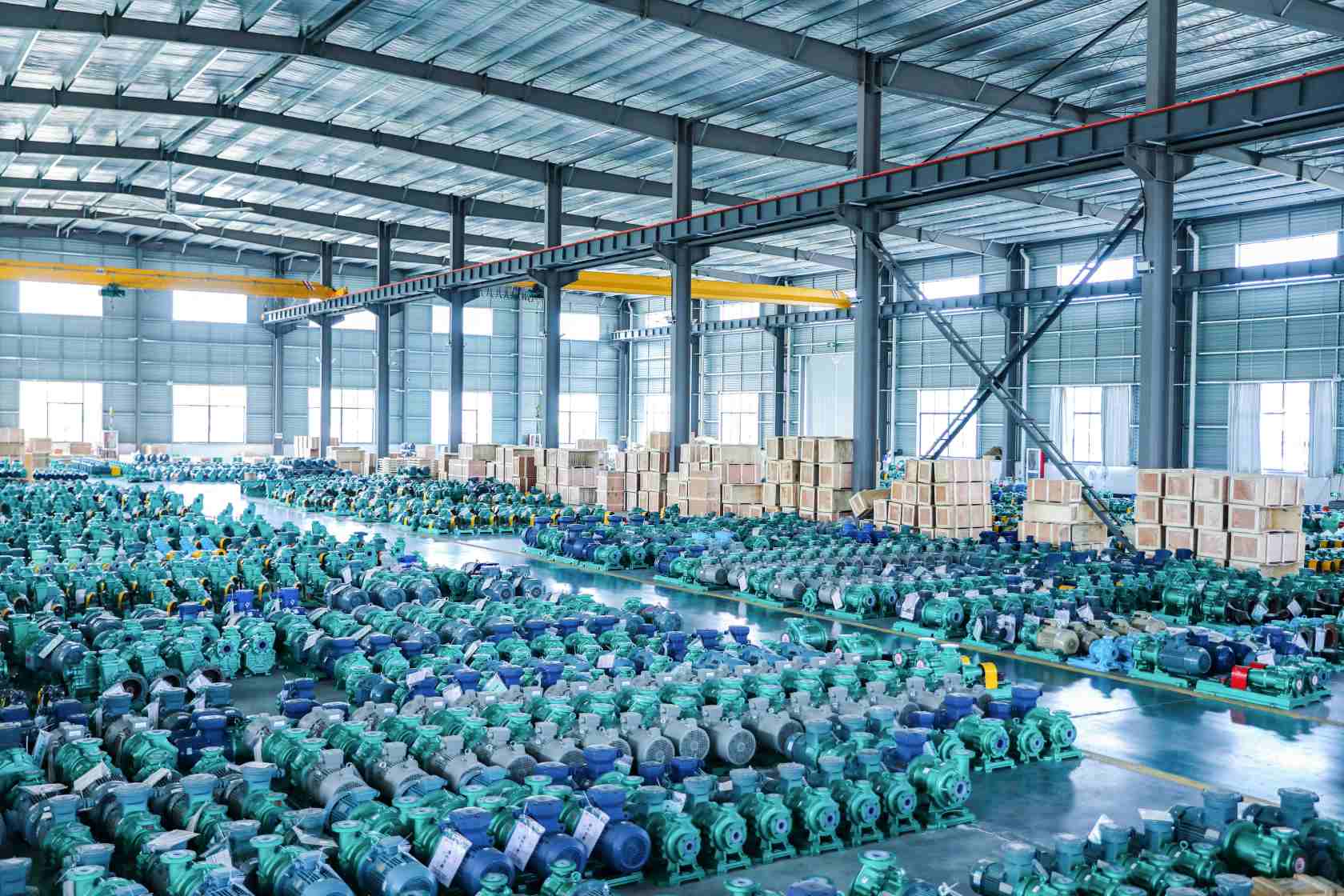
Chemical production is most afraid of unexpected shutdowns, and stable operation is the core. The chemical pumps directly supplied by the source factory of Anhui Wolong Pump and Valve Co., Ltd. have undergone large-scale production and rigorous testing under extreme working conditions, and their operational stability has reached the top level. Whether it is sustained high temperature environments, high-pressure impacts, or complex and harsh working conditions such as corrosion and wear, it can handle them steadily, ensuring the continuity and reliability of the production process.
In addition to excellent universal performance, we also provide in-depth on-demand customization services. The materials of the pump body and key components can be specially selected and customized according to your specific process medium, accurately adapting to various working conditions with special corrosiveness or physical characteristics, and solving the matching problem from the source. This ensures that the device not only performs well under standard conditions, but also delivers long-lasting performance in exclusive scenarios.
The most crucial thing is that we supply directly as the source factory, completely eliminating the intermediate circulation link. There is no layer by layer markup, which means you can get the same top-notch quality at a better price. Truly achieving the integration of high performance and high cost-effectiveness - wide adaptability to multiple working conditions makes you worry free, and the price of direct supply from the source saves you money. Choosing us means choosing reliable guarantees and cost advantages for your chemical production line.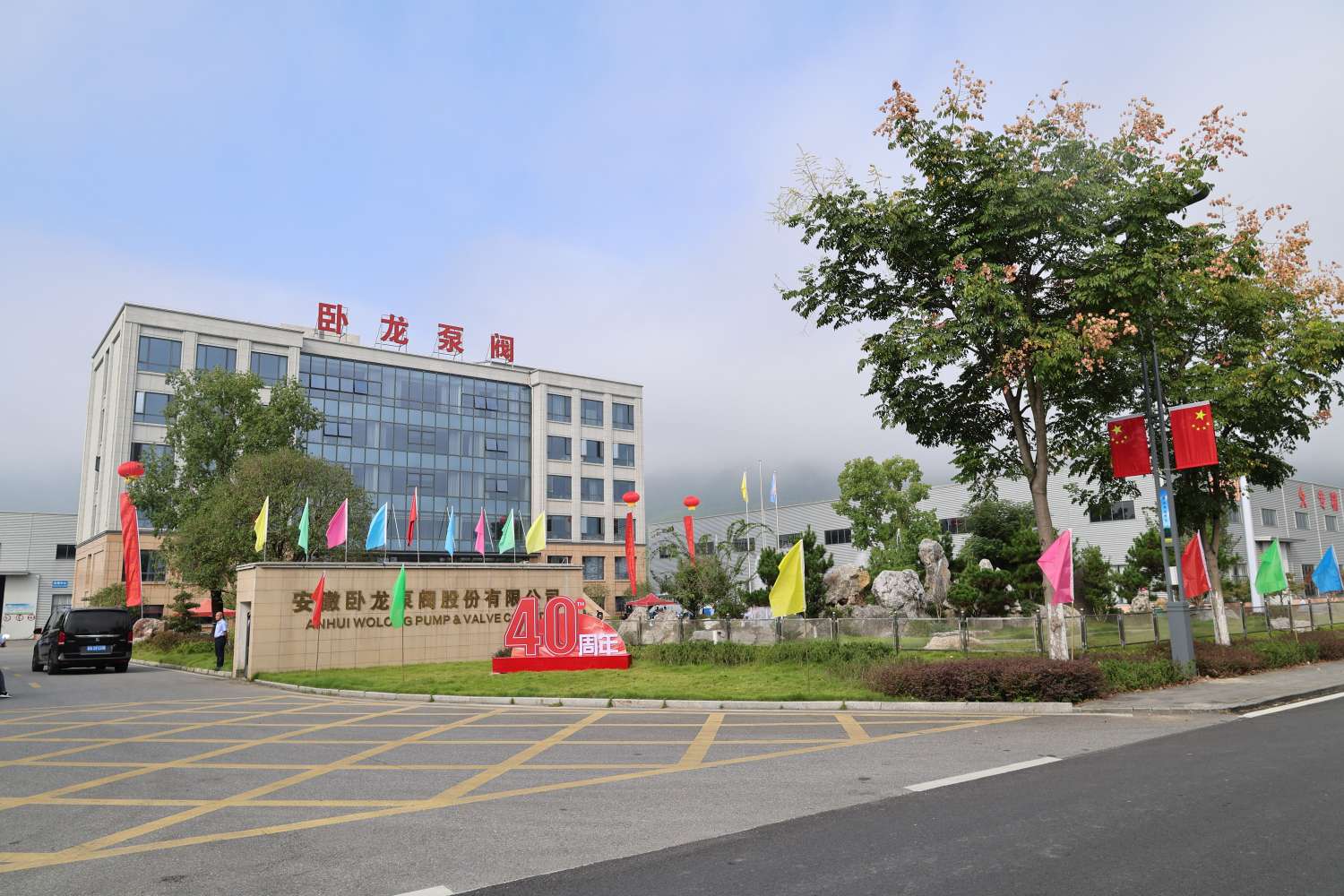
In modern chemical production, the raw material transportation process is like the "lifeblood" of the system, and its safety and stability are the cornerstone of overall operation. As the core equipment of this critical link, the performance of chemical pumps directly determines production safety, efficiency, and cost. We are well aware of the great responsibility, so we have always focused on the research and manufacturing of high-performance chemical pumps. By adopting advanced sealing technology and special corrosion-resistant alloy materials, we have fundamentally constructed a sturdy anti leakage barrier, effectively blocking the leakage of hazardous media and building the first line of defense for safe production.
In response to the complex composition and harsh working conditions of chemical media, Anhui Wolong Pump and Valve Co., Ltd. has conducted in-depth fluid dynamics research and continuously optimized the core component of the pump - the impeller. The new impeller spectrum not only significantly improves the smoothness and continuity of transportation, reduces pulse and cavitation phenomena, but also achieves significant energy-saving effects in the high-efficiency zone, helping customers reduce long-term operational energy consumption. Each delivered pump is not simply subjected to factory inspection, but undergoes rigorous performance and endurance testing on a testing platform that simulates real working conditions to ensure its reliable performance in practical applications. Our products can be widely adapted to various complex chemical scenarios such as acid and alkali transportation, solvent circulation, and high-risk medium transfer. We are committed to providing stable, efficient, and safe transportation solutions to make your production process more secure and reassuring.
The Great Cold comes at the end of the year, with winter passing and spring coming. Once the Great Cold passes, a new cycle begins. Da Han, the last solar term among the 24 solar terms, is also the coldest period of the year. At the end of the year, as winter deepens and frost and snow alternate, Anhui Wolong Pump and Valve Co., Ltd. extends warm greetings and care to you.
In this season of sudden temperature drops, customers, partners, and all employees must pay attention to cold prevention and keep warm: add clothing in a timely manner, prevent colds due to large indoor and outdoor temperature differences; Pay attention to equipment maintenance: Cold weather may affect equipment operation, please do a good job of inspection and protection; Pay attention to travel safety: In rainy and snowy weather, the road is slippery, so be careful when driving or walking; Proper warming and conditioning: There is a saying in folk culture that "welcoming the new year with a great cold", which can be supplemented appropriately to accumulate energy;
The Great Cold has arrived, and spring is about to begin. A year of perseverance and hard work will turn into a new force when the ice and snow melt. Anhui Wolong Pump and Valve Co., Ltd., together with you, we have walked through the last cold winter and welcomed the new spring. Professional manufacturing, craftsmanship inheritance; Knowing each other's warmth and coldness, walking with you.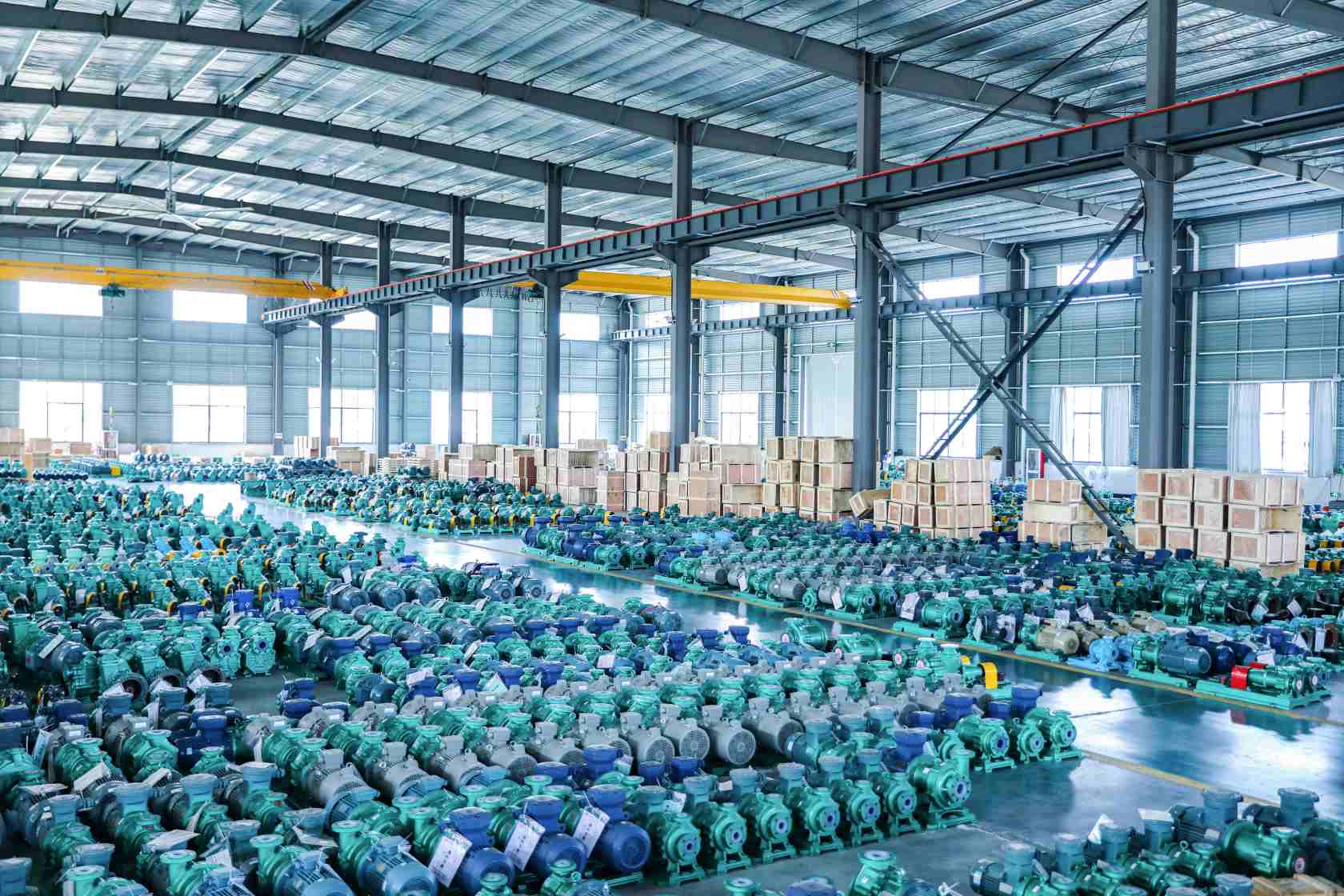
In chemical production, the adaptability of pumps directly affects the smoothness of the process and overall efficiency. Anhui Wolong Pump and Valve Co., Ltd., have been deeply involved in the manufacturing of chemical pumps for many years, and have a deep understanding of the demanding requirements of different medium characteristics on equipment. For complex media such as strong corrosion, high wear, easy crystallization, or containing particles, we continuously optimize the pump body structure design and use corrosion-resistant and wear-resistant materials to create the core overcurrent components, significantly improving the pump's medium adaptability and service life. From raw material transportation to intermediate reactions, and then to finished product transportation, each pump undergoes strict multiple rounds of sealing testing and precise operation debugging before leaving the factory, ensuring that it can still achieve stable, low consumption, and low-noise long-term operation under complex working conditions such as high pressure, high temperature, and vacuum.
This persistent pursuit of reliability stems from our profound understanding of the continuity and safety of chemical production. The fluctuation of one link may affect the overall situation, and as the "power heart" in the process, the stability of the pump is crucial. Therefore, we not only focus on the performance parameters of the pump itself, but also strive to provide customers with overall solutions that are highly compatible with the process. Through in-depth communication and working condition analysis in the early stage, customized design and lean manufacturing in the middle stage, and installation guidance and continuous service in the later stage, we ensure that every pump put into operation can seamlessly integrate into the production chain, effectively reducing the risk of unplanned downtime and maintenance costs. In the end, all these efforts converge into a simple goal: to make every aspect of your production process more efficient, safe, and worry free.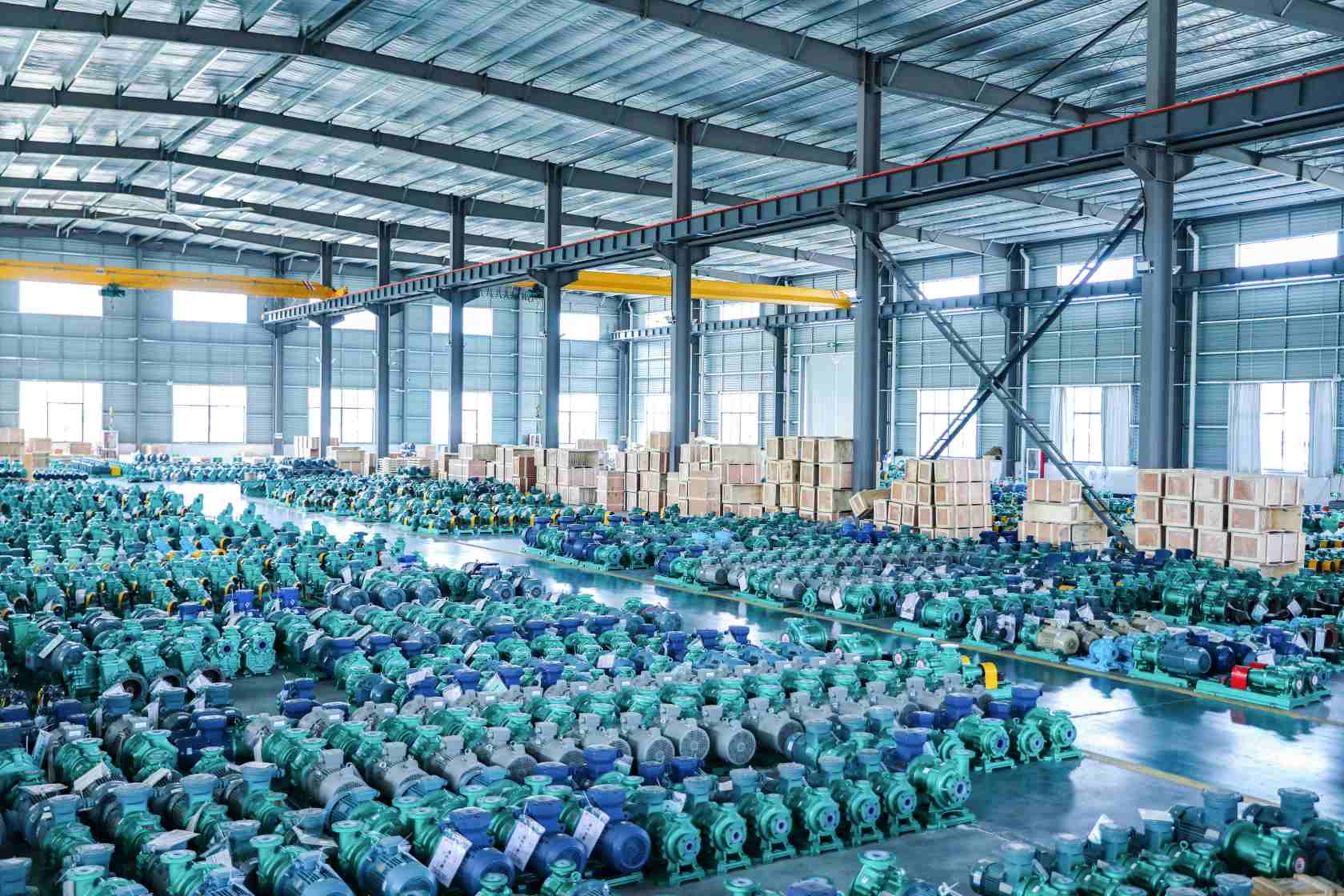
In chemical production, frequent equipment damage and short service life are long-standing pain points that have plagued enterprises. They not only lead to production interruptions and increased maintenance costs, but also directly affect overall operational efficiency and safety. To this end, Anhui Wolong Pump and Valve Co., Ltd. focuses on the research and manufacturing of chemical pump products, placing excellent quality at the core. From design, material selection to strict control of processes, we ensure that every pump has excellent corrosion resistance, wear resistance, and fatigue resistance. By optimizing the fluid structure and operational stability, our chemical pumps can significantly reduce equipment losses, fundamentally extend their service life, and help you get rid of the trouble of frequent equipment replacement.
We insist on direct supply from the source, eliminating intermediate links, and providing more competitive prices while ensuring high quality. We also support customization according to specific requirements for different working conditions, and can adapt to a variety of corrosion-resistant and high-temperature resistant materials to ensure that the equipment perfectly matches your process conditions. Choosing our chemical pumps means one investment, long-term benefits - not only significantly reducing equipment replacement and maintenance costs, but also continuously providing reliable power for the production system, truly solving the problem of chemical production equipment lifespan, allowing you to focus on production with peace of mind.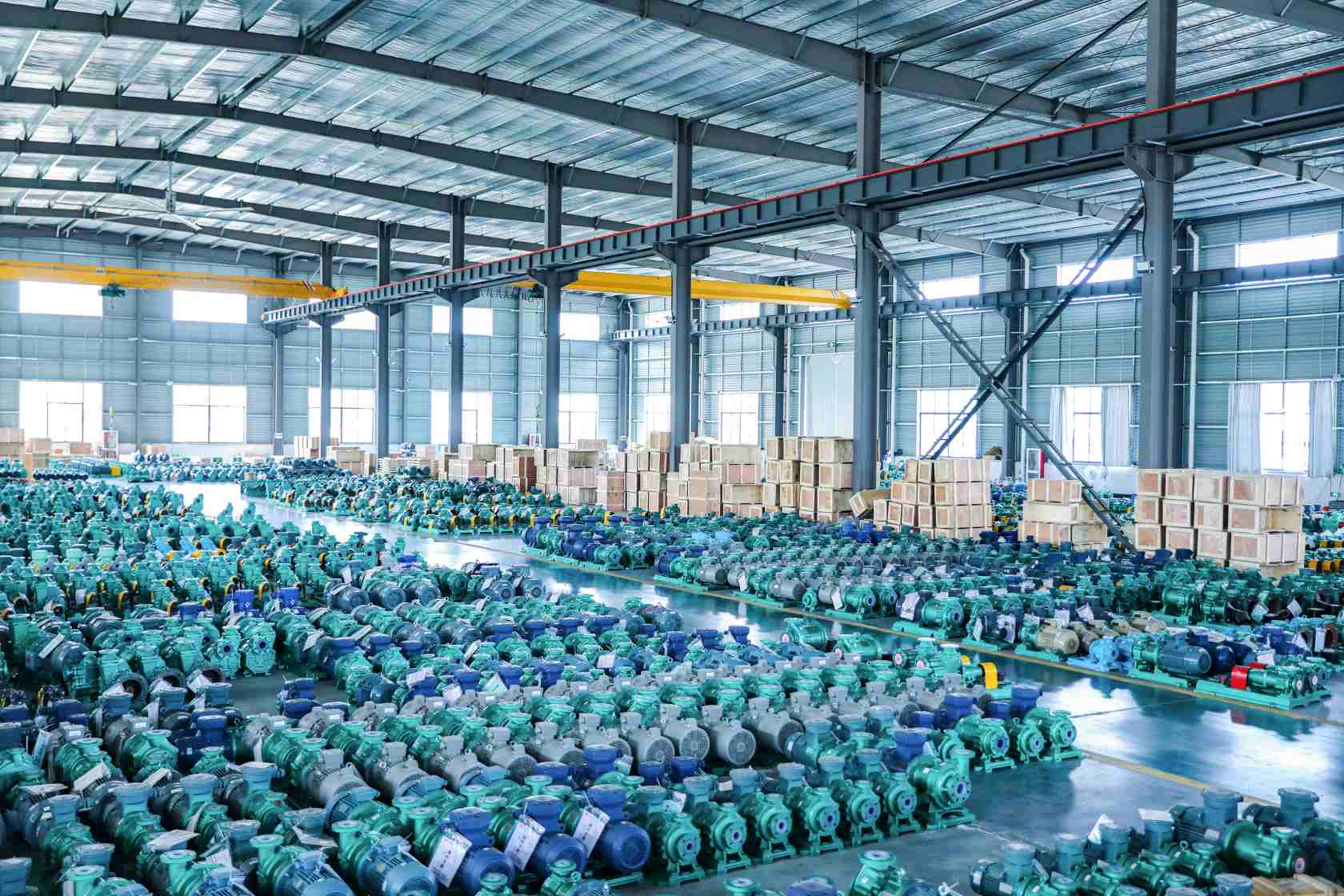
Polyvinyl butyral (PVB), due to its excellent transparency, toughness, superior metal adhesion, and good film-forming properties, occupies an important position in coatings, adhesives, printing inks, and safety glass interlayers. By adjusting the degree of polymerization (molecular weight), degree of acetalization, and residual hydroxyl content, PVB is endowed with diverse physicochemical properties, forming a matrix of specifications to meet different industrial needs.

1. Core Specification System: Performance Comparison of HX, SY, and TX Series
The differences in PVB specifications are mainly reflected in two dimensions: viscosity (molecular weight) and degree of acetalization.
1.1 Differences in Viscosity (Molecular Weight) Grades
Viscosity is a core indicator determining the processing fluidity and film strength of PVB.
♠ Low-viscosity grades (PVB Resin B-02HX, CCP B-03HX):
Performance characteristics: Excellent dissolution speed and low viscosity at high solid content, with strong permeability.
Key applications: Mainly used in printing inks, metal foil coatings, and penetrating primers. Due to its shorter molecular chains, it provides a smooth film surface and good wettability.
♠ Medium-viscosity grades (CCP B-06HX, Changchun PVB B-08HX):
Performance characteristics: Balances processability and toughness, making it the most widely used "all-rounder" grade.
Key applications: Widely used in wood coatings (sealers) and ceramic adhesives. Its viscosity is sufficient to maintain pigment suspension while ensuring the strength of the green body after sintering.
♠ High-viscosity grades (Changchun PVB B-17HX, PVB B-20HXB):
Performance characteristics: High molecular weight, resulting in extremely high impact strength and tensile strength after film formation.
Key applications: Primarily used in safety helmets/composite materials and peelable protective films. In these areas, PVB provides strong structural support, preventing materials from shattering under stress.
1.2 Trade-off between Degree of Acetalization and Polarity
♣ HX series (standard type): The degree of acetalization ranges from 72-88wt%, providing good general solubility (e.g., in alcohol solvents).
♣SY series (high degree of acetalization): This series has a higher butyral group content. Comparative Advantages: Increased acetal content means enhanced hydrophobicity. Compared to the HX series, the SY series exhibits superior solubility in non-polar solvents (such as methyl ethyl ketone and toluene mixtures), lower water absorption, and better dimensional stability. It is commonly used in special paints or precision electronic adhesives requiring excellent water resistance.
♣ TX Series (Special Modification):
Comparative Advantages: Designed for high-temperature processing environments. Its optimized residual hydroxyl group distribution significantly improves heat resistance after crosslinking with resins.
Key Applications: Specifically used in printed circuit boards (PCB) and copper foil adhesives, capable of withstanding the high temperatures during the soldering process.
2. Comparison of Solubility Behavior in Different Solvent Systems
The performance of PVB is highly dependent on the choice of solvent. The manual indicates that PVB is readily soluble in alcohols, ketones, and esters, but insoluble in pure hydrocarbons.
Solvent Strength Comparison: Alcohols (such as ethanol and isopropanol) are the most commonly used solvents, providing stable viscosity; while adding a small amount of aromatic solvents (such as toluene and xylene) not only reduces costs but also effectively lowers system viscosity and improves coating efficiency.
Effect of Water Content: PVB is extremely sensitive to water. The manual emphasizes that even a very small amount of water in the solvent can lead to a sharp increase in solution viscosity, or even gelation. Therefore, in safety glass or optical films requiring high transparency, the solvent specifications must be strictly controlled.
3. Comparison of PVB's Functional Roles in Multiple Fields
Adhesion vs. Sintering Residue (Ceramic Industry)
In ceramic adhesives, compared to other organic resins, PVB's advantage lies in its extremely high green strength. It allows the powder to be tightly packed in the mold and has a "residue-free" characteristic during the sintering process, ensuring the electrical performance and mechanical structure of the ceramic product.
Anti-corrosion Function vs. Decorative Function (Metal Coating)
In wash primers, PVB reacts with chromates and phosphates to form a chemically bonded layer on the metal surface, providing excellent anti-corrosion performance. This contrasts sharply with its role as purely a leveling agent and film-forming agent in baked enamel coatings for metal cans.
Enhanced Toughness (Resin Modification)
When PVB is used in combination with epoxy resin or phenolic resin, its function shifts from being the "main film-forming component" to a "modifier." Compared to the brittleness of pure epoxy resin, the addition of PVB significantly improves impact toughness and adhesion to metals due to the incorporation of long-chain PVB into the cross-linked network formed during the resin curing process.
Low-viscosity grades prioritize flow and penetration, making them ideal for inks and primers;
High-viscosity grades prioritize strength and toughness, making them core components for structural materials and protective films;
High acetal content and modified grades (SY/TX) provide specialized solutions for extreme environments requiring water and heat resistance.
Website: www.elephchem.com
Whatsapp: (+)86 13851435272
E-mail: admin@elephchem.com
In the industrial application of chloroprene rubber, the processing performance and physical properties of the rubber vary significantly depending on the type of regulator used during the polymerization process. CR121 and CR322 are two highly representative general-purpose chloroprene rubbers. This article will analyze the specific differences between sulfur-modified (CR121) and mixed-modified (CR322) chloroprene rubber from three dimensions: technical characteristics, processing performance, and application selection, providing professional reference for production and processing.
1. Comparison of Technical Characteristics and Performance Indicators of CR121 and CR322
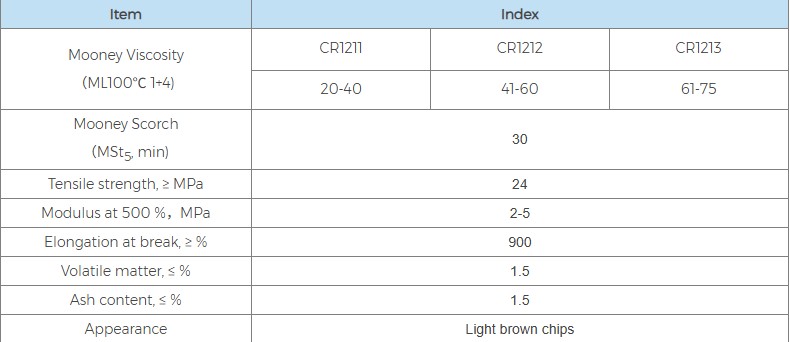
CR121 belongs to the classic sulfur-modified chloroprene polymer. This type of rubber uses sulfur as a regulator during polymerization, and its molecular chain contains a certain amount of sulfur segments, which gives it good tear resistance and flexural resistance. In terms of physical form, CR121 is a yellowish-white or light brown block, with a density of 1.23. From a performance standard perspective, the crystallization rate of CR121 is at a medium-to-low level, its tensile strength is not less than 24 MPa, and its elongation at break is excellent, usually above 900%. In industry standards, CR121 is similar to Dupont Neoprene GNA and Denka Chloroprene PM-40.
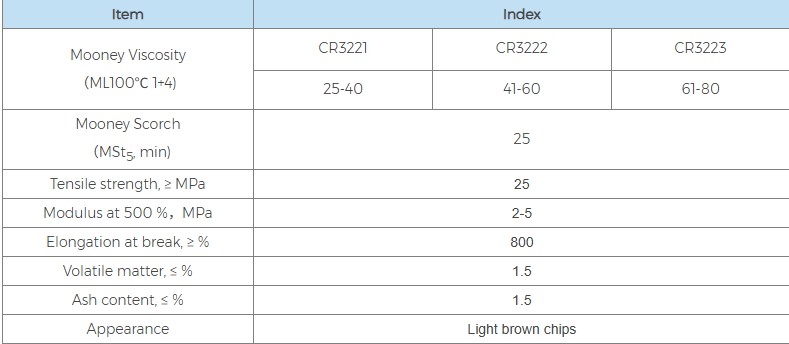
In contrast, CR322 is a chloroprene polymer that uses sulfur and diisopropyl xanthate disulfide as mixed regulators. This "mixed modification" mode aims to retain the advantages of sulfur-modified types while introducing xanthate to improve the stability and processing flexibility of the rubber compound. CR322 is also a yellowish-white or light brown block, with a density of 1.23, and its crystallization rate is also medium-to-low. In terms of core physical indicators, the tensile strength of CR322 is slightly higher than that of CR121, reaching over 26 MPa, but the elongation at break is slightly lower, approximately 800%. This model is similar in performance to Dupont Neoprene GW.
In terms of Mooney viscosity, both offer subdivided grades to meet different needs. CR121 includes specifications such as CR1211 (20-40), CR1212 (41-60), and CR1213 (61-75). CR322 correspondingly offers grades such as CR3221 (25-40), CR3222 (41-60), and CR3223 (61-80). Both exhibit consistent Mooney scorch time, requiring more than 30 minutes, ensuring good thermal stability.
2. Analysis of Differences in Processing Performance and Physical Strength
Although CR121 and CR322 are similar in some basic physical indicators, the actual production experience brought about by "mixed modification" and "pure sulfur modification" is quite different.
The core advantage of CR121 lies in its extremely high elastic reserve and excellent dynamic fatigue resistance. Due to its elongation at break reaching 900%, under working conditions requiring significant stretching or frequent bending, the molecular chains of CR121 exhibit stronger fatigue resistance. However, the disadvantage of the pure sulfur modified type is that it requires stricter processing techniques, especially during mixing and extrusion, where the control of rubber flow and viscosity requires extensive experience.
CR322 is designed to compensate for the shortcomings of traditional sulfur-modified types. Official technical data shows that CR322 has better processing performance than pure sulfur-modified rubber. In actual production, due to the introduction of xanthate modifiers, CR322 has better plasticizing performance and more stable molding fluidity. In addition, CR322's tear strength is particularly outstanding, which matches its tensile strength of 26 MPa. This means that in situations involving sharp objects scratching or strong tearing, CR322 can provide more robust structural protection than CR121.
Furthermore, in terms of storage stability, both are basically the same. From the date of manufacture, they can be stored for one year below 20℃ and for six months below 30℃. However, in extreme climates or complex warehouse environments, the mixed-modified CR322 often exhibits better resistance to physical property degradation than the pure sulfur type, thanks to its diversified molecular structure improvements.
3. Typical Application Scenarios and Selection Guidelines
The choice between CR121 and CR322 depends primarily on the dynamic load requirements and manufacturing process of the final product.
♠ Applicable Scenarios for CR121: Due to its excellent flexural resistance and high elongation, CR121 is the preferred choice for manufacturing high-performance transmission products.
Industrial belts: Including conveyor belts, multi-ribbed belts, V-belts, and synchronous belts. In these applications, the rubber is repeatedly bent around pulleys, and the excellent bending fatigue resistance of CR121 significantly extends the belt's service life.
Heavy-duty cable sheathing: Especially for mining cable sheathing and other applications requiring frequent movement and dragging, the tear resistance and flexibility of CR121 provide reliable physical protection.
♠ Applicable Scenarios for CR322: Thanks to its higher physical strength and optimized processing rheology, CR322 performs better in structural rubber components.
Hose products: CR322 is commonly used in the manufacture of various chemical-resistant and weather-resistant industrial hoses. Its high tear strength ensures that the hose body is less prone to structural failure under pressure or external abrasion.
Complex molded parts: Due to its superior processing performance compared to sulfur-modified types, for rubber parts with complex shapes and high mold cavity filling requirements, using CR322 can effectively reduce the scrap rate and improve production efficiency.
Specialty tapes: In the manufacture of tapes requiring extremely high strength, CR322, with its tensile strength advantage of 26 MPa, can provide stronger load-bearing capacity.
Summary: If you are pursuing ultimate flexibility and dynamic fatigue resistance (such as synchronous belts and V-belts), CR121 is the technical "gold standard." If your production process requires high fluidity and moldability of the rubber compound, or if your product requires higher tensile strength and tear protection (such as pressure hoses and high-strength seals), then the mixed-modified CR322 will be a more efficient and cost-effective choice.
In practical applications, users also need to make fine adjustments based on specific grades (such as different Mooney viscosity levels). For example, CR1211 is suitable for processes requiring good flowability, while CR3223 is suitable for heavy industrial applications that demand higher hardness and tensile strength. Understanding the chemical modification mechanisms of these two materials is crucial for improving the quality of rubber products.
Website: www.elephchem.com
Whatsapp: (+)86 13851435272
E-mail: admin@elephchem.com
1. Mechanism of Elvanol in Paper Surface Treatment
In the modern paper industry, surface treatment has become an important means of increasing the added value of paper. Printability, surface strength, and barrier properties against oils and solvents all highly depend on the material selection of the surface sizing or coating system. Elvanol polyvinyl alcohol, as a high-performance water-based film-forming material, is widely used in paper surface treatment.

Elvanol is a fully or highly hydrolyzed polyvinyl alcohol with excellent film-forming ability. Its regular molecular chain structure allows it to form a continuous and dense film during drying, significantly improving the surface strength and barrier properties of the paper. Compared to using starch alone, the film formed by Elvanol is tougher, has stronger chemical resistance to oils, waxes, and solvents, and exhibits higher water resistance.
Using Elvanol in the sizing press or calendering stage can significantly improve the paper's resistance to linting, dusting, and cracking. Even at low addition levels (approximately 10% solids content), it can achieve surface strength and folding strength superior to traditional starch systems. This characteristic makes it particularly suitable for high-filler paper, recycled fiber paper, and paper types requiring high printability.
In addition, Elvanol has good compatibility and can coexist stably with modified starch, CMC, alginates, wax emulsions, and common papermaking additives, providing greater flexibility for papermaking process adjustments.
2. Application Advantages of Elvanol in Improving Barrier, Strength, and Printing Performance
♣ Surface Barrier Properties
Elvanol is one of the most powerful water-based barrier film-forming materials in the paper industry. The film it forms has a natural barrier effect against oils, greases, and organic solvents, and is therefore often used in applications such as greaseproof paper, oil-resistant packaging paper, and copier paper. In oil-resistant systems, Elvanol can also serve as an effective carrier for fluorochemicals, improving the stability and efficiency of the overall barrier system.
♣ Surface Strength and Structural Stability
Compared to starch-sized paper, paper treated with Elvanol exhibits superior resistance to surface abrasion, cracking, and linting. Its high bonding strength effectively binds fibers and fine surface particles, reducing linting and dusting, thereby lowering the frequency of blanket contamination and downtime for cleaning during printing. This advantage is particularly evident in high-speed offset printing and high-precision printing.
At the same time, Elvanol allows for a higher proportion of fillers or recycled fibers while maintaining strength, helping paper mills control costs while maintaining paper performance.
♣ Printability and Coating Suitability
Elvanol-treated paper surfaces are smoother and have excellent ink holdout. Due to its oil and solvent resistance, ink does not easily penetrate the paper base, resulting in higher print gloss and image clarity. In pigment sizing systems, Elvanol, as a binder, exhibits significantly stronger binding power than acrylic emulsions, styrene-butadiene latex, casein, and starch, and can replace traditional binders at certain ratios, optimizing the pigment/binder ratio.
3. Typical Elvanol Grades and Application Characteristics in Papermaking
Based on different paper types and process requirements, we offer a variety of product grades with different viscosities and structures. The following are commonly used grades in the papermaking industry and their application characteristics:
| Grade | Polymer Type | Viscosity Level | Key Functions | Typical Uses |
| Elvanol 71-30 | Fully hydrolyzed PVOH | Medium | Film forming, binding, grease resistance | Surface sizing; FWA carrier; lint and dust control; grease-resistant papers |
| Elvanol 80-18 | Fully hydrolyzed PVOH | Medium | Grease barrier, high solids stability | Grease-proof packaging papers; high-solids sizing and coating |
| Elvanol 75-15 | Fully hydrolyzed PVOH | Medium–Low | Binder reinforcement | Starch reinforcement; lint reduction; high-solids sizing and coating |
In optical brightening systems, Elvanol acts as a carrier for fluorescent whitening agents (FWAs), significantly improving whitening efficiency. Adding Elvanol at 0.5–2.5% of the pigment weight in pigment systems results in significantly better whitening effects than using FWA alone, while also reducing the amount of traditional carriers such as starch and casein.
Website: www.elephchem.com
Whatsapp: (+)86 13851435272
E-mail: admin@elephchem.com
In the modern field of fine chemicals, polyvinyl alcohol (PVA), as a versatile water-soluble polymer, is widely used in various industries such as papermaking, textiles, adhesives, and packaging materials. Among the many PVA products, the ELVANOL series, with its unique production process and excellent physicochemical properties, has become a high-performance benchmark in industrial applications.
1. Core Technological Advantages and Physicochemical Characteristics of ELVANOL
The primary reason for ELVANOL's high market recognition lies in its unique particle morphology and molecular structure design. This special production process significantly improves efficiency in practical operations.
♠ Excellent Solubility and Energy-Saving Benefits
Traditional polyvinyl alcohol often requires high temperatures and long stirring times during the dissolution process, which not only increases energy consumption but also limits its application in some continuous production lines. A major technological breakthrough of ELVANOL is its ability to dissolve simultaneously in the continuous cooking process of starch. For the papermaking and textile industries, this means that PVA can be directly mixed and processed with starch, eliminating the need for separate dissolution tanks or complex pre-treatment processes.
From a physical perspective, this improved water solubility directly translates into reduced production costs. The significantly shortened dissolution time improves the turnover rate of production equipment and significantly reduces the thermal energy consumption during the heating process. For large manufacturing enterprises pursuing ultimate cost control, this characteristic of ELVANOL has extremely high economic value.
♠ Precise Viscosity and Degree of Hydrolysis Control
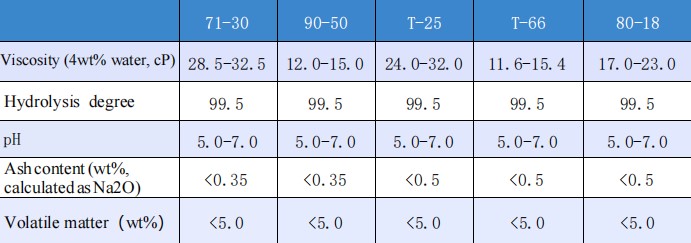
The ELVANOL series offers a variety of grades to meet different process requirements. For example, the Elvanol 71-30 grade has a viscosity range of 28.5-32.5 cP in a 4 wt% aqueous solution, while the Elvanol 90-50 grade is controlled at 12.0-15.0 cP. All mainstream grades (such as Elvanol 71-30 and Elvanol 80-18) have a degree of hydrolysis of 99.5%. This high degree of hydrolysis means that the molecular chain contains a very high proportion of hydroxyl groups, ensuring its excellent film-forming properties and extremely high adhesive strength. Meanwhile, its pH value remains stable between 5.0 and 7.0, exhibiting weak acidity to neutrality, and it possesses excellent chemical stability with most inorganic fillers and substrates.
♠ Synergistic Reinforcement Effect with Inorganic Materials
In compression molding or composite material manufacturing, ELVANOL demonstrates excellent mixing uniformity. It can form stable reinforced mixtures with fine powdered inorganic fillers. During the molding process, this uniformity prevents localized stress concentration, improving the structural integrity and surface finish of the final product.
2. Key Application Areas: From Paper Coating to Textile Warp Sizing
ELVANOL's application range covers multiple fields, from high-end adhesives to precision photosensitive coatings, with particularly outstanding performance in the paper and textile industries.
♣ Performance Multiplier in the Paper Industry
In paper coating applications, ELVANOL is typically used as a co-binder mixed with starch. Due to its excellent barrier properties, it effectively improves the paper's resistance to oil, grease, and oxygen. More importantly, ELVANOL's solubility in continuous cooking processes allows paper mills to simplify the coating preparation process. Through synergistic interaction with starch, it significantly enhances the surface strength of the paper, reducing dusting and linting during the printing process, making it particularly suitable for the production of high-end art paper and packaging cardboard. The T-Series Revolution in the Textile Industry: The Preferred Choice for Polyester/Cotton Blends
For the textile industry, ELVANOL has specially developed the T-series (such as Elvanol T-25) of unique copolymers. This series is designed specifically for polyester/cotton blends and other warp sizing applications.
A major challenge in textile processing is "desizing." Traditional sizing agents often require large amounts of chemical reagents during the desizing process, and the results are often unsatisfactory. The unique feature of the ELVANOL T-series is its stronger water solubility under alkaline conditions. In the finishing stage, the fabric only needs to be treated in a standard alkaline bath to achieve rapid and thorough desizing. This not only improves the dyeing uniformity of the fabric but also reduces chemical damage to the fibers. Diverse Industrial Applications
Besides its two main pillar industries, ELVANOL also plays an irreplaceable role in the following areas:
- Adhesives: With its high bonding strength and film-forming properties, it is used for bonding wood, paper, and porous materials.
- Ceramic Industry: As a green body binder, it improves the strength of molded green bodies.
- Photosensitive Coatings: Utilizing its high purity and low ash content (Na2O less than 0.35%-0.5%), it is used in precision electronic chemicals.
- Molding: Provides a more uniform molding effect, suitable for the manufacture of complex-shaped parts.
3. Environmental Attributes and Sustainable Development of Future Industries
Under today's stringent global environmental regulations and carbon neutrality goals, the environmental attributes of materials have become a core criterion for corporate procurement. ELVANOL was designed with environmental compatibility in mind from the outset.
♥ Biodegradable and Environmentally Harmless
ELVANOL is a polymer that poses no health hazards. In specific industrial wastewater treatment environments, it can be decomposed by microorganisms into carbon dioxide and water, greatly reducing the pressure on wastewater treatment systems. Compared to many synthetic plastic slurries, its biodegradability makes it a preferred material for green textiles and environmentally friendly packaging.
♥ Resource Recycling and Circular Economy
In the textile industry, the recycling of sizing agents is an important means of reducing costs and pollution. ELVANOL copolymers exhibit strong performance stability during recycling, and their film-forming and bonding properties do not significantly degrade even after multiple cycles. This makes it one of the most economical textile sizing agents on the market that meets environmental requirements.
♥ Indirect Environmental Benefits from Low Ash Content and High Purity
The volatile content of ELVANOL is consistently controlled below 5.0%. This high solid content and low impurity (low ash content) characteristic means that very few harmful gases and residual inorganic salts are released during the processing and heat treatment of the final product. This not only protects the precision of production equipment but also reduces the burden of exhaust gas treatment.
♥ Compliant with Sustainable Development Strategies
As consumer demand for sustainable products grows, companies using ELVANOL as a raw material can more easily obtain relevant environmental certifications. Whether in reducing production energy consumption or in the end-of-life treatment of products, ELVANOL demonstrates a forward-thinking industrial mindset: achieving a win-win situation between production efficiency and ecological balance through technological innovation.
The ELVANOL series of polyvinyl alcohol is not only a chemical raw material but also a mature industrial solution. Through special molecular design, it solves technical challenges such as dissolution efficiency, application strength, and alkaline desizing, while its biodegradable and recyclable properties address the contemporary demand for environmental protection.
Website: www.elephchem.com
Whatsapp: (+)86 13851435272
E-mail: admin@elephchem.com
- Bismaleimide Series2
- Cross-Linking agent / Vulcanizing Agent1
- Curing Agent1
- Epoxy Resin1
- Ethylene-VinylAlcohol Copolymer(EVOH)1
- Fish Oil1
- Food Additives3
- Glucosamine1
- Heat-resistant modifier series1
- High Assay Quaternary Ammonium Compounds9
- Low Assay Quaternary Ammonium Compounds13
- Modified Polyvinyl Alcohol1
- Monomalemide Series2
- Other Surfactants/Catalysts8
- Plastic Random Packing1
- Plastic Structured Packing1
- Polyacrylamide1
- Polyurethane Resin2
- Polyvinyl Alcohol (PVA)2
- Power Coatings3
- Quaternary Ammonium Hydroxide4
- Special Quaternary Ammonium Compounds7
- TPU4
- Tertiary Amines1
- UV Ink1
- VAE Emulsion (Vinyl Acetate–ethylene Copolymer Emulsion)1
- aluminum paste1
- antiform2
- fire sleeve2
- resin2