Polyamide materials have revolutionized the world of plastics due to their excellent mechanical properties, versatility, and reliability. Among the various polyamides available, reinforced Nylon 6 raw material, polyamide fiber particles, bright Polyamide 6 chip, and factory supply PA polyamide have garnered significant attention. Additionally, plastics Nylon 66 pellets and the cheapest Nylon PA 6 plastic granules have emerged as popular choices in several industries. Let’s delve into the fascinating world of these innovative polyamides and explore their unique characteristics.
Reinforced Nylon 6 Raw Material: Unleashing Strength and Durability
Reinforced Nylon 6 raw material, also known as polyamide 6, offers exceptional mechanical strength and toughness. By incorporating reinforcing agents like glass fibers, carbon fibers, or minerals, its properties are enhanced further, making it an ideal choice for demanding applications. The addition of these reinforcing agents improves the material’s resistance to impact, heat, and wear, making it suitable for automotive, electrical, and industrial components.
Polyamide Fiber Particles: A Showcase of Flexibility and Versatility
Polyamide fiber particles are highly flexible and widely used in various applications. With their excellent elasticity and resistance to abrasion, these fibers find extensive application in the textile industry, where they are used to produce items such as clothing, upholstery, and carpets. Additionally, their high tensile strength ensures durability and longevity in different demanding environments.
Bright Polyamide 6 Chip: Enabling Vibrant and Vibrant Creations
The bright Polyamide 6 chip is a modified form of polyamide that offers excellent colorability and exceptional aesthetics. With its ability to retain vibrant hues, it is widely used in the production of consumer goods like bags, toys, and accessories. This chip ensures that the final products exhibit an appealing visual appeal without compromising on mechanical strength or durability.
Factory Supply PA Polyamide: Ensuring Consistent Quality and Availability
Factory supply PA polyamide offers a reliable source of high-quality polyamide materials. With a steady production process and stringent quality control measures, these materials meet industry standards consistently. This reliability ensures that manufacturers have a consistent supply of polyamides, enabling smooth production operations and reducing the risk of material shortages.
Plastics Nylon 66 Pellets: Balancing Strength and Heat Resistance
Plastics nylon 66 pellets are known for their excellent balance between mechanical strength and heat resistance. With superior rigidity and elevated melting points, this material is often utilized in applications that demand high-performance and reliability. Industries such as automotive, electronics, and aerospace benefit from the properties offered by nylon 66, ensuring optimal performance under extreme conditions.
Cheapest Nylon PA 6 Plastic Granules: Affordable Solutions Without Compromising Quality
The cheapest Nylon PA 6 plastic granules provide an affordable alternative without compromising on the quality and performance of polyamide materials. These granules are widely used in various industries, including packaging, consumer goods, and automotive components. Offering cost-effective solutions, they are an attractive option for manufacturers looking to optimize production costs while maintaining high-quality standards.
In conclusion, the introduction of reinforced Nylon 6 raw material, polyamide fiber particles, bright Polyamide 6 chip, factory supply PA polyamide, plastics Nylon 66 pellets, and the cheapest Nylon PA 6 plastic granules have revolutionized the polyamide industry. With their unique characteristics, these materials have proven to be indispensable in various sectors, including automotive, textile, consumer goods, and more. As technology advances, these innovative polyamides continue to evolve, offering even more possibilities for manufacturers and igniting new applications in the world of plastics.
Unlocking the Potential of PVA Fiber in Sustainable Textiles
In a world increasingly focused on sustainability, PVA (Polyvinyl Alcohol) fiber is carving out a niche as a groundbreaking material in the textile industry. With its unique characteristics, PVA fiber is not just a replacement for traditional fibers but a revolutionary solution for eco-conscious brands and consumers. Let’s explore what makes PVA fiber a standout choice for modern textiles.

What Makes PVA Fiber Special?
PVA fiber is derived from Polyvinyl Alcohol, a synthetic polymer that offers remarkable benefits. Unlike many conventional fibers, PVA fiber is biodegradable and dissolvable in water, making it a powerful ally in the quest for sustainable materials.
The Advantages of PVA Fiber
- Eco-Conscious Choice: PVA fiber’s ability to break down naturally in the environment addresses the pressing issue of textile waste. It’s a step forward for brands committed to reducing their ecological footprint.
- Innovative Applications: The unique water-soluble nature of PVA fiber opens doors to innovative uses, such as dissolvable textiles for temporary applications, reducing waste in production processes.
- Strength and Versatility: Despite being lightweight, PVA fibers boast high tensile strength, making them suitable for a range of applications, from clothing to industrial uses.
- Blending Potential: PVA can be blended with other fibers, enhancing fabric properties while maintaining sustainability, perfect for eco-friendly fashion lines.
Creative Uses of PVA Fiber
- Fashion Forward: Designers are using PVA fiber to create stylish, sustainable clothing that meets the growing demand for eco-friendly options. The versatility allows for creative designs without compromising on comfort.
- Medical Innovations: In healthcare, PVA fibers are finding their place in biodegradable sutures and dressings, offering safe, effective solutions that align with sustainability goals.
- Sustainable Packaging: PVA’s dissolvable properties are being harnessed to produce environmentally friendly packaging solutions, ideal for brands looking to eliminate plastic waste.
- Advanced Filtration: The filtration industry is exploring PVA fibers for air and water purification, leveraging their unique characteristics to provide sustainable filtering solutions.
Why PVA Fiber is the Future
The shift towards sustainability in textiles is more than a trend; it's a necessity. PVA fiber represents an innovative solution that meets the needs of modern consumers and brands. Its combination of durability, biodegradability, and creative potential makes it an attractive choice for those looking to make a positive impact.
PVA fiber is not just another material; it’s a transformative force in the textile industry. By embracing PVA fiber, businesses can lead the way in sustainable practices while delivering high-quality products that resonate with eco-conscious consumers.
Explore the possibilities with PVA fiber and join the movement towards a more sustainable future in textiles! For more information, get in touch with us today!
Modern Applications of PVA (Polyvinyl Alcohol)
Polyvinyl Alcohol (PVA) is a synthetic polymer that has garnered significant attention across various industries due to its unique properties and versatility. In this blog, we'll explore what PVA is, its key characteristics, and the diverse applications that make it an essential material in today's world.
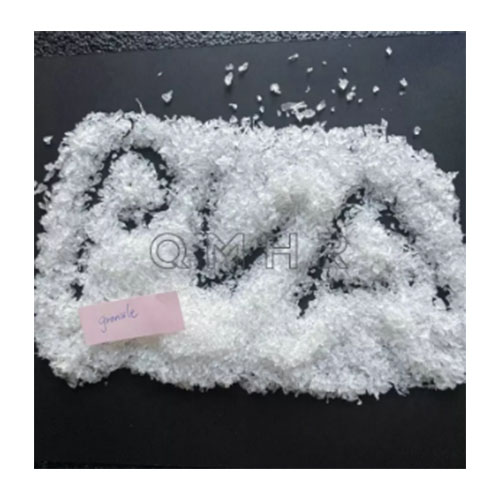
What is PVA?
PVA, or Polyvinyl Alcohol, is a water-soluble synthetic polymer derived from the polymerization of vinyl acetate. It is known for its excellent film-forming abilities, high tensile strength, and biodegradability, making it a preferred choice in numerous applications.
Key Properties of PVA
- Water Solubility: One of the most notable features of PVA is its solubility in water, which allows it to be easily processed and applied in various environments.
- Biodegradability: PVA is an eco-friendly option as it can break down in natural environments, reducing its impact on the planet.
- Film-Forming Ability: PVA can form strong, transparent films, which are useful in packaging and protective applications.
- Chemical Resistance: It exhibits good resistance to oils and solvents, making it suitable for various industrial uses.
Applications of PVA
- Packaging: PVA is widely used in the production of biodegradable films and bags, catering to the growing demand for sustainable packaging solutions.
- Textiles: In the textile industry, PVA serves as a sizing agent, helping to strengthen fibers and improve fabric performance.
- Adhesives: Due to its excellent adhesive properties, PVA is commonly used in glues and bonding agents across multiple sectors.
- Construction: PVA is utilized in construction materials as a binder, improving the strength and durability of products like cement and plaster.
- Medical: In the medical field, PVA is used in the production of contact lenses and other health-related products, owing to its biocompatibility.
Why Choose PVA?
The versatility of PVA makes it a go-to material for industries looking to balance performance with environmental responsibility. Its unique properties allow for innovative solutions that cater to both consumer needs and sustainability goals.
As the demand for eco-friendly materials continues to rise, PVA stands out as a robust option that meets various application requirements. Whether you're in packaging, textiles, or construction, incorporating PVA into your products can enhance performance while contributing to a greener future.
For more information on PVA and how it can benefit your business, feel free to reach out!
If you’re new to the world of rubber vulcanization, you may have come across the term “vulcanizing agent” or “crosslinking agent.” These are chemicals that help strengthen and enhance the properties of rubber compounds. One such agent is N,N’-m-phenylene dimaleimide (also known as PMDI), which is widely used in the rubber industry. In this step-by-step guide, we will walk you through the process of using PMDI to achieve optimal rubber vulcanization.
Step 1: Safety First
Before we dive into the process, it’s essential to prioritize safety. Rubber vulcanization involves working with chemicals, so make sure you have safety goggles, gloves, and a lab coat to protect yourself. Work in a well-ventilated area and follow all safety guidelines provided by the manufacturer.
Step 2: Gather the Materials
To start using PMDI, gather the necessary materials. You will need PMDI (N,N’-m-phenylene dimaleimide), a rubber compound, a mixing device (such as a two-roll mill or an internal mixer), and a vulcanization press.
Step 3: Preparation
Ensure that your work area is clean and free from any contaminants. Clean all tools and equipment before use. Also, measure and prepare the required amount of rubber compound for your desired application.
Step 4: Mixing
Add the measured amount of rubber compound to the mixing device (two-roll mill or internal mixer). Start the device and gradually increase the temperature to the specified level (as mentioned by the manufacturer) to soften the rubber compound.
Step 5: Add PMDI
Once the rubber compound reaches the desired temperature, add the PMDI slowly and evenly. The recommended dosage of PMDI may vary depending on the specific application and rubber compound being used. Refer to the manufacturer’s guidelines or technical data sheet for accurate dosage information.
Step 6: Integrate the Vulcanizing Agent
Maintain the mixing process until the PMDI is uniformly dispersed in the rubber compound. The thorough integration of the vulcanizing agent is crucial to ensure consistent and effective vulcanization.
Step 7: Vulcanization
Transfer the mixed rubber compound to the vulcanization press. Apply the appropriate temperature and pressure as specified by the manufacturer. Allow sufficient time for vulcanization to occur. This process will crosslink the rubber molecules, enhancing the material’s strength, durability, and other desired properties.
Step 8: Cooling and Testing
Once the vulcanization process is complete, carefully remove the rubber material from the press and allow it to cool down. After cooling, conduct various tests to evaluate the effectiveness of vulcanization and ensure that the desired properties have been achieved. These tests may include tensile strength, elongation, hardness, and other relevant parameters.
Step 9: Post-Treatment (if applicable)
Depending on the specific requirements of your application, the vulcanized rubber may undergo post-treatment processes such as washing, cutting, shaping, or further processing. Follow the appropriate steps as per your product specifications.
With these nine steps, you’ve successfully learned how to use N,N’-m-phenylene dimaleimide (PMDI) as a rubber vulcanizing agent. Remember to always adhere to safety guidelines and consult the manufacturer’s instructions for accurate dosage and specific application requirements. Enjoy exploring the fascinating world of rubber vulcanization and the numerous possibilities it offers!
As a leisure sport, fishing is becoming more and more popular among people. In our country, the group of fishing enthusiasts is growing day by day. Fishing line is a vital tool in the fishing process, and its quality directly affects the fishing experience. Fishing line, also known as fishing line, is an important part of connecting the fishing rod and the fishhook. It is mainly used to transmit the fisherman's power and sense the movement of the fish. Fishing line materials are diverse, including nylon line, PE line, carbon line, fluorocarbon line, etc. Fishing lines made of different materials have different characteristics and applicable scenarios.

Nylon line has good elasticity, abrasion resistance and corrosion resistance, and is widely used in various fishing environments. It is suitable for leisure fishing, black pit fishing, etc., especially for beginners. The PE line has extremely high pulling force, strong wear resistance and anti-aging properties, but the line quality is relatively hard and not easy to knot, so it is more suitable for fishing large fish, such as sturgeons, sharks, etc. Carbon wire has the characteristics of high strength, low elongation, and wear resistance, but it is more expensive. The diameter of the metal wire is mainly distributed between 0.08 mm and 0.30 mm, and has excellent wear resistance and tensile strength. Whether fresh or salt water, it maintains excellent performance in various fishing environments. The soft and smooth line body can not only reduce damage to the fish's mouth, but also make the line winding smoother.

Fishing line plays an important role in the fishing process. Understanding and mastering the relevant knowledge of fishing line will help improve your fishing skills and enjoy a more enjoyable fishing experience.
PA6 Pellets, the full name of Polyamide 6 Pellets, is a polymer compound produced through polymerization reaction using caprolactam as raw material. It has good mechanical properties, wear resistance, chemical resistance, self-lubrication and other advantages, and is widely used in automobiles, electronics, electrical, machinery, packaging and other fields. PA6 Pellets have high strength and tolerance, can withstand certain impact and tensile forces, and are suitable for manufacturing structural parts that bear certain loads. Wear resistance of PA6 Pellets PA6 Pellets have good chemical resistance and can resist most acids, alkalis, salts and other chemical substances, and are suitable for chemical equipment. Lubricity limit can reduce the friction coefficient of moving parts and extend the service life. PA6 Pellets have good thermal stability and can be used at higher temperatures, but with a certain initial heat deformation temperature, they can be used to manufacture automotive parts, such as engine covers, gears, bearings, oil pans, etc. In addition, PA6 Pellets have good insulation and dimensional stability and are suitable for electronic and electrical products, such as sockets, connectors, and coil housings.

As a high-performance engineering plastic, PA6 Pellets have become an important material in the plastics industry due to their excellent performance and wide range of applications. With the continuous development of my country's plastics industry, the market demand for PA6 Pellets will continue to grow, and the future development prospects are promising.

Nylon, whose scientific name is polyamide fiber, is a synthetic fiber. Nylon Monofilament is a form of nylon with the characteristics of high breaking strength, good wear resistance, moisture absorption and breath-ability. The production and application of Nylon Monofilament has developed rapidly and has become an important raw material in the textile industry. Nylon silk fabric is a lightweight fabric with strong strength and good wear resistance, ranking first among all fibers. Its wear resistance is 10 times that of cotton fiber, 10 times that of dry viscose fiber, and 140 times that of wet fiber. Therefore, its durability is excellent.

Various fabrics woven from nylon yarn have the characteristics of smooth feel, strong durability and affordable price. In addition, nylon filament can be stretched to 3-4 times its original length, has a recovery rate of more than 90%, and has good resistance to chemicals such as acids and salts. Not only that, nylon filament also has good hygroscopicity and breathability, makingclothes woven with it comfortable to wear. As a synthetic fiber with excellent properties, Nylon Monofilament has a wide range of applications, including industrial, medical and military fields.

High strength is a desirable quality in many plastic applications, as it ensures durability and reliability. In this article, we delve into the world of high strength PA6 plastics, a raw material that is garnering attention for its exceptional performance. Let’s take a closer look at the various types of PA6 plastic particles available in the market and their unique properties.
1. New Style PA6 Plastic Particle
One promising innovation in the realm of PA6 plastics is the emergence of new style PA6 plastic particles. These particles offer improved strength and resistance to wear, making them suitable for applications that demand high performance. Manufacturers achieve this by incorporating advanced additives and optimizing the manufacturing process. The resulting plastic particles exhibit enhanced mechanical properties and increased service life, ensuring reliability even in demanding environments.
2. Transparent Grade Reinforced Polyamide
Transparency is often a desirable characteristic when it comes to plastic materials. Transparent grade reinforced polyamide, a variant of high strength PA6, addresses this need effectively. By incorporating specialized reinforcing agents, manufacturers are able to produce transparent polyamide particles without compromising the material’s structural integrity. These particles find applications in industries such as automotive, electronics, and consumer goods, where transparency, strength, and durability are crucial.
3. High Viscosity Polyamide Fiber Particles
In some applications, high viscosity is a desirable property as it enables better flow and adhesion. High viscosity polyamide fiber particles are well-suited for such requirements. With their unique molecular structure and increased molecular weight, these particles offer improved melt flow characteristics and provide excellent binding properties. This makes them ideal for use in fiber-reinforced composites, where high toughness and adhesion to other materials are essential.
4. High Toughness Nylon 6 Plastic Granules
Nylon 6, a variation of PA6, is known for its exceptional toughness and impact resistance. These properties make it a preferred choice for demanding applications such as engineering components, sports equipment, and protective gear. High toughness nylon 6 plastic granules exhibit excellent mechanical strength, allowing them to withstand heavy loads and absorb shocks without failure.
In conclusion, high strength PA6 plastics offer immense potential as a raw material in various industries. The utilization of new style PA6 plastic particles, transparent grade reinforced polyamide, high viscosity polyamide fiber particles, and high toughness nylon 6 plastic granules demonstrates the versatility and adaptability of this material. As technology advances, we can expect further innovations in PA6 plastics, addressing the ever-evolving needs of industries with even greater precision and efficiency.
Polyacrylamide, a water-soluble polymer, can improve oil recovery efficiency through a process known as enhanced oil recovery (EOR). There are several mechanisms by which polyacrylamide achieves this:

1. Viscosity Modification: Polyacrylamide can increase the viscosity of the water injected into oil reservoirs. This increased viscosity helps to improve the sweep efficiency by reducing the mobility of the injected water. The higher viscosity enables the injected water to displace oil more effectively, pushing it towards production wells and enhancing oil recovery.
2. Water Channeling Control: Polyacrylamide can control the permeability of the reservoir, particularly in highly permeable zones. By reducing the permeability of certain porous formations, polyacrylamide helps to divert the injected water flow away from the high-permeability channels (water fingers) and into the unswept areas of the reservoir. This way, it ensures more uniform and efficient displacement of oil.
3. Conformance Control: In some cases, oil reservoirs have heterogeneities or fractures that can cause water to bypass the targeted oil-bearing zones. Polyacrylamide can be injected to plug these high-permeability paths and divert the injected water into the desired areas. This technique is known as conformance control and helps improve overall oil recovery.
4. Clay Stabilization: Polyacrylamide can also act as a clay stabilizer. It prevents the swelling and migration of clays present in the reservoir, which could otherwise cause formation damage and reduce the permeability of the reservoir. By stabilizing the clay particles, polyacrylamide maintains the permeability of the reservoir and enhances oil recovery.
Overall, the addition of polyacrylamide as part of an EOR process helps to improve the mobility control of the injected water, reduce bypassing of oil, and maintain reservoir permeability. These factors contribute to increased oil recovery efficiency. It's worth noting that the effectiveness of polyacrylamide in enhancing oil recovery depends on various reservoir characteristics, such as reservoir type, oil properties, and injection strategies, which must be carefully considered during the planning and implementation of EOR projects
Water treatment is a critical process that ensures the safety and purity of our drinking water. With advancements in technology, innovative solutions have emerged to address water purification challenges effectively. One such solution is the plastic liquid-surface covering ball, a remarkable tool that plays a vital role in the water treatment industry.
Liquid-surface covering balls are designed to cover the surface of water in various treatment systems. Their primary objective is to minimize the exposure of water to the atmosphere, which helps in reducing evaporation, preventing the growth of algae, and minimizing the presence of unwanted contaminants.
China, known for its manufacturing prowess, has emerged as a frontrunner in liquid-surface covering ball production. Chinese manufacturers have gained recognition for their expertise in creating high-quality plastic liquid-surface covering balls. These balls are specifically engineered to meet the demanding requirements of the water treatment sector, making them a popular choice globally.
The plastic liquid-surface covering balls offer several advantages over traditional methods of water treatment. Let’s delve into some key benefits:
1. Efficient Water Conservation
By significantly reducing water evaporation, these balls help conserve water resources. They act as a barrier between the water and the atmosphere, minimizing the loss of water due to evaporation. This is particularly crucial in regions facing water scarcity, as it ensures that precious water supplies are preserved.
2. Algae Growth Prevention
Uncontrolled algae growth in water treatment systems can lead to various complications. Plastic liquid-surface covering balls create a physical barrier that blocks sunlight from reaching the water surface, thus inhibiting the growth of algae. This not only maintains water quality but also reduces the need for extensive chemical treatment.
3. Contaminant Reduction
The use of plastic liquid-surface covering balls helps prevent the entry of unwanted contaminants into the water. Their effective coverage restricts the entry of debris, dust, and foreign particles, reducing the chances of water contamination. This results in cleaner, safer water that is essential for human consumption and industrial processes alike.
4. Easy Installation and Maintenance
These balls are lightweight and easy to install, making the setup process hassle-free. Additionally, their durability and resistance to corrosion ensure a longer lifespan, reducing the need for frequent replacements. Minimal maintenance requirements make them a cost-effective solution for water treatment plants.
In conclusion, plastic liquid-surface covering balls have revolutionized water treatment practices, offering impressive benefits over conventional methods. With China leading the way as a prominent manufacturer, these innovative solutions are gaining traction worldwide. By conserving water, preventing algae growth, and minimizing contaminants, plastic liquid-surface covering balls are proving to be invaluable in ensuring the availability of clean and safe water for all.
- Bismaleimide Series2
- Cross-Linking agent / Vulcanizing Agent1
- Curing Agent1
- Engineering Plastic Pellets4
- Epoxy Resin2
- Ethylene-VinylAlcohol Copolymer(EVOH)1
- Fish Oil1
- Food Additives3
- Glucosamine1
- Heat-resistant modifier series1
- High Assay Quaternary Ammonium Compounds9
- Low Assay Quaternary Ammonium Compounds13
- Modified Polyvinyl Alcohol1
- Monomalemide Series2
- Other Surfactants/Catalysts8
- Plastic Random Packing1
- Plastic Structured Packing1
- Polyacrylamide1
- Polyurethane Resin2
- Polyvinyl Alcohol (PVA)2
- Power Coatings3
- Quaternary Ammonium Hydroxide4
- Special Quaternary Ammonium Compounds7
- TPU4
- Tertiary Amines1
- UV Ink1
- VAE Emulsion (Vinyl Acetate–ethylene Copolymer Emulsion)1
- aluminum paste1
- antiform2
- fire sleeve2
- resin2