Polyvinyl alcohol (PVOH) is a versatile polymer that finds applications in various industries. This article will explore some popular PVOH varieties, such as PVOH 725, Modified PVA 725, POVAL L-10, POVAL L-9, POVAL LM-10 HD, PVA FS-22 Н, Modified polyvinyl alcohol, Modified PVOH, PVA 505, Alcotex 7206, PVA FS-10, Alcetox 225, Alcotex 72.5, Alcotex 225, and Alcotex L-8.
PVOH 725: Enhancing Performance
PVOH 725 is a high-quality polymer widely used for its excellent adhesive properties. It offers strong bonding strength and is resistant to water, chemicals, and UV radiation. Its versatility makes it suitable for various applications, including paper coatings, textile sizing, and construction materials.
Modified PVA 725: Tailored Solutions
Modified PVA 725 is a modified form of PVOH 725 that offers enhanced properties for specific applications. This variety exhibits improved flexibility, durability, and adhesion properties. Modified PVA 725 is commonly used in industries such as packaging, textiles, and adhesives.
POVAL L-10 and POVAL L-9: Specialty Grades
POVAL L-10 and POVAL L-9 are specialty grades of PVOH known for their high tensile strength and excellent film-forming properties. These grades are ideal for applications such as water-soluble packaging, laundry detergent pods, and agricultural films.
POVAL LM-10 HD: Strength and Versatility
POVAL LM-10 HD is a heavy-duty variant of PVOH that offers exceptional tensile strength and tear resistance. It is widely used in industrial applications, including composite materials, coatings, and emulsion polymerization.
PVA FS-22 Н: Exceptional Film-Forming Ability
PVA FS-22 Н is a polyvinyl alcohol grade known for its exceptional film-forming ability. It is commonly used in the production of thin films, such as coatings for electronics, optical materials, and food packaging.
Modified Polyvinyl Alcohol: Customized Solutions
Modified polyvinyl alcohol refers to various PVOH derivatives that have been chemically modified to enhance specific properties. These modifications can improve adhesion, water resistance, or thermal stability, making them suitable for a wide range of applications, including ceramics, textiles, and paper coatings.
PVA 505 and Alcotex 7206: Improved Water Solubility
PVA 505 and Alcotex 7206 are water-soluble PVOH grades commonly used in applications such as laundry bags, water-soluble packaging, and dissolvable films. Their excellent solubility and biodegradability make them environmentally friendly options.
PVA FS-10 and Alcetox 225: Versatility at its Best
PVA FS-10 and Alcetox 225 are versatile PVOH grades that find applications across diverse industries. They serve as excellent binders, emulsifiers, and film-forming agents, making them suitable for industries like adhesives, textiles, and coatings.
Alcotex L-8: Enhanced Stability
Alcotex L-8 is a PVOH grade known for its superior storage stability. It retains its properties for an extended period, making it ideal for applications where prolonged shelf life is essential, such as paints, inks, and construction materials.
In conclusion, PVOH and its various derivatives offer a wide range of properties and applications. From enhanced adhesion to improved solubility, each variety serves specific needs across industries. Whether it’s packaging, textiles, coatings, or electronics, PVOH continues to play a vital role in countless products, enabling innovation and advancing various fields.
To test the viscosity of polyacrylamide, you can use a viscometer or a rheometer, which are instruments specifically designed to measure the flow properties of fluids. Here's a general procedure to test the viscosity of polyacrylamide:
1. Sample Preparation: Dissolve a known concentration of polyacrylamide in a suitable solvent, typically water. The concentration of the polymer solution will depend on the desired viscosity range and the capabilities of your viscometer. It is recommended to prepare several solutions with different concentrations to cover a wide viscosity range.
2. Allow for Equilibration: After preparing the polymer solutions, allow them to equilibrate for a sufficient period to ensure complete dissolution of the polymer and ensure temperature stability. The equilibration time may vary depending on the specific polyacrylamide grade and the solvent used.
3. Set up the Viscometer: Set up the viscometer according to the manufacturer's instructions. Different viscometers may have unique requirements, so it's essential to follow the guidelines provided with your specific instrument.
4. Fill the Viscometer: Fill the viscometer chamber or measuring cup with the prepared polyacrylamide solution. Ensure that there are no bubbles or air gaps in the sample as they can affect the viscosity measurement.
5. Allow for Stabilization: Allow the sample to stabilize in the viscometer for a specific period. This stabilization time allows the sample temperature to equilibrate and ensures the accuracy of viscosity measurement.
6. Start the Measurement: Start the viscometer and begin the measurement. The instrument will typically apply a controlled shear stress or shear rate to the sample and measure the resulting flow behavior.
7. Take Measurements: The viscometer will give you viscosity readings based on the flow behavior of the polyacrylamide solution. It may provide instantaneous viscosity values or generate viscosity vs. shear rate curves, depending on the instrument's capabilities.
8. Repeat for Different Concentrations: If you prepared multiple polyacrylamide solutions with varying concentrations, repeat the measurement steps for each concentration to obtain a viscosity-concentration relationship.
It's worth noting that polyacrylamide viscosity may be affected by factors such as shear rate, temperature, molecular weight, and concentration. To obtain comprehensive viscosity data, it's common to perform viscosity measurements at different shear rates or using different measurement geometries provided by the rheometer/viscometer.
Always refer to the specific instructions and guidelines provided by the viscometer manufacturer for accurate viscosity testing
In today's industrial world, heat resistance is a critical factor for many manufacturing sectors, particularly in plastics and polymer production. One product that has gained attention for its exceptional performance in heat-resistant applications is Styrene NPMI MAH Copolymer (Styrene-N-Phenylmaleimide-Maleic anhydride Copolymer) manufacturerd by Yangchen Tech. This high-grade copolymer offers unique benefits that make it an ideal choice for various industries requiring enhanced thermal stability. Let’s dive into its applications, advantages, and the significance of its industrial-grade quality.

| Test Item | Test Standards | Test Data |
| Molecular weight and distribution | GPC | Mw=12~16*104.PDI=2.0~3.0 |
| Glass transition temperature/℃ | DSC | 160~210℃(Adjustable) |
| Initial decomposition temperature/℃ | TGA | 395-405℃ |
| Density | ASTM-D792 | 1.00~1.15g/cm3 |
| Appearance | NG | Off-white powder |
What is Styrene NPMI MAH Copolymer?
Styrene NPMI MAH (N-Phenylmaleimide-Maleic Anhydride) Copolymer manufactured by Yangchen Tech is a specialized copolymer known for its heat resistance, chemical stability, and durability. It is synthesized by copolymerizing styrene, N-phenylmaleimide (NPMI), and maleic anhydride (MAH), resulting in a material with outstanding thermal stability.
This copolymer is specifically designed to withstand high temperatures, making it ideal for applications where traditional polymers may degrade or lose functionality. Its unique composition also provides enhanced mechanical strength, making it a versatile solution for various industrial processes.
Applications of Industrial Grade Styrene NPMI MAH Copolymer
The industrial-grade Styrene NPMI MAH Copolymer manufactured by Yangchen Tech has a wide range of applications across multiple sectors. Here are some key areas where this product excels:
1. Heat-Resistant Modifiers in Plastics
One of the primary uses of Styrene NPMI MAH Copolymer is as a heat-resistant modifier in plastics like ABS (Acrylonitrile Butadiene Styrene) and PVC (Polyvinyl Chloride). By incorporating this copolymer into plastic formulations, manufacturers can significantly improve the thermal stability of these materials, allowing them to retain their mechanical properties even at elevated temperatures.
This is especially crucial in industries like automotive, electronics, and appliances, where plastics are exposed to high heat during operation.
2. High-Temperature Adhesives
Another important application of Styrene NPMI MAH Copolymer is in the production of high-temperature adhesives. Due to its excellent heat resistance, this copolymer can be used in adhesives designed for harsh environments, where temperature fluctuations and exposure to heat can compromise the bond strength of regular adhesives.
The copolymer's chemical structure helps adhesives maintain their integrity, providing long-lasting bonds even in extreme conditions.
3. Electrical Components
In the electronics industry, heat management is a crucial aspect of product design. Electrical components, especially in high-power devices, generate significant heat, which can damage sensitive parts if not properly managed. Styrene NPMI MAH Copolymer, with its superior thermal stability, is an excellent material for insulating electrical components, ensuring they remain functional even under high heat loads.
4. Automotive Parts
The automotive industry demands materials that can withstand the heat generated by engines and other mechanical components. Styrene NPMI MAH Copolymer is an ideal candidate for use in heat-resistant automotive parts. Its ability to endure high temperatures without losing structural integrity makes it valuable for components like engine covers, connectors, and other parts exposed to intense heat during vehicle operation.
Why Choose Industrial-Grade Styrene NPMI MAH Copolymer manufactured by Yangchen Tech?
The "industrial-grade" label indicates that this copolymer is designed to meet the rigorous demands of high-temperature and high-stress environments. Here's why choosing an industrial-grade Styrene NPMI MAH Copolymer is essential:
- Enhanced Durability: Industrial-grade materials are built to last longer, even in the toughest conditions, reducing the need for frequent replacements or repairs.
- Consistent Performance: The material’s ability to consistently perform at high temperatures ensures reliability, making it suitable for critical applications like automotive parts and electronics.
- Customizable Formulations: Industrial-grade copolymers can be tailored to specific needs, offering flexibility in application across different industries.
Styrene NPMI MAH Copolymer manufactured by Yangchen Tech is an exceptional product that addresses the critical need for heat-resistant materials in various industrial applications. Its industrial-grade quality ensures reliable performance in high-temperature environments, making it an invaluable material for industries such as plastics, adhesives, automotive, and electronics. As more manufacturers look for durable, heat-resistant solutions, Styrene NPMI MAH Copolymer manufactured by Yangchen Tech stands out as a go-to option.
If you’re in search of a material that offers superior heat resistance and durability, consider integrating industrial-grade Styrene NPMI MAH Copolymer into your manufacturing processes to achieve long-lasting, reliable results.
Tetradecyl dimethyl benzyl ammonium chloride, also known as Benzyl Dimethyl Tetradecyl Ammonium Chloride, is a chemical compound with the molecular formula C21H38ClN. With the CAS number 139-08-2, it is widely used in various industries for its unique properties and applications.
What is Tetradecyl Dimethyl Benzyl Ammonium Chloride?
Tetradecyl dimethyl benzyl ammonium chloride belongs to a class of chemicals known as quaternary ammonium compounds (QACs). It is a cationic surfactant, meaning it exhibits antimicrobial and surface-active properties. Its molecular structure consists of a benzene ring attached to a tetradecyl alkyl chain, along with a quaternary ammonium group.
Applications and Uses
The versatility of tetradecyl dimethyl benzyl ammonium chloride makes it valuable in several industries:
1. Disinfectants and Sterilization
Tetradecyl dimethyl benzyl ammonium chloride is commonly used as an active ingredient in disinfectants, sanitizers, and other cleaning products. It is particularly effective against a wide range of microorganisms, including bacteria, fungi, and viruses. Its ability to disrupt cell membranes makes it an essential component in ensuring hygienic conditions.
2. Water Treatment
Due to its strong antimicrobial properties, tetradecyl dimethyl benzyl ammonium chloride finds application in water treatment processes. It helps in eliminating and controlling the growth of algae, bacteria, and other microorganisms in ponds, swimming pools, cooling towers, and wastewater treatment.
3. Agricultural Applications
In the agricultural sector, tetradecyl dimethyl benzyl ammonium chloride is used as an ingredient in plant protection products. It aids in the prevention and control of various plant diseases caused by pathogens. Additionally, it can act as a surfactant, enhancing the efficiency of pesticides and herbicides.
4. Personal Care Products
Some personal care products, such as shampoos and conditioners, may contain tetradecyl dimethyl benzyl ammonium chloride. Its foaming and conditioning properties are beneficial in these formulations. However, it is crucial to adhere to recommended concentrations and safety guidelines.
Safety Precautions and Concerns
While tetradecyl dimethyl benzyl ammonium chloride offers numerous benefits, it is essential to handle this compound with care. Some considerations include:
Toxicity: Like many chemicals, tetradecyl dimethyl benzyl ammonium chloride can be toxic if ingested or inhaled in excessive amounts. Avoid direct contact with skin and eyes. Proper protective equipment and good ventilation should be in place when using this compound.
Environmental Impact: Due to its antimicrobial nature, tetradecyl dimethyl benzyl ammonium chloride can have adverse effects on aquatic organisms when released into water bodies. It is crucial to follow local regulations and guidelines for its disposal and usage.
Compatibility: Tetradecyl dimethyl benzyl ammonium chloride may not be compatible with certain materials or formulations. It’s important to test the substance before using it in combination with other chemicals.
Conclusion
Tetradecyl dimethyl benzyl ammonium chloride, with its diverse applications and antimicrobial properties, plays a vital role in various industries. Its efficacy as a disinfectant, water treatment agent, agricultural aid, and personal care ingredient makes it an indispensable compound. However, while using it, strict adherence to safety precautions and regulations is necessary to ensure its proper handling and minimize potential risks.
In the world of construction, the use of polymer emulsions has become paramount. These emulsions find applications in various areas such as adhesives, coatings, and industrial processes. Two popular types of polymer emulsions are VAE Emulsion and VINNAPAS products. In this article, we’ll compare and contrast different products within these categories, including VAE Emulsion CW40-716, VAE S-470HQ, VINNAPAS 400H, VINNAPAS 537ED, VINNAPAS 546ND, VAE DA-502, VAE DA-102H, VINNAPAS 706, VAE S-410HQ. It’s important to understand the unique qualities of these products to make an informed decision.
1. VAE Emulsion (VAE Emulsion CW40-716)
VAE Emulsion CW40-716 is known for its versatility and excellent adhesive properties. It offers good mechanical stability and adheres well to various substrates, making it suitable for applications such as carpet backing, paper laminates, and interior coatings. With its low VOC content, it meets environmental regulations efficiently.
2. VAE S-470HQ
VAE S-470HQ is a high-quality VAE emulsion that offers exceptional film formation and cohesive strength. Its excellent water resistance makes it suitable for applications such as ceramic tile adhesives and waterproofing coatings. Additionally, it provides high tensile strength and good elongation properties, ensuring durability and flexibility in the final product.
3. VINNAPAS 400H
VINNAPAS 400H is a vinyl acetate-ethylene copolymer dispersion that provides excellent adhesion, good water resistance, and high performance in a wide range of applications. It is commonly used in butyl and acrylic sealants, as well as in adhesives for the automotive industry, providing strong bonds and long-lasting durability.
4. VINNAPAS 537ED
VINNAPAS 537ED is a self-crosslinking VAE emulsion known for its excellent alkali resistance and high tensile strength. It finds applications in tile adhesives, cement modification, and waterproofing systems. Its ability to withstand harsh conditions and maintain strong bonding properties makes it a reliable choice for demanding projects.
5. VINNAPAS 546ND
VINNAPAS 546ND is a high solids, self-crosslinking, and ultra-low VOC VAE dispersion. It offers excellent adhesion to various substrates and is widely used in wood flooring adhesives and flexible packaging laminations. Its low odor and minimal emission properties make it a sustainable choice for environmentally conscious projects.
6. VAE DA-502
VAE DA-502 is a cost-effective VAE emulsion suitable for applications such as deep etch primers, textured coatings, and decorative finishes. It provides good adhesion and excellent resistance to dirt pick-up. Its consistent quality and ease of use make it a popular choice among professionals in the construction industry.
7. VAE DA-102H
VAE DA-102H is a VAE emulsion specifically developed for use in construction chemicals. It imparts exceptional flexibility, improved water resistance, and high mechanical stability to the finished product. It finds applications in cementitious waterproofing membranes, repair mortars, and sealants.
8. VINNAPAS 706
VINNAPAS 706 is a versatile VAE dispersion that offers excellent adhesion, weatherability, and resistance against plasticizer migration. It is commonly used in sealants, including construction, automotive, and general-purpose adhesives. Its ability to maintain elastic recovery and durability over time ensures reliable performance in demanding applications.
9. VAE S-410HQ
VAE S-410HQ is a high-quality VAE emulsion that exhibits excellent adhesion and mechanical stability. It finds applications in nonwoven fabrics, carpet adhesives, and textile coatings. Its low odor and low VOC content make it suitable for indoor applications where air quality is a concern.
In conclusion, both VAE Emulsion and VINNAPAS products offer a wide range of benefits and applications in the construction industry. Whether you need strong adhesion, water resistance, alkali resistance, or low VOC content, there is a suitable product available. Understanding the unique qualities of each product ensures informed decisions and successful project outcomes.
Polyvinyl alcohol is obtained through the alcoholysis of polyvinyl acetate. Its degree of alcoholysis refers to the percentage of the number of vinyl alcohol units in the molecular chain to the total number of molecular structural units. The degree of polymerization of polyvinyl alcohol refers to the number of repeating units in the molecular chain, which directly affects the length and physical properties of the molecule. The different degrees of polymerization determine the different application fields and properties of polyvinyl alcohol. For example, polyvinyl alcohol with an ultra-high degree of polymerization is often used in applications requiring greater strength and durability, while polyvinyl alcohol with a lower degree of polymerization may be more suitable for applications requiring better solubility or flexibility.
For example: According to the chemical formula of polyvinyl alcohol (-C2H2O-)n, PVA 2488, -88 means that the degree of alcoholysis is 88mol%, and 24- means that its degree of polymerization is about 2400, so the ideal molecular formula of PVA2488 should be (-C2H2O-) 2400. The adjustment is approximately 2400*44=105600. Therefore, one is to measure the size of the formed skeleton, and the other is to measure the conversion rate into the desired product. Those two are different.
Polyvinyl alcohol (PVA) is the hydrolyzate of polyvinyl acetate. The solvent of PVA is water, but its solubility in water is largely affected by the degree of polymerization and is dominated by the degree of alcoholysis. Completely alcoholylated PVA has very little dissolution in water. When the alcoholysis degree is below 88%, it is almost completely dissolved at room temperature of 20°C. However, as the alcoholysis degree increases, the solubility decreases significantly. Solubility PVA is soluble in water. The higher the water temperature, the greater the solubility, but it is almost insoluble in organic solvents.
PVA solubility changes with the degree of alcoholysis and polymerization. .Partial alcoholysis and low polymerization degree PVA dissolve very quickly, while complete alcoholysis and high polymerization degree PVA dissolve slowly. As a general rule, the degree of alcoholysis has a greater impact on the solubility of PVA than the degree of polymerization.
Website: www.elephchem.com
Whatsapp: (+)86 13851435272
E-mail: admin@elephchem.com
ElephChem Holding Limited, professional market expert in Polyvinyl Alcohol(PVA) and Vinyl Acetate–ethylene Copolymer Emulsion(VAE) with strong recognition and excellent plant facilities of international standards.
High-strength and high-modulus polyvinyl alcohol fiber, as a high-performance fiber product with excellent mechanical properties, biocompatibility and non-toxicity, has shown strong development momentum in the Chinese market in recent years. And driven by factors such as technological innovation, growing market demand, and increasing environmental awareness, the industry will continue to maintain rapid development.
The raw materials of high-strength and high-modulus PVA mainly include basic chemical raw materials such as coal, acetic acid, and vinyl acetate. These raw materials undergo a series of chemical reactions and are converted into preliminary products of polyvinyl alcohol (PVA), providing basic materials for the production of high-strength and high-modulus PVA.
The company uses upstream raw materials and uses specific spinning processes and drawing technologies to produce PVA fibers with excellent properties such as high strength and high modulus. This process requires advanced production equipment and technical support to ensure product quality and stability.
High-strength and high-modulus PVA fibers are widely used in many downstream industries, including building reinforcement materials, composite materials, textile industry (such as bulletproof vests, high-strength ropes, etc.), medical fields (such as surgical sutures, drug sustained-release carriers, etc.) and Environmental protection fields (such as water treatment, soil improvement, etc.). The needs and changes in the downstream market directly drive the development of the high-strength and high-module PVA industry.
The application of high-strength and high-modulus PVA fiber in the field of building materials is particularly prominent. It is mainly used to replace asbestos to enhance the strength and anti-cracking properties of cement products. Simply adding 0.3% to 0.5% of high-strength and high-modulus polyvinyl alcohol fiber and a small amount of polymer to substrates such as cement and gypsum can effectively change the brittleness of the substrate and eliminate cracks.
In textile, papermaking, coating and other fields, high-strength and high-modulus PVA fiber also plays an important role. In the field of textiles, it can be used as an auxiliary agent such as spinning fluid and textile slurry; in the field of papermaking, it is often used for surface coating, adhesion and paper strength improvement; in the field of coatings, it can enhance the adhesion of coatings and durability.
Website: www.elephchem.com
Whatsapp: (+)86 13851435272
E-mail: admin@elephchem.com
ElephChem Holding Limited, professional market expert in Polyvinyl Alcohol(PVA) and Vinyl Acetate–ethylene Copolymer Emulsion(VAE) with strong recognition and excellent plant facilities of international standards.
High degree of polymerization PVA has excellent strength and durability due to its high degree of polymerization, and is an important raw material for preparing high-strength materials. High degree of polymerization is generally above 5000.
1. High-strength adhesive: High-polymerized PVA can be used to prepare high-strength glues that can firmly bond various materials and are widely used in construction, automobiles, electronics and other fields. For example, in the construction field, PVA adhesives are used to bond ceramic tiles, stone, wood and other materials, showing good durability and water resistance.
2. Film materials: High-polymerization PVA can also prepare transparent film materials. These film materials have excellent tensile strength, crack resistance and air barrier properties, and are suitable for textiles, food packaging and other fields. For example, film materials made of high-polymerized PVA are widely used in the packaging of high-end textiles because they are non-static, oil-resistant, and resistant to organic chemicals.
3. Special functional materials: Due to its unique properties, ultra-high molecular PVA is often used to prepare materials with special functions. For example, in the field of biomedicine, ultra-high molecular PVA can be used as artificial blood vessels, biomedical materials, etc. Because of its good biocompatibility and mechanical properties, it can effectively replace or assist human tissue.
4. Advanced coating materials: Ultra-high molecular PVA can also be used to prepare advanced coating materials. These materials have excellent wear resistance, scratch resistance, chemical corrosion resistance and other properties, and are widely used on the surfaces of key components in automobiles, aerospace and other fields. coating.
Website: www.elephchem.com
Whatsapp: (+)86 13851435272
E-mail: admin@elephchem.com
ElephChem Holding Limited, professional market expert in Polyvinyl Alcohol(PVA) and Vinyl Acetate–ethylene Copolymer Emulsion(VAE) with strong recognition and excellent plant facilities of international standards.
Low degree of polymerization PVA has good water solubility and plasticity due to its lower degree of polymerization and shorter molecular chain. These properties make low-polymerization PVA widely used in many fields. The degree of polymerization of PVA is generally below 1000.
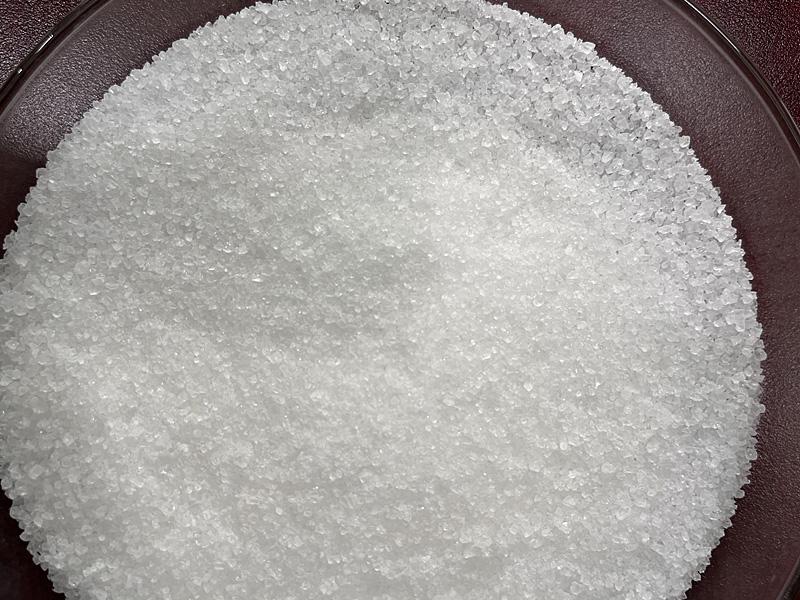
1. Water-soluble adhesive: Low-polymerized PVA is often used as a water-soluble adhesive because of its excellent water solubility. For example, in the paper products industry, low-polymerized PVA is used for cardboard lamination, corrugated cardboard bonding, and office glue. It also has the advantage of being safe and non-toxic, making it widely used in the packaging industry, such as the bonding of kraft paper bags for heavy objects such as cement, fertilizers, and grain.
2. Coatings and coating materials: Low-polymer PVA can be used as a coating material on the surface of paper, which can significantly improve the gloss and anti-permeability of the paper. In addition, it can also be used as a pigment processing agent to improve the whiteness and gloss of coated paper and enhance the printing effect.
3. Commonly used low-polymerization polyvinyl alcohols such as PVA 05-88. This grade of PVA is also used for medical devices, warp sizing, release agents, etc.
Medium degree of polymerization PVA has a moderate degree of polymerization and exhibits good strength and heat resistance, so it is suitable for occasions that require a certain degree of strength and durability. The degree of polymerization of PVA is between 1000 and 5000.
1. Textile enhancer: Medium-polymerized PVA is commonly used as a textile enhancer in the textile industry. By adding it to textiles, it can significantly improve the softness and wear resistance of textiles, thereby extending their service life. For example, by blending medium-polymerized PVA with cotton, wool, viscose fiber, etc., you can produce Vinyl textiles with excellent properties.
2. Fiber products: Medium-polymerized PVA can also be used as a raw material for fiber products, such as PVA fiber (vinylon) that has been dissolved, spun and acetalized, and is widely used in clothing, tarpaulins, cords, fishing net ropes, etc.
3. Commonly used polyvinyl alcohols with medium polymerization degrees include PVA 17-88, 20-88, 24-88, 26-88 etc. These can also be used to produce glues, paper adhesives, fabric finishing agents, PVA films, etc
Website: www.elephchem.com
Whatsapp: (+)86 13851435272
E-mail: admin@elephchem.com
ElephChem Holding Limited, professional market expert in Polyvinyl Alcohol(PVA) and Vinyl Acetate–ethylene Copolymer Emulsion(VAE) with strong recognition and excellent plant facilities of international standards.
To test the solubility of polyacrylamide (PAM), you can follow these steps:
1. Prepare a small amount of PAM sample: Obtain a small quantity of the polyacrylamide polymer for testing. This can be a solid form or a pre-dissolved solution depending on the type of PAM you have.
2. Test the solubility in water: The most common solvent for polyacrylamide is water. Start by adding a small amount of PAM to a container of distilled water at room temperature. Swirl or stir the mixture gently to facilitate dissolution.
a. If the PAM dissolves completely and forms a clear solution, it indicates good solubility in water.
b. If the PAM forms lumps, gels, or exhibits poor dissolution, it suggests limited solubility or requires specific conditions for complete dissolution.
3. Adjust temperature and agitation: If the PAM does not dissolve completely, you can try adjusting the temperature or applying gentle agitation to improve solubility.
a. Higher temperatures: Some PAM grades have improved solubility at elevated temperatures. You can heat the water-PAM mixture, ensuring the temperature remains below the boiling point of water, and stir until the PAM dissolves.
b. Agitation: Increase the intensity of agitation by stirring or mixing more vigorously to help break down the PAM particles and enhance dissolution.
4. Test solubility in other solvents (optional): If the PAM does not dissolve in water, you may try testing its solubility in other common solvents, such as ethanol, isopropanol, or acetone. Repeat the process by adding a small amount of PAM to each solvent and observing the level of dissolution or gel formation.
Note: Solvent compatibility should be taken into consideration based on the specific application or purpose of using PAM.
Remember that the solubility of polyacrylamide can vary depending on its molecular weight, charge density, and any modifications or additives present. It's always recommended to consult the manufacturer's guidelines or technical data sheet for specific solubility information if available
- Bismaleimide Series2
- Cross-Linking agent / Vulcanizing Agent1
- Curing Agent1
- Engineering Plastic Pellets4
- Epoxy Resin2
- Ethylene-VinylAlcohol Copolymer(EVOH)1
- Fish Oil1
- Food Additives3
- Glucosamine1
- Heat-resistant modifier series1
- High Assay Quaternary Ammonium Compounds9
- Low Assay Quaternary Ammonium Compounds13
- Modified Polyvinyl Alcohol1
- Monomalemide Series2
- Other Surfactants/Catalysts8
- Plastic Random Packing1
- Plastic Structured Packing1
- Polyacrylamide1
- Polyurethane Resin2
- Polyvinyl Alcohol (PVA)2
- Power Coatings3
- Quaternary Ammonium Hydroxide4
- Special Quaternary Ammonium Compounds7
- TPU4
- Tertiary Amines1
- UV Ink1
- VAE Emulsion (Vinyl Acetate–ethylene Copolymer Emulsion)1
- aluminum paste1
- antiform2
- fire sleeve2
- resin2