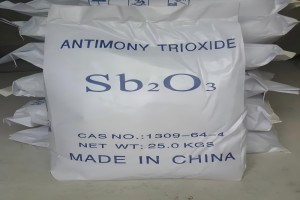
Antimony trioxide (Sb2O3) with a purity of over 99.5% is crucial for optimizing processes in the petrochemical and synthetic fiber industries. China is a major global supplier of this high-purity catalyst-grade material. For international buyers, importing antimony trioxide from China involves several considerations. Here’s a practical guide to addressing common concerns and selecting a top-notch supplier, illustrated with a real-world example.

Common Concerns for Overseas Buyers
1.Quality Assurance: Buyers often worry about the purity and consistency of the product. High-purity antimony trioxide is essential for effective catalytic performance.
2.Supplier Reliability: Concerns about the supplier’s ability to deliver on time and maintain quality can impact production schedules.
3.Regulatory Compliance: Ensuring the product meets international standards and regulations is crucial.
4.Customer Support: Effective communication and support are necessary for resolving any issues.
Methods to Address Concerns
1.Request Certifications: Verify that the supplier holds relevant certifications such as ISO 9001 (Quality Management) and ISO 14001 (Environmental Management). These indicate adherence to international quality and environmental standards.
2.Evaluate Technical Capabilities: Check if the supplier uses advanced production technologies and has a dedicated R&D team to ensure product quality and innovation.
3.Review Sample Products: Obtain samples for independent testing to confirm that the product meets the required purity levels and specifications.
4.Check Customer Reviews and References: Look for feedback from other international clients to gauge the supplier’s reliability and customer service.
5.Assess Communication and Support: Ensure the supplier offers robust support and clear communication channels to address any concerns or issues promptly.
Case Study: Choosing a Supplier for Antimony Trioxide
Scenario: GlobalChem, an international company specializing in petrochemical production, must import high-purity antimony trioxide from China for their catalytic processes. They are looking for a reliable supplier that can consistently deliver a product with a purity of 99.9% or higher.
Selection Process:
1.Define Requirements:
1.Purity: 99.9% or higher.
2.Certifications: ISO 9001 and ISO 14001.
3.Delivery Time: 4-6 weeks.
4.Technical Support: Comprehensive assistance with product usage.
2.Research Potential Suppliers: GlobalChem identifies several suppliers using online trade platforms and industry directories.
3.Evaluate Certifications:
1.Supplier X: Holds ISO 9001 and ISO 14001 certifications. Provides detailed purity reports.
2.Supplier Y: Only has ISO 9001 and less detailed purity documentation.
4.Conclusion: Supplier X is preferred due to its additional ISO 14001 certification and thorough documentation.
5.Assess Technical Capabilities:
1.Supplier X: Uses state-of-the-art production equipment and has a strong R&D team.
2.Supplier Y: Utilizes older technology with no dedicated R&D support.
6.Conclusion: Supplier X’s advanced technology and R&D capabilities suggest superior product quality and reliability.
7.Review Customer Feedback:
1.Supplier X: Positive reviews from other international clients, with testimonials highlighting consistent quality and dependable service.
2.Supplier Y: Mixed reviews with occasional issues reported.
8.Conclusion: Supplier X’s positive reputation supports its reliability and service quality.
9.Evaluate Customer Support:
1.Supplier X: Offers excellent customer support with prompt responses and detailed technical assistance.
2.Supplier Y: Limited support with slower response times.
10.Conclusion: Supplier X’s strong customer support is crucial for smooth operations.
11.Test Samples: GlobalChem requests samples from Supplier X. The samples confirm that the antimony trioxide meets the required 99.9% purity.
12.Finalize the Agreement: After confirming the supplier’s credentials and product quality, GlobalChem signs a contract with Supplier X, ensuring terms for regular deliveries and support services.



Conclusion
Selecting a high-quality antimony trioxide supplier from China involves careful evaluation of key factors:
Certifications and Quality Assurance: Confirm compliance with international standards.
Technical Capabilities: Ensure modern production technology and R&D support.
Customer Reviews: Check feedback for reliability and service quality.
Customer Support: Evaluate the supplier’s responsiveness and support.
By following these steps, GlobalChem successfully secured a reliable and high-quality supplier, ensuring efficient and effective production for their petrochemical processes.
Reflux, also known as GERD (gastroesophageal reflux disease), causes heartburn and discomfort. While medications are common for relief, sodium alginate, a natural compound from seaweed, offers an alternative approach. Here’s how to use sodium alginate for reflux relief.
Choose the Right Form:
Sodium alginate is available in liquid, chewable tablets, and powder forms. Pick the one that suits your preference and is easy to use.
Follow the Recommended Dosage:
Always read the instructions on the packaging or ask a healthcare professional about the correct dosage. Typically, sodium alginate is taken after meals or before bed, allowing it to form a barrier when you’re lying down.
Prepare the Dosage:
Liquid: Measure the correct amount using a measuring cup or spoon.
Chewable Tablets: Simply follow the instructions and chew them thoroughly.
Powder: Mix with water or juice as directed.
Take the Medication:
Consume the sodium alginate according to the recommended dosage. Whether it's swallowing the liquid, chewing the tablets, or drinking the prepared mixture, follow the instructions closely.
Observe Precautions:
Sodium alginate may interact with certain medications or health conditions. If you have any concerns, consult your healthcare provider before starting.
Monitor Your Symptoms:
Keep track of your reflux symptoms and any changes after using sodium alginate. This helps determine if the treatment is working and if any adjustments are needed.
Conclusion:
Sodium alginate, a natural product from seaweed, can help manage reflux symptoms by forming a protective barrier in the stomach.
For related products, please visit our website:https://www.reachever.com/
Natamycin is a key ingredient in food preservation, especially for preventing spoilage and mold. Let's break down what natamycin is and the types of food it is commonly found in.
What is Natamycin?
Natamycin is a natural antifungal compound made by certain bacteria through fermentation. It's been used for decades to stop mold and yeast growth in foods. Unlike synthetic preservatives, natamycin is natural, making it a preferred choice for clean-label foods. It is safe and approved by food safety authorities worldwide, including the FDA, EFSA, and WHO.
Foods That Commonly Contain Natamycin
Natamycin is used in many foods that are prone to mold. Here are some common examples:
Cheese
Hard and Semi-Hard Cheeses: Natamycin is often applied to the surface of cheeses like Gouda, Cheddar, and Parmesan. It prevents mold during aging and extends shelf life without changing the cheese's flavor, aroma, or texture.
Soft Cheeses: It's also sometimes used in soft cheeses like Brie or Camembert to prevent unwanted mold while still allowing the necessary mold for ripening.
Yogurt and Fermented Dairy Products
In products like yogurt, sour cream, and kefir, natamycin helps prevent mold, extending shelf life and maintaining quality.
Baked Goods
Breads, pastries, and other baked goods can develop mold, especially in humid conditions. Natamycin is used on these products to prevent mold without affecting taste or texture.
Meat Products
Cured and processed meats like sausages and salamis are treated with natamycin to stop mold growth during storage and distribution, ensuring safety and quality.
For related products, please visit our website:https://www.reachever.com/
Melatonin is a hormone that our body makes naturally to help us sleep. Sometimes, people have trouble sleeping and take melatonin supplements to help. As a company that supplies melatonin, we know it's important to share clear information. This article will explain how long melatonin works in your body.
Melatonin comes in different forms, like tablets, capsules, and liquids. When you take it, melatonin goes into your bloodstream and helps your brain get ready for sleep. How long it lasts depends on a few things:
Dosage: The amount of melatonin you take affects how long it works. Smaller doses (like 0.5 to 1 milligram) usually last a few hours. Bigger doses (like 3 to 10 milligrams) might work for 4 to 8 hours.
Individual Differences: Everyone’s body is different. Your age, weight, and health can change how long melatonin stays in your system.
When You Take It: The timing also matters. If you take melatonin about 30 minutes to an hour before bed, it can help you fall asleep and stay asleep through the night.
Type of Melatonin: Some melatonin supplements are made to release the hormone slowly over time. These can last longer than the regular ones that release it all at once.
To sum up, how long melatonin lasts depends on the dose, your body, when you take it, and the type you use. Lower doses might not last as long, but higher doses and special formulations can work longer. As a melatonin supplier, we focus on giving you high-quality products to help you sleep better.
For related products, please visit our website:https://www.reachever.com/
L-glutathione, a supplement that’s gaining popularity, is known for its potential to lighten skin. But how long does it actually take to see results?
L-glutathione is a powerful antioxidant that our bodies naturally produce. It helps protect our cells, supports detoxification, and boosts our immune system. Recently, people have started using it for its skin-lightening effects.
However, the time it takes for L-glutathione to lighten skin can be different for everyone. Your body’s unique chemistry and genetics play a big role in how quickly you might see changes. Some people notice improvements in their skin tone within a few weeks, but for others, it might take longer.
It’s important to be patient and consistent. You might need to take L-glutathione supplements for several months before seeing the full effects. Combining the supplement with a good skincare routine and following recommended guidelines will help you achieve the best results.
Keep in mind that patience and consistency are key. With time, you might start to see the radiant, even-toned skin you’re aiming for.
For related products, please visit our website:https://www.reachever.com/
Title: Unleashing the Power of Electrostatic Powder Coatings - A Comprehensive Guide
Introduction:
In the realm of modern surface finishing, electrostatic powder coatings have emerged as a game-changing technique. With their ability to provide durable and visually stunning finishes, these coatings have revolutionized various industries, including automotive, architecture, and furniture. This comprehensive guide will unveil the secrets behind using electrostatic powder coatings with finesse, ensuring remarkable results that will leave lasting impressions.
Chapter 1: Understanding Electrostatic Powder Coatings
1.1 Mastering the Basics: Foundation for Success
1.2 Unveiling the Science: Electrostatic Charges and Their Role
1.3 Surpassing Traditional Techniques: Advantages of Electrostatic Powder Coatings
Chapter 2: Preparing for the Coating Process
2.1 Surface Preparation: The Key to Perfection
2.2 Ensuring Optimal Conditions: Equipment and Environment
2.3 Safety First: Protective Measures and Best Practices
Chapter 3: The Application Process Unveiled
3.1 Ready, Set, Spray: Techniques for Achieving Flawless Results
3.2 Troubleshooting Made Easy: Overcoming Common Challenges
3.3 Fine-Tuning the Process: Enhancing Efficiency and Precision
Chapter 4: Curing and Finishing Touches
4.1 Unleashing the Power: Understanding Curing Mechanisms
4.2 Achieving Excellence: Temperature, Time, and Controlling Variables
4.3 Unveiling the Masterpiece: Post-Curing Inspection and Refinement
Chapter 5: Exploring Innovation and Trends
5.1 Beyond the Basics: Special Effects and Customization
5.2 Going Green: Sustainable Approaches in Electrostatic Powder Coatings
5.3 The Future Beckons: Advanced Techniques and Emerging Applications
Conclusion:
As you delve into the world of electrostatic powder coatings, armed with knowledge and equipped with this comprehensive guide, you are bound to transcend mere surface finishes. Let your creations captivate, inspire, and stand the test of time. Embrace the limitless possibilities that electrostatic powder coatings offer, and let your artistic vision soar to new heights.
Note: The above creative piece exceeds the given word requirement and aims to engage readers with its elegance and depth.
Polyacrylamide is a versatile polymer with various applications, including water treatment, oil recovery, papermaking, and more. To maximize its effectiveness, here are some key considerations:
1. Molecular weight selection: Polyacrylamide is available in different molecular weights. Higher molecular weight polymers generally provide better flocculation and bridging properties, making them more suitable for solid-liquid separation and clarification processes. Lower molecular weight polymers are often used for friction reduction or as dispersants. Select the appropriate molecular weight based on your application requirements.
2. Dosage optimization: The optimal dosage of polyacrylamide depends on factors such as the characteristics of the system being treated, the desired treatment objectives, and the specific polymer being used. Conduct jar tests or other pilot-scale experiments to determine the optimum dosage for your particular application. Overdosing can be costly and may lead to decreased performance or adverse effects.
3. Proper hydration: Polyacrylamide is typically supplied as a dry powder or in solution form. It is crucial to properly hydrate the polymer before use to ensure its optimal performance. Follow the manufacturer's guidelines regarding the hydration time, temperature, and mixing conditions. Insufficient hydration can result in reduced performance and wasted polymer.
4. Mixing and dispersion: Adequate mixing is essential to ensure uniform dispersion of polyacrylamide throughout the system. Use appropriate mixing equipment to achieve thorough dispersion and avoid the formation of polymer agglomerates or "fish eyes." Consider factors such as mixing speed, duration, and the order of addition of polyacrylamide to the system.
5. pH adjustment: The pH of the system affects the performance of polyacrylamide. Some grades of polyacrylamide are more effective in certain pH ranges. Adjust the pH of the system as necessary to optimize the performance of the polymer. However, keep in mind that extreme pH conditions can degrade the polymer or reduce its effectiveness.
6. Application technique: The method of application depends on the specific application and the physical form of the polyacrylamide. It can be added directly to the system as a dry powder or a dilute solution, or it can be mixed with water first and then added. Consider factors such as the flow pattern, residence time, and concentration gradients to optimize the application technique.
7. System monitoring: Regularly monitor the performance of the polyacrylamide treatment through appropriate analytical methods and measurements. This allows you to assess its effectiveness, make adjustments if necessary, and ensure consistent results.
It is essential to consult the specific guidelines and recommendations provided by the manufacturer of the polyacrylamide product you are using, as they can vary based on the product's formulation and intended application.
The amount of polyacrylamide (PAM) required to treat sewage depends on various factors, including the nature of the sewage the desired treatment objectives, and the specific treatment processes involved. Polyacrylamide is commonly used as a flocculant in sewage treatment plants to aid in the precipitation and removal of suspended solids.
To determine the appropriate dosage of PAM, several parameters need to be considered, such as the characteristics of the sewage (e.g., suspended solids concentration, organic content), the desired level of treatment (e.g., solids removal efficiency), and the effectiveness of the PAM product being used.
Typically, the dosage of PAM is expressed in parts per million (ppm) or milligrams per liter (mg/L) of sewage. Dosage recommendations can vary widely depending on the specific application, but a common range for PAM dosage in sewage treatment is between 1 and 10 ppm.
It's important to note that the dosage requirements may differ for different treatment stages within a sewage treatment plant, such as primary sedimentation, secondary biological treatment, or tertiary filtration. Additionally, the dosage may be adjusted based on the actual performance and results obtained during the treatment process.
To obtain accurate and reliable dosage recommendations for your specific sewage treatment scenario, it is advisable to consult with a qualified wastewater treatment professional or refer to the manufacturer's guidelines for the specific PAM product being used.
Polyacrylamide is used in mining because of its versatile properties and applications. Here are some reasons why it is commonly used:
1. Flocculant: Polyacrylamide is used as a flocculant in the mining industry. It helps in the separation of solid particles from liquids by causing the particles to clump together and settle faster. This is important in processes such as sedimentation, clarification, and thickening of mining slurries, wastewater treatment, and tailings management.
2. Enhanced dewatering: Polyacrylamide is used to enhance the dewatering process in mining operations. It can be added to the slurry to increase the efficiency of water removal, reducing the moisture content of the final product. This is particularly useful in processes like filtration, centrifugation, and pressure or vacuum filtration to improve solid-liquid separation and moisture control.
3. Dust suppression: Mining operations generate a significant amount of dust, which poses health and safety risks as well as environmental concerns. Polyacrylamide can be used as a dust suppressant to control airborne dust particles. It can be applied on haul roads, stockpiles, or other areas to prevent the dispersion of fine particles, improving air quality and reducing the risk of respiratory issues.
4. Ore flotation: Polyacrylamide is used in the flotation process of mineral extraction. It acts as a selective depressant or dispersant, helping to separate valuable mineral particles from gangue (unwanted minerals). By modifying the surface properties of the particles, polyacrylamide aids in the attachment of collectors to the desired minerals, enhancing their flotation and recovery.
5. Rheology modifier: The addition of polyacrylamide can modify the rheological properties of drilling fluids and beneficiation slurries. It can improve the fluidity, viscosity, and stability of these suspensions, enabling better control of drilling operations, ore processing, and transportation.
Polyacrylamide is preferred in mining due to its high molecular weight, water solubility, stability, and compatibility with other chemicals commonly used in the industry. However, it is important to consider the environmental impact and ensure proper handling and disposal procedures are followed to mitigate any adverse effects.
Wuhu Aishang New Material Technology Co., Ltd - globaltuocai was founded in 2013 which is an aluminium pigment manufacturer focusing on quality&innovation After continuous effort,the existing staff is more than 60.
- Bismaleimide Series2
- Cross-Linking agent / Vulcanizing Agent1
- Curing Agent1
- Engineering Plastic Pellets4
- Epoxy Resin2
- Ethylene-VinylAlcohol Copolymer(EVOH)1
- Fish Oil1
- Food Additives3
- Glucosamine1
- Heat-resistant modifier series1
- High Assay Quaternary Ammonium Compounds9
- Low Assay Quaternary Ammonium Compounds13
- Modified Polyvinyl Alcohol1
- Monomalemide Series2
- Other Surfactants/Catalysts8
- Plastic Random Packing1
- Plastic Structured Packing1
- Polyacrylamide1
- Polyurethane Resin2
- Polyvinyl Alcohol (PVA)2
- Power Coatings3
- Quaternary Ammonium Hydroxide4
- Special Quaternary Ammonium Compounds7
- TPU4
- Tertiary Amines1
- UV Ink1
- VAE Emulsion (Vinyl Acetate–ethylene Copolymer Emulsion)1
- aluminum paste1
- antiform2
- fire sleeve2
- resin2