Operation and maintenance of Teflon lined centrifugal pump:
-Teflon lined centrifugal pump operation:
(1) when shutting down, the valve at the outlet should be closed first, and then the power supply should be cut off.
(2) before starting the Teflon lined centrifugal pump, the pump should be filled with enough liquid to prohibit starting without liquid.
(3) the outlet valve is closed, the steering of the centrifugal pump can be checked immediately after being connected to the power supply, and the steering should be consistent with the arrow, and reverse operation is prohibited.
(4) after the start-up of the Teflon lined centrifugal pump, after reaching the normal speed, the outlet valve is gradually opened and adjusted to the required operating conditions for operation.
-Maintenance of Teflon lined centrifugal pump:
The main results are as follows:
(1) within one month of working in the Teflon lined centrifugal pump, the lubricating oil is changed after 100 hours, and the oil is changed every 500 hours thereafter.
(2) check whether the motor steering is correct. After the normal operation of the lining centrifugal pump, open the outlet pressure gauge and the imported vacuum pump to show the appropriate pressure, gradually open the gate valve and check the load of the motor at the same time.
(3) if the downtime is too long, the corrosive liquid in the pump should be discharged clean, the dirt of each part and the flow channel of the pump should be cleaned, and the power supply should be cut off in time.
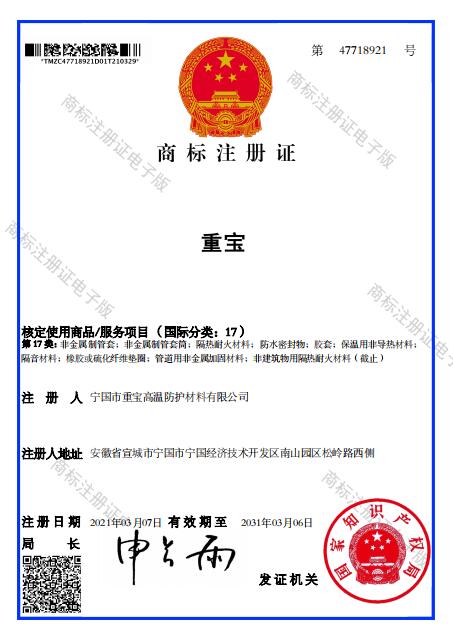
ZBAO® brand been official registered successfully
in March 2021, certificate No.:TMZC47718921D01T210329.
ZBAO TECH specialize in kinds of thermal insulation and Fire proof products, zbaofiresleeve ONE STOP SOLUATION FOR HIGH TEMPERATURE SYSTEM.
Is xanthan gum bad for you?
Xanthan gum is a common food used to thicken and stabilize a wide range of products. It is derived from the fermentation of carbohydrates by the Xanthomonas campestris bacterium. While it is generally considered safe for consumption, some concerns have been raised about its potential effects on health.
Xanthan gum has several beneficial properties. It improves the texture and consistency of food products, preventing them from separating and maintaining a desirable mouthfeel. Additionally, it is effective in gluten-free baking as it helps to mimic the elasticity and structure typically provided by gluten.
Research suggests that xanthan gum is well-tolerated by most people. However, some individuals may experience digestive issues such as bloating, gas, or diarrhea when consuming large amounts. This is because xanthan gum is a soluble fiber that can ferment in the gut, leading to these discomforts. It is important to note that such reactions are rare and usually occur only in sensitive individuals or when consumed in excessive quantities.
As with any food additive, it is advisable to consume xanthan gum in moderation. The Acceptable Daily Intake (ADI) set by regulatory authorities ensures that the amount of xanthan gum used in food products remains well within
For related products, please visit our website:https://www.reachever.com/

Nowadays, fermentation is commonly used in the food, biological and chemical industries and has a very promising future. In the fermentation process, through the microbial activity, the production of carbon dioxide and other gases and other substances are easy to product foam, which not only affects the fermentation process, but also leads to an increase in costs. In order to quickly solve the problem of fermentation foam, usually choose to add fermentation defoamer.
antifoamchemical Fermentation defoamer is a biologically inert fermentation defoamer refined by a special process. According to the characteristics of the fermentation process, it can be directly added to the fermentation liquid together with the base material, after high temperature flow addition or replenishment, overcoming the stability of high temperature disinfection before fermentation, suppression of bacterial growth, and the shortcomings of the fermentation tank scaling, and easy to separate after the fermentation, the tank is easy to clean and other advantages.

Features of fermentation defoamer:
1, silicone antifoaming emulsion, high solid content, suitable for aqueous systems.
2, stable performance, high temperature resistance, foam inhibition for a long time.
3, add less, will not have chemical reaction with microorganisms.
4, does not affect the growth of microorganisms themselves, no effect on the quality of the original product.
Application Scenario of Fermentation Defoamer: It is suitable for defoaming in various processes such as food, fermentation, pharmaceuticals, fruits and vegetables washing products, egg washing machines and so on.
The use of fermentation defoamer: the recommended dosage percentage is 0.1 to 0.5, due to the complexity of the composition of the foaming system, the use of the first test, and then adjusted according to the experimental results in the appropriate defoaming cost-effectiveness.
How to choose the formula of gravure printing ink for high-temperature retort-resistant bags? Specifically, the selection of ink connecting materials, the selection of toners and pigments, the selection of special wax powder for ink, etc.

01
Selection of retort bag ink binder(RESIN)
There are no more than two types of ink BINDER suitable for gravure on-machine printing: high-temperature-resistant polyurethane resin for gravure ink and ternary chlorine-acetic acid resin with high chlorine content and medium viscosity.
Gravure ink uses high-temperature resistant polyurethane resin, the chemical name is polyurethane plastic resin, and the English abbreviation code is PU. It is a liquid resin obtained by reacting polyurethane monomer resin liquid with polyether polyol or polyester polyol through a catalyst and other additives. According to the composition of these liquid resin raw materials, it is divided into polyether type and polyester type. species, and are divided into soft and hard.
When selecting the POLYURETHANE BINDER for ink, we require that the ink has excellent adhesion to the plastic film, the ink film has good heat resistance and water boiling resistance, good solvent release, low residual content, and moisturizing of the pigment. Good wettability and high gloss.
The main components of polyurethane resin liquids for inks currently on the market are polyurethane compounds, isopropyl alcohol, methyl ethyl ketone, toluene, etc. The appearance is colorless or light yellow transparent viscous liquid, and the solid content is generally 25 -35%, the amount added in the ink formula is usually 35-45%.
The high chlorine content chlorine-vinegar resin used in high-temperature resistant inks is actually a copolymer of vinyl chloride (VC) and vinyl acetate (VAC), which is essentially a dry paint base. When the ink is printed on the surface of the plastic film, after the volatile organic solvent contained in the ink system evaporates quickly, the high chlorine content ternary chlorine-acetic resin can be combined with compatible resins from other systems to form an ultra-thin ink film.
In the formula of gravure composite high-temperature retort-resistant bag ink, we generally choose inks that have high toughness after film formation, long-lasting flexibility, abrasion resistance, low water swelling, low air permeability, high-temperature retort resistance, etc. Chlorine vinegar resin.
02
Selection of high-temperature composite retort-resistant toners and pigments
The composite high-temperature retort-resistant bag ink for gravure printing has a series of special requirements for its toner and pigment: the color must be bright and the glossiness must be good, and the colorful world must be decorated with dazzling colors; the tinting strength must be high, which is a measure The conditions for the significance and economic value of the pigment; the transparency and hiding power should be good. According to the different uses of the ink, there are different requirements for the transparency and hiding power of the pigment; the amount of oil absorption should be small, so that the ink concentration can be easily increased and the ink properties can be improved. Easy to adjust; good wetting and dispersion. The dispersion ability of the pigment in the ink binder directly affects the success or failure of ink making.
Other physical and chemical properties, such as light resistance, heat resistance, solvent resistance, acid and alkali resistance, migration resistance, etc., are few and far between. Only suitable varieties can be selected according to the special requirements of the application.
The pigments used in the composite high-temperature retort-resistant bag ink for gravure printing must first be resistant to solvents, and secondly, they must be resistant to high-temperature retort and can withstand high temperatures above 120°C without decomposing and discoloring.
According to the standard of retort-resistant bag ink, all black pigments used in the ink should be channel carbon black; most white pigments use silica-modified rutile titanium dioxide, and some use alumina-modified ones, but they are resistant to temperature and turn yellow. The color ink has slightly poorer performance; color inks must be selected for ink testing conditionally, such as phthalocyanine blue and phthalocyanine green that have been resinized on the surface of the pigment particles, benzimidazolone azos, condensed azos, etc., according to the test They can withstand high temperatures above 180°C without discoloration.
03
Selection of wetting and dispersing agents for gravure ink systems
The wetting and dispersion of high-temperature resistant toners and pigments is an important part of the manufacturing technology of high-temperature retort-resistant gravure plastic composite inks. The ink developer and pigments are crushed into fine particles so that they can be evenly distributed in the mixed binder of the ink. , in order to obtain a stable suspension mixed medium viscosity system.
Wetting and dispersing agents are essentially special surfactants that have both wetting and dispersing functions for pigments. Its wetting and dispersing effect is to reduce the surface tension of the substance, so that the molecules of the surfactant are adsorbed on the surface of the pigment, thereby generating charge repulsion or steric hindrance, preventing harmful flocculation of the pigment, and keeping the dispersed system in a stable suspension state. .
The dispersant used in the composite high-temperature retort-resistant bag ink for gravure printing is generally an anionic surfactant. Its main component is carbonate or special metal aluminum chromium compound. It is a light yellow or yellow-brown liquid and is an oil-soluble dispersion. It is an agent that improves the dispersion of pigments in ink, prevents overflow and discoloration of pigments in ink, improves color concentration and color development, and enhances the adhesion and composite fastness of ink film and plastic film.
04
Selection of special wax powder for high-temperature retort-resistant bag ink
Some special high-temperature resistant wax powder is usually added to the ink formula of composite high-temperature retort-resistant bags for gravure printing. It can provide excellent anti-wear and scratch resistance for the high-temperature-resistant ink film of the printed product, prevent adhesion and increase the ink loading. Fluidity, improved printability and improved post-processing performance, etc.
When designing the formula of composite high-temperature retort-resistant bag inks for gravure printing, most of them use molecular linear synthetic polyethylene wax with high melting point and strong hardness. There are two methods of pre-adding and post-adding in the ink production process. The general addition amount is: 0.5-1.0% of the total weight of ink. Under normal circumstances, it is added before grinding the ink coarse material, which is beneficial to dispersion and improving fluidity; however, be careful not to make the grinding temperature too high to avoid deformation and agglomeration of these wax powder particles, which will affect its performance.
There are also ink system resins and organic solvents to make a paste - wax slurry, which is added during the viscosity and color matching stage of ink making; however, in doing so, it is necessary to prevent certain organic solvents with strong penetrating power from dissolving the wax powder particles. Recrystallization occurs and the wax becomes coarse, losing the proper performance of the special wax powder.
05
Selection of antistatic agents for high-speed printing
When gravure plastic ink is printed at high speed, the accumulation of static electricity will cause problems such as offset, blur, spots, whiskers, edge rejection, etc. In severe cases, fires, explosions and other vicious events may even occur. Therefore, the purpose of adding antistatic agents to ink is to reduce the surface resistance of the plastic film during the printing process and eliminate static electricity to solve the above problems that occur during printing.
Anionic antistatic agents are generally used in plastics and inks, including higher fatty acid salts, alkyl phosphate ester salts, alkyl sulfate ester salts, and sulfonate ester salts. This type of compound can be dissolved in water, ketones, alcohols, etc. Organic solvents such as benzene and benzene are sold as organic solvent aqueous solutions containing 30-60% of active substances. The composite high-temperature retort-resistant bag ink for gravure printing mainly uses an isopropyl alcohol solution of ethyl phosphate as an antistatic agent. The added amount accounts for 0.1-0.4% of the total ink, and has no adverse effects on the ink properties.
06
Selection of Adhesion Promoting Resins and Fumed Silica Powders
In the ink system of polyurethane and chlorine-vinegar resin in the composite high-temperature retort-resistant bag ink for gravure printing, due to the insufficient flexibility of the chlorine-acetyl resin itself, adhesion-promoting resin needs to be used to improve its flexibility; composite for gravure printing Some modified chlorinated polypropylene resin liquid must be added to the formula of high-temperature retort-resistant bag ink. Its solid content is generally about 15-25%, which can improve the adhesion of polyurethane ink on plastic films and enhance the dispersion effect and fluidity.
Fumed silica powder, also called matte powder, generally undergoes organic surface treatment and is easy to disperse. Its role in the composite high-temperature retort-resistant bag ink for gravure printing: A. Prevent pigment settlement and maintain the long-term rheological properties and fineness of the ink; B. Improve the sagging performance of the ink film when printing on the machine, preventing The generation of water marks; C. It can also be used like wax powder to facilitate the even coating of adhesive and improve the composite fastness.
07
Selection of organic solvents for gravure high temperature resistant retort bag ink system
Plastic gravure ink mainly relies on solvent evaporation to dry and form a film. When the ink is printed on the surface of the substrate, the thickness of the ink film decreases and shrinks due to the solvent evaporation. The film formation of ink solvent volatilization is mainly divided into two stages: the first is the "wet stage", which is controlled by the surface layer; the second is the "dry stage", where the solvent evaporation rate is controlled by the diffusion of the solvent in the overall ink film. When there is a true solvent, it ensures that the resin and other polymers can fully stretch and interact with each other, and the leveling properties are good.
If the true solvent evaporates too quickly and the remaining solvent is only a co-solvent, the polymer molecules tend to form tight curls or even precipitate. What is particularly important is that the volatilization of the solvent causes endothermic cooling and an increase in polymer concentration, which increases the surface tension of the ink film and causes the solution to flow from the low surface tension area to the high surface tension area. This is called peak flow, which easily produces "orange peel" and floating color phenomenon, so maintaining the necessary amount of true solvent is an important condition to ensure the leveling of the ink film.
For polyurethane and chlorine-vinyl resin ink systems, in addition to toluene, xylene, ethyl acetate, methyl ethyl ketone, and isopropyl alcohol, acetone, methyl isobutyl ketone, ethylene glycol monobutyl ether, Special organic solvents such as propylene glycol methyl ether. Among them, benzene and alcohol are only co-solvents for polyurethane and chlorine-vinyl resin. Although ketones and esters are true solvents, they evaporate too quickly.
Therefore, special solvents such as methyl isobutyl ketone, ethylene glycol monobutyl ether, and propylene glycol methyl ether must be used to adjust the volatilization rate and solubility, enhance the dispersion power of the mixed solvent, and improve the dissolution parameters so that the ink always presents a good fluid status to ensure the smooth progress of printing work.
Polyurethane resin is a versatile material that can be used in the preparation of gravure printing ink for film. Gravure printing is a method of printing that uses engraved cylinders to transfer ink onto a substrate, and it is commonly used for high-volume printing applications such as packaging and labeling.
as a binder to provide adhesion and durability to the ink. It can also be used to adjust the viscosity and flow properties of the ink, which is important for ensuring consistent print quality and optimal ink transfer to the substrate.
We could provide solvent based polyurethane resin, polyurethane emulsion, acrylic resin, waterborne polyurethane dispersion to meet diversified requirement.
Polyurethane resin is a type of polymer that can function as a binder in film printing inks. Here's how it contributes to the performance of the ink in a film printing application:
1. Adhesion: Polyurethane resin are known for their excellent adhesion properties, which allows the ink to strongly adhere to various film substrates such as polyethylene (PE), polypropylene (PP), and other plastic films. This ensures that the printed design remains intact and durable, even under stress or exposure to different environmental conditions.

2. Flexibility: Polyurethane binder offer high flexibility, which is crucial for printing on flexible films. The ink must be able to withstand bending and stretching without cracking or peeling, and polyurethane resins provide this necessary elasticity.
3. Abrasion Resistance: In packaging and other applications where the printed film may be handled frequently, the ink needs to withstand abrasion. Polyurethane resins can enhance the abrasion resistance of the ink, preserving the quality of the printed image or text.
4. Chemical Resistance: Polyurethane resins often exhibit good resistance to chemicals, including solvents and other substances that the packaged goods may come into contact with. This feature is important for maintaining the integrity of the printed image and ensuring that the ink does not degrade due to chemical exposure.
5. UV Resistance: Polyurethane resins can also provide ultraviolet (UV) light resistance, which is essential for products that will be exposed to sunlight or UV radiation. This helps prevent color fading and ensures the long-term vibrancy of the printed design.
6. Weatherability: Similar to UV resistance, polyurethane resins can improve the weatherability of the ink, making it suitable for outdoor use or for applications where the printed film may be exposed to varying weather conditions.
7. Printability: Polyurethane resins can contribute to the overall printability of the ink by ensuring good wetting and leveling on the film surface, resulting in a uniform and clear print.
8. Compatibility: They are often designed to be compatible with other components of the ink formulation, such as solvents, pigments, and additives, allowing for the creation of a stable ink system with the desired properties.
In summary, polyurethane resins used as binders ins film printing ink provide strong adhesion, flexibility, abrasion resistance, chemical resistance, UV resistance, weatherability, printability, and compatibility, all of which are crucial for producing high-quality printed films that meet the specific demands of the application.
Polyacrylamide (PAM) has several applications in the papermaking industry. It is a synthetic polymer that forms a strong bond with water, making it useful in various stages of the papermaking process. Here are some specific applications of polyacrylamide in paper making:
1. Retention aid: Polyacrylamide is commonly used as a retention aid in papermaking. It helps to improve the retention of fine particles, such as fillers, fibers, and pigments, in the paper sheet. By forming bridges between the particles and the fibers, PAM enhances the ability of the paper machine to retain these components, resulting in better quality paper with improved strength and printability.
2. Drainage aid: PAM can also act as a drainage aid in the papermaking process. It improves the water drainage rate, allowing for faster and more efficient dewatering of the paper sheet on the paper machine. This helps to increase the production speed and reduce energy consumption by lowering the drying time required for the paper.
3. Flocculant: In the process of wastewater treatment in paper mills, polyacrylamide can be used as a flocculant to remove suspended solids and contaminants from the wastewater. It aids in the formation of larger particles called flocs, which can then be easily removed through sedimentation or filtration processes. This helps to reduce water pollution and improve the environmental sustainability of papermaking operations.
4. Enhancing paper strength: Polyacrylamide can enhance the strength properties of paper by improving its internal bond strength and enhancing the formation of hydrogen bonds between the fibers. This leads to paper with higher tensile strength, tear resistance, and burst strength, making it suitable for applications that require high durability, such as packaging materials.
5. Sizing agent: PAM can be used as a sizing agent in papermaking to improve the water resistance and printability of the paper. It forms a thin film on the paper surface, which helps to reduce water absorption, prevent ink bleeding, and enhance the sharpness of printed images or text.
Overall, polyacrylamide finds wide-ranging applications in the papermaking industry, from improving retention and drainage during paper production to wastewater treatment and enhancing paper strength and print quality. Its versatility and beneficial properties contribute to the efficient and sustainable production of high-quality paper products.
The functions of polyurethane resin in inks are as follows:
Polyurethane resin for ink is mainly synthesized from aliphatic polyester and aliphatic isocyanate as the main raw materials during the preparation process. Compared with aromatic polyurethane, it has excellent optical stability, and the film has excellent Yellowing resistance.

The molecular segments of the polyurethane binder for ink contain polar groups such as urethane, allophanate, ester bonds, and ether bonds, and are compatible with a variety of polar substrates, PET The polar groups on the surface of plastics such as PA and PA form hydrogen bonds, thereby forming joints with a certain connection strength. After the polyurethane resin is made into ink, it has good adhesion fastness when printed on the surface of polar plastic substrates.
4. Good resin compatibility.
Polyurethane resin for ink has good compatibility with aldehyde-ketone resin, chlorine-vinegar resin, etc., and can be appropriately added to your own process formula according to actual conditions to improve the overall performance of the ink.
The dissolving effect of organic solvents on resin is to attract solute molecules through the polarity of solvent molecules, which is commonly known as like dissolves. Traditional polyurethane resins have a wide range of compatibility with organic solvents. However, in the process of making inks, in order to adjust the ink flow properties and viscosity, alcoholic organic solvents need to be added. This will greatly reduce the stability of the resin system for traditional polyurethane resins. properties, turbidity, flocculent precipitation and other incompatibility phenomena may occur. However, the polyurethane resin used in ink is miscible with alcohol due to the presence of urea groups, but it should be noted that alcohol solvents are still pseudo-solvents. In the microscopic state, alcohol solvents wrap the polyurethane resin molecules, rather than true solvents due to the polarity of the molecules. Penetrating through the molecule, the ink made of polyurethane resin has good fluidity.
Polyurethane resin is a versatile material that can be used in the preparation of gravure printing ink for film. Gravure printing is a method of printing that uses engraved cylinders to transfer ink onto a substrate, and it is commonly used for high-volume printing applications such as packaging and labeling.
as a binder to provide adhesion and durability to the ink. It can also be used to adjust the viscosity and flow properties of the ink, which is important for ensuring consistent print quality and optimal ink transfer to the substrate.
We could provide solvent based polyurethane resin, polyurethane emulsion, acrylic resin, waterborne polyurethane dispersion to meet diversified requirement.
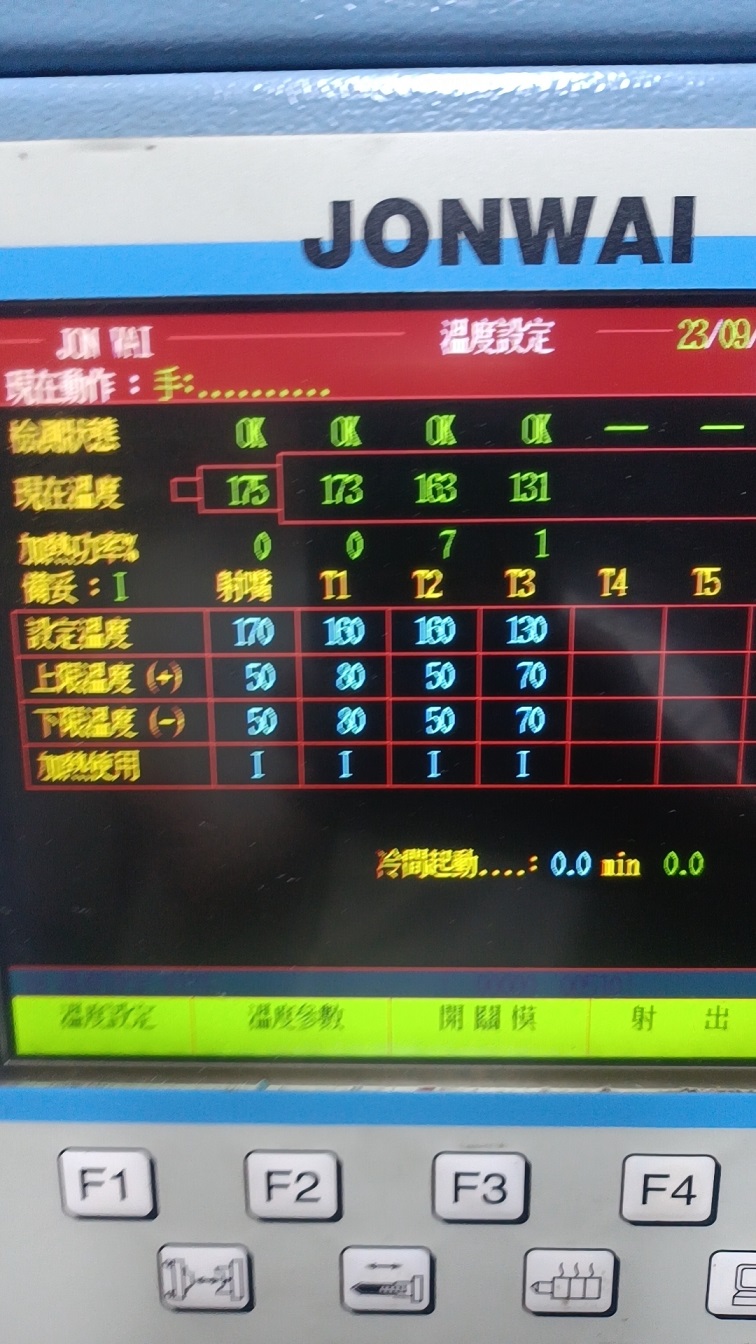
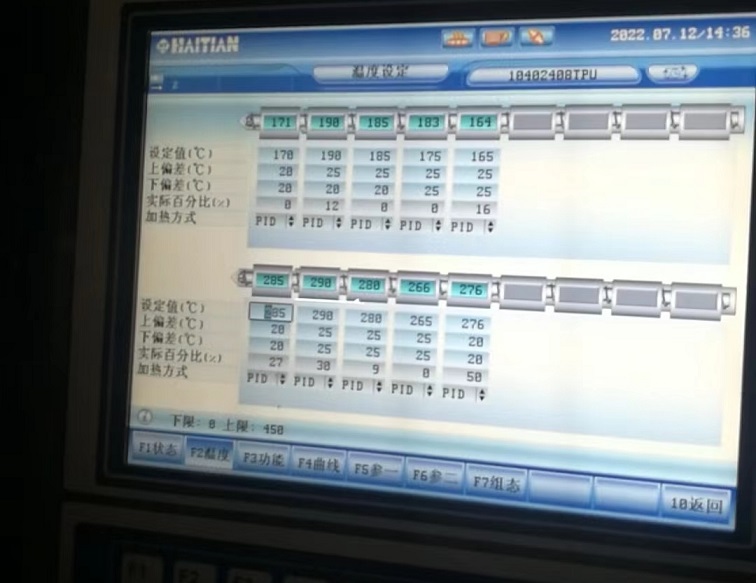
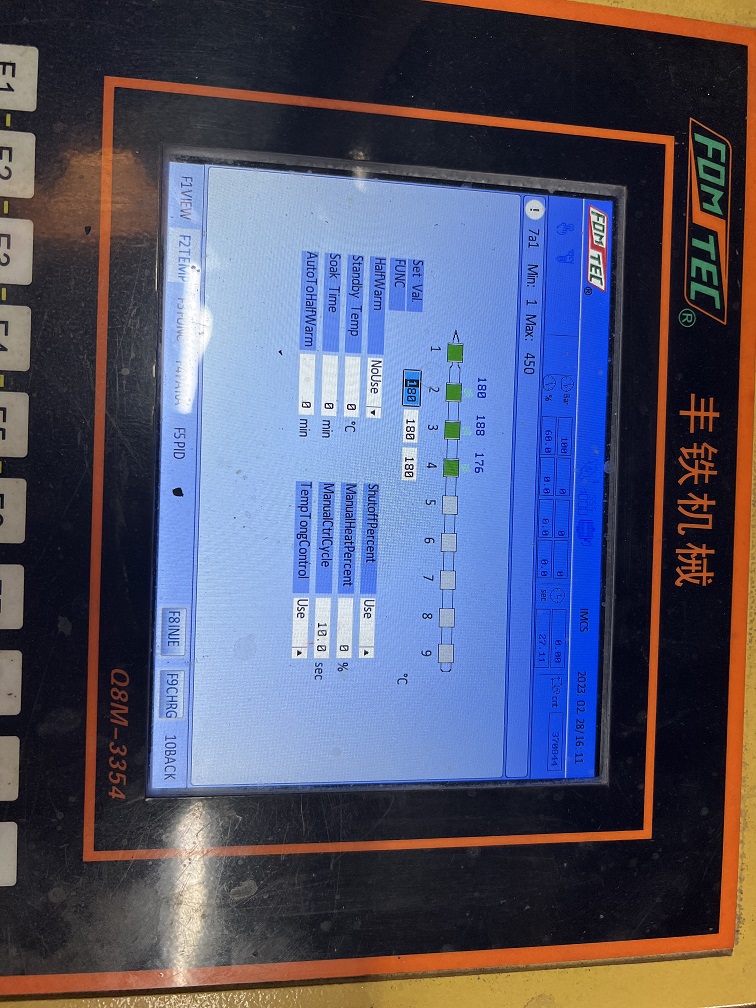
The processing temperature of TPU is influenced by several factors, including its hardness. Generally, lower hardness TPU grades have a lower processing temperature compared to higher hardness grades. This relationship can be attributed to the following reasons:
Molecular Structure: The hardness of TPU is determined by the ratio of rigid segments (hard segments) to flexible segments (soft segments) within its molecular structure. Lower hardness TPUs typically have a higher proportion of soft segments, which have lower melting or softening temperatures. Consequently, it requires less heat energy to reach the processing temperature.
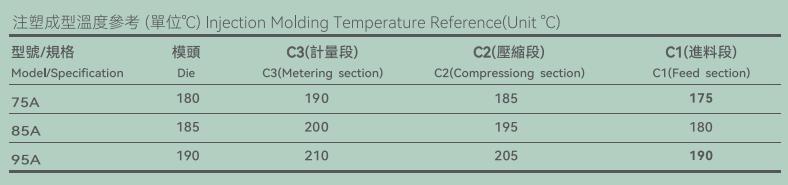
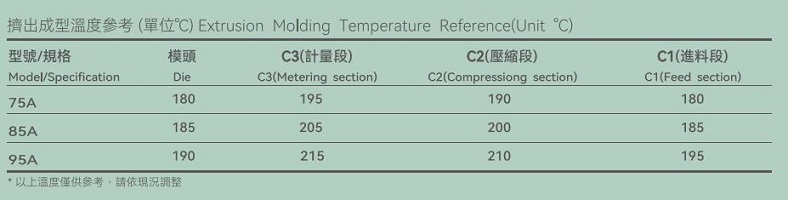
However, it's important to note that the specific processing temperature range may still vary depending on the TPU grade, manufacturer's recommendations, and the requirements of the application. It's always advisable to consult the TPU manufacturer's guidelines and conduct proper testing to determine the optimal processing parameters for a specific grade of TPU with a lower hardness.
- Bismaleimide Series2
- Cross-Linking agent / Vulcanizing Agent1
- Curing Agent1
- Engineering Plastic Pellets4
- Epoxy Resin2
- Ethylene-VinylAlcohol Copolymer(EVOH)1
- Fish Oil1
- Food Additives3
- Glucosamine1
- Heat-resistant modifier series1
- High Assay Quaternary Ammonium Compounds9
- Low Assay Quaternary Ammonium Compounds13
- Modified Polyvinyl Alcohol1
- Monomalemide Series2
- Other Surfactants/Catalysts8
- Plastic Random Packing1
- Plastic Structured Packing1
- Polyacrylamide1
- Polyurethane Resin2
- Polyvinyl Alcohol (PVA)2
- Power Coatings3
- Quaternary Ammonium Hydroxide4
- Special Quaternary Ammonium Compounds7
- TPU4
- Tertiary Amines1
- UV Ink1
- VAE Emulsion (Vinyl Acetate–ethylene Copolymer Emulsion)1
- aluminum paste1
- antiform2
- fire sleeve2
- resin2