GRS (Global Recycled Standard) is a globally recognized certification and labeling system for products made from recycled materials. The purpose of GRS is to promote the use of recycled materials, reduce the environmental impact of production, and provide transparency and assurance to consumers. By using products certified under the Global Recycled Standard, consumers can make more informed choices, supporting sustainability and reducing waste by promoting the use of recycled materials.
To achieve GRS certification, companies must meet specific criteria related to the recycled content of their products. This includes ensuring that a minimum percentage of the product's materials come from recycled sources and maintaining traceability throughout the supply chain. GRS also takes into account issues such as environmental management, social responsibility, chemical use, and labeling.
TPU (Thermoplastic Polyurethane) resin can be produced using both virgin and recycled materials. Recycled TPU resin is made from post-industrial or post-consumer waste, which is collected and processed to create new TPU resin. The use of recycled TPU resin helps to reduce waste and conserves resources. Koslen TPU is on the process to obtain GRS (Global Recycled Standard) certification. We can provide GRS (Global Recycled Standard) certification to the industries that standard covered soon, including textiles, apparel, home furnishings, and personal care products.
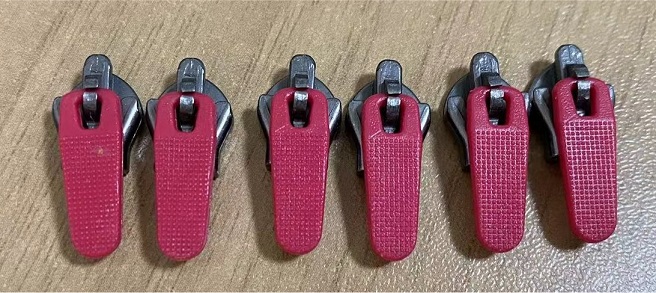
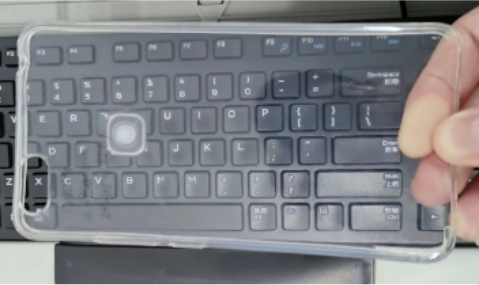
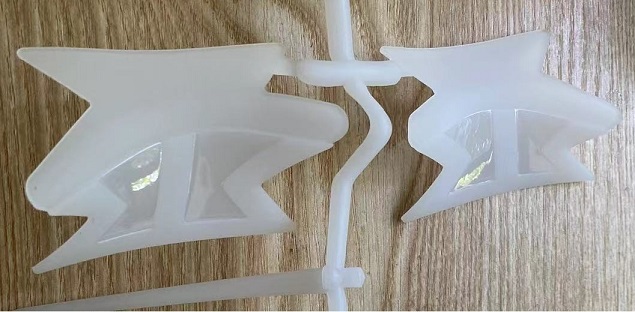
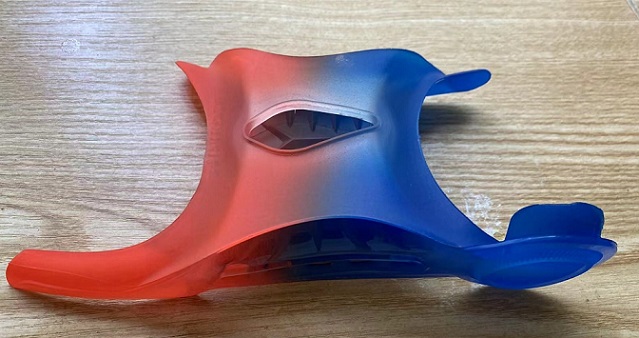
MDI is one of the key components used in the production of TPUs. It serves as the isocyanate component, reacting with polyols to form the polyurethane segments of TPU.
The selection of MDI type and the ratio of MDI to polyols can affect the physical properties and performance characteristics of the TPU, including its low-temperature behavior. TPU formulated with a higher proportion of MDI generally have a higher density of hard segments, which can enhance the stiffness and rigidity of the material. This, in turn, can make the TPU more prone to embrittlement at low temperatures.
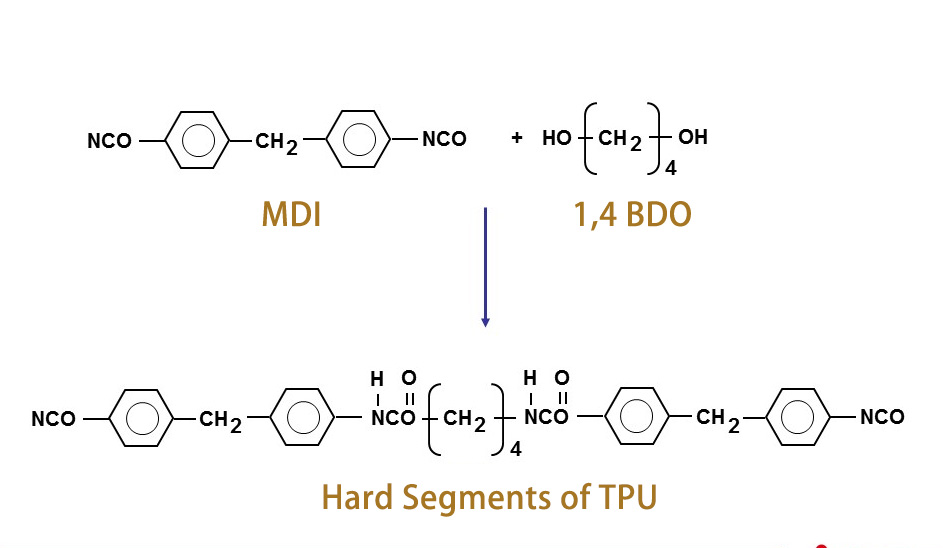
Therefore, the proportion of MDI in TPU formulations is an essential factor to consider when aiming for specific low-temperature performance requirements. It's crucial to optimize the MDI-to-polyol ratio to achieve the desired balance between hardness, flexibility, and resistance to embrittlement at low temperatures.
To maximize the space utilization and load as much E-TPU granule as possible in a 40" container, you can consider the following packing method:
Use bulk bags (also known as FIBCs or super sacks): These large, flexible bags are commonly used for storing and transporting granular materials. Opt for high-capacity bulk bags that can hold a significant amount of E-TPU granule.
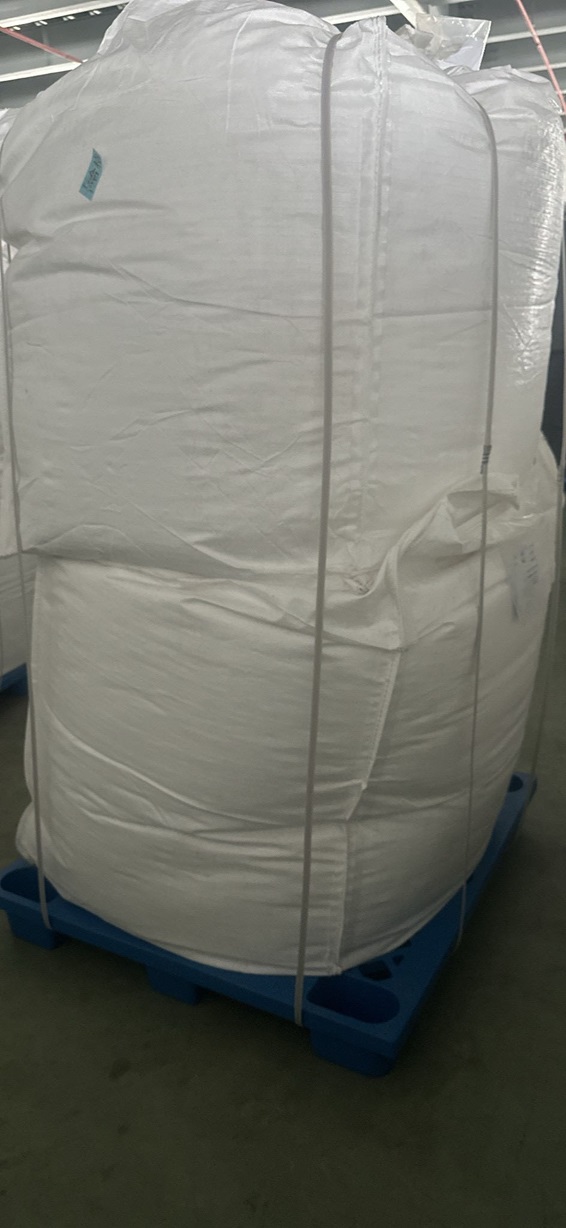
Optimize bag size: Choose the appropriate size of bulk bags that can efficiently fit inside the container. Larger bags with higher capacities will maximize the space utilization.
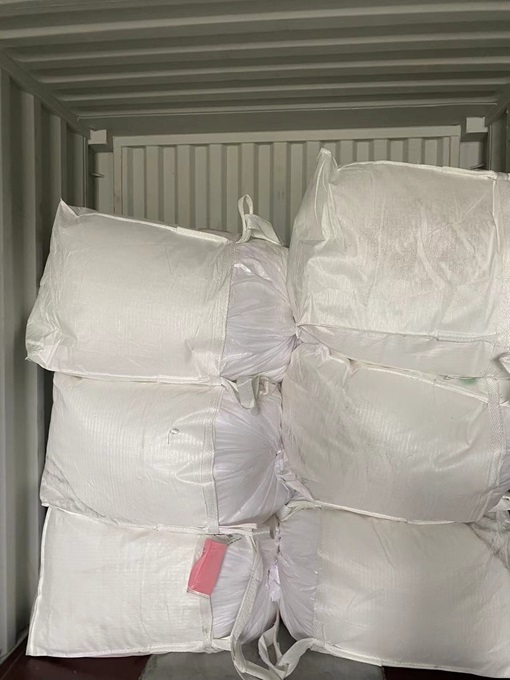
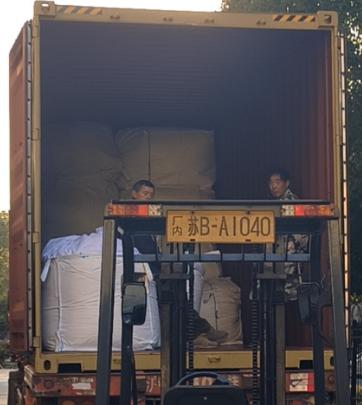
Stacking arrangement: Ensure efficient stacking of the bulk bags. Stack them in a way that optimizes the use of vertical space while maintaining stability. Place the bags in neat, compact rows and stack them as high as possible without compromising safety.
Eliminate empty spaces: Fill any empty spaces or gaps between the bags with smaller packages or dunnage materials, such as air pillows or foam blocks. This will prevent movement and shifting of the granules during transportation.
Secure the load: Make sure to secure the stack of bags properly using straps or other tie-down methods to prevent them from shifting or falling during transit.
Utilize container space: Load the stacked bags into the container in a way that evenly distributes the weight and optimizes the available space. Consider utilizing both the floor space and vertical space within the container.
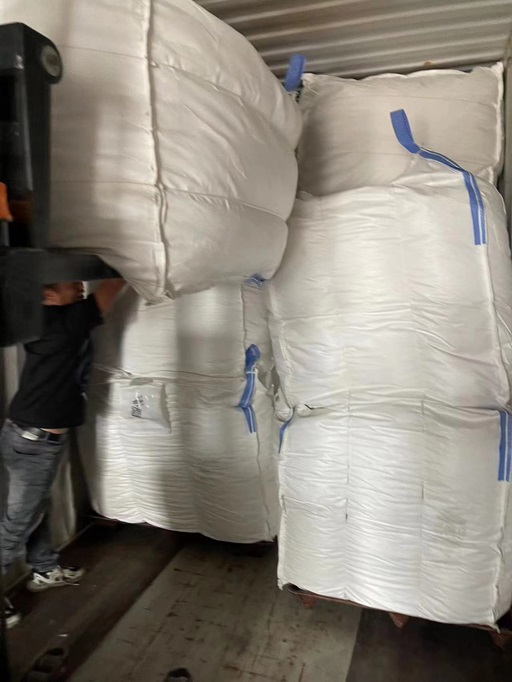
Plus, please note store it properly: After packing, store the E-TPU granules in a cool, dry, and well-ventilated area. Avoid exposure to direct sunlight, extreme temperatures, or high humidity, as these can affect the quality of the granules.
Summary
The development and innovation of water-based ink connecting materials determines the technological innovation of inks. Water-based polyurethane binder has broad application prospects in the field of water-based inks due to its good wear resistance, adhesive properties, film-forming properties and other advantages. According to the research direction of water-based polyurethane ink application and high performance in recent years, this paper will describe and prospect from three aspects: plastic film printing, inkjet and 3D printing, and anti-counterfeiting water-based polyurethane ink binder preparation and performance research.

At present, in the packaging and printing industry, polyolefin films occupy the first place in the printing and packaging film base materials, such as biaxially oriented polypropylene (BOPP) film, polyethylene (PE) film, etc., followed by polyethylene terephthalate glycol. Ester (PET) film, nylon (PA) film, etc. Water-based polyurethane molecular chains contain more polar groups and have high surface tension. Therefore, WPU inks are suitable for surface coating of highly polar substrates such as PET and PA. BOPP, as an important printing substrate, has lower Surface energy, so WPU is difficult to wet on its surface, resulting in poor printing quality [2-4].
In order to improve the applicability of WPU ink to the substrate of BOPP film, the main methods currently used are: First, surface treatment such as corona treatment and coating treatment is performed on the film before printing, and polar groups such as carboxyl and hydroxyl groups are introduced to the surface. , to increase the surface tension of the BOPP film, thereby improving the wettability and adhesion of the WPU ink; second, adding adhesion promoters to the water-based ink, such as silicone, chlorinated polypropylene, etc., can reduce the adhesion of the water-based ink. Surface Tension. The third is to carefully design the molecular structure of WPU to reduce the content of polar groups and surface tension in its molecular chain to achieve the goal of improving its printing quality on BOPP films. This is one of the more researched methods currently.
Silicone has the advantages of low surface energy, good biocompatibility, high thermal stability and oxygen resistance, and has been widely used in the modification of polyurethane materials [5]. Li et al. [6] studied the blending modification and in-situ modification of WPU emulsion with polyorganosiloxane and found that the use of physical blending method can more effectively reduce the surface energy of WPU. Taking advantage of the low surface energy of fluorine-containing compounds, introducing fluorine-containing groups into waterborne polyurethane molecules can effectively reduce the surface energy of water-based polyurethane and improve hydrophobicity. For example, Xu et al. [7] performed hydroxylation modification of dodecafluoroheptyl methacrylate (DFHMA) to synthesize EDFHMA, then reacted with alcoholized lactide to synthesize fluorine-containing glycol (PLPF), and then reacted with hexamethylene diol Polyurethane was prepared by isocyanate (HDI) reaction. Compared with the control group, the surface energy of WPU containing EDFHMA decreased by nearly 20 mN/m. In addition, relevant studies have shown that grafting long fat side chains into the WPU molecular chain can also reduce the surface tension of WPU, and during the film formation process of WPU, long fat side chains will aggregate to the film surface, which is beneficial to the interaction with low polarity materials. A similar compatibility effect occurs in the BOPP film, which improves the adhesion of WPU on the surface of the BOPP film. Based on this, Zhang et al. [8] used liquid polyester polyol BY3003 with long branched aliphatic chains to prepare WPU latex suitable for BOPP film printing. BY3003 makes the surface tension of the prepared latex not exceed 43 mN/m, while the surface tension of traditional WPU latex exceeds 55 mN/m. Therefore, the T-peel strength of inks made from these latexes is above 0.8 N/15 mm.
In addition, the degree of post-chain extension, dimethylol butyric acid content and NCO/OH molar ratio also have a significant impact on the latex and film properties of WPU, especially on the T-peel strength of the corresponding ink. By optimizing these factors, a water-based polyurethane emulsion with a surface tension as low as 39.6 mN/m and an adhesion fastness to BOPP films exceeding 95% was obtained, with a corresponding T-peel strength of ink as high as 2.05 N/15 mm [ 8] .
Inkjet printing has become an essential output method, and research on output devices and printing inks is also continuing to deepen. The printability of an ink is related to transfer and wetting properties such as viscosity, particle size and surface tension, and the coating properties are related to mechanical properties, hardness and aging resistance. In order to obtain WPU ink with excellent performance, Wang et al. [9] used an emulsion polymerization method with WPU as a seed to synthesize core-shell WPUA emulsions with different methyl methacrylate (MMA) contents. As the MMA content in WPUA increases, the average particle size and contact angle of WPUA increase, and the heat resistance and hardness of WPUA coating are enhanced. Inkjet printing inks prepared with WPUA emulsion as base resin show good printability. Yin et al. [10] used isophorone diisocyanate (IPDI), polyol, dimethylol butyric acid (DMBA) and 3,5-dimethylpyrazole (DMP) as raw materials to synthesize a series of block water-based Polyurethane (BWPU). DMP-terminated BWPU has good inkjet fluency and color fastness, and has great potential in digital inkjet printing industrial applications.
3D printing, also known as additive manufacturing technology, is the most representative molding technology in current intelligent production. It has the advantages of strong processability and high efficiency. It can be customized according to different needs and is suitable for equipment processing with complex structures. Manufacturing, it has broad application prospects in the fields of aerospace, offshore equipment manufacturing and biomedicine. Compared with traditional polyurethanes, most WPUs have poor mechanical properties, rheological properties, thermal stability and electrical conductivity, and have poor hydrolysis strength in humid environments. In order to overcome the above shortcomings, inorganic fillers such as carbon nanotubes, clay or graphene are usually introduced into the WPU matrix to form organic-inorganic hybrids, thereby improving its performance [11-13].
Vadillo et al. [14-15] improved the performance of new polycaprolactone-polyethylene glycol (PCLPEG) water-based polyurethane urea (WBPUU) ink in direct writing 3D by adding cellulose nanocrystals (CNC) in situ as a rheology modifier. Properties in printing technology that can improve the printability and shape fidelity of 3D structures, as well as improve the mechanical and thermal stability of the resulting parts.
Chen et al. [16] developed an in-situ synthesis method to modify WPU (WPUCNF) by using cellulose nanofibrils (CNF) to improve its printability. Adding CNF during the emulsification process reduces the size of WPU nanoparticles and increases the viscosity of the suspension. In addition, additional CNF was added to prepare WPUCN/CNF composite ink, which showed excellent printability in various shapes of printing structures such as honeycombs, wood piles, or human ears.
The inherent shortcomings of polyurethane such as high melting point and slow degradation rate hinder its application in 3D printing tissue engineering. In view of this, Feng et al. [17] developed a 3D printable amino acid-modified biodegradable water-based polyurethane (WBPU) using a water-based green chemical process. By controlling the content of the hydrophilic chain extender, the printed block has controllable degradation and does not cause the accumulation of acidic products. It is envisioned that it can be used as a biological alternative material for tissue engineering.
Currently, 3D printing methods can only create static objects and do not involve any functional changes in intrinsic or extrinsic properties, while 4D printing is defined as the use of 3D printing technology to create materials with active structures that respond to external forces such as heat, magnetism, or light. Stimulated, the material is able to change over time to change the printed 3D shape. There are two main types of polymer materials used for 4D printing: responsive hydrogels and shape memory polymers (SMP). Among various SMPs, polyurethane displays a variety of properties that make it an excellent candidate for 4D printing. For example, in 2019, Su et al. [18] studied the formation of water-based polyurethane coating-based composites as 4D printing precursors by adding carboxymethyl cellulose (CMC) and silicon oxide (SiO2) nanoparticles to the coating.
Fused deposition modeling (FDM) is a rapid prototyping method used on 3D printers. In order to prepare WPU materials with excellent comprehensive properties and use them for surface protection of FDM printing products. In order to simultaneously improve the mechanical properties and waterproofness of the WPU membrane, Zhang Jing et al. [19] used in-situ polymerization and surface fluorination to prepare a halloysite nanotube/water-based polyurethane (AHNTs/WPU) composite membrane. The water contact angle increased. As large as 114.5°, it shows better hydrophobicity. A WPU composite film is formed on the surface of FDM. Experimental results show that it can improve the waterproofness and mechanical properties of the sample, and has an obvious surface protection effect.
Recently, Zheng Ling et al. [20] used silane coupling agent KH550 to carry out covalent bond functional modification of carbon black (CB), obtained KH550 modified CB, and prepared KH550/CB/WPU composite materials. The CB The addition significantly improves the thermal stability of WPU. The modified CB content was selected to be 3% for the preparation of 3D printing ink. Compared with other non-3D printing products, its conductive properties were improved by 1 to 2 orders of magnitude.
In addition, compared with traditional linear macromolecules, the three-dimensional spherical structure of hyperbranched polymers has abundant end groups and lower viscosity, which can provide more modification sites [21] and is therefore widely used in optical applications. Cured coatings, 3D printing photosensitive resin and other fields. Zhang Dongqi et al. [22] prepared hyperbranched water-based polyurethane acrylate by esterifying hyperbranched polyester polyol containing 16 terminal hydroxyl groups with succinic anhydride and reacting with the isocyanate group of isocyanate ethyl acrylate to introduce double bonds. Then, using it as the matrix resin, a series of 3D printing water-based photosensitive resins were prepared by compounding it with the reactive diluting monomers acryloylmorpholine and polyethylene glycol diacrylate. The prepared 3D printing devices have better printing properties. Accuracy.
Have you ever wondered about the fascinating world of chemical compounds? Today, we will delve into the introduction of Butyl Trimethyl Ammonium Chloride, also known by various other names such as 14251-72-0, Trimethylbutylammonium chloride, N,N,N-Trimethylbutan-1-aminium chloride, N-Butyl-N,N,N-trimethylammonium chloride, and Butyltrimethylammonium chloride.
What is Butyl Trimethyl Ammonium Chloride?
Butyl Trimethyl Ammonium Chloride, with its chemical formula C7H18ClN, is a versatile compound widely used in various industries. It falls under the category of quaternary ammonium salts, which are organic compounds derived from ammonia. This particular compound is derived from butylamine and trimethyl amine, resulting in a unique structure with excellent properties.
Versatility in Industrial Applications
- Surfactant Properties: Butyl Trimethyl Ammonium Chloride acts as a surfactant, meaning it can reduce the surface tension of a liquid, allowing it to spread more easily. This property finds applications in various industries, such as:
Emulsification: It helps in the formation and stabilization of emulsions, making it ideal for industries like cosmetics, pharmaceuticals, and food processing.
Industrial Cleaning: Its surfactant properties make it effective in cleaning agents for industrial equipment, textiles, and surfaces.
Corrosion Inhibition: This compound has excellent corrosion inhibition properties, making it suitable for use in metalworking fluids and cooling systems. It helps protect metal surfaces against degradation caused by rust and oxidation.
Antimicrobial Agent: Butyl Trimethyl Ammonium Chloride exhibits antimicrobial activity, making it useful for disinfection purposes. It is commonly employed in the formulation of sanitizers, disinfectants, and preservatives in the pharmaceutical, healthcare, and cosmetic industries.
Safety Considerations
While Butyl Trimethyl Ammonium Chloride offers many benefits, it is essential to consider safety precautions when handling this compound. As with any chemical, it should be used in accordance with proper handling procedures and guidelines provided by regulatory authorities.
Conclusion
In conclusion, the introduction of Butyl Trimethyl Ammonium Chloride has opened up a world of possibilities in various industries. Its surfactant, corrosion inhibition, and antimicrobial properties make it a valuable compound with widespread applications. However, it is vital to handle this compound with care and follow safety guidelines to ensure its safe and effective use.
Next time you come across a product containing Butyl Trimethyl Ammonium Chloride, you will have a deeper understanding of its role and significance in the chemical world.
Glucosamine, also known as glucosamine, is a natural compound that plays a vital role in our bodies. It is a major component in building and repairing joint cartilage, so getting enough glucosamine is very important for those concerned about joint health. So, how can we naturally obtain this valuable nutrient from food or lifestyle?
The most natural way to get glucosamine is through food. Although not many foods directly contain glucosamine, there are some foods that can be converted into glucosamine during digestion. For example, shrimp, crab, and other crustaceans are rich in chitosan, the precursor to glucosamine. Eating these foods regularly can help your body naturally produce glucosamine.
Getting glucosamine naturally isn't just about eating certain foods, it's about your overall lifestyle. By choosing foods rich in glucosamine precursors, keeping our joints healthy, and making healthy lifestyle choices, we can ensure our bodies get enough glucosamine to keep our joints healthy and flexible.
For related products, please visit our website:https://www.reachever.com/
The polyurethane binder plays a crucial role in the application of gravure lamination ink, offering extraordinary performance. Gravure lamination is a widely used technique for laminating films onto various substrates, such as paper, cardboard, or flexible packaging materials. The polyurethane binder acts as a key component in the ink formulation, providing essential properties and benefits.

Firstly, the PU binder offers excellent adhesion properties. It forms a strong bond between the film and the substrate, ensuring high-quality lamination with enhanced durability and resistance to peeling or delamination. This is particularly important to maintain the integrity of laminated products, such as food packaging or labels, throughout their lifetime.
Secondly, the polyurethane binder imparts exceptional flexibility to the laminated material. It allows the film to conform to the substrate's surface, even if it has complex shapes or contours. This flexibility is crucial for applications where the laminated material needs to withstand bending, folding, or stretching without cracking or compromising the overall integrity of the packaging.
Furthermore, the polyurethane binder enhances the abrasion resistance of the gravure lamination ink. It provides a protective coating on the laminated surface, shielding it from scratches, scuffs, or other mechanical damage. This is particularly important for applications that involve frequent handling, transportation, or storage, where the laminated surfaces are subjected to various external forces.
Moreover, the polyurethane binder offers excellent chemical resistance, preventing the laminated material from being affected by solvents, oils, or other potentially damaging substances. This makes it suitable for a wide range of applications, including packaging for cosmetics, pharmaceuticals, or industrial products that may come into contact with different chemicals.
Overall, the polyurethane binder in gravure lamination ink brings extraordinary performance by providing superior adhesion, flexibility, abrasion resistance, and chemical resistance. These properties significantly contribute to the durability, functionality, and aesthetic appeal of laminated materials, making them suitable for various industries and applications.
When it comes to high-performance chemicals, Tetrabutyl Ammonium Hexafluorophosphate (TBAPF6) stands out as a versatile compound with numerous applications across different industries. Also known as Tetra-n-butylammonium hexafluorophosphate or Tetra Butyl Amonium Hexafluoro Phosphate, this compound, with the chemical formula C16H36F6NP, offers a wide range of uses due to its unique properties.
Understanding Tetrabutyl Ammonium Hexafluorophosphate
Tetrabutyl Ammonium Hexafluorophosphate is a salt-like compound commonly used in research laboratories and industrial settings. With the CAS number 3109-63-5, it is represented by the molecular formula (C4H9)4NPF6. This compound is formed by the combination of tetrabutylammonium cations ([C4H9]4N+) and hexafluorophosphate anions (PF6-).
Oil Extraction and Solvent Extraction
One of the key applications of Tetrabutyl Ammonium Hexafluorophosphate lies in its role as an extraction agent. Industries involved in oil extraction and solvent extraction processes make use of this compound to improve the efficiency of their operations. Its high solubility in organic solvents allows for effective separation of desired compounds from mixtures. Furthermore, its relatively low toxicity makes it a preferred choice for many researchers.
Electrochemistry and Batteries
Tetrabutyl Ammonium Hexafluorophosphate finds extensive use in electrochemistry and battery technologies. Due to its excellent conductivity and stability, it is often employed as an electrolyte additive. The addition of TBAPF6 to electrolyte solutions enhances the ionic conductivity, leading to improved performance of various electrochemical systems and batteries. Its ability to withstand a wide range of temperatures and resist degradation makes it ideal for these applications.
Catalyst in Organic Reactions
The unique properties of Tetrabutyl Ammonium Hexafluorophosphate make it an excellent catalyst for various organic reactions. It promotes reactions such as nucleophilic substitution, acylation, alkylation, and more. Its stability, solubility, and relatively low cost make it an attractive choice for synthetic chemists working on complex organic transformations.
Ion Pair Chromatography
Ion pair chromatography is a technique commonly used in analytical chemistry to separate and analyze ionic compounds. Tetrabutyl Ammonium Hexafluorophosphate is often employed as an ion-pairing reagent in this process. By forming ion pairs with analytes, it improves their retention and elution behavior, enabling more accurate and efficient analysis.
Conclusion
Tetrabutyl Ammonium Hexafluorophosphate (TBAPF6) is a powerful chemical compound with diverse applications in various industries. From its role in oil extraction and solvent extraction processes to its use as a catalyst in organic reactions, this compound showcases its versatility and effectiveness. Electric vehicles, battery technologies, and analytical chemistry all benefit from the unique properties of TBAPF6. By leveraging the potential of Tetrabutyl Ammonium Hexafluorophosphate, industries can achieve enhanced performance and efficiency in their processes.
Quaternary ammonium compounds are a class of chemical compounds that find widespread application in various industries. Among these compounds, Aliquat 336, also known as Trioctyl methyl ammonium chloride, Tri-n-octyl/decyl methyl ammonium chloride, or Methyltrioctylammonium chloride, stands out as a versatile and reliable choice. In this blog post, we will explore the features, applications, and benefits of Aliquat 336.
What is Aliquat 336?
Aliquat 336, with the chemical formula C25H54ClN, is a quaternary ammonium compound commonly used as a phase-transfer catalyst. It has a pale yellow appearance and is soluble in organic solvents like alcohols and chloroform. With its long hydrocarbon chains, Aliquat 336 exhibits excellent compatibility with various organic and inorganic compounds.
Applications of Aliquat 336
1. Phase-Transfer Catalysis
Aliquat 336 is widely employed as a phase-transfer catalyst due to its ability to facilitate reactions between immiscible phases. It enhances the transfer of reactants by forming a complex with one of the phases, increasing reaction rates and improving overall efficiency. This makes it invaluable in numerous organic synthesis processes.
2. Extraction and Separation Techniques
Aliquat 336 is an effective extractant for metal ions, especially those with low solubility. It is commonly used in liquid-liquid extraction and separation techniques to isolate and recover valuable metals from aqueous solutions. Its stability and selectivity make it a go-to choice for various metal recovery processes.
3. Surfactant and Emulsifier
Thanks to its amphiphilic nature, Aliquat 336 acts as an excellent surfactant and emulsifier. It finds applications in the formulation of detergents, fabric softeners, and antistatic agents. The compound’s ability to reduce surface tension and stabilize emulsions makes it an essential ingredient in various personal care and cleaning products.
4. Biocidal Agent
Aliquat 336 exhibits antimicrobial properties and is widely used as a disinfectant and biocide in water treatment, hospitals, and other healthcare settings. Its effectiveness against a broad spectrum of microorganisms makes it a reliable choice for maintaining clean and sanitized environments.
Safety Considerations
While Aliquat 336 is a highly versatile compound, handling it requires proper safety precautions. It is essential to follow the recommended guidelines, including wearing protective equipment such as gloves and goggles, and to use it in a well-ventilated area. It is also crucial to store and dispose of Aliquat 336 properly to prevent any environmental contamination.
Conclusion
Aliquat 336, with its diverse applications and remarkable capabilities, has established itself as a key player in various industries. Whether it’s catalyzing reactions, extracting valuable metals, acting as a surfactant, or ensuring cleanliness and hygiene, this quaternary ammonium compound delivers exceptional results. With its broad utility and reliable performance, Aliquat 336 continues to be a go-to choice for many chemists, researchers, and professionals worldwide.
As a dedicated enthusiast of Low Assay Quaternary Ammonium Compounds, you’re always on the lookout for cutting-edge solutions in the industry. Look no further, as we introduce you to Octadecyl Trimethyl Ammonium Chloride (CAS No. 112-03-8). This remarkable compound offers unique features and benefits that are sure to pique your interest.
Enhancing Efficiency and Effectiveness
Octadecyl Trimethyl Ammonium Chloride, commonly known as OTAC, is widely recognized for its exceptional performance across various applications. Its low assay quaternary ammonium structure enhances the efficiency and effectiveness of numerous processes, making it a go-to compound in the industry.
One of the standout features of OTAC is its excellent surfactant properties. As a cationic surfactant, it exhibits strong affinity for both polar and non-polar substances. This versatility allows it to effectively solubilize and disperse various compounds, making it ideal for applications such as emulsification, wetting, and dispersion enhancement.
Applications across Industries
The benefits of OTAC extend to a wide range of industries, making it a versatile choice for enthusiasts like yourself. Let’s explore some of its key applications:
1. Personal Care and Cosmetics
OTAC finds extensive use in personal care and cosmetic products due to its excellent emulsifying and conditioning properties. It helps stabilize formulations, ensuring uniform and long-lasting product consistency. Whether it’s shampoos, lotions, or conditioners, OTAC contributes to the smooth texture and effective performance of these products.
2. Textile and Leather
In the textile industry, OTAC acts as a crucial ingredient in fabric softeners and anti-static agents. It imparts a soft and smooth feel to fabrics, while also reducing static cling. Additionally, it plays a significant role in leather processing, enhancing the flexibility, durability, and water resistance of finished leather goods.
3. Paper and Pulp
OTAC is instrumental in the paper and pulp industry, where it aids in the prevention of pitch deposits, improving the efficiency of the papermaking process. It acts as a dispersing agent against various contaminants, leading to higher quality paper products with reduced fiber loss and improved drainage.
4. Agricultural Chemicals
Due to its excellent wetting and spreading properties, OTAC is utilized in the formulation of agricultural chemicals such as herbicides, insecticides, and fungicides. It helps optimize the efficacy of these products by ensuring even coverage and enhanced absorption on the target surfaces.
Advantages of OTAC
In addition to its broad range of applications, OTAC offers several advantageous features:
Compatibility: OTAC can be easily formulated and blended with other compounds, allowing for versatile combinations and customized solutions.
Stability: It exhibits excellent stability in various pH ranges, ensuring prolonged functionality and shelf life in different formulations.
Environmental Friendliness: OTAC is biodegradable and environmentally friendly, aligning with sustainable practices and regulations.
Cost-effectiveness: OTAC’s efficiency and effectiveness make it a cost-effective solution, reducing the need for excessive application quantities.
Conclusion
If you’re a Low Assay Quaternary Ammonium Compounds enthusiast, Octadecyl Trimethyl Ammonium Chloride (CAS No. 112-03-8) is a compound that deserves your attention. With its exceptional surfactant properties, diversified applications, and advantageous qualities, OTAC stands out as a versatile and beneficial choice for numerous industries. Embrace the power of this compound and unlock new possibilities in your field.
- Bismaleimide Series2
- Cross-Linking agent / Vulcanizing Agent1
- Curing Agent1
- Engineering Plastic Pellets4
- Epoxy Resin2
- Ethylene-VinylAlcohol Copolymer(EVOH)1
- Fish Oil1
- Food Additives3
- Glucosamine1
- Heat-resistant modifier series1
- High Assay Quaternary Ammonium Compounds9
- Low Assay Quaternary Ammonium Compounds13
- Modified Polyvinyl Alcohol1
- Monomalemide Series2
- Other Surfactants/Catalysts8
- Plastic Random Packing1
- Plastic Structured Packing1
- Polyacrylamide1
- Polyurethane Resin2
- Polyvinyl Alcohol (PVA)2
- Power Coatings3
- Quaternary Ammonium Hydroxide4
- Special Quaternary Ammonium Compounds7
- TPU4
- Tertiary Amines1
- UV Ink1
- VAE Emulsion (Vinyl Acetate–ethylene Copolymer Emulsion)1
- aluminum paste1
- antiform2
- fire sleeve2
- resin2