ACS Appl Mater Interfaces. 2018 Feb 7;10(5):4359-4368. doi: 10.1021/acsami.7b12005. Epub 2018 Jan 23.
Near-Infrared Fluorescent Nanoprobes for Revealing the Role of Dopamine in Drug Addiction
Peijian Feng 1, Yulei Chen 1, Lei Zhang 2, Cheng-Gen Qian 1, Xuanzhong Xiao 1, Xu Han 1, Qun-Dong Shen 1
Abstract
Brain imaging techniques enable visualizing the activity of central nervous system without invasive neurosurgery. Dopamine is an important neurotransmitter. Its fluctuation in brain leads to a wide range of diseases and disorders, like drug addiction, depression, and Parkinson's disease. We designed near-infrared fluorescence dopamine-responsive nanoprobes (DRNs) for brain activity imaging during drug abuse and addiction process. On the basis of light-induced electron transfer between DRNs and dopamine and molecular wire effect of the DRNs, we can track the dynamical change of the neurotransmitter level in the physiological environment and the releasing of the neurotransmitter in living dopaminergic neurons in response to nicotine stimulation. The functional near-infrared fluorescence imaging can dynamically track the dopamine level in the mice midbrain under normal or drug-activated condition and evaluate the long-term effect of addictive substances to the brain. This strategy has the potential for studying neural activity under physiological condition.
Keywords: brain activity; dopamine-responsive; drug addiction; functional neuroimaging; near-infrared fluorescence.
Related products
Abbreviation: mPEG-SC
Name: Methoxypoly(ethylene glycol) succinimidyl carbonate
For more product information, please contact us at:
US Tel: 1-844-782-5734
US Tel: 1-844-QUAL-PEG
CHN Tel: 400-918-9898
Email: sales@sinopeg.com
Tetramethyl ammonium hydroxide (CAS No. 75-59-2) is a powerful chemical compound widely used in various industries. Also known as tetramethylammonium hydroxide aqueous solution or tetramethylammonium hydroxide 25% in water, this compound offers a range of applications in different fields.
Versatility and Applications
Tetramethyl ammonium hydroxide is commonly used as a versatile reagent in organic synthesis and chemical manufacturing processes. Its unique properties make it effective in a variety of applications, including:
Semiconductor Industry: Tetramethyl ammonium hydroxide is employed as an etchant in the fabrication of microelectronic devices, particularly in the removal of photoresist and as a surface preparation agent.
Petrochemical Industry: This compound contributes to the purification of crude oil and the production of cleaner fuels, helping to enhance overall quality and efficiency.
Pharmaceutical Manufacturing: Tetramethyl ammonium hydroxide finds application as a catalyst or a reactant in the synthesis of various pharmaceutical compounds and intermediates.
Electroplating: Its use in the electroplating industry helps facilitate the deposition of materials onto metal surfaces, improving durability and corrosion resistance.
Chemical Analysis: Tetramethyl ammonium hydroxide can be utilized as a chemical reagent in laboratory settings for analytical techniques like ion chromatography and mass spectrometry.
Key Properties
The chemical formula for tetramethyl ammonium hydroxide is (CH₃)₄NOH, and its compact structure enables high solubility in water. Key properties of this compound include:
Strong alkalinity: Tetramethyl ammonium hydroxide exhibits strong basic properties due to the presence of the hydroxide group (OH-).
Stability: It remains stable under normal conditions, making it suitable for various industrial processes.
Hygroscopic nature: Tetramethyl ammonium hydroxide has a tendency to absorb water from the atmosphere, commonly available as a concentrated aqueous solution.
Safety Considerations
While tetramethyl ammonium hydroxide is a valuable chemical, it must be handled with care. It is classified as a corrosive substance, requiring proper precautions during storage, handling, and disposal. Always follow recommended safety protocols and wear appropriate personal protective equipment when working with this compound.
Conclusion
Tetramethyl ammonium hydroxide, with its diverse applications and versatile properties, plays a crucial role in numerous industries. From semiconductor manufacturing to pharmaceutical synthesis, this compound proves its worth as a valuable reagent. However, it is essential to prioritize safety measures to ensure the proper handling and usage of this chemical. Stay informed and utilize tetramethyl ammonium hydroxide responsibly for its myriad industrial applications.
When it comes to cleaning and disinfecting, choosing the right product is essential. In the realm of chemical compounds, Tetradecyl Dimethyl Benzyl Ammonium Chloride (TDBAC) stands out as an effective disinfectant with a wide range of applications. In this blog post, we will compare and contrast various products and services related to TDBAC, exploring their features, uses, and benefits for consumers.
Tetradecyl Dimethyl Benzyl Ammonium Chloride, 139-08-2: This is the pure form of TDBAC, a potent disinfectant commonly used in industries such as healthcare, food processing, and water treatment. Its high potency ensures effective elimination of bacteria, viruses, fungi, and other harmful microorganisms.
Tetradecyldimethylbenzylammonium chloride 50% in water: This particular product offers a pre-diluted formula, making it convenient for immediate use. With a 50% concentration in water, it strikes a balance between efficacy and safety. It is commonly utilized for surface disinfection in households, offices, and public spaces.
Benzyl Dimethyl Tetradecyl Ammonium Chloride Aqueous Solution: This product is designed to provide a stable and long-lasting solution. It exhibits excellent compatibility with various materials like textiles, plastics, metals, and ceramics. Primarily used in industrial settings, this solution is suitable for disinfecting surfaces and equipment.
Alkyl (100% C14) Dimethylbenzylammonium Chloride: This product boasts a high concentration of C14 TDBAC, allowing for effective and rapid disinfection. It finds application in controlling microbial growth in cooling towers, air conditioning systems, and wastewater treatment plants.
Benzyldimethyltetradecylammonium Chloride: Specifically formulated for environmental applications, this product efficiently eliminates algae and other microorganisms in water systems, such as ponds, aquariums, and swimming pools. It offers a broad spectrum of antimicrobial activity while ensuring the safety of aquatic life.
Each of these products and services provides unique advantages depending on the specific application. However, their primary goal remains constant: ensuring effective disinfection and protection against harmful pathogens.
Consumers must consider various factors when choosing the most suitable product or service, such as intended use, concentration, compatibility, and safety profile. It is recommended to carefully read product labels, follow instructions, and consider professional guidance when necessary.
In conclusion, Tetradecyl Dimethyl Benzyl Ammonium Chloride and its related products offer consumers a wide range of options to meet their disinfection needs. Whether in healthcare, food processing, industrial settings, or environmental applications, each product has its strengths and specialties. By understanding their features and benefits, consumers can make informed decisions to maintain a clean and safe environment.
Quaternary ammonium compounds (QACs) are a fascinating group of organic compounds that have a wide range of applications in various industries. One such compound that has gained significant attention is 5-Carboxypentyl triphenyl phosphonium bromide, with the CAS number 50889-29-7. In this blog post, we will explore some tips and tricks for enthusiasts interested in working with this compound.
Understanding 5-Carboxypentyl triphenyl phosphonium bromide
5-Carboxypentyl triphenyl phosphonium bromide is a quaternary ammonium compound that possesses unique properties, making it suitable for a variety of applications. It is an organic salt with a molecular formula C26H26BrO2P and a molar mass of 485.36 g/mol.
Tip #1: Proper Handling and Storage
When working with 5-Carboxypentyl triphenyl phosphonium bromide, it is essential to ensure proper handling and storage. Always wear appropriate personal protective equipment, including gloves and safety glasses, to minimize the risk of exposure. Store the compound in a cool, dry place away from direct sunlight and sources of heat to maintain its stability.
Tip #2: Compatibility Testing
Before incorporating 5-Carboxypentyl triphenyl phosphonium bromide into your desired application, it is crucial to perform compatibility testing. The compound may interact with other chemicals or materials, affecting its performance or compromising the integrity of your project. Conduct compatibility tests to ensure that the compound is compatible with your desired solvents, additives, or substrates.
Tip #3: Solubility Considerations
The solubility of 5-Carboxypentyl triphenyl phosphonium bromide is an important consideration when formulating solutions or preparing mixtures. It is sparingly soluble in water but dissolves well in organic solvents like methanol, ethanol, or acetone. Understanding the solubility characteristics of this compound will help you determine the appropriate solvent for your application.
Tip #4: Appropriate Dosage
Determining the appropriate dosage of 5-Carboxypentyl triphenyl phosphonium bromide is crucial to achieve desired results. Too little of the compound may render your application ineffective, while an excessive amount could lead to wastage or potential safety hazards. Consider factors such as the nature of your project, target microorganisms, and recommended dosage guidelines to ensure optimal performance.
Tip #5: Safety Precautions
Maintaining safety is paramount when working with any chemical compound, including 5-Carboxypentyl triphenyl phosphonium bromide. Always follow standard safety protocols, such as conducting experiments in a well-ventilated area and disposing of chemical waste properly. Familiarize yourself with the compound’s Material Safety Data Sheet (MSDS) for detailed safety information.
In conclusion, 5-Carboxypentyl triphenyl phosphonium bromide is an intriguing quaternary ammonium compound that offers numerous possibilities for various applications. By following these tips and tricks, you can enhance your knowledge and ensure safe and effective use of this compound. Remember to always exercise caution and consult with experts when necessary. Happy experimenting!
Note: This article provides general tips and suggestions. It is important to conduct thorough research and seek professional advice specific to your application before working with 5-Carboxypentyl triphenyl phosphonium bromide.
Have you ever wondered what makes your hair conditioner so effective in providing that silky smoothness and detangling action? One of the key ingredients responsible for these amazing benefits is Behentrimonium chloride 80%. This high assay quaternary ammonium compound is widely used in the cosmetic and personal care industry for its exceptional conditioning properties. In this blog post, we will explore the power of Behentrimonium chloride 80% and provide you with some valuable tips and tricks to make the most of its benefits.
1. Understanding Behentrimonium Chloride 80%
Behentrimonium chloride 80% (CAS No. 17301-53-0) is a quaternary ammonium compound derived from natural and renewable sources. With its positive charge and long carbon chain, it acts as a potent conditioning agent, delivering excellent benefits to both hair and skin. It has exceptional detangling properties and helps to reduce static, leaving your hair smooth, manageable, and frizz-free.
2. Perfect Dosage and Application
To utilize the full potential of Behentrimonium chloride 80%, it is crucial to understand the proper dosage and application. Always follow the recommended usage levels provided by the manufacturer. Generally, a concentration of 1-5% in hair care products works wonders. Apply the product evenly throughout your hair, focusing on the ends, and leave it on for a few minutes before rinsing. The result? Beautifully soft, nourished, and healthy-looking locks.
3. Combining with Other Ingredients
Behentrimonium chloride 80% can be combined with other ingredients to create more personalized and effective formulations. For instance, when mixed with fatty alcohols like Cetyl alcohol or Stearyl alcohol, it improves the overall conditioning performance. Additionally, incorporating moisturizing agents such as Panthenol or Glycerin enhances the hydration and moisture retention qualities of the product.
4. Choosing Quality Products
When shopping for hair care products, pay attention to the ingredient list. Look for products that prominently feature Behentrimonium chloride 80% for maximum benefit. Avoid products with excessive harsh chemicals that may counteract the positive effects of this conditioning agent. Opt for natural and organic alternatives whenever possible.
5. Storage and Handling
Proper storage and handling of Behentrimonium chloride 80% are essential to maintain its quality and effectiveness. Store the compound in a cool and dry place, away from direct sunlight and heat sources. Always keep it tightly sealed to prevent moisture or air exposure, which may lead to degradation. By following these guidelines, you can ensure the longevity of the product.
6. Safety Precautions
While Behentrimonium chloride 80% is generally considered safe for use, it is important to take some precautions. It is recommended to wear protective gloves and avoid direct contact with eyes and skin. In case of accidental exposure, rinse thoroughly with water. Additionally, always consult the safety data sheet (SDS) provided by the manufacturer for detailed handling instructions and safety measures.
In conclusion, Behentrimonium chloride 80% is a powerful and versatile conditioning agent that can transform the way you care for your hair. By understanding its properties and proper usage, you can maximize the benefits it provides. Make informed choices when selecting hair care products and follow recommended storage and handling practices. Unlock the potential of Behentrimonium chloride 80% to achieve lustrous, healthy, and salon-worthy hair.
Tributyl Methyl Ammonium Bromide, also known as TBAB, is a quaternary ammonium salt widely used in various chemical applications. If you’re new to working with this compound or simply seeking more information on its usage, you’ve come to the right place. In this beginner’s guide, we’ll walk you through the step-by-step process of using Tributyl Methyl Ammonium Bromide effectively and safely.
Step 1: Safety Precautions
Before handling any chemical, it’s crucial to prioritize safety. Wear appropriate personal protective equipment, such as gloves and goggles, to protect yourself from potential hazards. Make sure you’re familiar with the safety data sheet (SDS) for Tributyl Methyl Ammonium Bromide to understand its specific risks and precautions.
Step 2: Handling and Storage
Ensure that you are working in a well-ventilated area to minimize the inhalation of any vapors. Keep the compound in its original, tightly sealed container and store it in a cool, dry place away from direct sunlight or sources of heat. Avoid any contact with incompatible substances, such as strong oxidizers or acids.
Step 3: Solubility and Dissolution
Tributyl Methyl Ammonium Bromide is typically soluble in water but may require some effort for complete dissolution. To dissolve the compound effectively, it is recommended to use warm water or gentle heating. Stir the solution thoroughly until it appears clear. Remember to use the appropriate solvent for your specific application, as TBAB may have different solubility characteristics in other liquids.
Step 4: Determining the Concentration
Depending on your required concentration, you may need to prepare a dilution of TBAB. Begin by calculating the desired concentration based on the required volume and the concentration of your stock solution. Measure the appropriate amounts of stock solution and solvent and mix them thoroughly. Use a reliable method, such as titration or spectrophotometry, to confirm the concentration of your final solution.
Step 5: Incorporating TBAB into Experimental Procedures
Now that you have prepared your TBAB solution, you can introduce it into your experimental procedures. Follow the instructions provided in your specific application to ensure the appropriate amount of TBAB is added. Stir or mix the solution gently to ensure homogeneity.
Step 6: Cleanup and Disposal
After completing your experiments, proper cleanup and disposal are essential. Dispose of any unused or excess solution in accordance with local regulations and guidelines. Rinse any contaminated glassware or equipment thoroughly before reuse or proper disposal.
Keep in mind that this guide provides a general overview of using Tributyl Methyl Ammonium Bromide, and specific procedures may vary depending on your application or experiment. Always refer to the manufacturer’s instructions and consult relevant literature for further guidance.
Remember, safety should always be your top priority when working with any chemical compound. Stay informed, be cautious, and enjoy exploring the countless possibilities that Tributyl Methyl Ammonium Bromide offers in your scientific endeavors.
Are you a dedicated enthusiast of Low Assay Quaternary Ammonium Compounds? If so, you’ll know that Dodecyl di(2-hydroxyethyl)methyl ammonium chloride 40% (CAS No. 22340-01-8) is a vital component in your collection. This versatile compound has a wide range of applications, from industrial to household settings. Whether you’re new to using it or have some experience, we’re here to provide you with valuable tips and tricks to enhance your knowledge and make the most of its properties.
1. Storage and Handling: Proper storage and handling of Dodecyl di(2-hydroxyethyl)methyl ammonium chloride 40% is essential to maintain its effectiveness. Store it in a cool, dry place, away from direct sunlight or heat sources. Keep the container tightly sealed to prevent moisture absorption. Always wear suitable protective gear, such as gloves and goggles, when handling the compound.
2. Dilution Techniques: Dodecyl di(2-hydroxyethyl)methyl ammonium chloride 40% is commonly used in diluted form. To achieve the desired concentration, make sure to follow the recommended guidelines provided by the manufacturer. Use a reliable measuring device to ensure accurate dilution and maintain the required concentration for your specific application.
3. Compatibility Testing: Before using Dodecyl di(2-hydroxyethyl)methyl ammonium chloride 40% in combination with other chemicals or materials, perform compatibility tests. This step is crucial to determine if the compound reacts negatively or causes any undesired effects. Always refer to the Safety Data Sheet (SDS) and consult with experts if needed.
4. Application Techniques: The effectiveness of Dodecyl di(2-hydroxyethyl)methyl ammonium chloride 40% depends on proper application techniques. Whether you’re using it as a detergent, sanitizer, disinfectant, or surfactant, follow the specific instructions for each application. Adhere to the recommended contact time, temperature, and concentration for optimal results.
5. Safety Precautions: Safety should be your utmost priority while working with Dodecyl di(2-hydroxyethyl)methyl ammonium chloride 40%. Ensure proper ventilation in the workspace and avoid inhaling aerosols or fumes. If accidental exposure occurs, follow first aid measures and seek medical assistance if necessary. Familiarize yourself with the compound’s toxicity and environmental impact to minimize risks.
6. Disposal Guidelines: When it comes to disposing of Dodecyl di(2-hydroxyethyl)methyl ammonium chloride 40%, adhere to local regulations and guidelines. Avoid releasing it into water bodies or drains, as it may harm the environment. Follow proper waste disposal methods, such as incineration or authorized treatment facilities. Consult with local authorities or waste management experts for precise disposal procedures.
7. Regular Testing and Quality Control: To ensure the integrity and efficacy of Dodecyl di(2-hydroxyethyl)methyl ammonium chloride 40%, it is crucial to conduct regular testing and quality control measures. Perform periodic checks to verify the compound’s purity, concentration, and stability. This practice will help uphold consistency in your desired results over time.
With these tips and tricks, you can confidently incorporate Dodecyl di(2-hydroxyethyl)methyl ammonium chloride 40% (CAS No. 22340-01-8) into your low assay quaternary ammonium compounds toolkit. Remember, safety, proper handling, and adherence to guidelines are paramount for achieving the best outcomes and minimizing any potential risks.
Happy experimenting and enjoy exploring the vast possibilities of Dodecyl di(2-hydroxyethyl)methyl ammonium chloride 40%!
In the world of chemical compounds, Di-hydrogenated Tallow Dimethyl Ammonium Chloride (CAS number 61789-80-8) is a commonly used ingredient with various applications. Also known as Di(hydrogenated tallow)dimethylammonium chloride or Bis(Hydrogenatedtallowalkyl)dimethylammonium chloride, this versatile substance finds its way into several products and services. In this article, we will compare and contrast different products related to Di-hydrogenated Tallow Dimethyl Ammonium Chloride, specifically targeting consumers with an unbiased perspective.
1. Product A: 61789-80-8
This is the pure form of Di-hydrogenated Tallow Dimethyl Ammonium Chloride, widely used in industrial and commercial applications. Its high purity level ensures optimal performance in various fields, such as textile softeners, hair conditioners, and fabric softeners. Product A stands out for its effectiveness and versatility, making it a preferred choice for industries requiring superior quality.
2. Product B: Di(hydrogenated tallow)dimethylammonium chloride
While similar in chemical composition, Product B presents a slightly modified structure. It caters specifically to the personal care industry, excelling in cosmetics and hair care products. Di(hydrogenated tallow)dimethylammonium chloride’s unique properties enhances its ability to improve hair texture, reduce frizz, and increase shine—making it highly sought after by consumers looking for premium beauty solutions.
3. Product C: Bis(Hydrogenatedtallowalkyl)dimethylammonium chloride
Product C offers yet another variation of Di-hydrogenated Tallow Dimethyl Ammonium Chloride, focusing on the pharmaceutical sector. Specifically, this product finds utility in drug formulations and medical applications. Its carefully formulated properties ensure compatibility with various medications and enhance their effectiveness. Product C further emphasizes safety and purity, complying with stringent regulatory requirements in the healthcare industry.
4. Product D: ARQUAD 2HT-75
ARQUAD 2HT-75 presents a comprehensive approach combining the benefits of Di-hydrogenated Tallow Dimethyl Ammonium Chloride with specific additives. This unique product finds extensive use in water treatment and cleaning applications. With superior antimicrobial properties, ARQUAD 2HT-75 effectively removes bacteria and contaminants, ensuring clean and safe water usage. Its versatile nature allows applications in diverse industries, including residential, commercial, and municipal sectors.
In conclusion, the broader family of Di-hydrogenated Tallow Dimethyl Ammonium Chloride compounds, including 61789-80-8, Di(hydrogenated tallow)dimethylammonium chloride, Bis(Hydrogenatedtallowalkyl)dimethylammonium chloride, and ARQUAD 2HT-75, offer unique benefits across several industries. The choice of the product depends on specific requirements and the desired application, whether it’s for personal care, industrial use, pharmaceutical purposes, or water treatment. By understanding the distinctions between these products, consumers can make informed decisions and select the one that best suits their needs.
Product Name: Di-hydrogenated tallow dimethyl ammonium chloride 75% in Isopropaanol
Alternative Name: ARQUAD 2HT-75
Cas No.: 61789-80-8
Molecular Formula: C38H80NCl
Molecular Weight: 586.51
Properties: Assay 75%min, white to light yellow paste. Easily soluble in polar solvents, slightly soluble in water, soluble upon heating.
It has good emulsifying and dispersing properties, anti-static properties, and anti-corrosion properties.
Certificate of Analysis (CoA):

Application: ARQUAD 2HT-75 is a fabric softener with a huge amount of usage. It can also be used as an asphalt emulsifier and organic bentonite covering agent. It has a wide range of applications in fields such as oil recovery, sugar production, textile printing and dyeing, washing products, and cosmetics. It is also mainly used as an excellent emulsifier for synthetic rubber, silicone oil, and other oil and fat chemicals; It is also the main component of hair conditioners; It can also be used as an anti-static agent for synthetic fibers, a softening agent for glass fibers, as well as a bactericide and disinfectant.
Package: 175kg/plastic drum, 4 drums/pallet, total 14MT per 20'FCL with pallets
Any interests, please feel free to visit www.ahsuperchem.com
1. Overview of Succinic Acid
Succinic acid is a versatile compound with a wide range of applications. It is primarily used as a precursor for the production of various chemicals, such as 1,4-butanediol, which is further utilized in the manufacturing of plastics, fibers, and polyurethanes. Moreover, succinic acid finds applications in the food and beverage industry as a flavoring agent and pH regulator. Its environmentally friendly nature and potential for bio-based production make it an attractive alternative to petrochemical-derived compounds.
2. Production Methods
Succinic acid can be produced through both chemical and biological processes. Chemical synthesis involves the oxidation of petroleum-derived feedstocks, while biological production utilizes renewable resources such as glucose, glycerol, or agricultural residues as fermentation substrates. The latter method, known as bio-based production, has gained traction in recent years due to its sustainability and reduced carbon footprint.
3. Applications of Succinic Acid
The versatility of succinic acid has led to its utilization in various industries. Some key applications include:
3.1. Chemical Industry
Succinic acid serves as a building block for the production of polymers, resins, solvents, and coatings. Its chemical properties make it an excellent raw material for the synthesis of biodegradable plastics, which are increasingly in demand due to environmental concerns.
3.2. Food and Beverage Industry
Food additive succinic acid powder is used as a flavoring agent, pH regulator, and acidulant in the food and beverage industry. It enhances the taste and stability of food products and is commonly found in carbonated beverages, confectionery, and baked goods.
3.3. Pharmaceuticals and Cosmetics
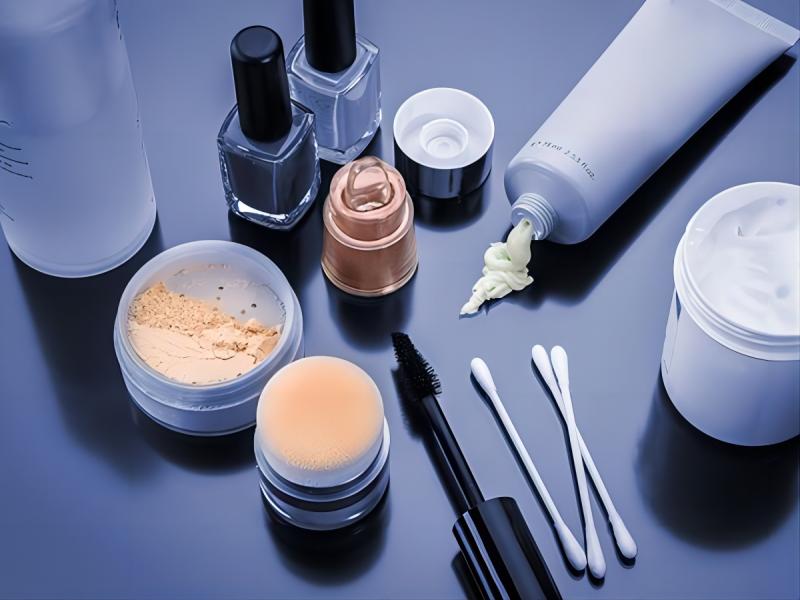
The pharmaceutical and cosmetics industries utilize succinic acid for the production of various drugs, personal care products, and skincare formulations. It acts as an emollient, humectant, and succinic acid for pH adjuster in cosmetics, while in pharmaceuticals, it finds applications in drug delivery systems and as an excipient.
- Bismaleimide Series2
- Cross-Linking agent / Vulcanizing Agent1
- Curing Agent1
- Engineering Plastic Pellets4
- Epoxy Resin2
- Ethylene-VinylAlcohol Copolymer(EVOH)1
- Fish Oil1
- Food Additives3
- Glucosamine1
- Heat-resistant modifier series1
- High Assay Quaternary Ammonium Compounds9
- Low Assay Quaternary Ammonium Compounds13
- Modified Polyvinyl Alcohol1
- Monomalemide Series2
- Other Surfactants/Catalysts8
- Plastic Random Packing1
- Plastic Structured Packing1
- Polyacrylamide1
- Polyurethane Resin2
- Polyvinyl Alcohol (PVA)2
- Power Coatings3
- Quaternary Ammonium Hydroxide4
- Special Quaternary Ammonium Compounds7
- TPU4
- Tertiary Amines1
- UV Ink1
- VAE Emulsion (Vinyl Acetate–ethylene Copolymer Emulsion)1
- aluminum paste1
- antiform2
- fire sleeve2
- resin2