In chemical production, a high-quality chemical pump is not only a fluid conveying equipment, but also the core key to ensuring the safe, stable, and efficient operation of the entire process. Chemical media often have strong corrosion, high toxicity, or flammable and explosive characteristics. The failure of any pump component can lead to leakage, pollution, and even safety accidents, causing huge economic losses and environmental responsibilities. Therefore, a corrosion-resistant, reliable sealed, and stable operating chemical pump is directly related to production continuity, process accuracy, and comprehensive cost control, and is an important infrastructure for chemical enterprises to achieve safety, environmental protection, and long-term operation.
The chemical pumps of Anhui Wolong Pump and Valve Co., Ltd. are deeply designed to cope with harsh industrial environments. From the core impeller, shaft seal to the pump casing, all are precision manufactured using special materials with excellent corrosion resistance. When the pump body is exposed to acidic, alkaline, organic solvents or other highly corrosive media for a long time, this material level protection can fundamentally resist chemical erosion, ensuring that key components are not easily corroded, worn, deformed or aged during high-speed operation. This not only significantly reduces the frequency of unexpected shutdowns caused by component damage, but also greatly extends the overall service life of the equipment, reducing maintenance costs and resource consumption caused by frequent replacement.
In addition, thanks to the dual optimization of materials and structure, our chemical pumps always maintain high efficiency and low failure rate during long-term operation, helping users achieve more stable process control and lower comprehensive energy consumption. Choosing a pump that is corrosion-resistant from the inside out means injecting long-lasting and reliable power into your production line, thereby winning safer production, lower lifecycle costs, and sustainable operational competitiveness in harsh chemical environments.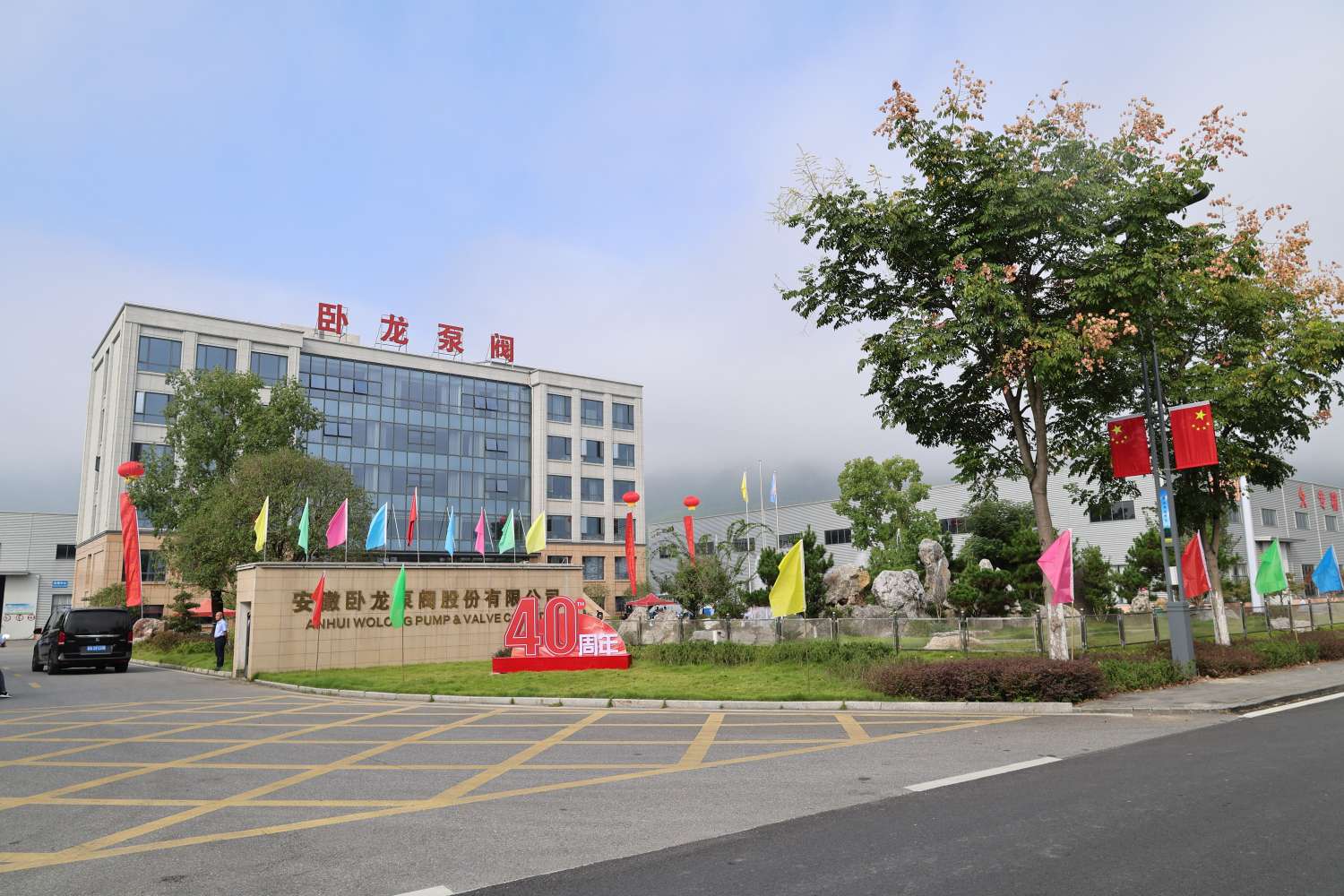
Is it difficult to choose a chemical pumps? Is installation troublesome? Slow maintenance? We are well aware of the pain caused by these production difficulties. Our chemical pumps are carefully crafted with special materials such as special alloys and high-performance engineering plastics to create core overcurrent components that are naturally capable of withstanding harsh working conditions. Combined with independently developed patented sealing technology, it completely blocks the risk of leakage from the structural source. Whether it is a high-temperature process lasting several hundred degrees or facing highly corrosive media such as strong acids and alkalis, it can maintain long-term stable operation, minimizing unexpected shutdowns and safety hazards.
Professional services have been launched since your first contact with us. We not only provide chemical pumps, but also offer customized solutions covering the entire process. The engineering team will go deep into your site, combining specific medium characteristics, operating parameters, and layout limitations to accurately select and scientifically plan for you. During the installation and debugging phase, technical experts provide detailed guidance to ensure that the equipment is perfectly integrated into the production line and quickly put into efficient operation. We are committed to making every solution tailor-made for you, accurately meeting your unique production needs, and silently guarding every moment of safety and stability in the workshop with professionalism and reliability throughout.
As a leading pump and valve manufacturer in the industry, ANHUI WOLONG PUMP&VALVE CO.LTD has always served the fields of chemical, power, metallurgy, environmental protection, etc. with high-quality and high-performance products. We not only provide high-quality products, but also offer professional technical support and after-sales service to ensure the long-term stable operation of you r equipment!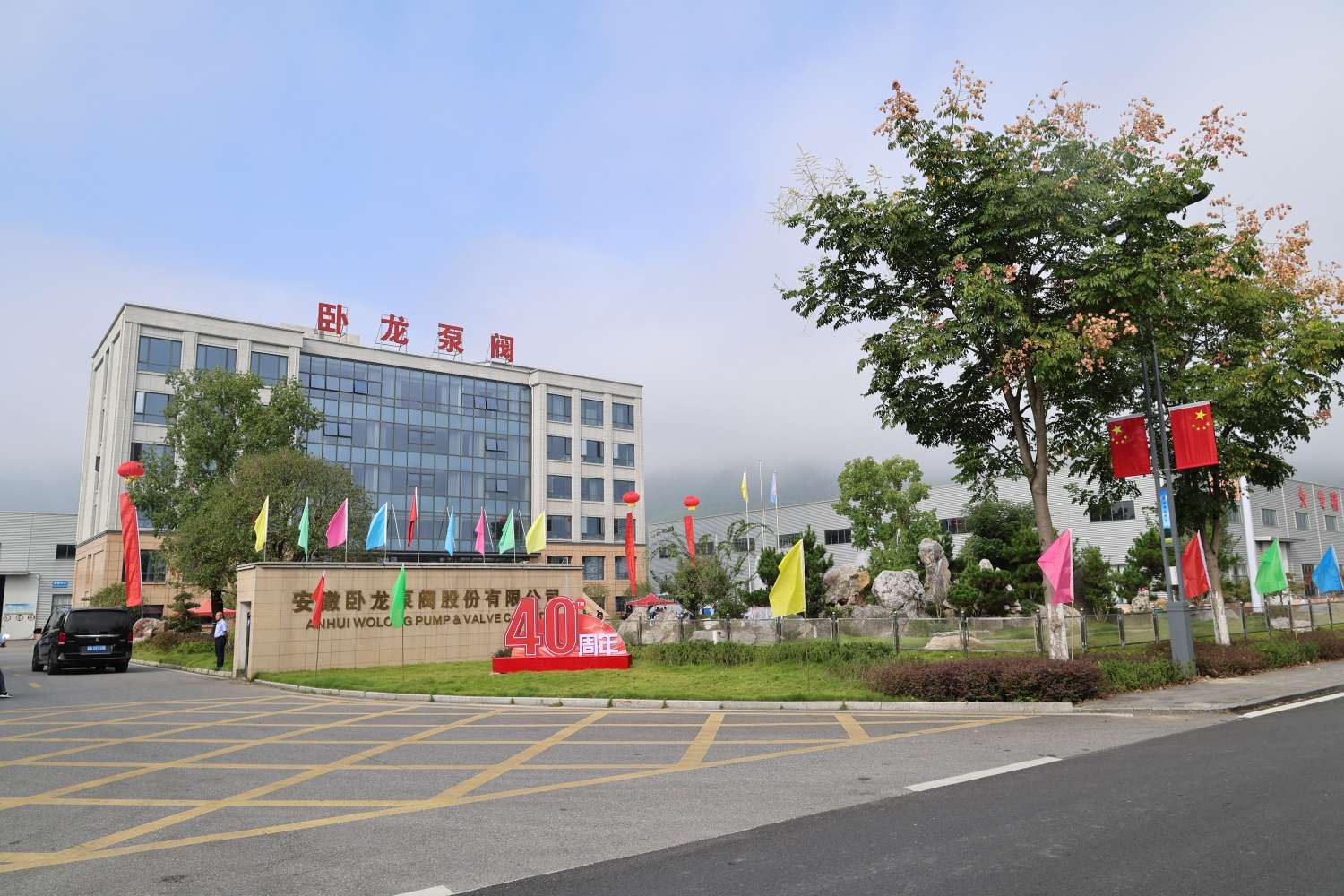
In chemical production, the most headache inducing issues are "leakage" and corrosion problems - they not only threaten production safety and pollute the environment, but also directly affect equipment life and operating costs. The emergence of CQB magnetic pump is an efficient solution to these pain points. It adopts an innovative shaft seal design, replacing traditional mechanical seals with magnetic coupling drive, fundamentally eliminating the risk of leakage at the shaft seal, truly achieving full process sealing and no water leakage. At the same time, the overcurrent components of the pump body are made of high-quality fluoroplastic material of Teflon grade, which has excellent corrosion resistance and can handle harsh media such as strong acids, alkalis, and mixed solvents with ease;
Structurally, the CQB magnetic pump integrates the driving device directly onto the motor shaft, with a compact and reasonable overall design that not only saves installation space but also significantly improves transmission efficiency, achieving energy conservation and consumption reduction. This efficient and stable characteristic makes it particularly outstanding in high demand scenarios such as fine chemicals, petrochemicals, acid and alkali production, non-ferrous metallurgy, and acid washing processes. Whether dealing with toxic and harmful liquids that are prone to leakage or transporting high-temperature and highly corrosive media, it can operate reliably, providing strong guarantees for continuous and clean production, and helping enterprises achieve a win-win situation of safety, environmental protection, and benefits.
As a leading pump and valve manufacturer in the industry, ANHUI WOLONG PUMP&VALVE CO.LTD has always served the fields of chemical, power, metallurgy, environmental protection, etc. with high-quality and high-performance products. We not only provide high-quality products, but also offer professional technical support and after-sales service to ensure the long-term stable operation of you r equipment!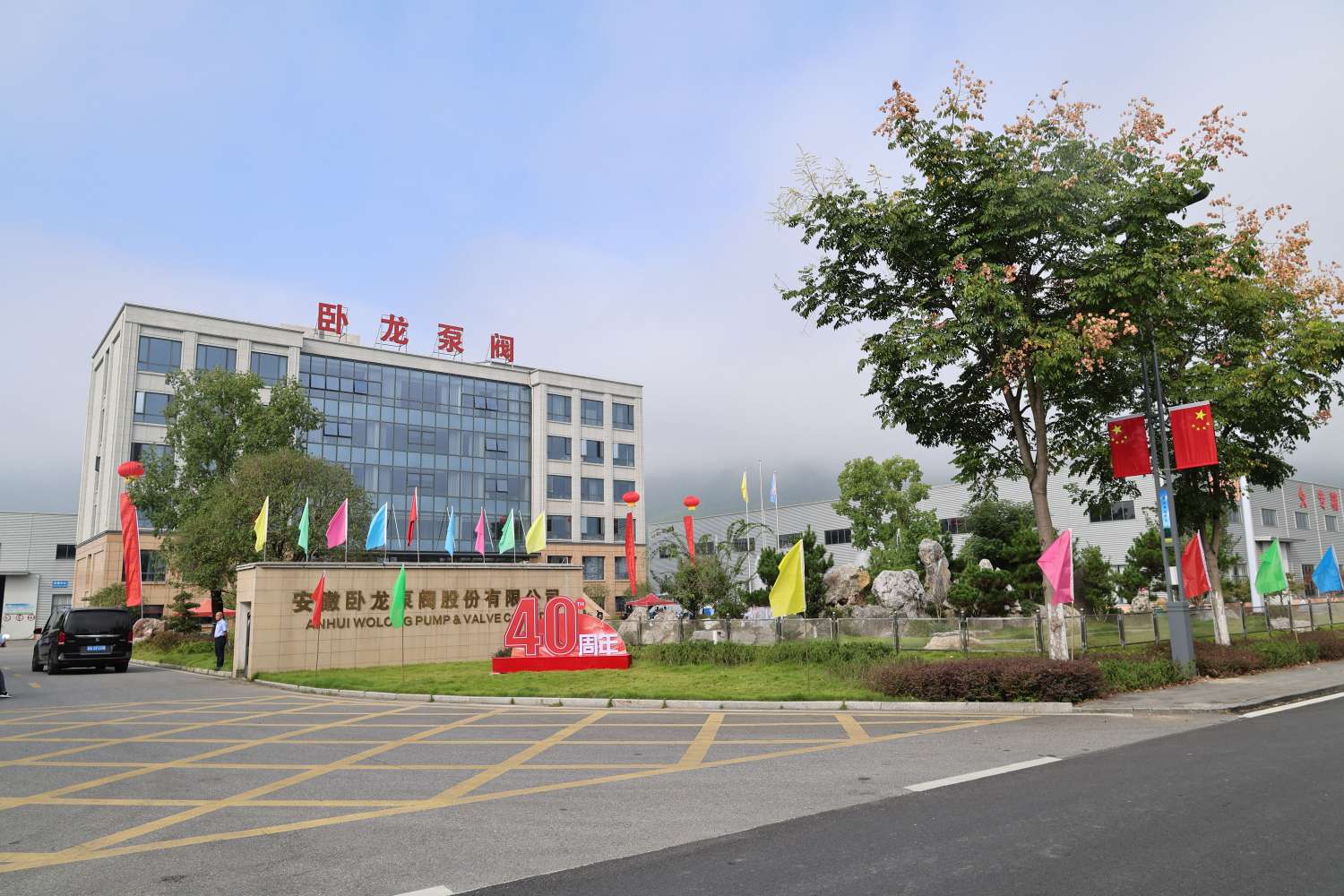
Are you struggling to find a high-quality chemical pump manufacturer? This means you haven't noticed ANHUI WOLONG PUMP&VALVE CO.LTD! As a true source manufacturer, we integrate research and development design, production and manufacturing, and sales services, completely eliminating intermediate links, ensuring that you can directly obtain high-quality products and professional support at a faster speed and better price.
We are well aware of the strict requirements of chemical production for pump equipment, so we focus on creating a series of products with excellent performance, safety and reliability. Whether it's a leak free, high safety standard magnetic pump, an efficient and energy-saving centrifugal pump, a self-priming pump that can start automatically, or a wear-resistant and corrosion-resistant mortar pump designed specifically for harsh working conditions, you can find a complete solution here. Our strong independent research and development capabilities and comprehensive production system ensure that we can flexibly and accurately meet your personalized needs.
Choosing ANHUI WOLONG PUMP&VALVE CO.LTD not only provides you with a device, but also a reassuring guarantee throughout the entire product lifecycle. From pre selection consultation and scheme design, to stable production delivery, professional installation guidance, and timely after-sales service, we provide one-stop one-stop service. Let us be your trusted partner, helping you completely solve fluid transportation problems and improve operational efficiency.
As a leading pump and valve manufacturer in the industry, ANHUI WOLONG PUMP&VALVE CO.LTD has always served the fields of chemical, power, metallurgy, environmental protection, etc. with high-quality and high-performance products. We not only provide high-quality products, but also offer professional technical support and after-sales service to ensure the long-term stable operation of you r equipment!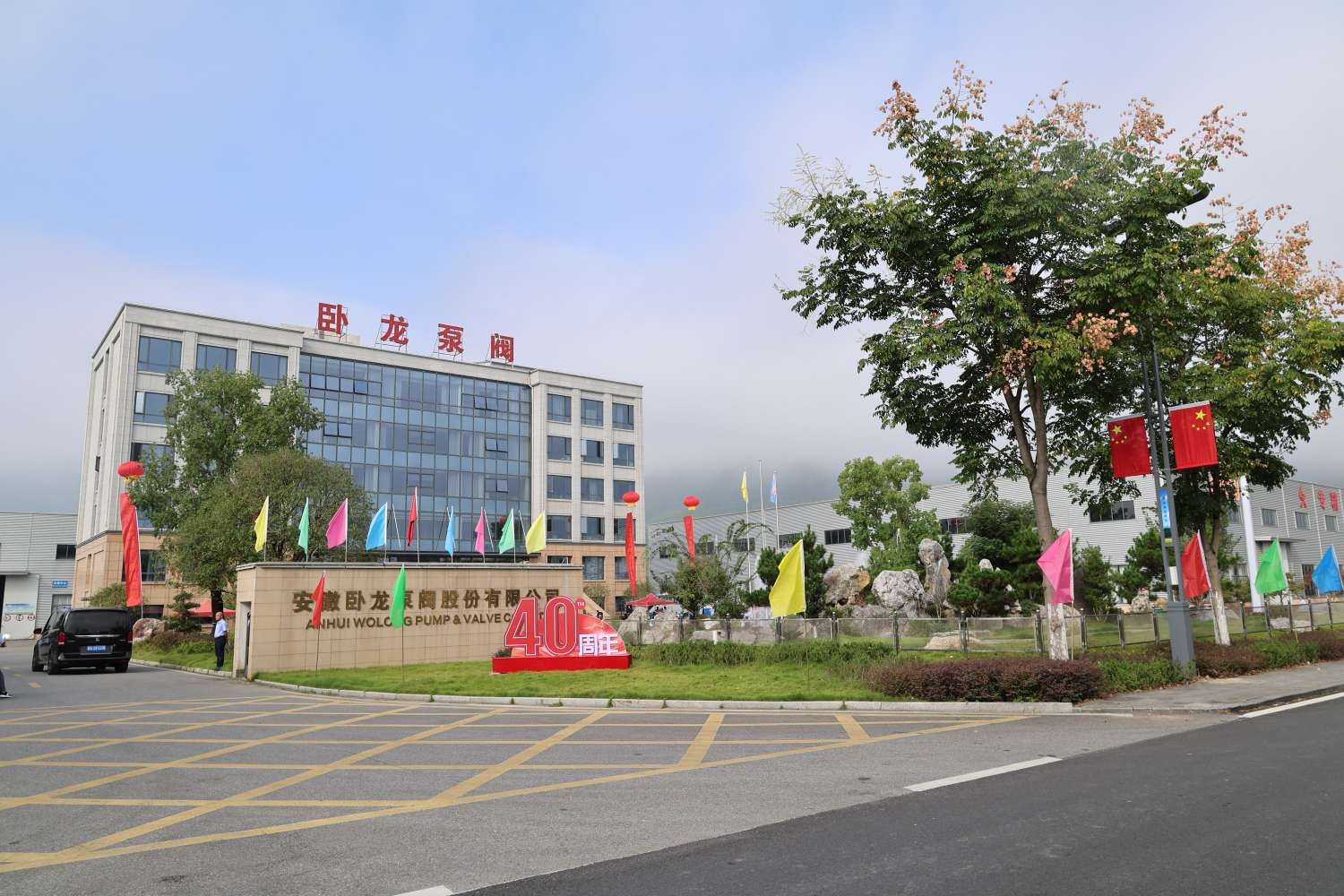
As an important industrial base in East China, Anhui, China, has seen a booming development in the chemical and related industries, with a continuous increase in demand for high-performance and high reliability chemical pumps. If you are looking for a professional chemical pump source manufacturer in Anhui, Anhui Wolong Pump Valve is your ideal partner. We integrate research and development, production, and sales, focusing on the manufacturing of various industrial pumps such as centrifugal pumps, magnetic pumps, mortar pumps, self-priming pumps, etc. Our products are widely used in the transportation of harsh media such as petrochemicals, metal smelting, environmentally friendly electricity, and strong acids and alkalis. With solid technical accumulation and strict quality control, we are committed to providing safe, efficient, and durable fluid transportation solutions for customers in various industries.
We are well aware that the reliability and stability of equipment are crucial in chemical processes. Therefore, we sincerely invite you to visit our factory located in Anhui for on-site inspection. Here, you can witness the complete production process from raw material selection, precision machining to machine testing, and have in-depth discussions with our technical team to gain a detailed understanding of the core advantages of our products in sealing technology, material corrosion resistance, and adaptability to working conditions.
Whether your needs are for conventional applications or special working conditions, Wolong Pump Valve looks forward to providing you with the most matching products and direct service support with the strength and price of the source manufacturer!
As a leading pump and valve manufacturer in the industry, ANHUI WOLONG PUMP&VALVE CO.LTD has always served the fields of chemical, power, metallurgy, environmental protection, etc. with high-quality and high-performance products. We not only provide high-quality products, but also offer professional technical support and after-sales service to ensure the long-term stable operation of you r equipment!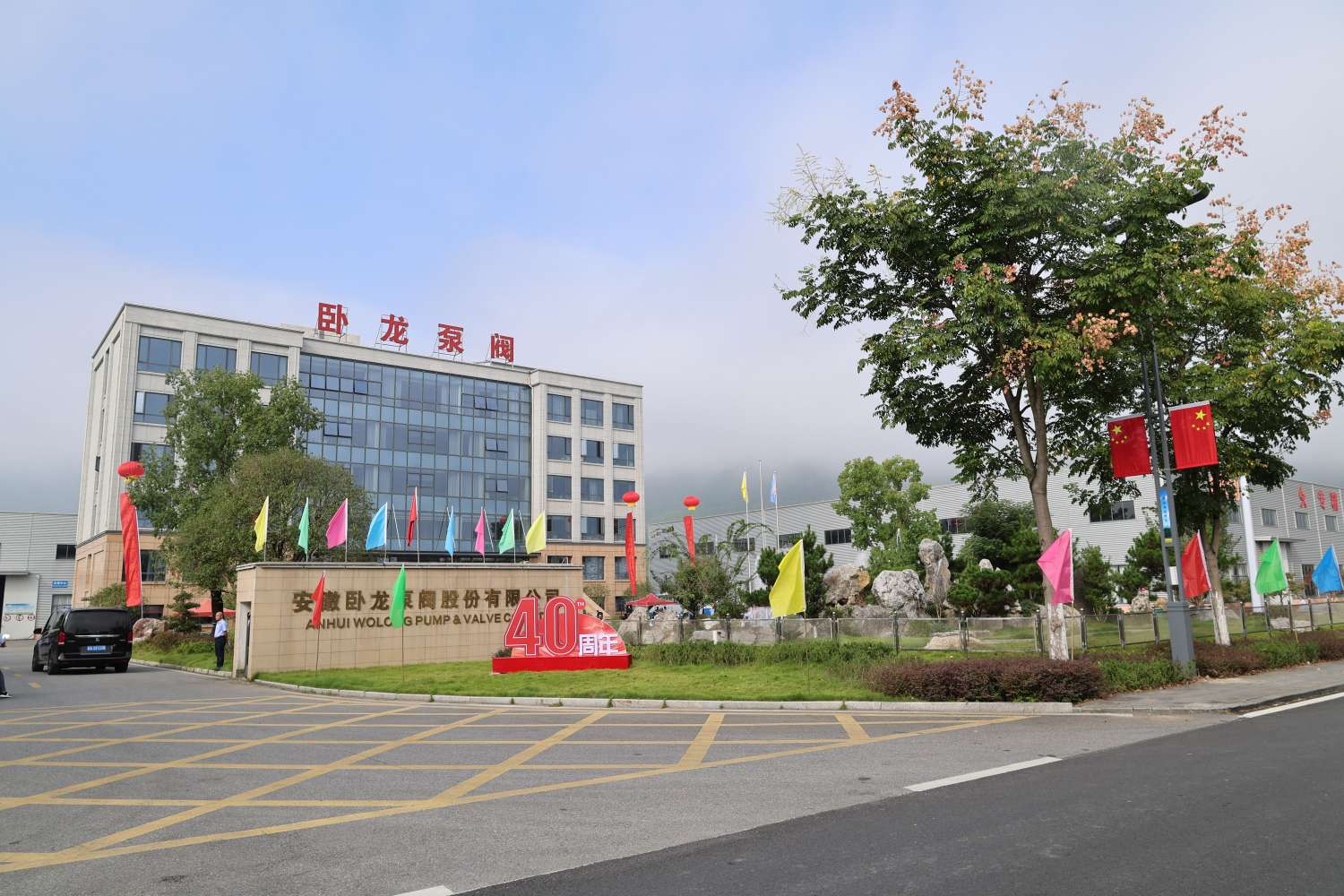
We adhere to the core of adapting to chemical scenarios and are committed to creating a professional and reliable series of chemical pump products. Starting from the material selection process, we strictly follow the rigorous standards of the chemical industry, selecting high-performance stainless steel, special alloys, and corrosion-resistant engineering plastics to ensure that the core components of the pump body can resist the erosion of various chemical media. In the design and manufacturing process, we pay attention to the rationality of the structure and the exquisite craftsmanship. Through advanced assembly technology and strict quality control, we ensure that each pump equipment still has long-lasting and stable mechanical performance under complex working conditions.
We provide customized solutions for different media characteristics commonly found in chemical production, such as corrosiveness, high viscosity, particle content, or easy crystallization. By optimizing the flow channel design, adjusting the impeller structure, and matching specialized sealing forms, the pumping process is ensured to be efficient and smooth, effectively avoiding problems such as blockage, wear, and poor medium adaptation. In terms of operational performance, our products place particular emphasis on user experience and safety: the equipment operates with low noise and minimal vibration, significantly improving the working environment; Simultaneously adopting multiple sealing technologies and leak protection designs, the sealing performance is excellent, greatly reducing the risk of leakage, ensuring continuous and stable production, and helping enterprises achieve operational goals of safety, environmental protection, and energy conservation.
Anhui Wolong Pump and Valve Co., Ltd. continue to focus on the special needs of the chemical industry, making corrosion resistance, wear resistance, and long life the key directions for product development. Through the deep integration of materials science, fluid mechanics, and engineering practice, we continuously improve the adaptability and reliability of pump products under extreme working conditions, and are committed to providing more valuable fluid transportation solutions for customers in the chemical industry, becoming a solid and secure part of the production process.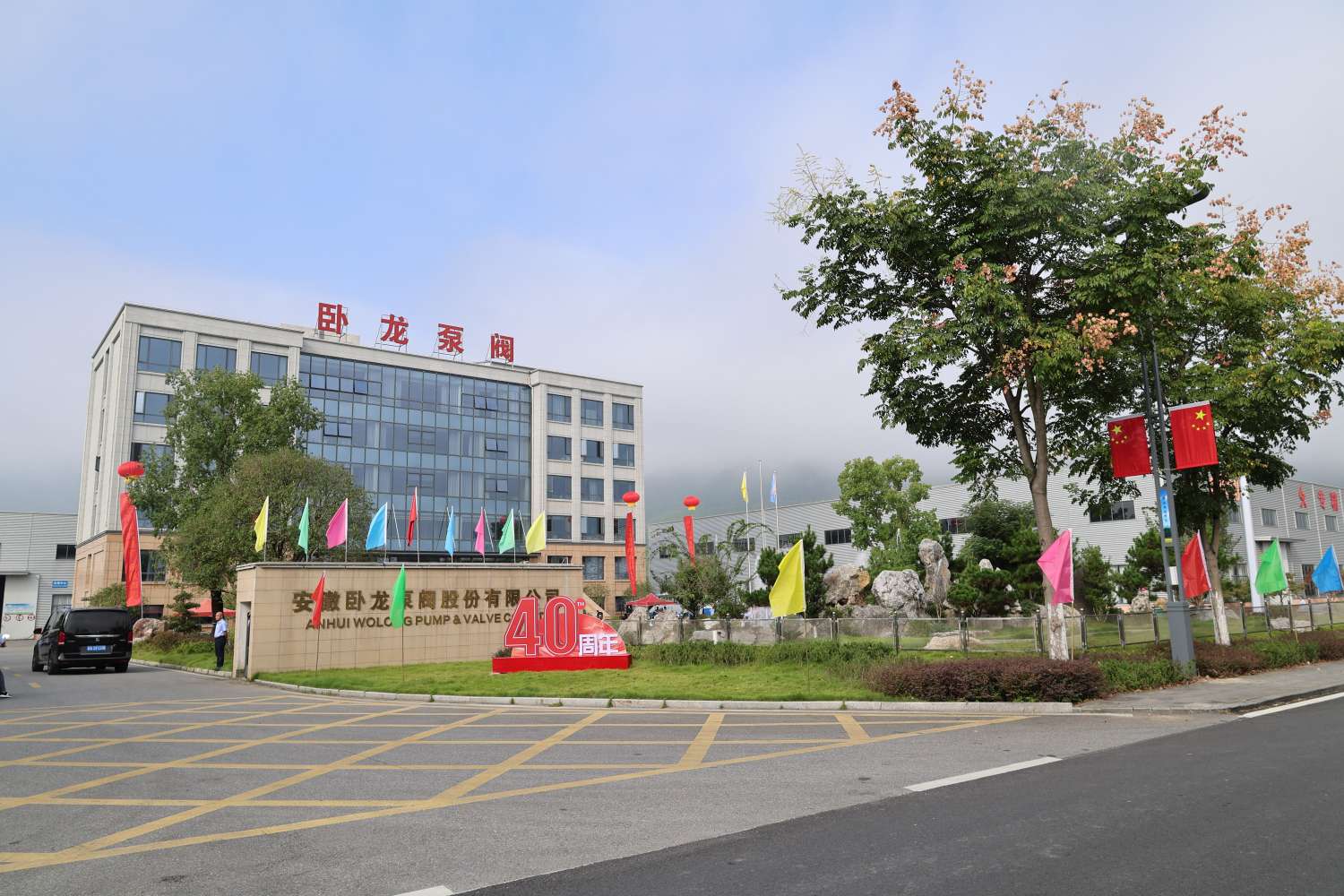
In chemical production, the transportation of highly corrosive, flammable and explosive media is always a severe challenge, directly testing the core performance and safety bottom line of equipment. The magnetic pump of Wolong Pump Valve is designed for such harsh working conditions, and its excellent sealing performance completely eliminates the leakage hazard of dynamic sealing points, cutting off the risk of flammable and explosive media leakage from the source, and building a solid barrier for safety production. At the same time, the overcurrent components of the pump adopt special lining technology, which can easily cope with long-term corrosion of various extremely corrosive media such as hydrochloric acid and sodium hydroxide, demonstrating extraordinary durability.
In addition to safety and corrosion resistance, Wolong magnetic pumps strive for excellence in design and economy. Its compact structure significantly saves valuable installation space; The innovative design without vulnerable parts fundamentally reduces the frequency and cost of maintenance for users. This makes the comprehensive economic benefits of the pump particularly prominent in long-term continuous operation. More importantly, we are not providing universal products, but rather a deep understanding of the diversity and complexity of chemical production, committed to providing customized pumping solutions for different specific scenarios, ensuring that each pump can perform at its optimal efficiency on your production line.
As a leading pump and valve manufacturer in the industry, ANHUI WOLONG PUMP&VALVE CO.LTD has always served the fields of chemical, power, metallurgy, environmental protection, etc. with high-quality and high-performance products. We not only provide high-quality products, but also offer professional technical support and after-sales service to ensure the long-term stable operation of you r equipment!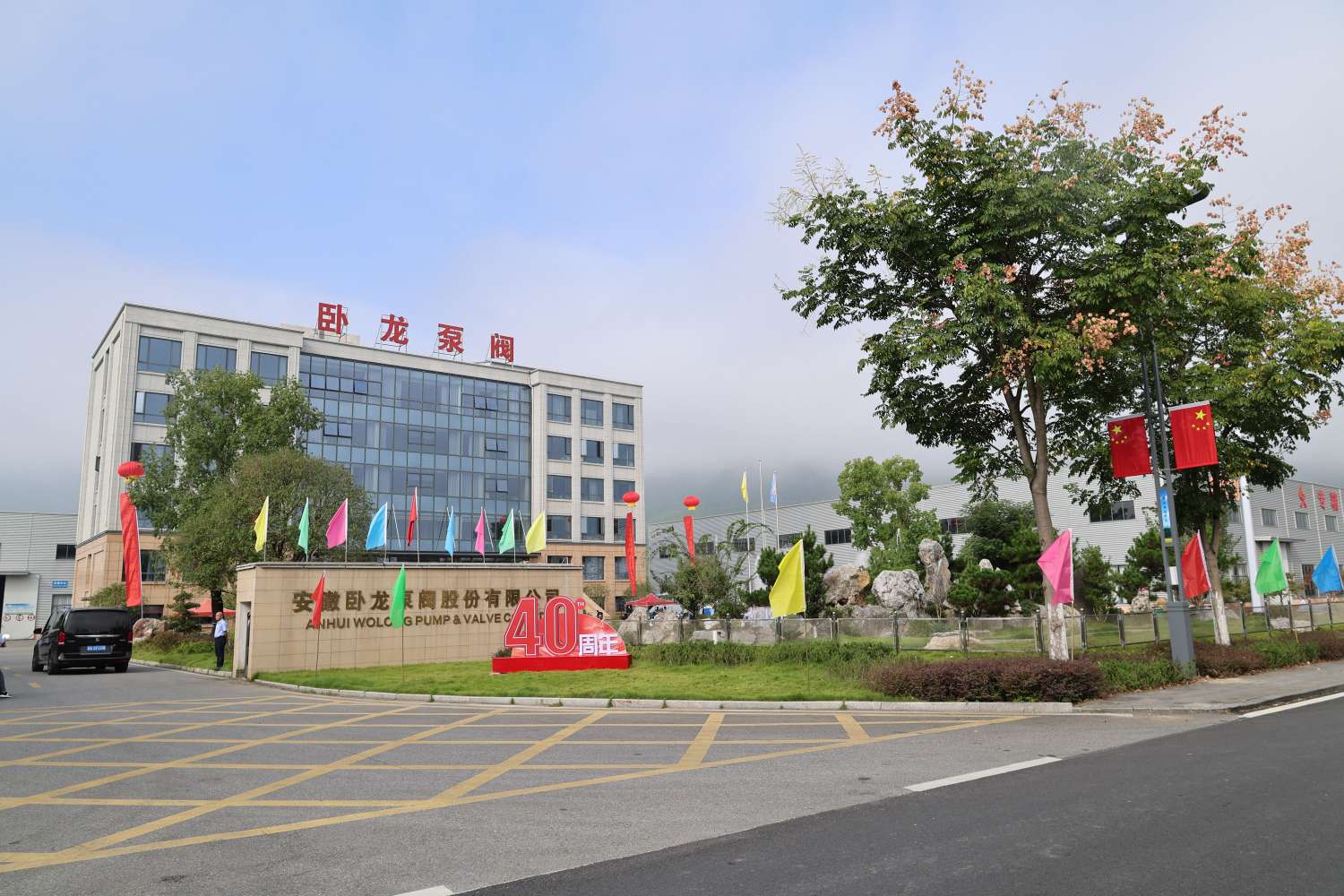
Indeed, nowadays more and more business decision-makers have cast their vote of confidence in us, Wolong Pump Valve. The core reason behind this is our profound insight and relentless pursuit of the core values of the product. We are well aware that in key fields such as chemical, pharmaceutical, and electroplating, the corrosion resistance and operational stability of pump equipment are directly related to the continuity and safety of production. Therefore, the chemical pumps we produce are made of high-quality special materials such as fluoroplastics and stainless steel, which endow the pump body with excellent corrosion resistance. Whether facing strong acids, strong alkalis, or various complex chemical media, our pump valves can effectively resist erosion, ensuring long-term, stable, and silent adherence to their posts under harsh working conditions, fundamentally reducing equipment failure rates and extending service life for customers.
In addition to being sturdy and durable, the comprehensiveness of Wolong pump valves is also the key to winning the market. We understand that your needs are diverse and specific - perhaps you are extremely concerned about the demanding requirements of "acid and alkali resistance", perhaps "corrosion and leakage prevention" is your bottom line for safety and environmental protection, or perhaps in today's high energy cost, "high efficiency and energy conservation" is your urgent need to enhance competitiveness. Please rest assured that all these expectations have been carefully considered by Wolong Pump Valve. Our product line is designed to fully meet these diverse application scenarios, committed to providing powerful performance while achieving lower overall operating costs for you. Choosing Wolong means choosing a reliable guarantee for long-term operation and a considerable long-term benefit.
As a leading pump and valve manufacturer in the industry, ANHUI WOLONG PUMP&VALVE CO.LTD has always served the fields of chemical, power, metallurgy, environmental protection, etc. with high-quality and high-performance products. We not only provide high-quality products, but also offer professional technical support and after-sales service to ensure the long-term stable operation of you r equipment!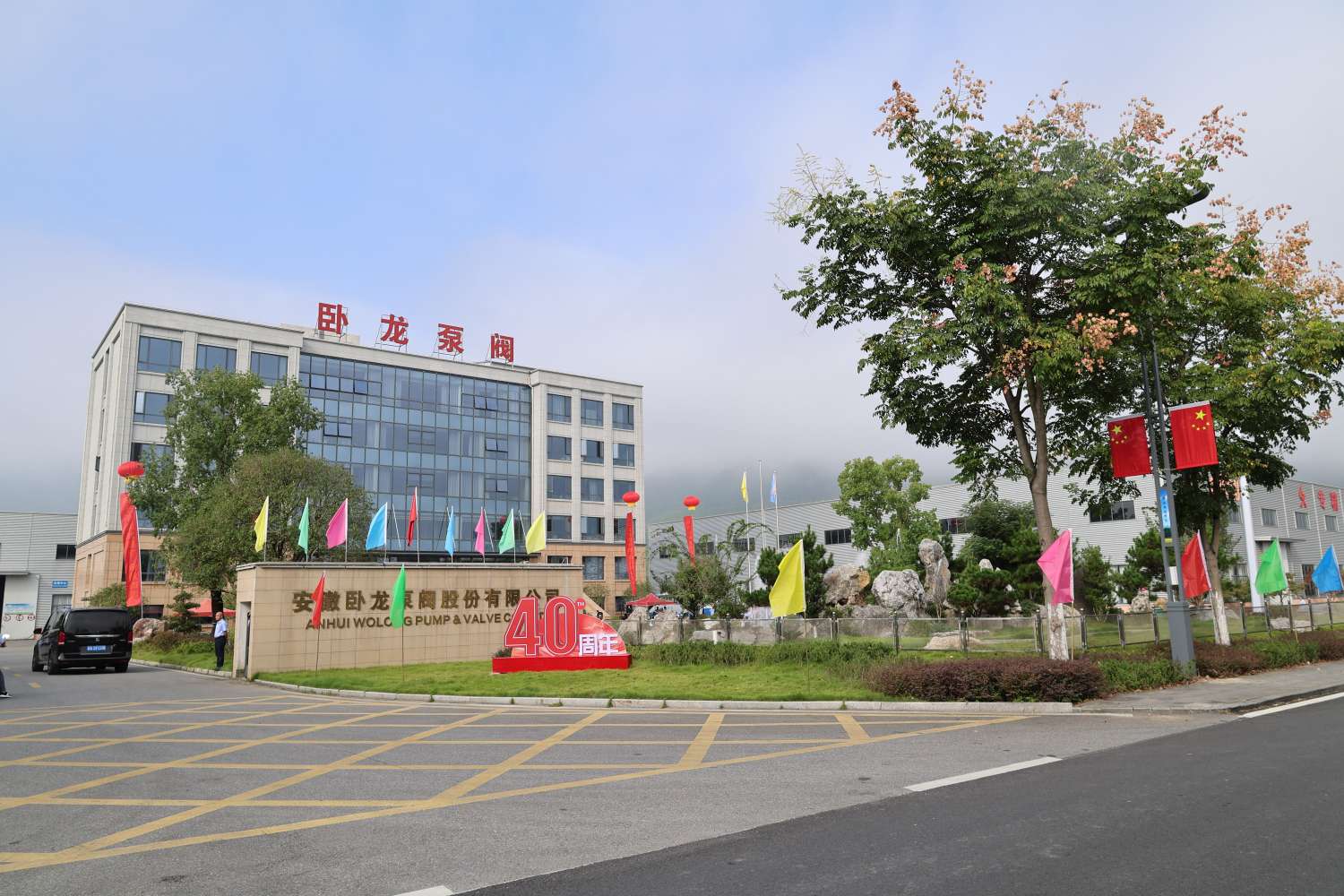
"Dedication" is an important part of socialist core values, and employees must never lose the spirit of "dedication". In many enterprises, every employee has their own duties and missions, which is an attitude of being responsible for the work they are engaged in. It is not only a manifestation of professional quality, but also a manifestation of personal moral quality.
First of all, the spirit of dedication is a positive work attitude. Employees with the spirit of dedication will face work with a positive attitude first. They will regard work as a way to realize their self - worth, not just a tool to support their families; they will do their best to complete every task, and will overcome difficulties indomitably even when encountering them.
Secondly, the spirit of dedication is a way of working that strives for perfection. Employees with the spirit of dedication will constantly optimize their working methods to improve work efficiency and quality. At the same time, they will also reflect on and summarize their work so as to better improve their work ability.
Thirdly, the spirit of dedication is respect for the enterprise and colleagues. Employees with the spirit of dedication will respect the enterprise's various rules and regulations, identify with the enterprise's various cultures, and respect colleagues. They will get along with colleagues with a cooperative attitude, help each other, support each other, and complete work tasks together.
Finally, the spirit of dedication is a solemn commitment to one's own profession. Employees with the spirit of dedication will treat their work with a responsible attitude. They will earnestly perform their duties and obligations with full enthusiasm and a high sense of responsibility, and make their own contributions to the long - term development of the enterprise. They will make reasonable planning and management of their own career so as to better realize their self - worth.
In conclusion, the spirit of dedication is a spirit that employees must not abandon. The spirit of dedication will make people treat their existing work with a positive attitude and a striving - for - perfection working method, respect the enterprise culture, respect colleagues, and respect the team. Such employees can not only improve work efficiency and work quality, but also create more value for the enterprise. Therefore, we should always maintain the spirit of dedication and integrate it into practical work. In this way, we can not only achieve better achievements in our career, but also contribute our due strength to the sustainable development of the enterprise, so as to realize our life value.
——Production Department :Zhang Junmin
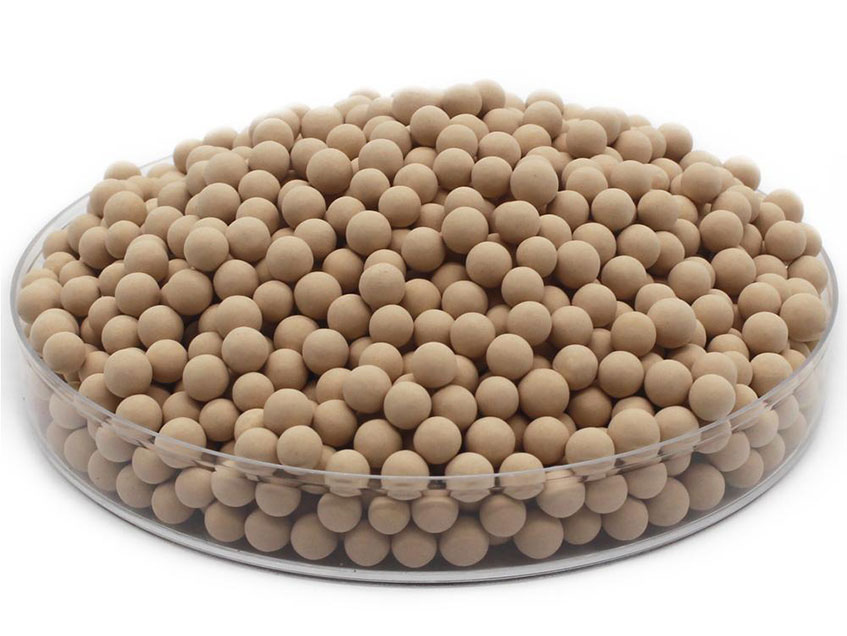
Molecular sieves possess unique and excellent catalytic properties, which are mainly manifested in the following aspects:
Unique and uniform pore structure: Molecular sieves have regular and uniform intracrystalline channels, with pore sizes close to molecular dimensions. This structure makes the catalytic performance of molecular sieves change significantly with the geometric sizes of reactant molecules, product molecules, or reaction intermediates. For example, in certain reactions, only molecules with a kinetic diameter smaller than the pore size of the molecular sieve can enter the channels and be catalyzed, thereby achieving selective control of the reaction.
Large specific surface area: It provides abundant active sites for catalytic reactions, increases the contact opportunities between reactants and catalysts, and improves reaction efficiency. A large number of surface active sites can adsorb and activate reactant molecules, promoting the progress of chemical reactions.
Strong acid centers and redox active centers: These enable molecular sieves to exert catalytic effects in various reactions. Acid centers can facilitate acid-base catalytic reactions, while redox active centers contribute to the occurrence of redox reactions.
Strong polarizable Coulomb field inside the pores: It can polarize reactant molecules and optimize reaction pathways, thereby improving the activity and selectivity of catalytic reactions. This polarization effect helps activate reactant molecules and reduce the activation energy of the reaction.
In conclusion, the catalytic properties of molecular sieves enable them to play an important role in numerous industrial catalytic processes, providing strong support for the development of chemical, petroleum and other fields.
Any interestes or questions ,welcome to visit us at www.carbon-cms.com.
- Bismaleimide Series2
- Cross-Linking agent / Vulcanizing Agent1
- Curing Agent1
- Epoxy Resin1
- Ethylene-VinylAlcohol Copolymer(EVOH)1
- Fish Oil1
- Food Additives3
- Glucosamine1
- Heat-resistant modifier series1
- High Assay Quaternary Ammonium Compounds9
- Low Assay Quaternary Ammonium Compounds13
- Modified Polyvinyl Alcohol1
- Monomalemide Series2
- Other Surfactants/Catalysts8
- Plastic Random Packing1
- Plastic Structured Packing1
- Polyacrylamide1
- Polyurethane Resin2
- Polyvinyl Alcohol (PVA)2
- Power Coatings3
- Quaternary Ammonium Hydroxide4
- Special Quaternary Ammonium Compounds7
- TPU4
- Tertiary Amines1
- UV Ink1
- VAE Emulsion (Vinyl Acetate–ethylene Copolymer Emulsion)1
- aluminum paste1
- antiform2
- fire sleeve2
- resin2