Cellulose acetate butyrate CAB-381-20 and CAB-381-551-0.01 is a thermoplastic polymer derived from natural plant material, cellulose. It combines both acetate and butyrate functional groups, giving it excellent clarity, toughness, flexibility, and resistance to yellowing and UV light.
Cellulose Acetate Butyrate CAB-381-20 and CAB-381-551-0.01 are a versatile material widely used in coatings, inks, and plastics. It offers good durability, adhesion, and gloss, and it can be processed via injection molding and extrusion.
The exact properties of Cellulose Acetate Butyrate CAB-381-20 and CAB-381-551-0.01 can be adjusted by varying the ratio of acetate and butyrate groups. This allows for tailored performance in applications ranging from automotive paints and wood finishes to cosmetic ingredients and packaging.
Cellulose Acetate Butyrate CAB-381-20 and CAB-381-551-0.01 features:
Transparency and gloss. It is clear and glossy, making it ideal for applications requiring high optical clarity.
Toughness and flexibility: Cellulose Acetate Butyrate CAB-381-20 and CAB-381-551-0.01 form durable films that are tough, flexible, and resistant to scratching and marring.
Weathering resistance: Cellulose Acetate Butyrate CAB-381-20 and CAB-381-551-0.01 offer excellent resistance to UV light and weathering, making it suitable for outdoor use.
Solubility: Both models dissolve in a wide range of solvents, which is crucial for formulating coatings, inks, and adhesives.
Adhesion: Cellulose Acetate Butyrate CAB-381-20 and CAB-381-551-0.01 adhere well to various substrates, including metal, plastic, and wood.
High Bio-Content: As a cellulose derivative, both models have a high bio-based content, making it a renewable material.
Due to its outstanding chemical and physical properties, Cellulose Acetate Butyrate CAB-381-20 and CAB-381-551-0.01 are widely used in many applications, such as automobile repair paint, motorcycle paint, metal flash paint, plastic paint, wood paint, paper varnish, fabric coating, and printing ink. It is also used in gold and silver cardboard ink and vacuum aluminized paper transfer film for tobacco and gift packaging.
Feel free to contact us for free samples or technical documents of CAB-551-0.2, CAB-381-0.5, CAB-381-0.1, CAB-381-2, CAB-381-20, or CAB-531-1, CAB-551-0.01.
In today's plastics industry, which is pursuing high performance, multi-functionality, and environmental sustainability, specialty additives are playing an indispensable role. Cellulose acetate butyrate (CAB), a specialty resin with a long history but continuously evolving performance, is a "key player" in many high-end applications. Among them, CAB-381-2, with its unique physicochemical properties, has become one of the core materials for improving the surface performance, processing performance, and final quality of plastic products. As a professional supplier that has long provided high-performance solutions to globally renowned companies, China AAB Group is committed to bringing the innovative applications of CAB-381-2 to its global partners in the plastics industry, jointly developing more competitive products.
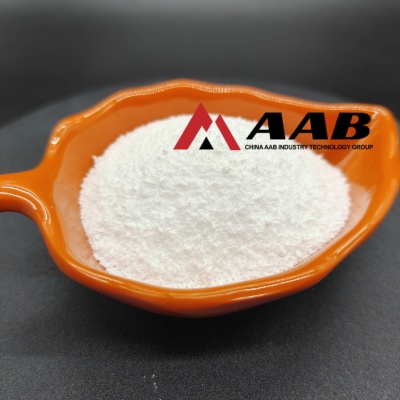
What is Cellulose Acetate Butyrate?
Cellulose acetate butyrate (CAB) is a type of thermoplastic resin obtained by modifying natural cellulose through esterification with acetic acid and butyric acid. The number "381-2" in the model name typically represents key parameters such as the content of acetyl and butyryl groups, and hydroxyl content, which determine its specific solubility, compatibility, rheological properties, and film-forming characteristics. CAB-381-2 usually exhibits excellent transparency, high gloss, good weather resistance and UV resistance, and good solubility in many solvents. As a non-reactive film-forming resin or performance modifier, it can significantly improve the surface properties of base materials.
Applications of CAB-381-2 in the plastics industry
Thanks to its unique combination of properties, CAB-381-2 finds diverse applications in the plastics industry, primarily as a high-performance additive or modifier:
Key additive for improved surface properties: In the surface treatment of plastic products, especially PVC, ABS, and polyolefins, the addition of CAB-381-2 can significantly improve the surface gloss, smoothness, and feel of the final product, while reducing surface defects.
Main component of scratch-resistant and anti-blocking coatings: CAB forms a hard, wear-resistant, transparent film, often used in the manufacture of scratch-resistant coatings for plastic films and sheets, or to prevent plastic products from sticking together during storage and transportation.
Orientation agent for metallic and effect pigments: In plastic products containing metallic or effect pigments such as aluminum powder and pearlescent pigments (e.g., automotive interior parts, high-end electronic product casings), CAB-381-2 effectively promotes the directional alignment of pigments, achieving a uniform, bright, and visually deep metallic luster effect.
Processing aid and compatibilizer: CAB-381-2 can improve the compatibility of certain plastic blending systems, optimize melt flowability, thereby improving processing efficiency and reducing internal stress in the finished product.
Advantages of Choosing CAB-381-2:
Integrating CAB-381-2 into your plastic formulations or processes offers immediate and crucial advantages for the final product:
Superior Final Appearance: Provides excellent high-gloss and high-transparency surfaces, enhancing product quality and visual appeal.
Enhanced Durability: Improves surface scratch resistance, wear resistance, and chemical resistance, extending product lifespan.
Excellent Processing Adaptability: Compatible with a variety of common resins and solvents, easy to process and disperse, without affecting the performance of the main material.
Reliable Quality Assurance: As a mature specialty chemical, it offers stable performance and consistent batch quality, contributing to stable product quality.
Sustainable Solution: Derived from natural cellulose, it has a certain bio-based background compared to purely synthetic resins, aligning with environmental trends.
Choosing the right specialty chemicals partner is the first step to successful technological innovation. As a group comprised of four companies with extensive experience in production and supply chain management, China AAB Group deeply understands the needs of global customers. Our business spans numerous industries, including plastics, coatings, and adhesives, offering over 100 high-performance products, including functional resins.
We adhere to the business philosophy of "integrity and quality paramount, mutual benefit for all," and are committed to creating value for global customers through continuous innovation and attentive service. The group owns four production bases and has long provided stable supply and flexible solutions to customers in over 20 countries and regions, including Europe, North America, the Middle East, and Southeast Asia.
If you would like to learn more about how CAB-381-2 can address your specific application challenges, or to obtain free samples for testing, please feel free to contact us through our official website. We look forward to starting a successful long-term partnership with you and jointly shaping a future of higher efficiency and superior quality in the plastics industry. Feel free to contact us by info@aabindustrygroup.com or WhatsApp +86 13951823978 for Chinese high performance cost CAB reins products.

In recent years, large coating companies in Asia (China, Japan, South Korea, India, etc.) have been accelerating their transformation, gradually abandoning in-house grinding pigment paste with machines line, and instead directly purchasing Pigment Dispersions such as CAB pigment chips, water based solid pigment dispersion. This trend is driven by multiple factors, including cost, efficiency, environmental protection, and technology.
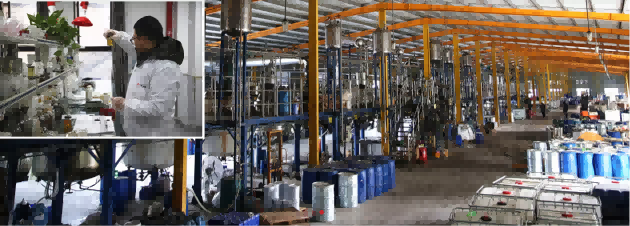
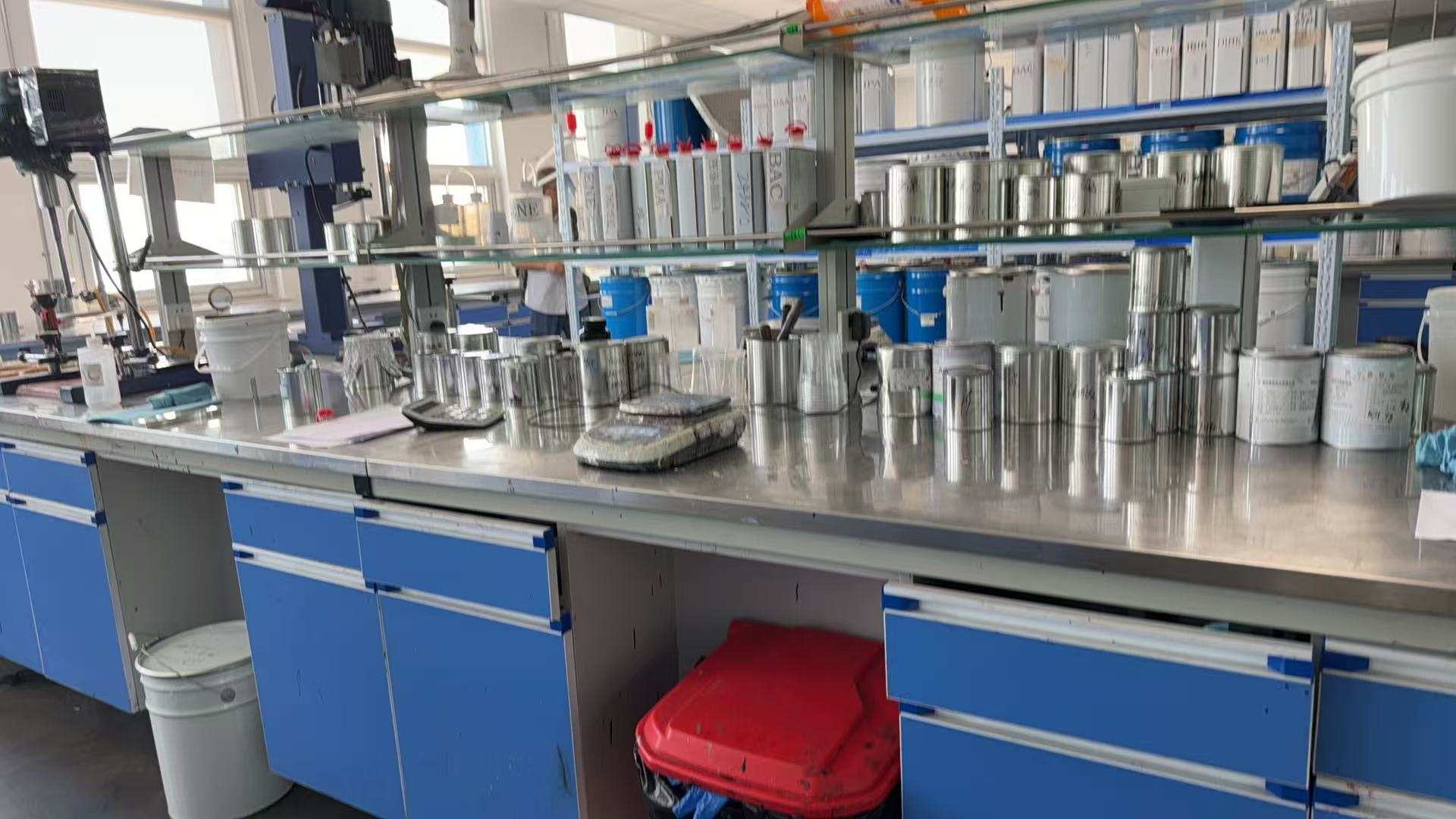
In the past, paint manufacturers typically sourced their own materials and purchased sand mills lines for grinding themselves. However, this approach often resulted in suboptimal formulations. Additionally, due to outdated machinery, issues such as machine blockages and color changes during disassembly can lead to material wastage. For example, a 30-ton capacity sand mill can cause an average of 5-10 kilograms of wastage, and during color changes, rinsing can result in wastage rates as high as 5%-10% when grinding 200-300 kilograms. Many manufacturers previously did not consider material wastage, labor costs, or inventory costs, focusing solely on raw material costs. The more inventory is held in the warehouse, the greater the consumption of workshop logistics, as well as the higher the costs associated with space, labor, and inventory. Additionally, while paint factory engineers are highly skilled in paint formulations, they have not conducted in-depth research into the chemical structure, colorfastness, heat resistance, color bleeding, and environmental performance of organic pigments. Relying solely on paint factories to resolve issues related to color paste stability and compatibility presents significant challenges.
As a result, several Asian paint manufacturers have gradually abandoned in-house color paste production and shifted to purchasing finished color paste. According to Nippon Paint's 2023 annual report, since closing its color paste production lines in 2022, production costs have decreased by 18%, and delivery cycles have been shortened by 40%. Asia Coatings also stated that since purchasing ready-made color pastes, the development cycle for new products has been reduced from three months to one month, significantly improving production efficiency.
Compared to self-grinding color paste, purchasing finished color paste or pigment dispersion to solve pigment paste directly has the following advantages:
|
Comparison dimensions |
Self-developed color paste |
Finished colorant |
Advantage Analysis |
|
Production cost |
High (equipment + energy consumption + labor) |
Low (large-scale procurement) |
Save 20%+ on costs |
|
Production cycle |
8-12 hours/batch |
Ready to use |
80% increase in efficiency |
|
Color stability |
Δe>1.0 (prone to deviation) |
Δe<0.5 (industrial standard) |
Ensuring product quality stability |
|
Environmental compliance |
Need to build own wastewater/voc treatment facility |
Suppliers are compliant |
Reduce regulatory risk |
Can we continue to supply high-quality products and services? Can we solve fundamental problems faced by customers, such as stability and compatibility? How can we help customers solve problems such as environmental protection, inventory backlogs, and excessive standards? China AAB Group thought about this early on and put it into practice.
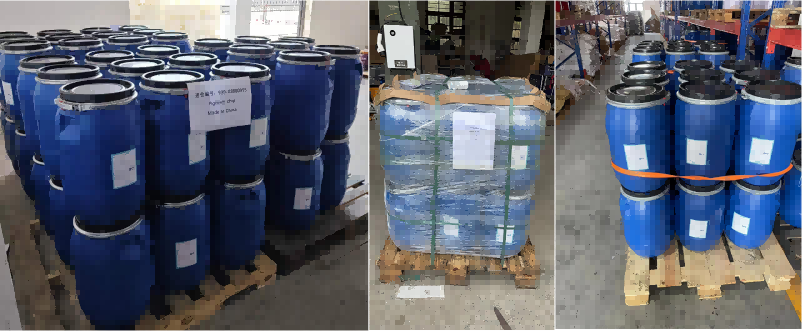
As a professional chemical raw material supplier, China AAB Group provides high-performance finished colorant such as CAB pigment chips, Water based solid pigmet pre dispersion and water based nano grade pigment paste to help paint and coatings companies reduce costs and increase efficiency.Our products have been exported to many European countries and have been recognized by Turkish customers on numerous occasions.
✅ High color saturation — covers Pantone and RAL standard color systems, ΔE<0.5
✅ Ready-to-use formula — no grinding required, add directly to save time
✅ Environmentally friendly and compliant — complies with REACH and GB 24409-2020, no heavy metal excess
✅ Customized service — supports water-based/oil-based/UV systems, matches different resins
Our products are widely used in:
- Architectural paint color paste—high weather resistance, suitable for interior and exterior walls
- Industrial paint color paste—UV resistance, chemical corrosion resistance
- Automotive refinish paint color paste—precise matching of OEM colors

We can supply multiple pigment dispersion models and customize packaging specifications according to customer requirements. China AAB Group's absolute professionalism in color paste production and supply ensures a precise response to customer needs: "Customers have many requirements, but as long as there is sufficient volume, we can establish a standard for them. We can also tailor solutions to meet specific customer requirements. Whether it's formula development, pilot-scale and large-scale production experience, process optimization, equipment maintenance and repair, or material quality assurance, we are continuously enhancing our expertise and control capabilities. If you are interested in our products and require additional product information, please feel free to contact us to request free sample testing.
In the semiconductor manufacturing industry, temperature control is a critical factor determining product yield. Processes such as thin film deposition and etching require precise temperature control for wafers, where temperature uniformity directly influences chip performance and reliability. Within this precision-driven process, aluminum nitride (AlN) ceramic heaters have emerged as an indispensable core component in semiconductor equipment, thanks to their outstanding performance.
Why Have Ceramic Heaters Become the Preferred Choice in Semiconductor Manufacturing?
The semiconductor process environment is extremely harsh—characterized by high vacuum, plasma, and the presence of corrosive chemical gases, which impose stringent requirements on heater materials. Traditional metal heaters find it difficult to operate reliably long-term under such conditions. In contrast, ceramic heaters, with their exceptional corrosion resistance, high electrical insulation, and thermal stability, have become the sole solution capable of fulfilling this role.
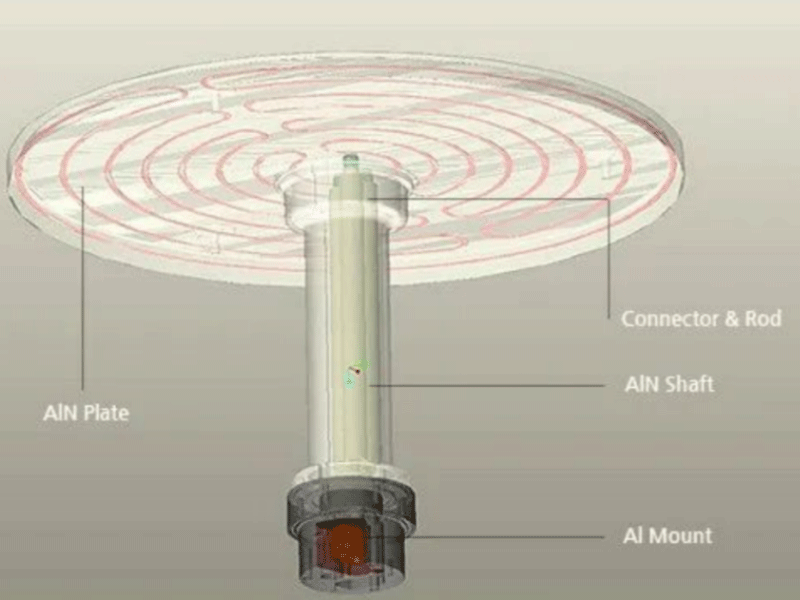
AlN ceramic heaters are installed directly inside the process chamber in close contact with the wafer. They not only support the wafer but also ensure it attains a stable and uniform process temperature, acting as the "heart" of thin film deposition equipment.
Aluminum Nitride: The Ideal Material for Ceramic Heaters
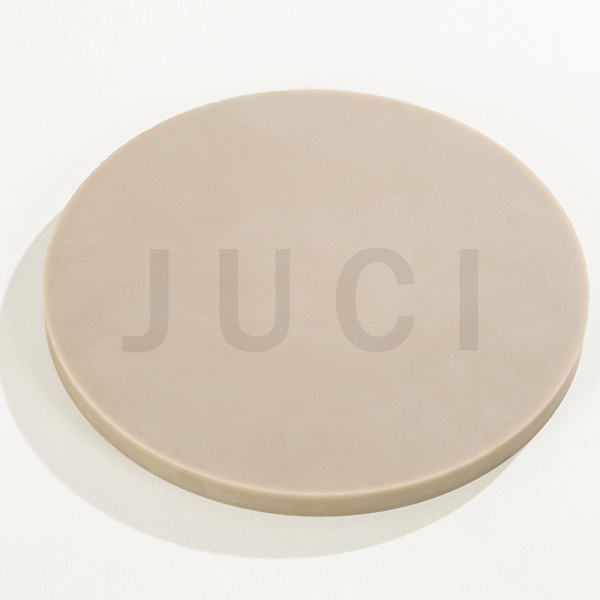
Among various ceramic materials, aluminum nitride (AlN) stands out as the optimal choice for ceramic heaters, owing to its unique combination of properties:
Excellent Thermal Conductivity
AlN boasts a theoretical thermal conductivity as high as 320 W·m⁻¹·K⁻¹. This property allows the heater to achieve rapid heating and cooling, significantly enhancing the efficiency of semiconductor manufacturing processes.
Perfect Thermal Expansion Match
The coefficient of thermal expansion of AlN (4.18×10⁻⁶ K⁻¹) closely matches that of silicon. This compatibility is crucial, as it effectively minimizes thermal stress on the wafer, directly improving product yield.
Outstanding Mechanical and Electrical Properties
AlN combines high mechanical strength, excellent wear resistance, and outstanding electrical insulation (with a volume resistivity up to 10¹³ Ω·cm), alongside low dielectric loss. This comprehensive profile fully meets the demanding material requirements of semiconductor processes.
Environmental and Safety Benefits
Unlike toxic materials such as beryllium oxide, aluminum nitride is non-toxic and environmentally friendly, aligning better with the sustainable development philosophy of modern industry.
Precision Structure and Manufacturing Process
The structural design of AlN ceramic heaters is highly sophisticated:
Ceramic Base: Carries the wafer and integrates internal heating elements and RF electrodes.
Support Structure: Utilizes ceramic materials with a matched coefficient of thermal expansion to safeguard terminals and leads.
Unique Shaft Joint: Effectively withstands erosion from plasma and chemical gases.
Internal Flow Channels: Ensure even temperature distribution across the heater.
In terms of manufacturing, advanced screen printing technology is employed, using conductor pastes such as tungsten, molybdenum, or tantalum to form precise circuit patterns. The integration of components is achieved through multilayer ceramic co-firing technology, guaranteeing the heater's reliability and long service life.
About Xiamen Juci Technology Co., Ltd.
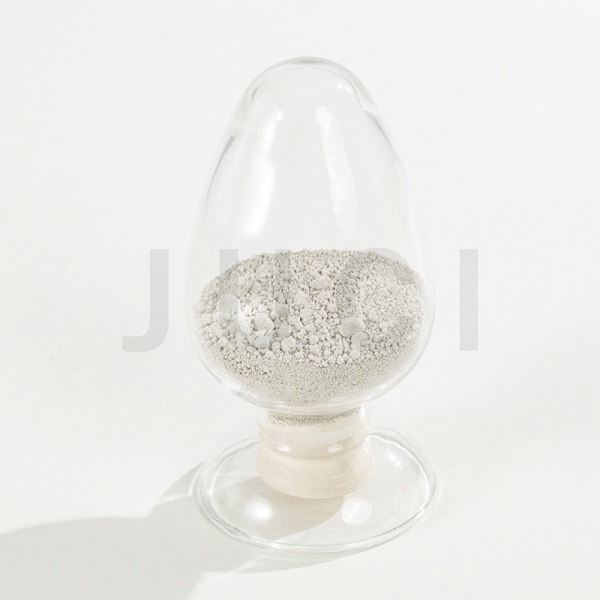
Xiamen Juci Technology specializes in the manufacturing of aluminum nitride (AlN) ceramics, with integrated R&D capabilities spanning from raw powder to finished products. By producing its own high-purity AlN powder and employing advanced forming and sintering processes, the company ensures dense, uniform products with excellent thermal conductivity, strong insulation, and a thermal expansion coefficient matched to silicon. Resistant to plasma erosion and delivering stable, reliable performance, Juci provides core components specifically designed for high-temperature precision applications such as semiconductor heating plates and electrostatic chucks. We are your trusted partner for advanced material solutions.
Contact:
Xiamen Juci Technology Co., Ltd.
Phone: +86 592 7080230
Email: miki_huang@chinajuci.com
Website: www.jucialnglobal.com
Aluminum nitride, with its excellent thermal conductivity, can replace traditional aluminum oxide and beryllium oxide, making it an ideal choice for substrate materials in large-scale integrated circuits. Furthermore, it is highly suitable for high-density packaging applications, such as VLSI components, microwave vacuum tube packaging housings, and hybrid power switch packaging, among others.
As electronic devices evolve toward higher performance and integration density, aluminum nitride is regarded as a key candidate for next-generation electronic packaging materials. It is expected that in the fields of substrates and high-density packaging, aluminum nitride will gradually replace aluminum oxide and beryllium oxide, driving continuous advancements in electronic technology.
Contact:
Xiamen Juci Technology Co., Ltd.
Phone: +86 592 7080230
Email: miki_huang@chinajuci.com
Website: www.jucialnglobal.com
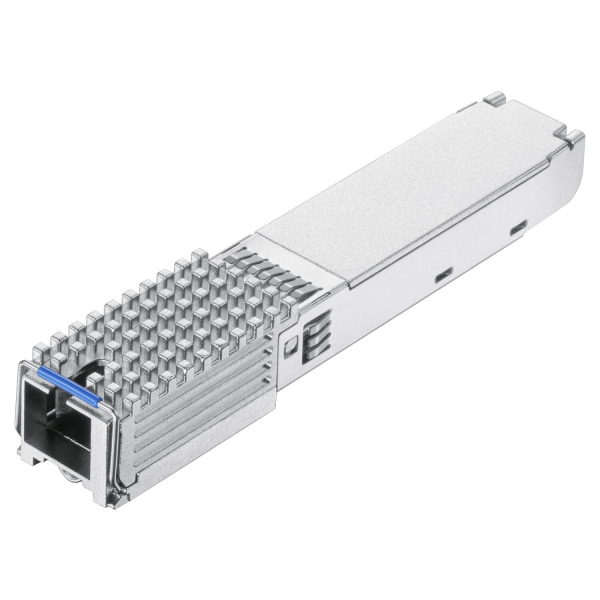
The 5G and AI computing revolution is confronting a core contradiction in optical modules: heat dissipation versus high-frequency transmission. When 1.6T optical modules overheat, causing a potential 30% drop in computing power, aluminum nitride (AlN) ceramics emerge as a critical solution with their exceptional properties.
I. Material Breakthrough: From "Overheating" to "Cool Operation"
AlN ceramics boast a thermal conductivity of up to 170 W/(m·K), approximately eight times that of traditional alumina. This enables limiting the temperature rise of 1.6T optical module chips to within 5°C even under full load. Utilizing a "multilayer co-firing + thin-film wiring" process, it achieves surface line widths as fine as 20μm, reducing signal loss by over 50% in the 100GHz frequency band compared to conventional thick-film processes. Furthermore, it supports 50μm pitch gold wire bonding, perfectly meeting high-density packaging requirements.
Compared to traditional materials, AlN ceramics offer significant comprehensive advantages: superior thermal conductivity to alumina, safer and non-toxic compared to beryllium oxide (BeO), and better suitability for high-frequency transmission than silicon nitride. This makes AlN a key enabler for the miniaturization and enhanced performance of communication equipment.
II. Industrialization: Driven by Policy and Technology
Supported by China's "14th Five-Year Plan" for New Materials Development, the domestic AlN market is projected to reach ¥12 billion by 2025 and exceed ¥20 billion by 2030.
Technological breakthroughs are enabling mass production. Batch shipments of AlN multilayer thin-thick film technology have been achieved, with Physical Vapor Deposition (PVD) and other advanced manufacturing techniques reaching yields over 90%. Consequently, the unit cost of high-performance AlN materials has dropped by 40% compared to five years ago. In practical AI data center applications, 400G/800G optical modules equipped with AlN substrates maintain stable operation even in non-cooled environments, providing crucial material support for the evolution from 800G to 1.6T.
III. Reshaping the Industry: From Material Breakthrough to Ecosystem Transformation
AlN ceramics are altering the competitive landscape, aiding Chinese companies in achieving breakthroughs in cutting-edge areas like 1.6T. Its applications are expanding beyond communications into new energy vehicles, aerospace, and more. Annual demand from the new energy vehicle sector alone is forecasted to surpass 1 million tons by 2030.
This material innovation is fostering new design philosophies. With heat dissipation less of a constraint, optical modules using AlN substrates can achieve 30% higher power density within the same volume, potentially reducing data center footprint by nearly a quarter.
As 5G deployment accelerates and 6G R&D progresses, the strategic importance of AlN ceramics becomes increasingly evident. Each 1°C improvement in cooling efficiency can translate into millions of additional computing units supported by communication equipment. Once confined to laboratories, this material is now reshaping the global high-performance ceramics industry with an 18% CAGR.
About Xiamen Juci Technology Co., LTD
Juci provides high-quality AlN ceramic substrates, structural parts, and heat sinks. These products are vital solutions for thermal management challenges in cutting-edge industries such as optical modules, 5G communication, AI,new energy vehicles, and high-power LED packaging.
Contact:
Xiamen Juci Technology Co., Ltd.
Phone: +86 592 7080230
Email: miki_huang@chinajuci.com
Website: www.jucialnglobal.com
In the pursuit of miniaturized and high-performance electronic devices, thermal pads serve as silent guardians. They fill gaps, establish efficient heat conduction channels, and shoulder multiple responsibilities including insulation, shock absorption, and sealing. However, the often-unavoidable aging of traditional thermal pads after long-term use has become a potential threat to the long-term reliability of equipment.
When your device experiences performance degradation, abnormal shutdowns, or a shortened lifespan, the root cause may very well lie with a thermal pad that has aged.

The Aging Pains of Traditional Thermal Pads:
Increased Hardness & Reduced Elasticity: Under the continuous influence of heat and stress, the internal polymer structure of the pad changes, leading to increased cross-linking and the material becoming hard and brittle. This prevents it from conforming closely to surfaces, causing a dramatic increase in contact thermal resistance and a sharp drop in heat dissipation efficiency.
Permanent Decline in Thermal Conductivity: Aging destroys the microscopic thermal pathways within the pad. Thermal fillers can agglomerate, and the polymer matrix can degrade. These defects collectively increase thermal resistance, causing a significant衰退 in the pad's core function – its thermal conductivity.
Deterioration in Physical Form: You might observe the pad cracking, powdering, or even exuding silicone oil onto its surface. These are not just signs of performance failure; they can also contaminate surrounding components, posing secondary risks like short circuits.
So, how can we fundamentally address these challenges?
The answer lies in innovation at the material source – adopting advanced thermal pads that use Aluminum Nitride (AlN) as the core filler.
Aluminum Nitride is not merely a simple filler alternative; it is a functional ceramic material capable of redefining the performance and longevity boundaries of thermal pads. Here's how it precisely solves the aforementioned aging problems:
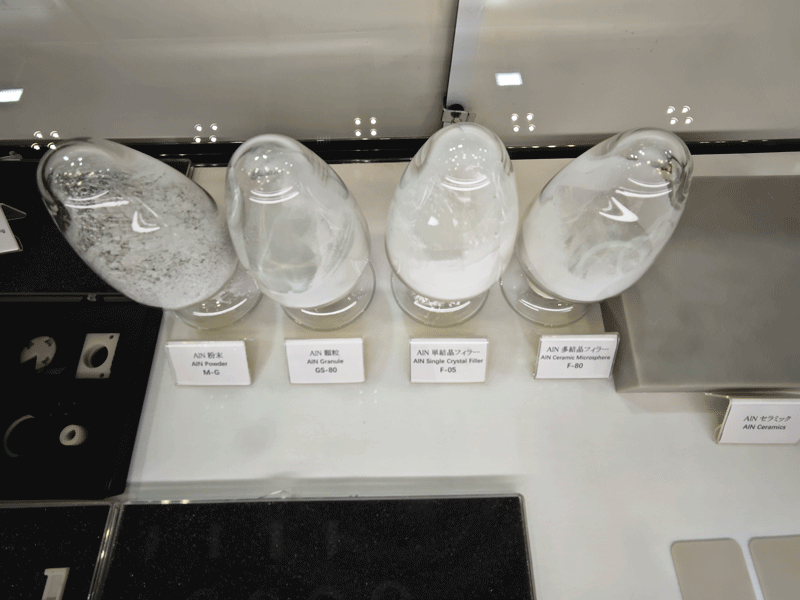
1. Combats Hardening, Preserves Lasting Softness & Compliance
Aluminum Nitride filler offers excellent thermal stability and chemical inertness. It does not react adversely with the polymer matrix, inhibiting the hardening problem caused by excessive cross-linking at its fundamental level. This means that pads using Aluminum Nitride filler can maintain excellent softness and resilience even under long-term high-temperature environments, ensuring consistent, intimate contact with the thermal interface, thereby stably maintaining low contact thermal resistance.
2. Stable Thermal Conductivity, Rejects Performance Decay
This is a core advantage of Aluminum Nitride. Firstly, it possesses an inherently high thermal conductivity, easily constructing efficient three-dimensional thermal networks. More importantly, its robust crystal structure remains stable even during long-term high-temperature aging, effectively preventing the structural degradation of the thermal pathways. Both the agglomeration of fillers and the degradation of the matrix are significantly suppressed, thereby ensuring the long-term stability of the thermal conductivity throughout the product's entire lifecycle and preventing performance from silently declining.
3. Reinforces Structure, Prevents Cracking & Oil Bleed
Aluminum Nitride filler exhibits good compatibility with polymer matrices like silicone. This stable composite structure can greatly reduce the bleeding of small molecules such as silicone oil, avoiding contamination and performance loss due to oil separation at the source. Simultaneously, its reinforcing effect grants the pad greater resistance to tearing and fatigue, enabling it to withstand the stresses from thermal cycling more effectively and significantly reducing the risk of cracking and powdering.
Conclusion
Choosing a thermal pad is not just about selecting an initial specification; it is about making a long-term reliability commitment for your product. Using Aluminum Nitride as a strategic filler is no longer a simple material upgrade, but a fundamental innovation targeting the aging pains of traditional thermal pads.
About Xiamen Juci Technology Co., LTD
Xiamen Juci Technology Co., Ltd. is a leading Chinese manufacturer specializing in aluminum nitride ceramic fillers. Our filler product line includes two series: aluminum nitride single crystal filler and aluminum nitride ceramic microspheres. Known for their high purity, narrow particle size distribution, and excellent thermal conductivity, these materials have established us as a trusted thermal management solutions provider for clients worldwide.
Contact:
Xiamen Juci Technology Co., Ltd.
Phone: +86 592 7080230
Email: miki_huang@chinajuci.com
Website: www.jucialnglobal.com
Among the various forming processes for aluminum nitride (AlN) ceramics, traditional methods such as die pressing, hot pressing, and isostatic pressing are well-established but face several challenges. Due to the strong hydrophilicity of AlN powder, contact with water should be minimized during the forming process to avoid oxidation that could compromise material performance. Although hot pressing and isostatic pressing can produce high-performance bulk materials, their high cost and low efficiency make it difficult to meet the ever-growing demand for AlN ceramic substrates in the electronics industry. Against this backdrop, tape casting technology has gradually emerged as a mainstream process for manufacturing aluminum nitride ceramics in electronics.
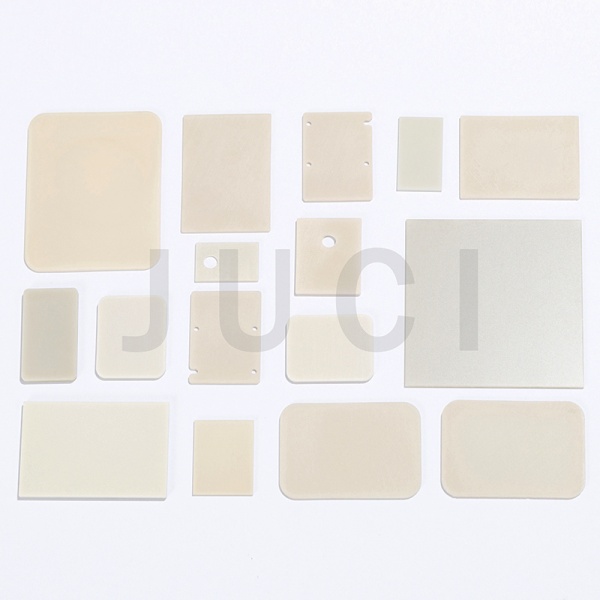
How Does Tape Casting Prepare Multilayer Aluminum Nitride Ceramics?
The core of this technology lies in mixing aluminum nitride powder with sintering aids, binders, and solvents to form a homogeneous slurry, which is then cast into thin green sheets using a tape caster. Subsequently, these sheets undergo processes such as punching, drilling, metal pattern printing, stacking, and lamination to form multilayer ceramic green bodies. Finally, after high-temperature binder burnout and sintering in a nitrogen atmosphere, dense and high-performance multilayer aluminum nitride ceramics are produced. This process is not only efficient but also particularly suitable for the large-scale production of ceramic substrates.
Process Details Determine Final Performance
The properties of AlN ceramic substrates prepared by tape casting are closely related to multiple process parameters: powder quality, casting parameters, binder burnout, and sintering regimes all require meticulous control. For example, coarser powders are easier to form but struggle to achieve high-quality substrates, while finer powders, though more challenging to process under strictly controlled conditions, often yield superior product quality. The binder burnout process must be gentle and stable, as excessively high temperatures or rapid heating rates can easily cause cracking in the green body. The sintering regime is even more critical, directly determining the final properties of the ceramic, such as thermal conductivity and strength.
Currently, tape casting systems are mainly divided into organic-based and water-based systems. Organic systems face environmental pressure due to the use of toxic solvents, while water-based systems, though environmentally friendly, still require further refinement in drying technology, representing an important direction for future development. For instance, research using a mixed solvent of ethanol and isopropanol has successfully prepared AlN ceramics with a thermal conductivity of 178 W/(m·K), demonstrating the potential of non-aqueous solvent systems.
Conclusion
Tape casting technology, with its advantages of high efficiency, consistent quality, and suitability for mass production, has become an indispensable part of aluminum nitride ceramic substrate manufacturing. As environmental requirements become more stringent and product forms diversify, this technology continues to evolve. Together with other forming processes, it drives the broader application of aluminum nitride ceramics in fields such as electronic packaging and heat dissipation components.
About Xiamen Juci Technology Co., Ltd.
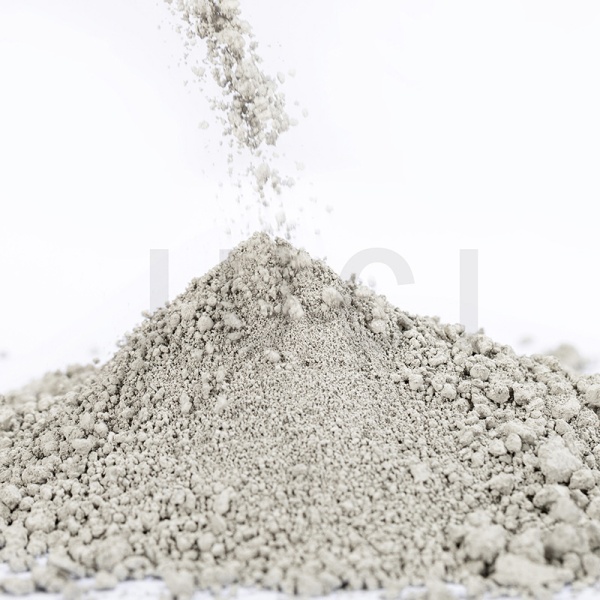
Xiamen Juci Technology Co., Ltd., a national high-tech enterprise dedicated to the R&D and production of high-performance aluminum nitride (AlN) ceramic powders, stands at the forefront of electronic ceramic materials technology. We recognize the growing demand for advanced thermal management substrates and packaging solutions driven by 5G communications, advanced packaging, power modules, and high-brightness LEDs. Beyond supplying premium AlN powders, Juci Technology delivers integrated material solutions incorporating advanced tape casting processes. We collaborate with partners to overcome thermal challenges and lead industry progress together.
Contact:
Xiamen Juci Technology Co., Ltd.
Phone: +86 592 7080230
Email: miki_huang@chinajuci.com
Website: www.jucialnglobal.com
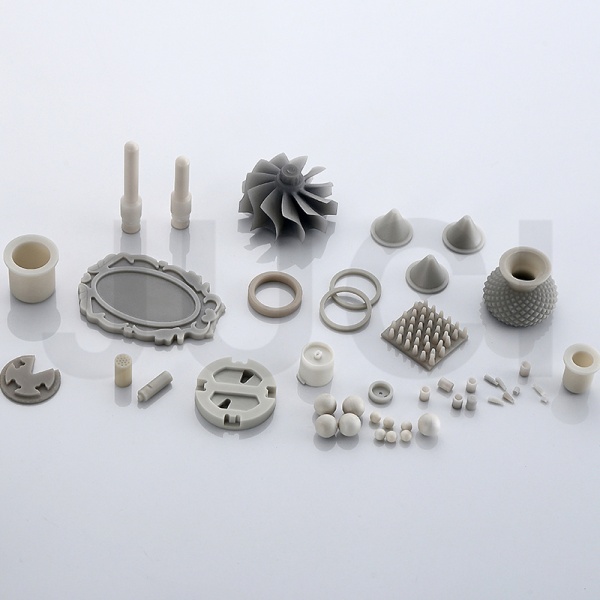
With the rapid advancement of microelectronics technology, there is an increasingly urgent market demand for ceramic components that offer high thermal conductivity, miniaturization, and complex shapes. While the traditional tape casting process is efficient and yields stable products, it often falls short when confronting intricate three-dimensional structures. It is precisely this challenge that has propelled Powder Injection Molding (PIM) technology to the forefront of the industry, becoming the key breakthrough for manufacturing high-precision, complex-shaped aluminum nitride ceramics.
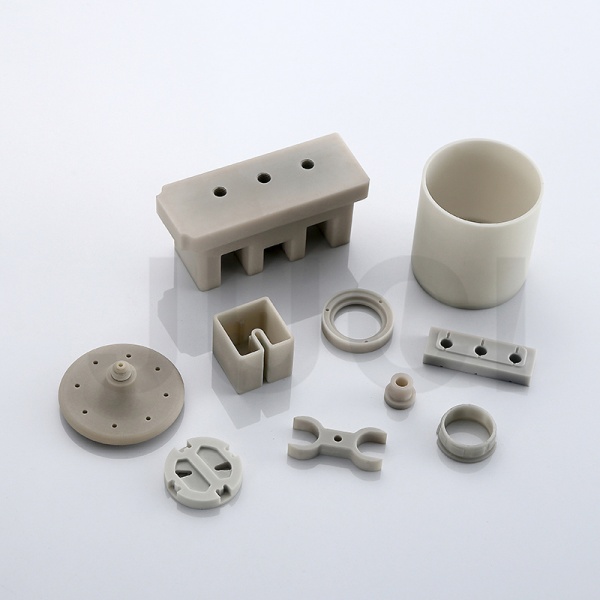
Why Choose Powder Injection Molding?
Powder Injection Molding is an advanced process that merges modern plastic injection molding with powder metallurgy. Its core advantage lies in "near-net-shape forming"—it can directly produce components with intricate structures and complex geometries. Due to the flow state during mold filling, the material uniformly fills the mold cavity with minimal die wall friction. This results in green bodies with highly uniform density and exceptional dimensional accuracy. Internationally, this technology is regarded as a significant innovation in the field of component manufacturing for the 21st century.
The Key to Success: Binder and Feedstock System
The core of this technology lies in the binder system. The binder not only acts as a carrier for the powder, determining the material's fluidity and injection properties, but must also maintain the shape of the green body during the critical debinding process. To meet these dual requirements, modern binders are typically scientifically formulated from multiple organic components.
Simultaneously, the rheological properties of the feedstock system are paramount. An ideal system requires low viscosity, high strength, and good thermal stability. During processing, balancing temperature and fluidity is crucial: excessive temperature can lead to decomposition and pore formation, while insufficient temperature results in poor fluidity and incomplete mold filling.
Process Details Determine Success or Failure
Injection Pressure: Requires precise control. Insufficient pressure can lead to incomplete filling; excessive pressure introduces internal stress, causing demolding difficulties or cracking and deformation of the green body.
Injection Speed: Also requires optimization. Speed that is too slow allows the material to cool prematurely, preventing complete filling. Speed that is too fast can cause jetting, phase separation, and the formation of surface defects.
Therefore, by comprehensively optimizing various injection parameters, structurally sound and high-performance aluminum nitride ceramic green bodies can be successfully prepared.
Looking to the Future
Powder Injection Molding not only solves the manufacturing challenges of complex-shaped AlN ceramics but also provides the material realization possibilities for innovative designs in fields such as electronic thermal management, semiconductor packaging, and high-frequency devices. As the technology continues to mature, it is driving the rapid development of high-thermal-conductivity ceramic components towards greater miniaturization, higher integration, and enhanced performance.
About Xiamen Juci Technology Co., LTD
If you are seeking high-thermal-conductivity ceramic solutions that can break through design limitations, the combination of aluminum nitride and Powder Injection Molding technology might be the ideal choice for your next product.Xiamen Juci Technology is proficient in this technology and can provide you with tailor-made injection molding solutions for aluminum nitride ceramics.
Contact:
Xiamen Juci Technology Co., Ltd.
Phone: +86 592 7080230
Email: miki_huang@chinajuci.com
Website: www.jucialnglobal.com
First, the manufacturing process is extremely challenging.
To achieve high-performance AlN powder, ultra-high-purity raw materials are required, followed by sintering in a high-temperature (above 1800°C) inert atmosphere, which consumes significant energy. The powder is prone to oxidation, and achieving dense sintering is difficult. Special additives must be used, and the process requires precise control, as any defect can cause a sharp decline in key properties such as thermal conductivity. This results in high production barriers and low yield. Moreover, precision machining adds to the cost: with a Mohs hardness of 8–9, AlN’s brittleness makes cutting and drilling prone to chipping and microcracking, leading to low processing yield, rapid tool wear, and high machining costs. Ensuring consistency in mass production remains a major challenge.

Second, its performance is irreplaceable.
AlN combines excellent thermal conductivity (about 10 times that of alumina), a thermal expansion coefficient matching that of silicon, and outstanding electrical insulation. This makes it an indispensable material for heat dissipation substrates and critical packaging in 5G communications, high-power LEDs, aerospace electronics, and next-generation semiconductor packaging. These high-end applications demand exceptional reliability and are less price-sensitive.

Finally, the market is highly concentrated.
The global high-end AlN market has long been dominated by a few Japanese and American companies. Technological barriers limit supply, creating tension in availability. Additionally, AlN is a "small yet critical" strategic material. Its overall demand remains relatively low, making it difficult to achieve significant cost reductions through economies of scale. Amid the current trend toward semiconductor industry self-sufficiency, its strategic importance has further increased, keeping prices high.
Contact:
Xiamen Juci Technology Co., Ltd.
Phone: +86 592 7080230
Email: miki_huang@chinajuci.com
Website: www.jucialnglobal.com
- Bismaleimide Series2
- Cross-Linking agent / Vulcanizing Agent1
- Curing Agent1
- Engineering Plastic Pellets4
- Epoxy Resin2
- Ethylene-VinylAlcohol Copolymer(EVOH)1
- Fish Oil1
- Food Additives3
- Glucosamine1
- Heat-resistant modifier series1
- High Assay Quaternary Ammonium Compounds9
- Low Assay Quaternary Ammonium Compounds13
- Modified Polyvinyl Alcohol1
- Monomalemide Series2
- Other Surfactants/Catalysts8
- Plastic Random Packing1
- Plastic Structured Packing1
- Polyacrylamide1
- Polyurethane Resin2
- Polyvinyl Alcohol (PVA)2
- Power Coatings3
- Quaternary Ammonium Hydroxide4
- Special Quaternary Ammonium Compounds7
- TPU4
- Tertiary Amines1
- UV Ink1
- VAE Emulsion (Vinyl Acetate–ethylene Copolymer Emulsion)1
- aluminum paste1
- antiform2
- fire sleeve2
- resin2