In the fields of industrial and marine protection, the pursuit of high-efficiency, safe, and environmentally friendly fungicides and mildew inhibitors has always been an industry goal. Copper Pyrithione (CuPT), a fine green powder, is becoming a vital choice for global coatings, marine, construction, and pesticide industries due to its outstanding stability, broad-spectrum antibacterial properties, and low-toxicity, eco-friendly characteristics. Some of the industry leaders already benefiting from Copper Pyrithione’s exceptional performance include well-known companies such as Jotun, Hempel, National Paint, and DYO Paint. These major players in the coatings and paint industries rely on Copper Pyrithione as a key ingredient in their formulations, trusting its reliability and effectiveness in delivering high-quality, long-lasting protective solutions.
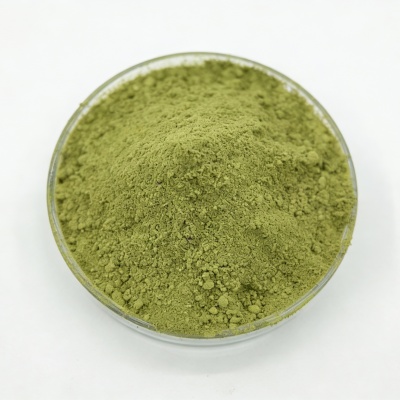
What is Copper Pyrithione (CuPT 98%)?
Copper Pyrithione is a fine green powder that is insoluble in water, ensuring its longevity and effectiveness in various applications. It is a broad-spectrum fungicide and antimicrobial agent that is highly effective against fungi, bacteria, algae, and mildew. One of its standout features is its high stability, making it a long-lasting solution for preventing microbial growth on surfaces exposed to harsh environments.
Its low toxicity to humans and animals, combined with its environmentally friendly nature, makes Copper Pyrithione a preferred choice across multiple industries. With global awareness growing around sustainability, this product is playing an increasingly important role in reducing the reliance on more harmful chemicals, without compromising on performance.
Key Advantages of Copper Pyrithione
- High Stability: Maintains chemical properties under various environmental conditions, ensuring long-lasting protection.
- Broad-Spectrum Efficacy: Exhibits significant inhibitory effects on both fungi and bacteria, making it suitable for a wide range of applications.
- Low Toxicity and Environmental Friendliness: Compared to traditional fungicides, it has a lower environmental impact, aligning with modern green chemical standards.
- Water-Insoluble: Easily disperses uniformly in oil-based systems (e.g., coatings, paints) for sustained effectiveness.
Wide Range of Copper Pyrithione Applications
1. Marine Antifouling Paints
As a non-toxic marine biocide, Copper Pyrithione effectively prevents marine organisms from adhering to ship hulls, extending vessel service life and improving navigation efficiency.
2. Architectural and Industrial Coatings
When added to architectural coatings, it provides long-term protection against mold growth on walls, roofs, and other damp surfaces, maintaining building aesthetics and structural integrity.
3. Metal Processing and Corrosion Protection
Incorporating Copper Pyrithione into metal treatment fluids effectively inhibits bacterial and fungal erosion, protecting metal surfaces and extending the lifespan of workpieces.
4. Pesticides and Wood Preservation
As a low-toxicity fungicidal component, it can be used in environmentally friendly pesticide formulations and wood preservative treatments, providing safe and reliable protection against mold and pests.

Copper Pyrithione (CuPT 98%) represents the forefront of modern fungicidal and anti-mildew technology—pursuing high efficiency while upholding responsibility toward the environment and health. Whether for marine antifouling, architectural protection, or industrial processing, it delivers reliable and green solutions.
Choose Copper Pyrithione for long-lasting, safe, and sustainable protection. Feel free to contact us for more details via info@aabindustrygroup.com or WhatsApp +86 13951823978.
Coating additives are an important component of coating formulations. Although their dosage is usually small (0.1%~5%), they have a significant impact on the storage stability, application performance, film-forming effect, and final film properties of coatings.The selection principle of additives for coatings: high efficiency, minimal negative impact, high cost-effectiveness, and compliance with environmental requirements.The following is the selection method and key considerations for coating additives.
1. Main categories and functions of coating additives
|
Classification |
Function |
Example |
|
Dispersant |
Improve pigment dispersibility, prevent sedimentation and flocculation |
Polyacrylate and Phosphate Esters |
|
Wetting Agent |
Reduce surface tension and improve substrate wettability |
Organic Silicon and Alkynediol |
|
Defoamer |
Restrain the production of foam and reduce coating defects |
Mineral Oils; Organic Silicon |
|
Leveling Agent |
Improve coating leveling and reduce orange peel and brush marks |
Acrylic Ester and Organosilicon |
|
Thickener |
Adjust the viscosity of the coating to prevent sagging and settling |
Cellulose Ether, Polyurethane, Bentonite |
|
Anti-Settling Agent |
Prevent pigment settling and improve storage stability |
Gas Phase Silica, Polyamide Wax |
|
Cure Accelerator |
Accelerate coating curing and improve reaction efficiency |
Organic Tin, Amine |
|
Cure Accelerator |
Prevent UV degradation and improve weather resistance |
UV Absorbers, Hals |
|
Fungicide |
Inhibit mold growth and extend coating life |
Isothiazolinones, Benzimidazoles |
|
Adhesion Promoter |
Improve the adhesion between the coating and the substrate |
Silane coupling agent, epoxy phosphate ester |
2. Key factors in additive selection
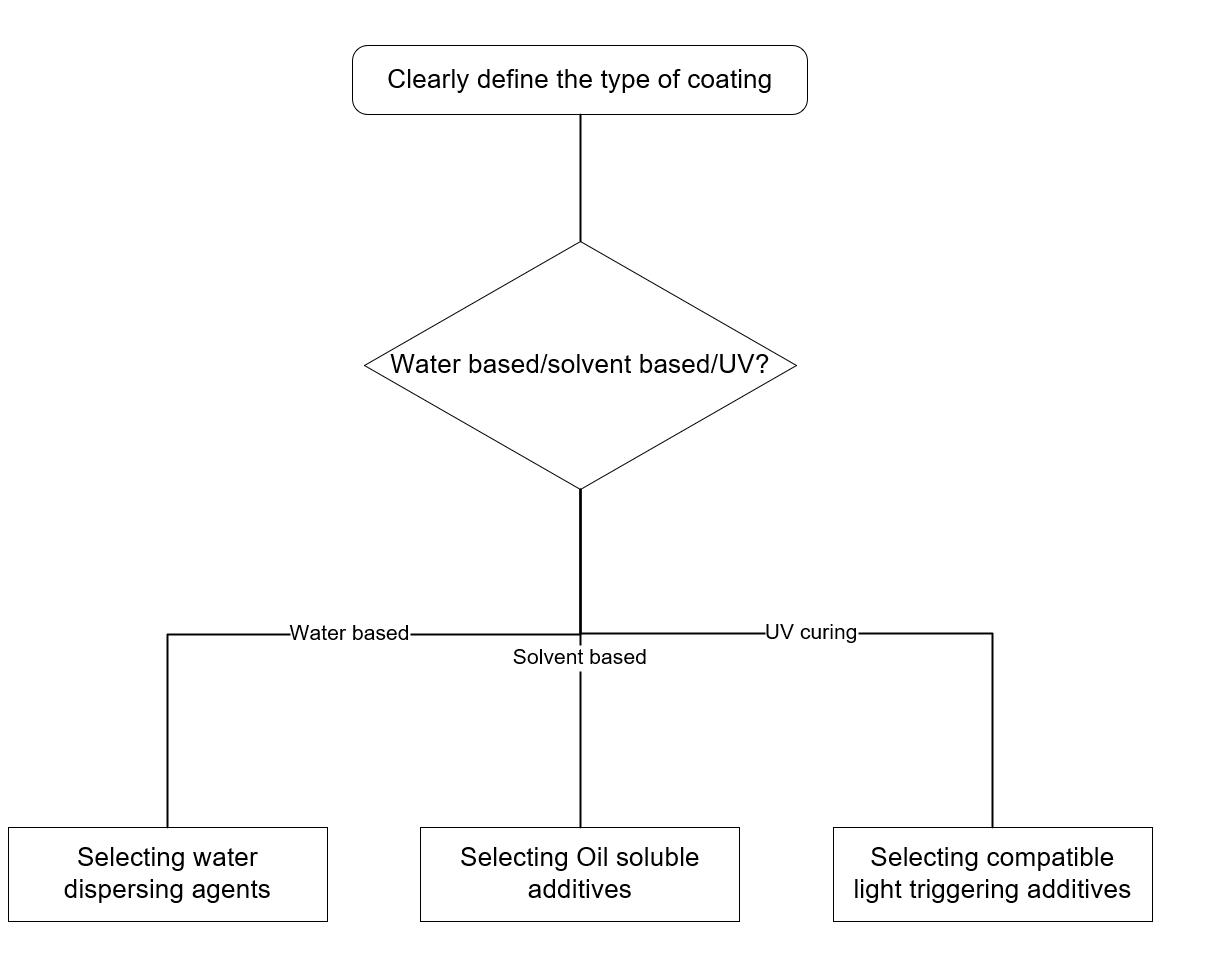
(1) Coating system (water-based/solvent-based/UV curing)
l Water-based coatings: water-soluble or water-dispersible additives (such as BYK-190 dispersant, Tego Wet 270 wetting agent) must be selected.
l Solvent-based coatings: oil-soluble additives (such as BYK-161 leveling agent, BYK-011 defoamer) must be selected.
l UV curing coatings: photoinitiator-compatible additives (such as Tego Rad 2100 leveling agent) must be selected.
(2) Coating type (primer/topcoat/clear coat/colored paint)
l Primer: Focus on adhesion promoters and rust inhibitors (such as zinc phosphate).
l Topcoat: Key considerations include leveling agents, matting agents (such as silica matting powder), and weather resistant additives.
l Color paint: water-based paint dispersant, anti settling agent.
(3) Construction method (spray coating/brush coating/roller coating)
l Spray coating: Low foaming additives and leveling agents are required.
l Brush coating/roller coating: anti sagging agents and anti splash agents are required.
3.Environmental and performance requirements
|
Demand |
Recommended Additives |
|
Weatherability |
Uv Absorbent+Hals |
|
High Gloss |
Leveling Agent+Defoamer |
|
Matte/Frosted |
Matte Powder+Anti Settling Agent |
|
Anti-Bacteria
|
Mold Inhibitor+Algae Inhibitor |
|
High Adhesion |
Epoxy Phosphate Ester+Silane Coupling Agent |
4.Verify long-term stability
Perform accelerated aging testing (such as storing at 40 degrees for 30 days) to observe whether:
l Settlement (adjust anti settling agent)
l Viscosity change (adjusting thickener)
l Decreased defoaming performance (hydrolysis of defoamers)
5.Common problems and solutions
|
Possibility Analysis |
Solution Ideas |
|
|
Shrinkage Of Coating Film |
Incompatible Leveling Or Defoaming Agents |
Replace With Compatible Additives |
|
Pigment Sedimentation |
Insufficient Dispersant/Anti Settling Agent |
Add Anti Settling Agent |
|
Poor Leveling Performance |
Improper Selection Of Leveling Agent |
Switching To Organic Silicon Leveling Agent |
|
Too Much Foam |
Wetting Agents Have Strong Foaming Properties |
Adjust Defoamer |
|
Poor Adhesion |
Insufficient Wetting Of The Substrate |
Add Adhesion Agent |
6.General selection ideas
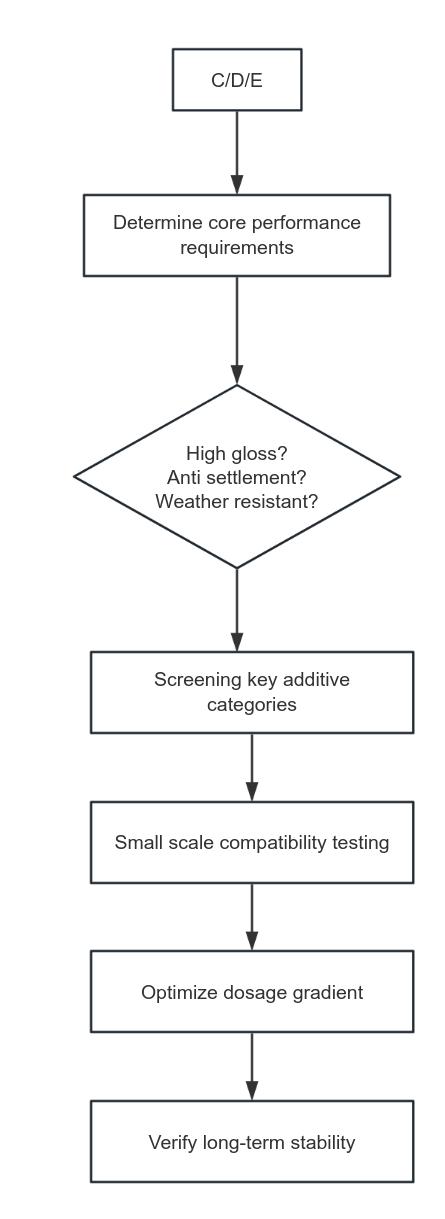
The material determines the performance, and the reasonable selection of additives can significantly improve the application defects of coatings. It is recommended to optimize the formula through small-scale experiments and pay attention to the synergistic effect between additives. Only by applying them correctly can they be fully utilized.
China AAB Industry Technology Group offers a comprehensive portfolio of additives and polymers, as well as detailed one-to-one customer service to meet specific needs. Our main functional additive products include: wetting and dispersing agents, defoamers and air release agents, wetting and leveling agents, tackifiers and coupling agents, wax additives, rheological additives, high-performance HAA curing agents, TIGC curing agents, GMA resins, matting agents, functional leveling agents, texture agents, charge additives, dispersants, leveling agents and epoxy curing agents, pigment dispersants, flow and wetting modifiers, anti-yellowing agents, adhesion additives, etc. Our Kabasph® additive products are widely used in automotive coatings, refinishing paints, marine coatings, anti-corrosion coatings, wood coatings, inks, epoxy floor paints, powder coatings, UV gel nail polish, textiles, rubber, architectural coatings, papermaking, etc. Plastics, skin care products, cosmetics, etc.

If you need any technical support or free samples,please feel free to contact us:
Tel: +86 13951823978 (WhatsApp, Telegram)
Email: info@aabindustrygroup.com
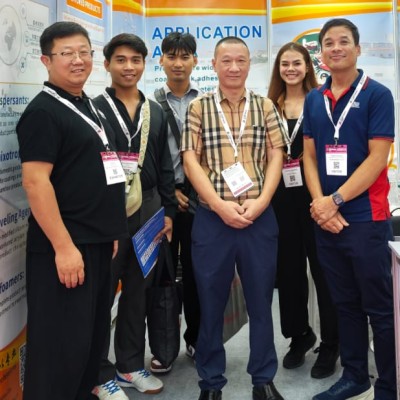
" Hi Bruce, can you share some cases who are using your CAB-381-0.1, CAB-381-0.5, CAB-381-2, CAB-381-20, CAB-551-0.01, CAB-551-0.2, such as PPG, Alxata, Basf, KCC, Sherwin williams, Nippon, DIC, Siegwerk, Flint group and so on?" That's what visitors asked lots In the 2025 Asian-Pacific coatings show in Thailand.
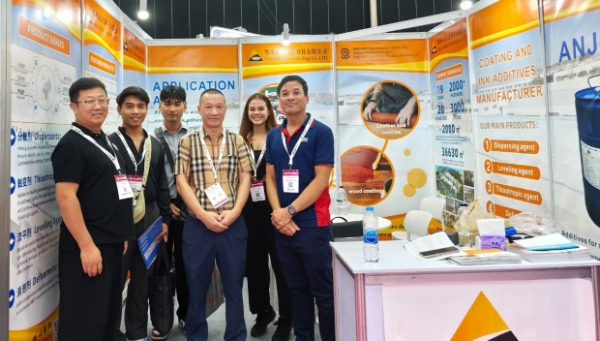
As we know that Eastman dominate the CAB resin market for very long time, there are no other such manufacturers until our CAB resin factory begun to produce those most popular models in the market for industrial paint and Print Ink. The market suffered for limited supply, long delivery time, and expensive purchase cost. So customers in Asian-Pacific are eager to find fast response and reliable new supply channels.
In the coating show, we introduced our best selling models such as CAB-381-2, CAB-381-20, CAB-551-0.2 to our automotive paint customers in Thailand, which have been highly recognized by local customers and agent. Also our CAB-381-0.1, CAB-381-0.5, CAB-551-0.2 are used by two of the local top 5 manufacturers.
During the discussion with our potential Customers, they showed a concern about our capacity and quality stability. We shared our annual capacity, automatic production control system, quality management system and so on. Currently our Cellulose Acetate Butyrate CAB-381 and CAB-551 annual capacity is 10000 tons and Cellulose Acetate CA 6000 tons. Our CAB products exported to in Europe, southAmerica, EastAsia, SouthEast Asia, the Middle East,Russia,Taiwan, etc.
After our introduction, local customers and famous chemical distributors had more confidence and asked for samples for testing. Some big paint factories begun to give trail orders and so on. If you are in great demand of CAB-381 and CAB-551 series, or you face high purchase cost, or unstable supplier Chain, feel free to contact us by info@aabindustrygroup.com for Chinese high performance cost CAB reins products.
Recently, China AAB Group's Copper Pyrithione Powder is once again ready to be shipped to Europe. Previously, China AAB Group's copper pyrithione products have been successfully shipped to Europe many times and have been recognized by customers. Copper pyrithione (CuPT) is a broad-spectrum and highly effective bactericidal preservative. With its excellent antifungal and antibacterial properties, it has become a core additive in the industrial and consumer product fields. As an industry-leading chemical exporter, we are committed to providing global customers with high-quality copper pyrithione that meets international standards. It is widely used in ship antifouling paints, industrial coatings, personal care products and textile anticorrosion fields, helping companies improve product durability and safety.
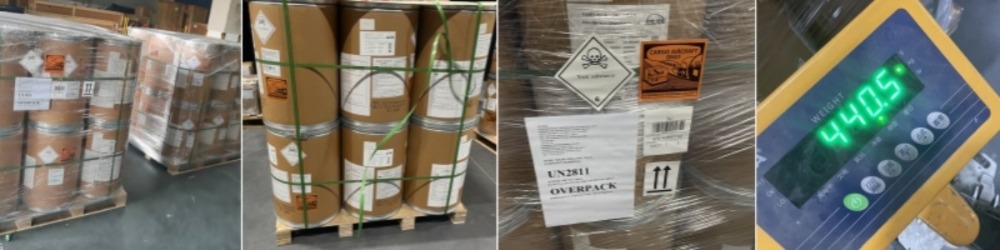
China AAB Group offers two specifications of copper pyrithione: Copper Pyrithione Dispersion and Copper Pyrithione Powder.The export to Europe this time is Copper Pyrithione Powder, we also called it Copper Umiguard Powder, which is a dust-free olive green copper pyrithione dispersed in a viscous paste with fine particles.It is composed of Copper Pyrithione Powder, rosin, and 1,2-dichlorobenzene.
Specifications
|
Property |
Powder |
|
Color |
Olive green |
|
Odour |
odorless |
|
Copper Pyrithione, Min (%) |
>98 |
|
Particle Size D50 (um) |
4.8-8.0 |
|
Particle Size D90 (um) |
5.0-10 |
|
Molecular Weight g/mol |
315.85 |
|
Flash point |
Not applicable |
|
Boiling range |
273 - 280 °C |
|
Density (g/cm3) |
1.82 |
|
Water solubility(20℃)g/l |
0.001 |
General attributes:
- It exhibits significant growth inhibitory activity against both broad-spectrum Gram negative and Gram positive bacteria.
- Inhibit the growth of fungi, including yeast and mold.
- Insoluble in water, approximately 1ppm at pH 7.0.
- The solubility in solvents is very low, usually below 10ppm.
- Inhibit algae growth.
Core application areas:
- Shipping and marine industry: key component of antifouling coatings, effectively preventing algae and fungi from attaching to the hull
- Industrial coatings and plastics: extending the weathering life of outdoor facilities and building materials
- Personal care products: high-end anti-dandruff shampoo, preservatives (need to comply with regulatory requirements)
- Textile processing: antibacterial fibers, outdoor functional fabric additives.

Why choose us
Excellent quality assurance
Passed ISO 9001 quality management system certification, product purity ≥ 98%, heavy metal impurity content is strictly controlled within IMO (International Maritime Organization) and EPA standards, ensuring compliance access to the global market.
Long-term antiseptic performance
Extremely low addition (0.5%-2%) can achieve strong antibacterial effect, water resistance and chemical stability far exceed traditional preservatives, significantly reducing customers' comprehensive use costs.
Environmental protection and safety
Comply with EU BPR (Biocide Regulation) and China's new chemical substance environmental management registration requirements, provide a full set of MSDS, REACH registration documents and environmental certification support.
Lexible trade terms
Provide flexible trade terms (FOB/CIF), and ensure delivery timeliness.
Transportation and storage:
Packed in 80kg stainless steel drum with 20kg high-density polyethylene bag inside.
Enclosed Spaces are stored separately and the warehouse is kept as dry as possible.
Get technical documents and samples immediately!
E-mail: info@aabindustrygroup.com
Tel: +86 13951823978(WhatsApp,Telegram)
In the vast cosmos of coating technology, countless new products have come and gone like ephemeral flowers. Yet one star has traversed a century while retaining its brilliance—nitrocellulose (nitrate cellulose).
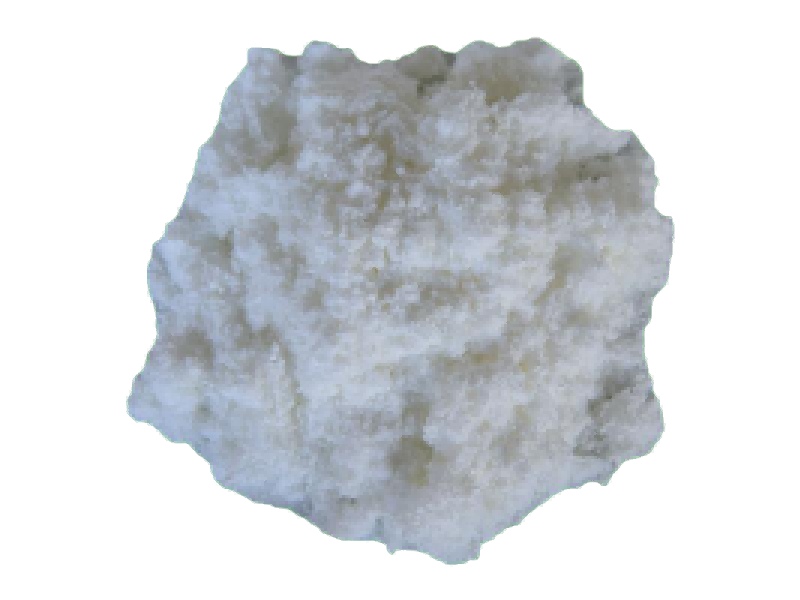
When discussing innovation, people often overlook classics that have stood the test of time. As one of the cornerstones of modern industrial coatings, nitrocellulose has not only endured but thrived. Its unparalleled rapid drying, exceptional decorative properties, and high cost-effectiveness continue to make it the “efficiency engine” in contemporary manufacturing systems.
Why does nitrocellulose remain the formulation engineer's go-to choice—from high-end musical instrument lacquers to trendy nail polishes, from classic toys to precision plastic components? The answer lies in its century-proven, irreplaceable core advantages:
1. Unparalleled Drying Speed
Nitrocellulose boasts the highest solvent release and drying speed among all film-forming resins. It achieves surface dryness within minutes or even seconds, drastically shortening production cycles, reducing dust adhesion, and boosting production line efficiency. In manufacturing where “time is money,” this is the ultimate trump card.
2. Stunning Decorative Effects
Nitrocellulose coatings deliver exceptional gloss, richness, and clarity, fully showcasing the substrate's texture and color. Its excellent flow properties create an extremely flat, smooth mirror-like finish that meets the highest aesthetic demands.
3. Exceptional Hardness and Scratch Resistance
Nitrocellulose forms a tough, scratch-resistant coating that provides a robust protective layer, ensuring the product's appearance remains pristine over time.
4. Superior Application Ease and Recoatability
It is easy to spray and offers excellent workability. Additionally, strong interlayer solubility and adhesion facilitate touch-ups and recoating, significantly lowering application barriers and operational complexity.
5. Unmatched Cost-Effectiveness
Nitrocellulose systems often deliver the most competitive total cost while matching equivalent performance. This means you don't have to pay a premium for superior performance—it's the perfect solution for achieving high performance at low cost.
6. Current Primary Applications of Nitrocellulose:
Wood Coatings: The ultimate choice for high-end furniture, musical instruments (e.g., guitars, pianos), and crafts. It dries rapidly to form a highly transparent, high-gloss protective film that perfectly showcases wood's natural grain.
7. Automotive Refinish
In fast-paced body shops, nitrocellulose-based quick-drying primers and topcoats significantly boost workstation throughput, ensuring efficiency.
8. Leather coatings
Used on leather shoes, handbags, etc., providing a glossy, wear-resistant, and flexible coating.
9. Metal coatings
Widely applied to toys, stationery, hardware fittings, etc., delivering vibrant colors and rapid protection.
10. Inks and cosmetics
From flexible packaging inks to classic nail polish, nitrocellulose offers fast drying, high gloss, and excellent film-forming properties.
Due to its outstanding physical and chemical properties, nitrocellulose finds extensive applications in modern industry. However, its flammable and explosive nature subjects it to government regulations, imposing production, storage, and transportation constraints that limit its use. Leveraging our expertise in cellulose product development, we have developed next generation of Nitrocellulose CAB-T881—a novel alternative to nitrocellulose. Contact us immediately to obtain samples and technical documentation.
Cellulose acetate butyrate CAB-381-20 and CAB-381-551-0.01 is a thermoplastic polymer derived from natural plant material, cellulose. It combines both acetate and butyrate functional groups, giving it excellent clarity, toughness, flexibility, and resistance to yellowing and UV light.
Cellulose Acetate Butyrate CAB-381-20 and CAB-381-551-0.01 are a versatile material widely used in coatings, inks, and plastics. It offers good durability, adhesion, and gloss, and it can be processed via injection molding and extrusion.
The exact properties of Cellulose Acetate Butyrate CAB-381-20 and CAB-381-551-0.01 can be adjusted by varying the ratio of acetate and butyrate groups. This allows for tailored performance in applications ranging from automotive paints and wood finishes to cosmetic ingredients and packaging.
Cellulose Acetate Butyrate CAB-381-20 and CAB-381-551-0.01 features:
Transparency and gloss. It is clear and glossy, making it ideal for applications requiring high optical clarity.
Toughness and flexibility: Cellulose Acetate Butyrate CAB-381-20 and CAB-381-551-0.01 form durable films that are tough, flexible, and resistant to scratching and marring.
Weathering resistance: Cellulose Acetate Butyrate CAB-381-20 and CAB-381-551-0.01 offer excellent resistance to UV light and weathering, making it suitable for outdoor use.
Solubility: Both models dissolve in a wide range of solvents, which is crucial for formulating coatings, inks, and adhesives.
Adhesion: Cellulose Acetate Butyrate CAB-381-20 and CAB-381-551-0.01 adhere well to various substrates, including metal, plastic, and wood.
High Bio-Content: As a cellulose derivative, both models have a high bio-based content, making it a renewable material.
Due to its outstanding chemical and physical properties, Cellulose Acetate Butyrate CAB-381-20 and CAB-381-551-0.01 are widely used in many applications, such as automobile repair paint, motorcycle paint, metal flash paint, plastic paint, wood paint, paper varnish, fabric coating, and printing ink. It is also used in gold and silver cardboard ink and vacuum aluminized paper transfer film for tobacco and gift packaging.
Feel free to contact us for free samples or technical documents of CAB-551-0.2, CAB-381-0.5, CAB-381-0.1, CAB-381-2, CAB-381-20, or CAB-531-1, CAB-551-0.01.
In today's plastics industry, which is pursuing high performance, multi-functionality, and environmental sustainability, specialty additives are playing an indispensable role. Cellulose acetate butyrate (CAB), a specialty resin with a long history but continuously evolving performance, is a "key player" in many high-end applications. Among them, CAB-381-2, with its unique physicochemical properties, has become one of the core materials for improving the surface performance, processing performance, and final quality of plastic products. As a professional supplier that has long provided high-performance solutions to globally renowned companies, China AAB Group is committed to bringing the innovative applications of CAB-381-2 to its global partners in the plastics industry, jointly developing more competitive products.
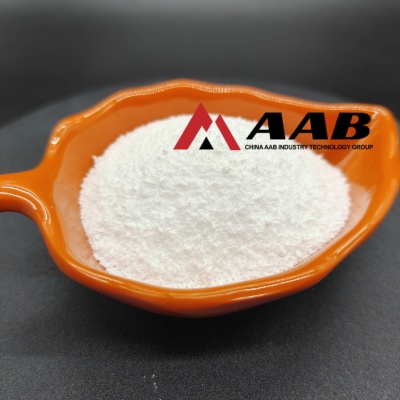
What is Cellulose Acetate Butyrate?
Cellulose acetate butyrate (CAB) is a type of thermoplastic resin obtained by modifying natural cellulose through esterification with acetic acid and butyric acid. The number "381-2" in the model name typically represents key parameters such as the content of acetyl and butyryl groups, and hydroxyl content, which determine its specific solubility, compatibility, rheological properties, and film-forming characteristics. CAB-381-2 usually exhibits excellent transparency, high gloss, good weather resistance and UV resistance, and good solubility in many solvents. As a non-reactive film-forming resin or performance modifier, it can significantly improve the surface properties of base materials.
Applications of CAB-381-2 in the plastics industry
Thanks to its unique combination of properties, CAB-381-2 finds diverse applications in the plastics industry, primarily as a high-performance additive or modifier:
Key additive for improved surface properties: In the surface treatment of plastic products, especially PVC, ABS, and polyolefins, the addition of CAB-381-2 can significantly improve the surface gloss, smoothness, and feel of the final product, while reducing surface defects.
Main component of scratch-resistant and anti-blocking coatings: CAB forms a hard, wear-resistant, transparent film, often used in the manufacture of scratch-resistant coatings for plastic films and sheets, or to prevent plastic products from sticking together during storage and transportation.
Orientation agent for metallic and effect pigments: In plastic products containing metallic or effect pigments such as aluminum powder and pearlescent pigments (e.g., automotive interior parts, high-end electronic product casings), CAB-381-2 effectively promotes the directional alignment of pigments, achieving a uniform, bright, and visually deep metallic luster effect.
Processing aid and compatibilizer: CAB-381-2 can improve the compatibility of certain plastic blending systems, optimize melt flowability, thereby improving processing efficiency and reducing internal stress in the finished product.
Advantages of Choosing CAB-381-2:
Integrating CAB-381-2 into your plastic formulations or processes offers immediate and crucial advantages for the final product:
Superior Final Appearance: Provides excellent high-gloss and high-transparency surfaces, enhancing product quality and visual appeal.
Enhanced Durability: Improves surface scratch resistance, wear resistance, and chemical resistance, extending product lifespan.
Excellent Processing Adaptability: Compatible with a variety of common resins and solvents, easy to process and disperse, without affecting the performance of the main material.
Reliable Quality Assurance: As a mature specialty chemical, it offers stable performance and consistent batch quality, contributing to stable product quality.
Sustainable Solution: Derived from natural cellulose, it has a certain bio-based background compared to purely synthetic resins, aligning with environmental trends.
Choosing the right specialty chemicals partner is the first step to successful technological innovation. As a group comprised of four companies with extensive experience in production and supply chain management, China AAB Group deeply understands the needs of global customers. Our business spans numerous industries, including plastics, coatings, and adhesives, offering over 100 high-performance products, including functional resins.
We adhere to the business philosophy of "integrity and quality paramount, mutual benefit for all," and are committed to creating value for global customers through continuous innovation and attentive service. The group owns four production bases and has long provided stable supply and flexible solutions to customers in over 20 countries and regions, including Europe, North America, the Middle East, and Southeast Asia.
If you would like to learn more about how CAB-381-2 can address your specific application challenges, or to obtain free samples for testing, please feel free to contact us through our official website. We look forward to starting a successful long-term partnership with you and jointly shaping a future of higher efficiency and superior quality in the plastics industry. Feel free to contact us by info@aabindustrygroup.com or WhatsApp +86 13951823978 for Chinese high performance cost CAB reins products.

In recent years, large coating companies in Asia (China, Japan, South Korea, India, etc.) have been accelerating their transformation, gradually abandoning in-house grinding pigment paste with machines line, and instead directly purchasing Pigment Dispersions such as CAB pigment chips, water based solid pigment dispersion. This trend is driven by multiple factors, including cost, efficiency, environmental protection, and technology.
In the past, paint manufacturers typically sourced their own materials and purchased sand mills lines for grinding themselves. However, this approach often resulted in suboptimal formulations. Additionally, due to outdated machinery, issues such as machine blockages and color changes during disassembly can lead to material wastage. For example, a 30-ton capacity sand mill can cause an average of 5-10 kilograms of wastage, and during color changes, rinsing can result in wastage rates as high as 5%-10% when grinding 200-300 kilograms. Many manufacturers previously did not consider material wastage, labor costs, or inventory costs, focusing solely on raw material costs. The more inventory is held in the warehouse, the greater the consumption of workshop logistics, as well as the higher the costs associated with space, labor, and inventory. Additionally, while paint factory engineers are highly skilled in paint formulations, they have not conducted in-depth research into the chemical structure, colorfastness, heat resistance, color bleeding, and environmental performance of organic pigments. Relying solely on paint factories to resolve issues related to color paste stability and compatibility presents significant challenges.
As a result, several Asian paint manufacturers have gradually abandoned in-house color paste production and shifted to purchasing finished color paste. According to Nippon Paint's 2023 annual report, since closing its color paste production lines in 2022, production costs have decreased by 18%, and delivery cycles have been shortened by 40%. Asia Coatings also stated that since purchasing ready-made color pastes, the development cycle for new products has been reduced from three months to one month, significantly improving production efficiency.
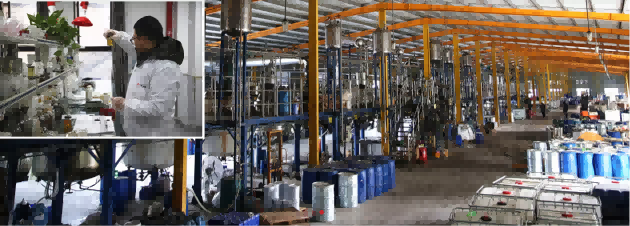
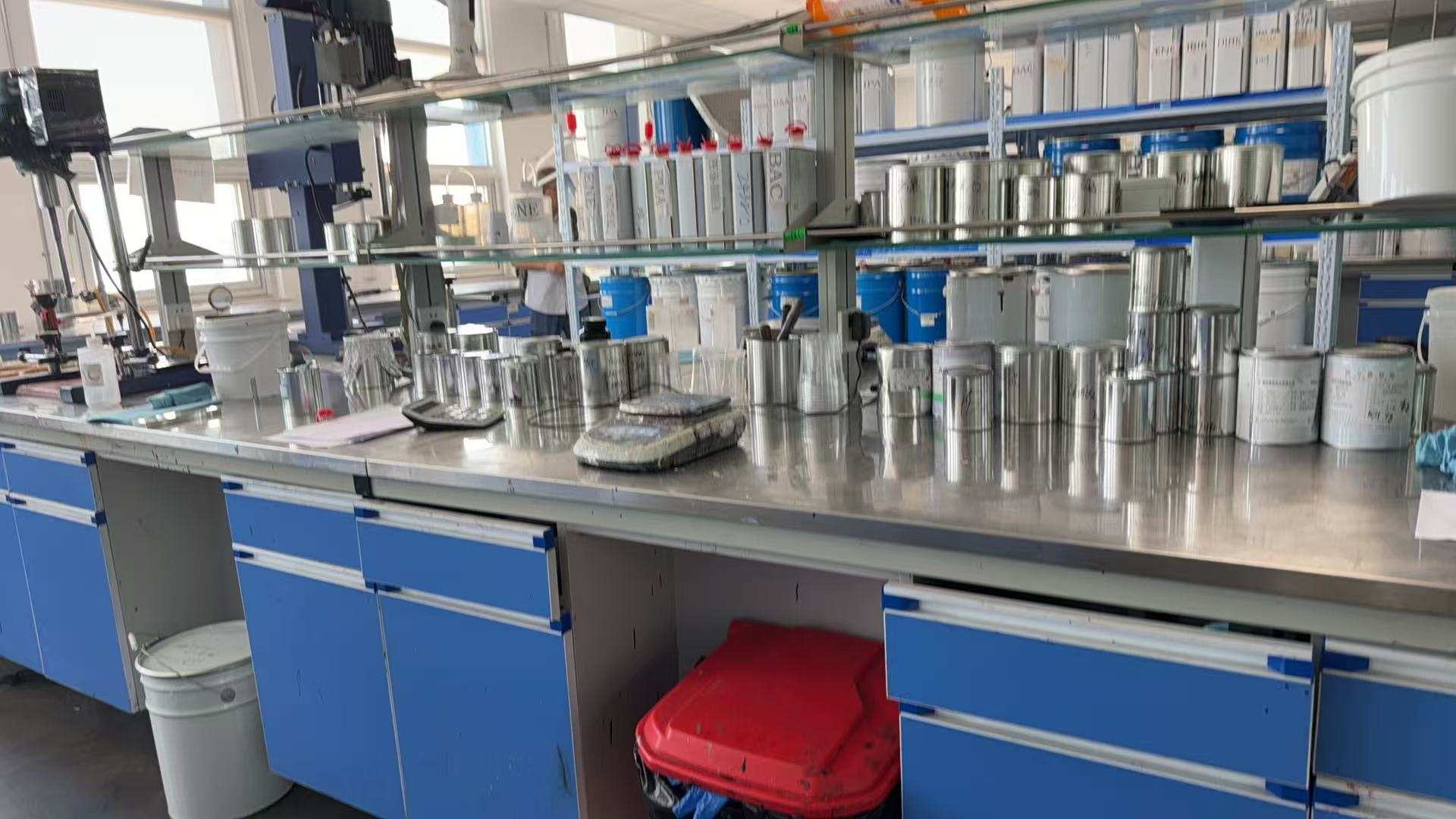
Compared to self-grinding color paste, purchasing finished color paste or pigment dispersion to solve pigment paste directly has the following advantages:
|
Comparison dimensions |
Self-developed color paste |
Finished colorant |
Advantage Analysis |
|
Production cost |
High (equipment + energy consumption + labor) |
Low (large-scale procurement) |
Save 20%+ on costs |
|
Production cycle |
8-12 hours/batch |
Ready to use |
80% increase in efficiency |
|
Color stability |
Δe>1.0 (prone to deviation) |
Δe<0.5 (industrial standard) |
Ensuring product quality stability |
|
Environmental compliance |
Need to build own wastewater/voc treatment facility |
Suppliers are compliant |
Reduce regulatory risk |
Can we continue to supply high-quality products and services? Can we solve fundamental problems faced by customers, such as stability and compatibility? How can we help customers solve problems such as environmental protection, inventory backlogs, and excessive standards? China AAB Group thought about this early on and put it into practice.
As a professional chemical raw material supplier, China AAB Group provides high-performance finished colorant such as CAB pigment chips, Water based solid pigmet pre dispersion and water based nano grade pigment paste to help paint and coatings companies reduce costs and increase efficiency.Our products have been exported to many European countries and have been recognized by Turkish customers on numerous occasions.
✅ High color saturation — covers Pantone and RAL standard color systems, ΔE<0.5
✅ Ready-to-use formula — no grinding required, add directly to save time
✅ Environmentally friendly and compliant — complies with REACH and GB 24409-2020, no heavy metal excess
✅ Customized service — supports water-based/oil-based/UV systems, matches different resins
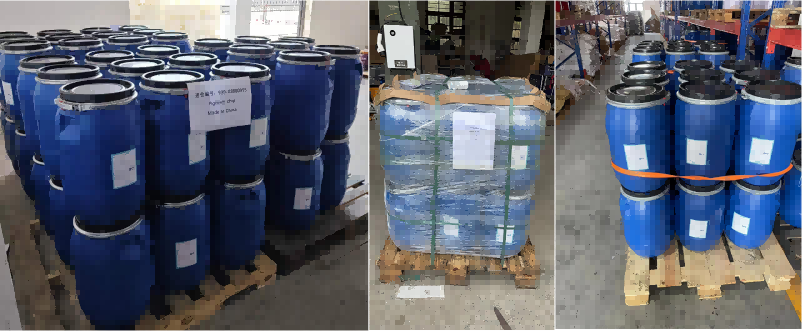
Our products are widely used in:
- Architectural paint color paste—high weather resistance, suitable for interior and exterior walls
- Industrial paint color paste—UV resistance, chemical corrosion resistance
- Automotive refinish paint color paste—precise matching of OEM colors

We can supply multiple pigment dispersion models and customize packaging specifications according to customer requirements. China AAB Group's absolute professionalism in color paste production and supply ensures a precise response to customer needs: "Customers have many requirements, but as long as there is sufficient volume, we can establish a standard for them. We can also tailor solutions to meet specific customer requirements. Whether it's formula development, pilot-scale and large-scale production experience, process optimization, equipment maintenance and repair, or material quality assurance, we are continuously enhancing our expertise and control capabilities. If you are interested in our products and require additional product information, please feel free to contact us to request free sample testing.
In the semiconductor manufacturing industry, temperature control is a critical factor determining product yield. Processes such as thin film deposition and etching require precise temperature control for wafers, where temperature uniformity directly influences chip performance and reliability. Within this precision-driven process, aluminum nitride (AlN) ceramic heaters have emerged as an indispensable core component in semiconductor equipment, thanks to their outstanding performance.
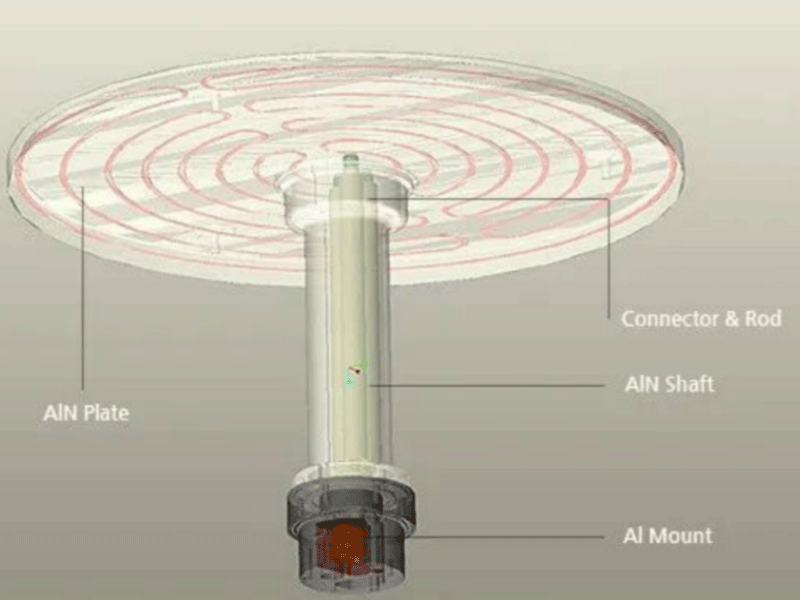
Why Have Ceramic Heaters Become the Preferred Choice in Semiconductor Manufacturing?
The semiconductor process environment is extremely harsh—characterized by high vacuum, plasma, and the presence of corrosive chemical gases, which impose stringent requirements on heater materials. Traditional metal heaters find it difficult to operate reliably long-term under such conditions. In contrast, ceramic heaters, with their exceptional corrosion resistance, high electrical insulation, and thermal stability, have become the sole solution capable of fulfilling this role.
AlN ceramic heaters are installed directly inside the process chamber in close contact with the wafer. They not only support the wafer but also ensure it attains a stable and uniform process temperature, acting as the "heart" of thin film deposition equipment.
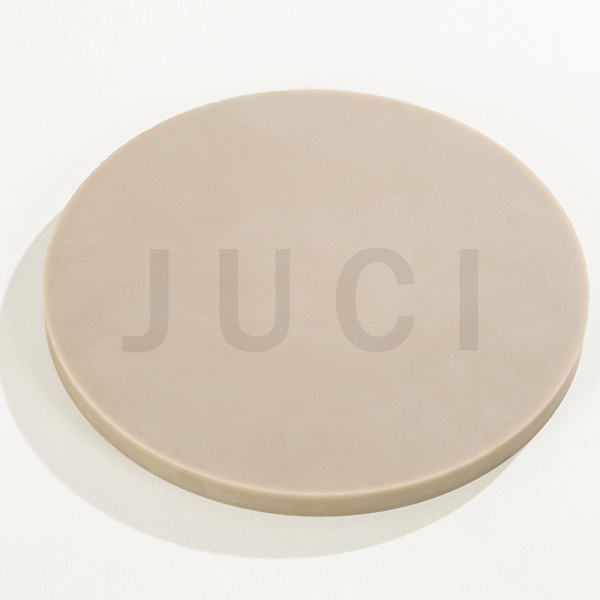
Aluminum Nitride: The Ideal Material for Ceramic Heaters
Among various ceramic materials, aluminum nitride (AlN) stands out as the optimal choice for ceramic heaters, owing to its unique combination of properties:
Excellent Thermal Conductivity
AlN boasts a theoretical thermal conductivity as high as 320 W·m⁻¹·K⁻¹. This property allows the heater to achieve rapid heating and cooling, significantly enhancing the efficiency of semiconductor manufacturing processes.
Perfect Thermal Expansion Match
The coefficient of thermal expansion of AlN (4.18×10⁻⁶ K⁻¹) closely matches that of silicon. This compatibility is crucial, as it effectively minimizes thermal stress on the wafer, directly improving product yield.
Outstanding Mechanical and Electrical Properties
AlN combines high mechanical strength, excellent wear resistance, and outstanding electrical insulation (with a volume resistivity up to 10¹³ Ω·cm), alongside low dielectric loss. This comprehensive profile fully meets the demanding material requirements of semiconductor processes.
Environmental and Safety Benefits
Unlike toxic materials such as beryllium oxide, aluminum nitride is non-toxic and environmentally friendly, aligning better with the sustainable development philosophy of modern industry.
Precision Structure and Manufacturing Process
The structural design of AlN ceramic heaters is highly sophisticated:
Ceramic Base: Carries the wafer and integrates internal heating elements and RF electrodes.
Support Structure: Utilizes ceramic materials with a matched coefficient of thermal expansion to safeguard terminals and leads.
Unique Shaft Joint: Effectively withstands erosion from plasma and chemical gases.
Internal Flow Channels: Ensure even temperature distribution across the heater.
In terms of manufacturing, advanced screen printing technology is employed, using conductor pastes such as tungsten, molybdenum, or tantalum to form precise circuit patterns. The integration of components is achieved through multilayer ceramic co-firing technology, guaranteeing the heater's reliability and long service life.
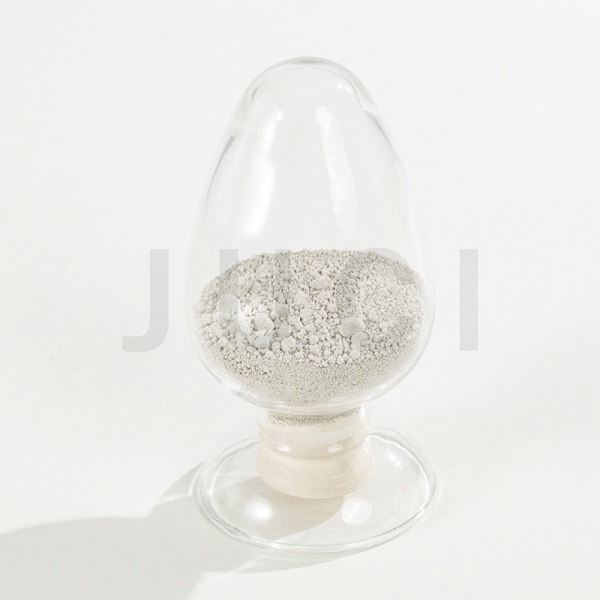
About Xiamen Juci Technology Co., Ltd.
Xiamen Juci Technology specializes in the manufacturing of aluminum nitride (AlN) ceramics, with integrated R&D capabilities spanning from raw powder to finished products. By producing its own high-purity AlN powder and employing advanced forming and sintering processes, the company ensures dense, uniform products with excellent thermal conductivity, strong insulation, and a thermal expansion coefficient matched to silicon. Resistant to plasma erosion and delivering stable, reliable performance, Juci provides core components specifically designed for high-temperature precision applications such as semiconductor heating plates and electrostatic chucks. We are your trusted partner for advanced material solutions.
Contact:
Xiamen Juci Technology Co., Ltd.
Phone: +86 592 7080230
Email: miki_huang@chinajuci.com
Website: www.jucialnglobal.com
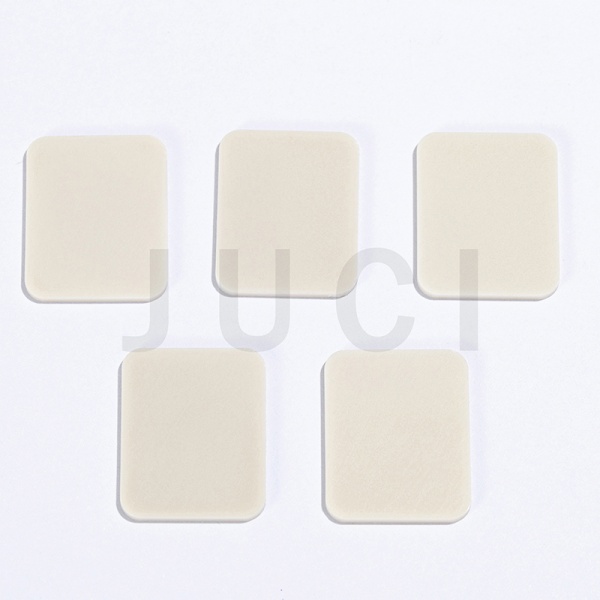
Aluminum nitride, with its excellent thermal conductivity, can replace traditional aluminum oxide and beryllium oxide, making it an ideal choice for substrate materials in large-scale integrated circuits. Furthermore, it is highly suitable for high-density packaging applications, such as VLSI components, microwave vacuum tube packaging housings, and hybrid power switch packaging, among others.
As electronic devices evolve toward higher performance and integration density, aluminum nitride is regarded as a key candidate for next-generation electronic packaging materials. It is expected that in the fields of substrates and high-density packaging, aluminum nitride will gradually replace aluminum oxide and beryllium oxide, driving continuous advancements in electronic technology.
Contact:
Xiamen Juci Technology Co., Ltd.
Phone: +86 592 7080230
Email: miki_huang@chinajuci.com
Website: www.jucialnglobal.com
- Bismaleimide Series2
- Cross-Linking agent / Vulcanizing Agent1
- Curing Agent1
- Epoxy Resin1
- Ethylene-VinylAlcohol Copolymer(EVOH)1
- Fish Oil1
- Food Additives3
- Glucosamine1
- Heat-resistant modifier series1
- High Assay Quaternary Ammonium Compounds9
- Low Assay Quaternary Ammonium Compounds13
- Modified Polyvinyl Alcohol1
- Monomalemide Series2
- Other Surfactants/Catalysts8
- Plastic Random Packing1
- Plastic Structured Packing1
- Polyacrylamide1
- Polyurethane Resin2
- Polyvinyl Alcohol (PVA)2
- Power Coatings3
- Quaternary Ammonium Hydroxide4
- Special Quaternary Ammonium Compounds7
- TPU4
- Tertiary Amines1
- UV Ink1
- VAE Emulsion (Vinyl Acetate–ethylene Copolymer Emulsion)1
- aluminum paste1
- antiform2
- fire sleeve2
- resin2