In the operation and development process of an enterprise, there are five mirrors that are like guiding lighthouses, reflecting the state of the enterprise from different angles, helping the enterprise to understand itself, adjust its direction, and make continuous progress. These five mirrors are the market mirror, customer mirror, employee mirror, competition mirror, and society mirror.
The market mirror reflects the overall environment in which an enterprise operates. It can reflect the fluctuations of the economic cycle. During periods of economic prosperity, market demand is booming,and enterprises may have more opportunities to expand production and investment. In times of economic recession, enterprises need to see the situation clearly from the market mirror, contract the front, and carry out refined management to cope with the market.
The customer mirror is the enterprise's most direct source of feedback. Through the customer mirror, enterprises can see the advantages and disadvantages of products or services. Enterprises need to adjust the functions and quality of products in a timely manner according to customer feedback, improve service attitude and process. Successful enterprises often tend to listen to the voice of customers and integrate customer needs into product research and development.
The employee mirror is a mirror within the enterprise. Employees are an important part of the enterprise, and they have a profound perception of the enterprise's culture, management, and development. From the employee mirror, enterprises with vitality often have enterprising and high-quality employees. Enterprises can find the advantages and disadvantages in human resource management from a positive perspective and then create an environment that is more conducive to employee growth and the exertion of potential.
The competition mirror enables enterprises to clearly recognize their position in the industry. By comparing with competitors' products, prices, market shares, and marketing strategies, enterprises can find their differentiated competitive advantages and also discover their own shortcomings. The competition mirror urges enterprises to constantly learn from the strengths of their competitors, make up for their own weaknesses, and thus gain an invincible position in the competition.
The society mirror reflects the enterprise's social responsibility and image. It reflects whether the enterprise abides by laws and regulations, pays attention to environmental protection, and actively participates in public welfare undertakings. Enterprises should actively review themselves from the society mirror, assume their due social responsibilities, and win social respect and support with a good social image.
These five mirrors of the enterprise—the market mirror, customer mirror, employee mirror, competition mirror, and society mirror—each provide a viewing perspective from different dimensions for the enterprise. Only by making good use of these five mirrors and constantly reflecting on and adjusting itself can an enterprise maintain healthy and stable development in the complex and changeable business environment and achieve sustainable prosperity.
——Production Department · Ma Le
Activated alumina, also known as activated bauxite, is a porous and highly dispersed solid material widely used in industrial fields.
Basic Information
The chemical formula of activated alumina is Al₂O₃. It is generally white powder or white spherical porous particles with a density of 3.9-4.0 g/cm³, a melting point of 2050℃, and a boiling point of 2980℃. It is insoluble in water and ethanol.
Performance Characteristics
Large Specific Surface Area: Features a well-developed pore structure with a specific surface area of 200-400 m²/g, providing abundant active sites for adsorption and catalytic reactions.
Strong Adsorption Capacity: Exhibits high adsorption capacity for water vapor, gases, and organic compounds. The water vapor adsorption capacity can reach 20%-30% (by weight) with a dew point as low as -70℃, making it the preferred material for deep drying of compressed air and other gases.
Excellent Thermal Stability: Maintains structural stability at high temperatures below 800℃ with a low thermal expansion coefficient, suitable for high-temperature catalytic or regeneration processes.
High Chemical Stability: Chemically stable in the pH range of 4-9, resistant to acid and alkali corrosion, and tolerant to toxic substances such as sulfides and chlorides. It has no risk of heavy metal leaching and complies with environmental protection standards.
High Mechanical Strength: Spherical particles have a smooth surface and high mechanical strength, maintaining their original shape without swelling or cracking after water absorption. This facilitates reactor filling and reduces pressure drop.
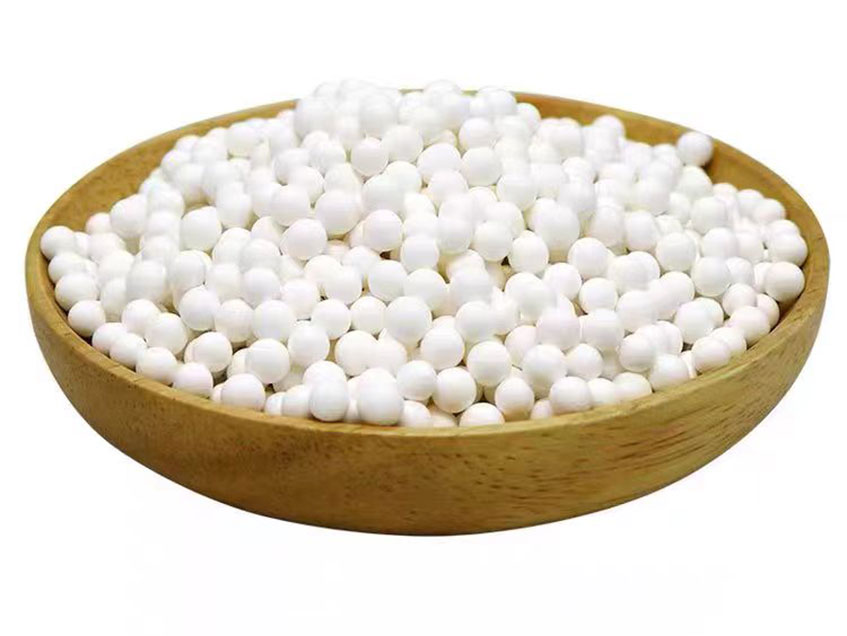
For more information on activated alumina, please visit www.carbon-cms.com.
Carbon molecular sieve is a new type of adsorbent developed in the 1970s. It is a kind of excellent non-polar carbon-based cellulose material.
The main component of carbon molecular sieve is elemental carbon, and the appearance is a black columnar solid. It contains a large number of micropores with a diameter of 4 angstroms, the micropores have a strong instantaneous affinity for oxygen molecules and can be used to separate oxygen and nitrogen in the air.Nitrogen adopts a normal temperature and low pressure nitrogen production process, which has the advantages of less investment cost, faster nitrogen production speed, and lower nitrogen cost than the traditional cryogenic high pressure nitrogen production process. Therefore, it is currently the preferred pressure swing adsorption (PSA) nitrogen-rich adsorbent for air separation in the engineering industry.
Carbon molecular sieve is used in the chemical industry, oil and gas industry, electronics industry, food industry, coal industry, pharmaceutical industry, cable industry, and metal It is widely used in heat treatment, transportation and storage.
For more information on carbon molecular sieves, please visit www.carbon-cms.com.
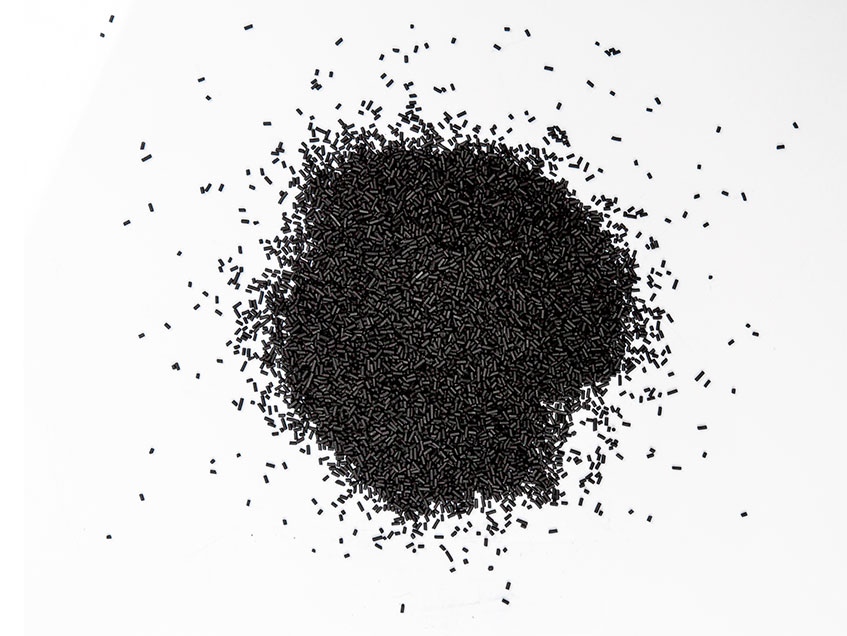
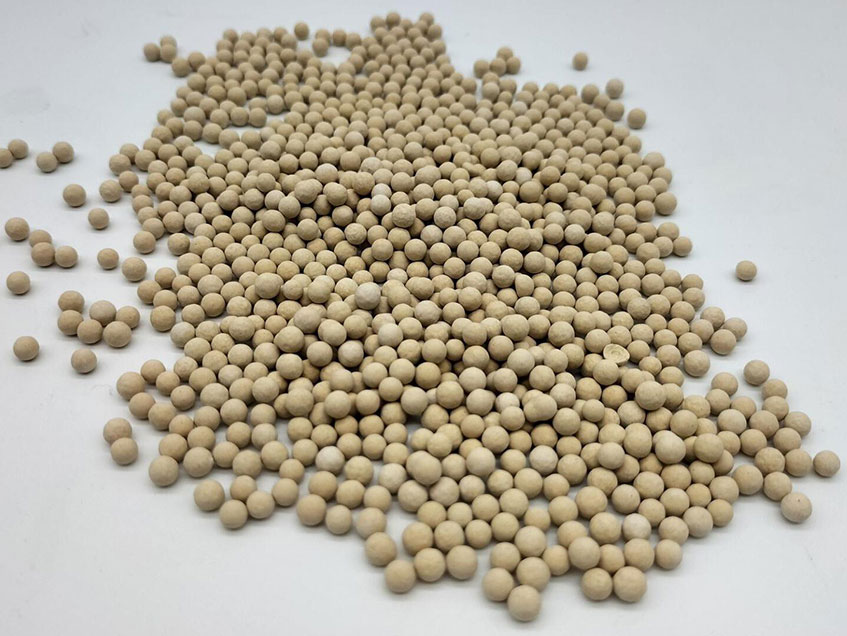
Molecular sieve, often called zeolites or zeolite molecular sieves, are classically defined as "aluminosilicates with a pore (channel) framework structure that can be occupied by many large ions and water".
According to the traditional definition, molecular sieves are solid adsorbents or catalysts with a uniform structure that can separate or selectively react molecules of different sizes.
In a narrow sense, molecular sieves are crystalline silicates or aluminosilicates, which are connected by silicon-oxygen tetrahedra or aluminum-oxygen tetrahedra through oxygen bridges to form a system of channels and voids, thus having the characteristics of sieving molecules.
Basically, it can be divided into several types of A, X, Y, M and ZSM, and researchers often attribute it to the solid acid category.
If you are interested in our products and want to know more details, you can click www.carbon-cms.com.
Our company underwent a strict audit and certification conducted by the CQM (China Quality Mark) Certification Group, based on the three major system standards: ISO 9001 Quality Management System, ISO 14001 Environmental Management System, and ISO 45001 Occupational Health and Safety Management,the company successfully passed the "Three Systems" certification audit.This audit served as an authoritative examination of the company's operational performance since implementing the three system managements, signifying that the company has reached a new level in enhancing its management capabilities and social responsibility awareness.
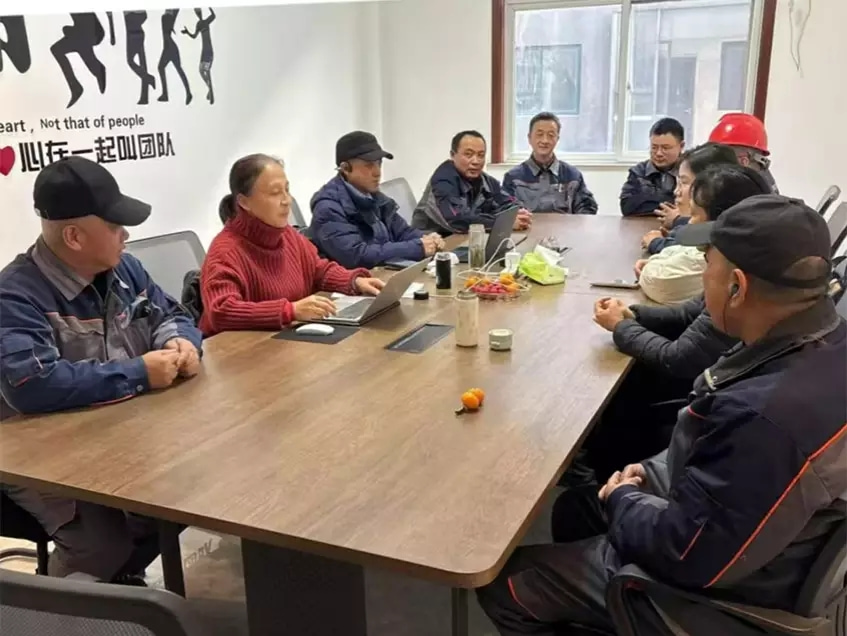
Shanli initiated ISO Quality and Environment management systems in 2016 and has maintained ISO system certification for 9 consecutive years. In 2023, a resolution by the company's General Management Office led to the introduction of Occupational Health and Safety system management. This involved a comprehensive review of existing management systems and systematic self-inspection and improvement against ISO standards. The company actively promoted energy conservation and emission reduction efforts, optimized waste disposal, rationally planned resource utilization, and fostered a green and environmentally friendly production environment. It established safe operating procedures and emergency plans, improved occupational hazard protection measures, regularly organized safety training and drills, implemented strict quality control processes, and conducted regular internal audits and management reviews, all aimed at fully enhancing the company's overall management capability and service level.
If you wanto to get more information about us,you can click www.carbon-cms.com.
N,N′-m-phenylene Bismaleimide manufactured by Yangchen Tech is a bifunctional maleimide compound featuring two maleimide groups linked by a meta-phenylene structure. This molecular design enables excellent thermal stability and strong crosslinking behavior during curing and vulcanization processes.
Key Properties of N,N′-m-phenylene Bismaleimide
- High thermal resistance
- Excellent crosslinking capability
- Superior aging and fatigue resistance
- Enhanced mechanical strength
- Strong compatibility with rubber and resin systems
These characteristics make N,N′-m-phenylene Bismaleimide particularly valuable in high-temperature and high-stress environments.
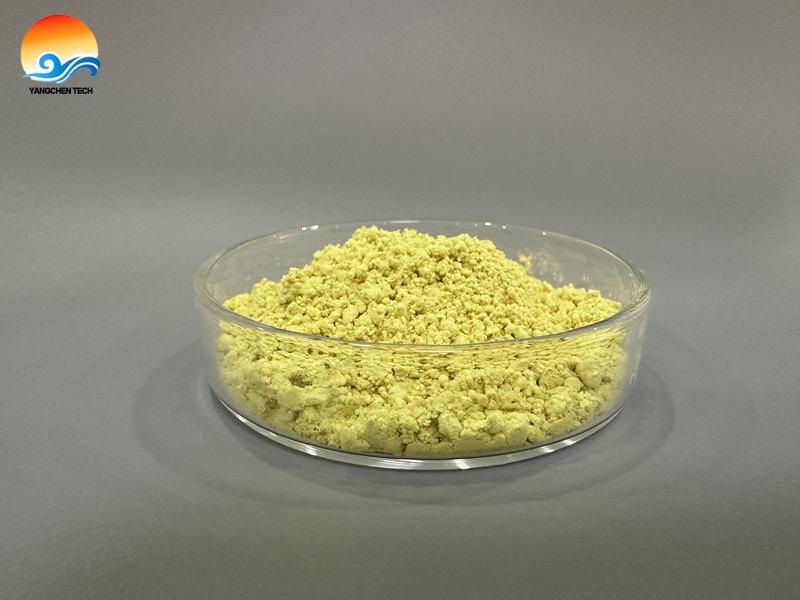
Applications of N,N′-m-phenylene Bismaleimide in Rubber Tires
- Rubber Tire Performance Enhancement
- In modern tire manufacturing, improving durability and heat resistance is critical. N,N′-m-phenylene Bismaleimide is commonly used as a crosslinking co-agent in rubber compounds to enhance performance.
- Benefits in rubber tires include:
- Improved heat resistance during high-speed operation
- Reduced thermal aging and cracking
- Enhanced tensile strength and abrasion resistance
- Improved tire safety and longer service life
By incorporating N,N′-m-phenylene Bismaleimide, tire manufacturers can meet stricter performance and durability standards required in automotive and industrial markets.
Certificate of Analysis
|
Product Name |
N,N'-m-phenylenedimaleimide(HA-8) |
|
|
Property |
Limits |
Results |
|
Form |
Free Flowing Powder |
Free Flowing Powder |
|
Color |
Yellow to light Brown |
Yellow |
|
Contamination |
None |
None |
|
Melting Range℃ |
≥195 |
201.8 |
|
Water % |
≤ 0.5 |
0.02 |
|
Ash % |
≤ 0.3 |
0.01 |
|
Oil % |
≤5 |
3.1 |
|
Acidity mgkoH/g |
≤5 |
1.1 |
|
Particle Size On 100 mesh % On 325 mesh % |
0.0Max 0.5Max |
0 0 |
Applications in Rubber Products
Beyond tires, N,N′-m-phenylene Bismaleimide is widely applied in technical rubber goods such as:
- Rubber hoses and belts
- Seals and gaskets
- Industrial vibration-damping components
In these rubber products, it significantly improves thermal stability, compression set resistance, and long-term mechanical performance, especially in high-temperature or chemically aggressive environments.
Role of N,N′-m-phenylene Bismaleimide in Adhesives
- High-Performance Adhesive Formulations
- In adhesive systems, N,N′-m-phenylene Bismaleimide acts as a reactive curing component or performance modifier. Its maleimide groups participate in crosslinking reactions that form strong, thermally stable networks.
Key advantages in adhesives:
- High bonding strength for rubber, metal, and composite materials
- Excellent resistance to heat, chemicals, and aging
- Ideal for structural and industrial adhesives
These properties make N,N′-m-phenylene Bismaleimide a preferred choice for automotive, aerospace, electronics, and industrial bonding applications.
Why Choose Yangchen Tech as Your N,N′-m-phenylene Bismaleimide Manufacturer?
Yangchen Tech is a specialized manufacturer focused on maleimide and bismaleimide materials, including N,N′-m-phenylene Bismaleimide. With advanced production technology and strict quality control, Yangchen Tech ensures stable quality and high purity suitable for industrial-scale applications.
Advantages of Working with Yangchen Tech:
1.Consistent product quality and reliable supply
2.Customized specifications for rubber and adhesive formulations
3.Strong technical support for application development
4.Export experience serving global customers
Yangchen Tech supports customers across rubber, tire, adhesive, and advanced materials industries, helping improve product performance and market competitiveness. Welcome Inquiry!
Recently, China AAB Group, a leading global chemical supplier, has launched new products: Aldehyde Resin A-81NB. This resin specially designed for the formula of nail polish, with benzene free as its core safety commitment, is committed to providing safer, high-performance and shiny solutions for the nail industry to meet consumers' dual pursuit of health and beauty.
Aldehyde resin A-81NB is a modified Aldehyde Resin launched by China AAB Group. It aims at the limitations of traditional nail polish resins (such as nitrocellulose) in gloss, drying speed, flexibility and pigment dispersion, and makes breakthrough optimization.
The most significant advantage is that it completely does not contain substances such as benzene, toluene, xylene, etc., which meets the increasingly stringent global cosmetic safety regulations (such as the EU Cosmetic Regulation (EC) No 1223/2009, China's "Technical Specification for Cosmetic Safety", etc.), providing formula designers and factories with peace of mind.
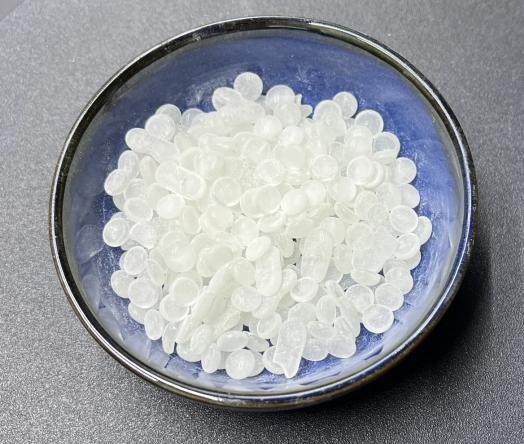
Features and advantages
Excellent safety:
l Benzene-free: Completely avoid the health risks brought by benzene solvents, and the formula is safer.
l Low odor: Helps to reduce the overall odor of nail polish and enhance the user experience.
l Compliance with regulations: Meet the safety requirements of the global mainstream market for cosmetic raw materials.
Top gloss and transparency:
l Give nail polish a mirror-like high gloss and excellent transparency, making the color more vivid, full and deep.
l Significantly improve the texture and luxury of nail polish after film formation.
Quick drying:
l Excellent solvent release, promotes rapid surface drying of nail polish, shortens waiting time, and reduces the risk of scratching.
Excellent film-forming and flexibility:
l The formed paint film is hard and wear-resistant, while maintaining a certain degree of flexibility, not easy to crack or peel off, and lasting and bright.
Excellent pigment wetting and dispersibility:
l It can effectively wet and disperse various pigments and effect particles (such as pearl powder, sequins), ensure uniform and stable color, avoid precipitation, and improve the storage stability and use effect of the product.
Wide compatibility:
l It has good compatibility with commonly used solvents in nail polish systems (such as ethyl acetate, butyl acetate, ethanol), plasticizers (such as phthalate substitutes), nitrocellulose and other resins, and has high formulation flexibility.
Application Areas
Aldehyde Resin A-81NB is an ideal choice for improving the performance of various nail polishes:
l Top gloss/top coat: Provides high gloss, high hardness, quick drying and protection.
l Colored nail polish: Enhances color saturation, gloss, fluidity and uniformity, and improves the application experience.
l Base coat: Improves adhesion and smoothness (depending on the specific formula design).
l Special effect nail polish: Such as pearlescent, metallic, and sequined nail polish, providing excellent dispersion and gloss carrying capacity.
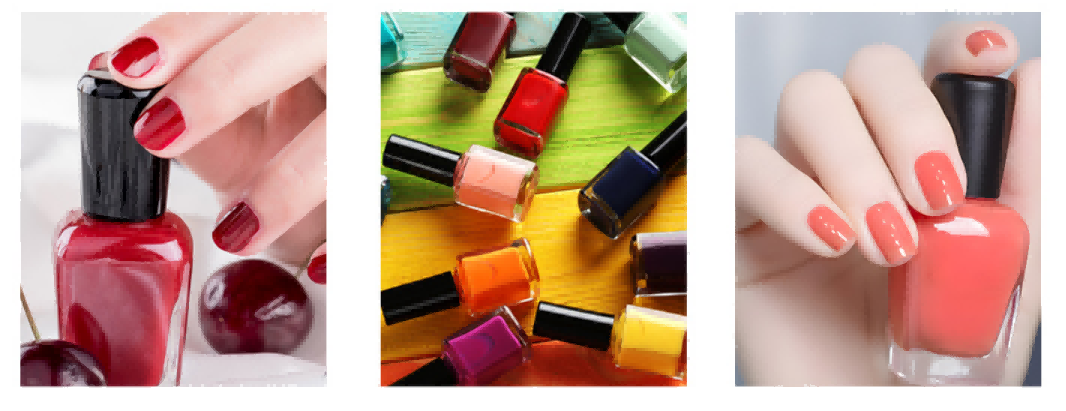
Why choose our Aldehyde Resin A-81NB?
With consumers' increasing health awareness and increasingly stringent regulations, Aldehyde Resin A-81NB provides key solutions for nail polish manufacturers:
l Safety upgrade: Benzene-free formula responds to the market's strong demand for safer products.
l Excellent performance: Significantly improves the gloss, drying speed, durability and color expression of nail polish.
l Formulation-friendly: Good compatibility and dispersibility simplify the formulation development process.
l Compliance guarantee: Meet the regulatory requirements of major global markets and reduce market access risks.
About China AAB Group
China AAB Group is a global company focusing on the research, development, production and sales of high-performance specialty chemicals. We are committed to providing innovative, sustainable and high-quality solutions for industries such as coatings, inks, adhesives, cosmetics and personal care. The launch of Aldehyde Resin A-81NB demonstrates our firm commitment to continuously promote industry progress and meet customer needs.Please feel free to contact us if you need any technical documents or free samples.
CAB-551-0.2 is a bio-based product that is environmentally friendly and widely used in the powder coating industry as green wrinkle and hammer powder coating additives.
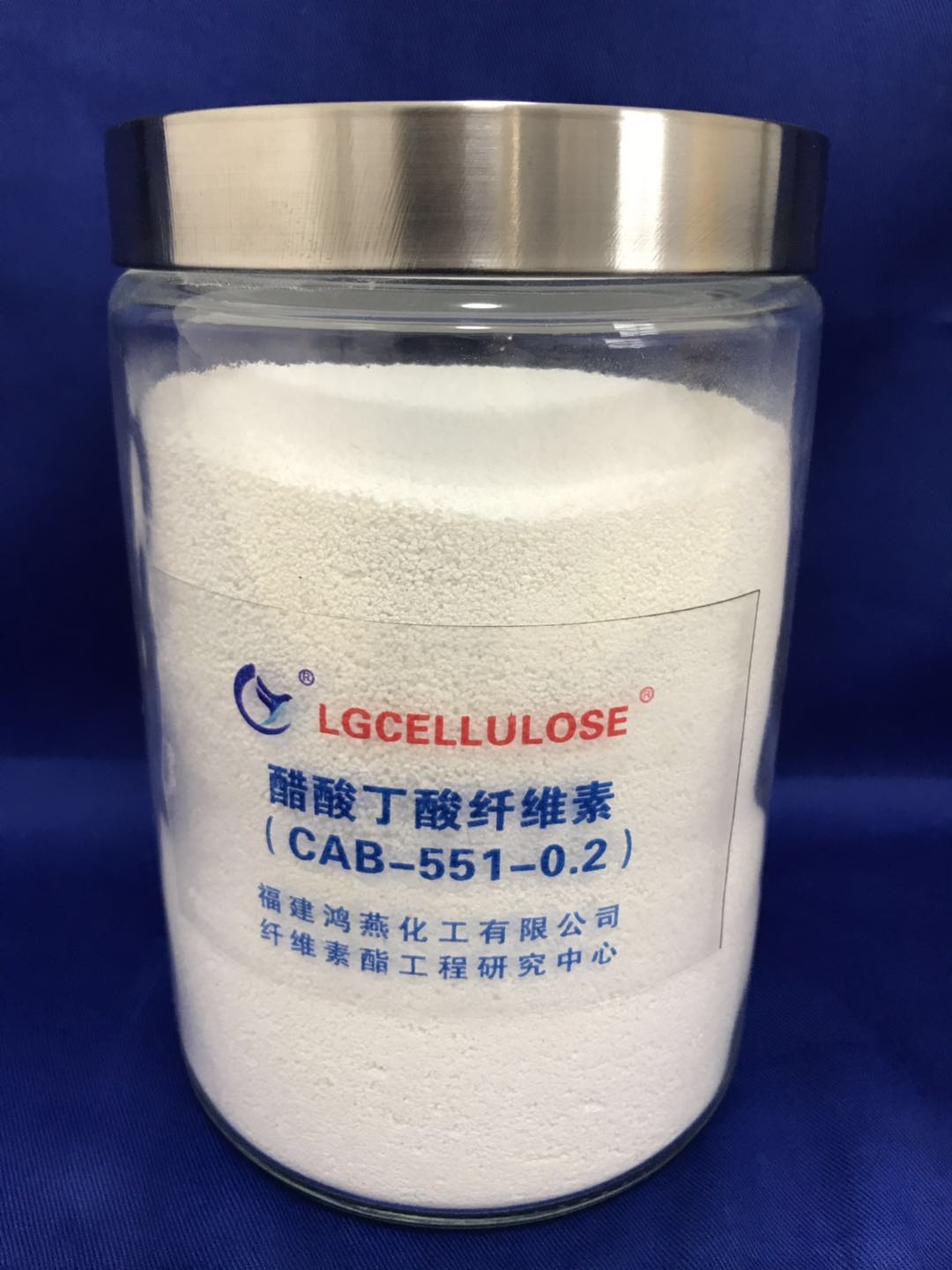
Wrinkle and Hammer Texture Additive CAB-551-0.2 exhibits the following characteristics:
1. It creates a clear, strong stereoscopic impression and good weather resistance, as well as a wrinkle and hammer texture, in powder coating products.
2. Excellent solubility — soluble in organic solvents such as ketones, esters and ethers.
3. High transparency and low colour — suitable for high-gloss, high-transparency coatings.
4. UV resistance and weatherability — extends the outdoor service life of coatings.
5. Good flow properties and anti-craters — improves the surface quality of the coating film without altering the powder coating formula. It is safe and universal to apply in powder coating systems.
Application of CAB in powder coatings:
1) Improves coating performance.
-Enhances flow properties:
- Reducing surface defects, such as orange peel and pinholes. Suitable for high-gloss coatings in automotive and home appliance applications.
- Enhancing adhesion. Promotes bonding between the coating and metal or plastic substrates.
- Improves weather resistance. Superior UV stability compared to pure acrylic resins; suitable for outdoor powder coatings.
(2) Specialty functional coatings
CAB can serve as an aluminium powder orienting agent to enhance metallic lustre effects.
(3) Low-temperature curing coatings: Reduces the curing temperature (down to 120–140°C) to save energy.
(4) Antibacterial/anti-fingerprint coatings: CAB is compatible with additives such as nano-silver.
Our powder coating CAB has been sold in Europe, Southeast Asia and beyond, and has received positive feedback from customers. If you require technical data or wish to arrange a technical consultation or request free samples, please contact us on +86 13951823978 (WeChat, WhatsApp).
In the inks and industrial coatings sectors, color performance and stability have always been key factors in determining product quality. Traditional pigment dispersion methods often rely on color pastes, but color pastes present many challenges during production and usage, such as high investment costs, short shelf life, and sedimentation. Now, the advent of CAB Pigment Chips has provided a revolutionary solution for the industry. These chips not only simplify the production process but also deliver outstanding performance and environmental benefits, making them the preferred choice for automotive OEM paints, touch-up paints, 3C products, mobile coatings, and high-end inks.
What Are CAB Pigment Chips?
CAB Pigment Chips are granular color dispersion made by pre-dispersing carefully selected pigments in medium-viscosity CAB resins (such as CAB381-0.5/551-0.2). They do not require milling and can achieve full pigment wetting and uniform dispersion, ensuring vibrant color and high transparency. All pigments used are rigorously selected to meet the demanding requirements of industries that prioritize weather resistance, stability, and environmental sustainability. Furthermore, CAB Pigment Chips are free from any additives, making formula formulation more flexible and easy.

Outstanding Advantages of CAB Pigment Chips
- Superior Dispersion, Strong Color Performance
Compared to traditional grinding dispersion methods, CAB Pigment Chips achieve more uniform and finer pigment dispersion. The pigment particles are fully wetted, which enhances the tinting strength, vividness of the hue, and imparts excellent gloss and transparency to the film. Whether it's the dazzling shine of automotive paint or the premium feel of 3C products, CAB Pigment Chips can easily meet these high demands. - Simplified Process, Reduced Costs
Traditional color paste production requires expensive milling equipment and dedicated production lines, whereas CAB Pigment Chips only need a high speed mixer machine and a container to quickly dissolve and use. This "instant dissolve" characteristic significantly reduces equipment investment and production costs while improving production efficiency and flexibility. Whether for small-batch or large-scale production, CAB Pigment Chips provide exceptional adaptability and convenience. - Outstanding Stability, Worry-Free Storage
Color pastes typically have a shelf life of only 2-3 months, during which they are prone to aggregation, sedimentation, or re-coarsening, negatively impacting product quality. CAB Pigment Chips, on the other hand, remain stable during storage and are less likely to deteriorate. They can be stored for long periods without worry, truly enabling "instant dissolve" and completely solving the storage issues in the industry. - Stable Systems, Wide Application
The coatings or inks made with CAB Pigment Chips exhibit excellent system stability, with pigments resistant to sedimentation, ensuring consistent and reliable product performance during use. These chips are suitable not only for traditional solvent-based systems but also effectively solve the flocculation issues in waterborne industrial paints, expanding their application range. Whether for waterborne or solvent-based systems, CAB Pigment Chips deliver superior performance for a variety of industrial needs. - Environmental Friendliness and Sustainability
By using carefully selected pigments and a formulation free of additives, CAB Pigment Chips provide high performance while fully meeting environmental regulations. They help companies achieve sustainable development goals by supporting eco-friendly production practices, making them an ideal choice for green manufacturing.
The Future Potential of CAB Pigment Chips
CAB Pigment Chips are not only a breakthrough in pigment dispersion technology but also a valuable tool for optimizing production processes and enhancing product quality. They address many of the issues associated with traditional color pastes, such as poor storage stability, high investment costs, and insufficient dispersion. By using CAB Pigment Chips, manufacturers can improve production efficiency, reduce costs, and ensure the stability of final product quality, meeting consumer demands for high-quality coatings and inks.

The introduction of CAB Pigment Chips marks a technological revolution in the coatings and inks industries. From improving pigment dispersion and color performance to optimizing production processes and meeting environmental requirements, they offer manufacturers a simpler, more eco-friendly, and highly efficient solution. Choosing CAB Pigment Chips will make your products more competitive in the market and bring greater convenience and value to your production. Start using CAB Pigment Chips today to streamline your production, elevate product quality, and help your brand stand out in the market!
Feel free to contact us for more details via info@aabindustrygroup.com or WhatsApp +86 13951823978.
As ships become larger and larger, energy consumption and environmental protection issues are becoming increasingly prominent. As a global leading coating technology company, China AAB Group's marine anti-fouling products can restructure the surface structure of the coating film after immersion in water to form a very effective non-stick surface with almost no traction resistance, making it impossible for marine organisms to recognize and attach, thus bringing outstanding anti-fouling performance.

China AAB Group's marine anti-fouling paint has the following outstanding features:
100% silicon-based non-toxic formula;
- Using unique technology to make the coating smooth and flat, making it difficult for marine organisms to detect and attach;
- Preventing the release of pesticides into the ocean, achieving true eco-friendliness.
Emission reduction benchmark:
- Reducing carbon emissions by 35% compared to traditional coatings, helping shipowners achieve the IMO 2050 net zero goal.
Energy efficiency breakthrough:
- Can reduce power consumption by 20%, have a higher speed freedom, and increase the average speed by 1 knot while meeting CII compliance requirements.
Long-term protection:
- The continuous mooring time is up to 150 days, and the speed loss is <1%; 10-year service life, maintenance costs are reduced by 40%.
Adhering to the concept of sustainable development, China AAB Group has always believed that true environmental protection technology should not only protect the ocean, but also create value for the industry. With the technical advantages and R&D strength of China AAB Group, we have joined hands with many pioneering projects at home and abroad to make "efficient anti-fouling" and "zero-carbon compliance" from vision into reality.
"Although there are many anti-fouling coating solutions on the market, China AAB Group's marine anti-fouling products have significant advantages."China AAB Group President and Managing Director Jeremy said frankly, "The 'self-releasing' properties of the silicone coating naturally keep marine organisms away from the hull, saving the extra cost of pesticides; more importantly, the efficiency of the fleet's navigation can be continuously improved, and the annual fuel cost savings are enough to cover the investment in technology upgrades."
Domestic chemical tanker operators have confirmed the value of China AAB Group from the perspective of compliance and cost: "Although the carbon emission regulations of IMO and EU are full of challenges, China AAB Group's marine anti-fouling products give us the confidence to 'overtake' - it does not contain toxic materials, has an ultra-smooth underwater surface, and has reduced carbon dioxide emissions by 35%; what's more surprising is that the smooth coating also reduces underwater noise and improves the working environment of crew members."

China AAB Group knows that protecting the ocean is not an optional question, but a must-answer question. In the future, China AAB Group will continue to use innovation as a paddle to make every ship "lightly equipped" and sail towards a cleaner blue; make every drop of fuel "fully utilized" to reduce the burden on the ocean; and let every sea area "breathe freely" and return to the thriving of life.
- Bismaleimide Series2
- Cross-Linking agent / Vulcanizing Agent1
- Curing Agent1
- Epoxy Resin1
- Ethylene-VinylAlcohol Copolymer(EVOH)1
- Fish Oil1
- Food Additives3
- Glucosamine1
- Heat-resistant modifier series1
- High Assay Quaternary Ammonium Compounds9
- Low Assay Quaternary Ammonium Compounds13
- Modified Polyvinyl Alcohol1
- Monomalemide Series2
- Other Surfactants/Catalysts8
- Plastic Random Packing1
- Plastic Structured Packing1
- Polyacrylamide1
- Polyurethane Resin2
- Polyvinyl Alcohol (PVA)2
- Power Coatings3
- Quaternary Ammonium Hydroxide4
- Special Quaternary Ammonium Compounds7
- TPU4
- Tertiary Amines1
- UV Ink1
- VAE Emulsion (Vinyl Acetate–ethylene Copolymer Emulsion)1
- aluminum paste1
- antiform2
- fire sleeve2
- resin2