In the dry-mix mortar industry, the performance of redispersible polymer powder (RDP) directly determines the bonding strength and flexibility of tile adhesives, exterior wall putties, and thermal insulation mortars. As the source of RDP production, the physicochemical properties of VAE emulsions form the cornerstone of all these properties. Today, we will delve into two specialized VAE emulsions designed specifically for RDP production—DiverSol 628 (VAE CW40-758) and DiverSol 688 (VAE CW40-718).

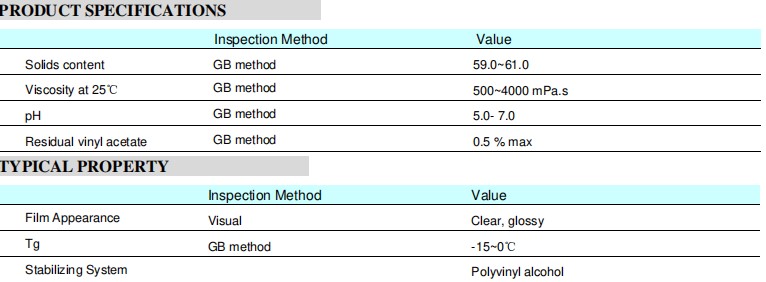
1. Balance between High Solids Content and Rheological Properties
For RDP (polymer powder) manufacturers, spray drying is the most energy-intensive process. The solids content of the emulsion raw materials directly affects production efficiency and energy costs. DiverSol 628 and DiverSol 688 demonstrate extremely high industrial economics in this regard.
In the VAE emulsion field, a solids content of around 60% is considered high. This means that the amount of water that needs to be evaporated during the spray drying process is significantly reduced. Compared to conventional 55% solids content emulsions, using the DiverSol series not only significantly reduces heat consumption but also substantially increases the unit output of spray towers.
Besides solids content, viscosity is crucial for atomization performance. DiverSol 628/688 have a viscosity range of 500 ~ 4000 mPa·s (25℃). This wide viscosity range, combined with its excellent flow properties, provides powder manufacturers with a wide process window:
- Good atomization: Appropriately low viscosity helps the emulsion form tiny droplets at the nozzle, resulting in more uniform particle size distribution in the dried powder, and better flowability after blending.
- Shear stability: Under high-speed pumping and spray shearing, the emulsion remains stable and is less prone to emulsion breakage and nozzle clogging.
Furthermore, both products use polyvinyl alcohol (PVA) as a protective colloid system. This system is standard in RDP production because polyvinyl alcohol not only stabilizes the emulsion but also acts as a protective film during the redispersibility of the adhesive powder, preventing the powder particles from clumping in water and ensuring rapid dispersion of the final dry mortar after water addition.
2. Differentiated Formulation Strategy Based on Tg Value
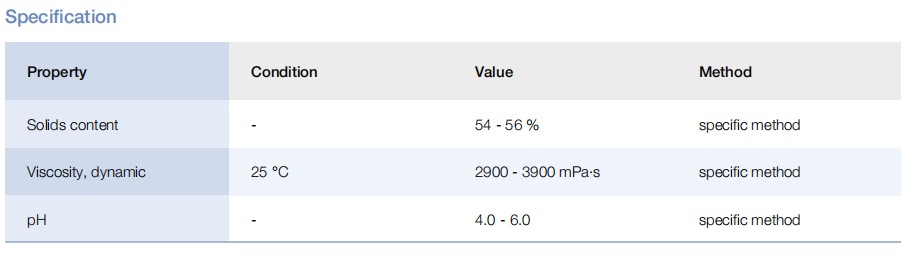
Although DiverSol 628 and 688 are highly consistent in their basic physical properties (appearance, solid content, viscosity, pH), they take two completely different technical directions in their core thermal performance indicator—glass transition temperature (Tg), targeting "rigid" and "flexible" applications respectively.
2.1 DiverSol 628: High Tg Leads to Rigidity and High Strength
♣ Tg Range: 10 ~ 20°C
♣ Technical Characteristics: A Tg higher than room temperature means that the movement of polymer molecular chains is restricted after film formation, resulting in a film with higher hardness and cohesiveness.
♣ Application Advantages: RDP produced using 628 is more suitable for applications requiring high bond strength and surface hardness. For example:
- Tile adhesive: Provides strong tensile strength, preventing heavy tiles from slipping.
- Floor mortar and self-leveling compound: High Tg helps improve the abrasion resistance and hardness of the floor surface.
- Gypsum-based applications: Enhances the strength of gypsum products.
2.2 DiverSol 688: Low Tg provides flexibility and crack resistance.
♣ Tg range: -15 ~ 0℃
♣ Technical characteristics: Significantly lower Tg than room temperature, the film is in a highly elastic state after formation, the film is soft, and has excellent elongation.
♣ Application advantages: RDP produced using 688 has its core selling points in flexibility and weather resistance. It effectively absorbs the deformation stress of the substrate, suitable for:
- External wall insulation systems: Prevents cracking of the insulation layer in environments with large temperature variations.
- Flexible putty: Provides excellent crack resistance, adapting to minor vibrations or settlement of the wall.
- Repair mortar: Provides necessary bridging ability when repairing old and cracked substrates.
3. Industrial Compatibility and Green Environmental Protection
In actual industrial production, VAE emulsions not only need excellent performance but also must possess good "compatibility," meaning they must be compatible with other raw materials.
3.1 Broad Chemical Compatibility
DiverSol 628/688 were formulated with the complexity of downstream applications in mind. These two emulsions typically exhibit good compatibility with various thickeners, plasticizers, solvents, and fillers. This is crucial for RDP manufacturers, as anti-caking agents or other modifying agents are often added to the emulsion before spray drying. Good compatibility ensures the homogeneity of the mixture, preventing stratification or flocculation.
3.2 Environmental Protection and Aging Resistance
With increasingly stringent GB standards for the environmental protection of building materials, the environmental properties of raw materials have become a critical indicator.
- Plasticizer-Free Design: Both products are formulated without plasticizers. This means that the film-forming flexibility of the emulsion comes from the internal plasticizing effect of the ethylene monomer, rather than from added small-molecule plasticizers. This not only prevents later-stage brittleness caused by plasticizer migration but also ensures excellent aging resistance.
- Low Residual Monomer: The residual vinyl acetate monomer content is strictly controlled below 0.5%, making it an environmentally friendly product.
3.3 Storage and Handling Guidelines
While the product boasts excellent performance, proper handling is equally important. Due to the presence of trace monomers, it is recommended to handle the product in a well-ventilated environment and wear protective equipment. Storage temperature should be controlled between 5°C and 40°C; freezing is strictly prohibited. It is particularly important to note that if the product has undergone long-distance transportation or long-term storage (shelf life 6 months), it is recommended to filter and stir before use to eliminate any potential lumps or crusts.
Website: www.elephchem.com
Whatsapp: (+)86 13851435272
E-mail: admin@elephchem.com
In the field of building waterproofing, polymer cement waterproof coatings have always been a market favorite due to their environmental friendliness, high film strength, and good compatibility with damp substrates. As the core raw material of JS coatings, the performance of the polymer emulsion directly determines the success or failure of the final waterproof layer. Today, we will delve into DiverSol 779P (VAE CW40-705) and DiverSol 777 (VAE CW40-705). By interpreting the data of these two products, which conform to GB/T 23445-2009 Type II standard, we will analyze the key technical aspects of high-performance waterproof emulsions in practical applications.
1. Technical Characteristics and Performance Highlights of Two Special VAE Emulsion
Both DiverSol 777 and 779P are plasticizer-free VAE Emulsion (Vinyl Acetate–ethylene Copolymer Emulsion) , presenting as a milky white water-based system. They maintain relatively consistent key indicators such as solid content, viscosity, pH, and glass transition temperature (Tg), which helps to maintain stable performance in different application scenarios.
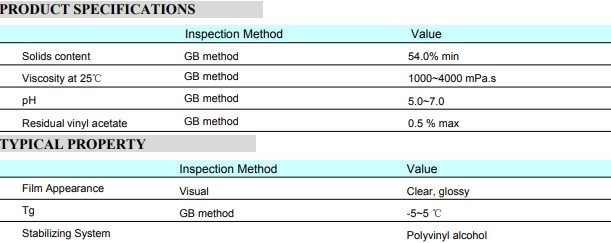
♠ Industry Significance in Performance:
- Low Tg for Flexibility: Suitable for Type II waterproof coatings requiring low-temperature flexibility and crack resistance; the film exhibits good elongation after drying, adapting to slight substrate displacement and temperature changes.
- Excellent Compatibility with Cement Systems: The PVA protective colloid improves the dispersibility of the emulsion when mixed with cement and fillers; significantly improves the sag resistance and thixotropic properties of cement paste.
- Plasticizer-Free Formulation: Reduces VOC emissions and enhances environmental friendliness; more stable in the formulation, preventing performance degradation due to migration.
- Adaptability to Wet Environments: Forms a film on damp, cold substrates without chalking or early cracking.
2. Application Logic and Formulation Synergy in Waterproof Building Coatings
2.1 Mechanism of Action in Waterproof Coating Systems
♣ VAE emulsions play three roles in cement-based waterproof coatings:
- Providing flexibility: filling the "brittleness gap" of the cement system;
- Improving water resistance: forming a continuous polymer film in the pores after cement hydration;
- Promoting workability: improving thixotropy, reducing sagging, and improving the smoothness of application.
The low Tg characteristics of DiverSol 777 and 779P enable the polymer phase to form a continuous film structure at room temperature or even low temperature, thereby effectively improving the coating density. It forms an interpenetrating network (IPN) structure with the cement hydrate, enhancing adhesion and crack resistance, which are fundamental properties that Type II waterproof coatings must meet.
2.2 Key Performance Improvement Points in Waterproofing Systems
(1) Improved Flexibility and Crack Resistance
The addition rate of the emulsion is usually 10–20% of the total mass of the system. The DiverSol series can achieve the following within this range:
- Increased tensile strength
- Increased elongation
- Buffering ability for mortar shrinkage cracks
(2) Anti-sagging and workability
779P emphasizes "good anti-sagging performance" in its description. Its thixotropy is suitable for:
- Facade construction
- Multi-corner structures such as bathrooms
- Stability control of thick coating operations
(3) Durability and water resistance
The polyvinyl alcohol protective colloid system after film formation can make the emulsion evenly distributed in the cement pores:
- Reduce water absorption
- Improve freeze-thaw cycle stability
- Delay the alkaline erosion of cement paste
(4) Strong substrate adaptability
Both emulsions can be applied under "low temperature or high humidity conditions", especially suitable for:
- Rainy season construction areas
- Underground structures
- Brick and concrete building bases that are prone to dampness
3. Engineering value, storage and transportation and production operation points
3.1 Engineering value manifestation
In building engineering applications, waterproofing systems usually face challenges such as diverse substrates, complex construction environments and high durability requirements. The selection of a suitable VAE emulsion not only affects product test indicators but also long-term operational stability.
The value of DiverSol 777 and 779P to engineering projects is mainly reflected in:
(1) Improved overall construction efficiency
- Good thixotropy, easier application, and reduced rework
- Strong adaptability to wet substrates, eliminating the need for prolonged drying of the substrate
(2) Effectively extends the service life of the waterproofing system
- The continuous polymer phase reduces the path of moisture intrusion
- Strong crack resistance, especially suitable for areas with slight structural movement, such as bathroom corners and roof panel joints
(3) Wide range of applications
- Waterproofing for bathrooms, kitchens, and balconies\Basement and foundation protection layers
- Roof coatings
- Flexible waterproofing primers for interior and exterior walls
- Premixed waterproofing slurry for engineering projects
(4) Compliant with environmental trends
- Plasticizer-free, water-based, and low-residue, helping the product pass environmental building material certification or meet VOC requirements
3.2 Storage Specifications
(1) Storage Environment and Shelf Life
- Temperature Control: The emulsion must be stored in a sheltered area and must not be frozen. Storage temperature should be strictly controlled between 5°C and 40°C. Once VAE emulsions freeze, they are usually irreversible after demulsification, resulting in direct economic losses.
- Shelf Life Management: Under suitable conditions and in their original, unopened packaging, DiverSol 779P and 777 have a minimum shelf life of 6 months. It is recommended that factories implement a "first-in, first-out" (FIFO) inventory management principle.
(2) Pretreatment and Usage Precautions
- Filtration and Stirring: During transportation and storage, soft lumps or a skin may form on the surface of the emulsion, a common physical phenomenon in polymer dispersions. Therefore, filtration is strongly recommended before use. Especially if the product has been stored for a long time, thorough stirring is essential before use to ensure homogeneity.
- Preservative Treatment: Preservatives are added to the product at the factory to prevent microbial contamination. However, once the container is opened or transferred to another storage tank, the original preservative system may be insufficient to resist new microbial attacks. If the product cannot be used immediately, the user must take appropriate precautions (such as sealing for storage) or add a suitable preservative after transfer.
(3) Safety Precautions
- Although the DiverSol series is considered safe for its intended use, as a chemical feedstock, it contains trace amounts of residual vinyl acetate monomer (controlled below 0.5%). Therefore, adequate ventilation should be maintained in the operating area.
- Operators should wear protective clothing, gloves, and goggles. In case of skin or eye splashes, rinse immediately with water.
Website: www.elephchem.com
Whatsapp: (+)86 13851435272
E-mail: admin@elephchem.com
Blow grade TPU except for must with appropriate crystallization speed and appropriate melt index, another important requirement is the control of the fisheye on the blow product. Preventing TPU blow products from producing fisheye not only must control the blow molding processing, but also control the physical impurities and hyperpolymer during the process of TPU synthesis and manufacturing.
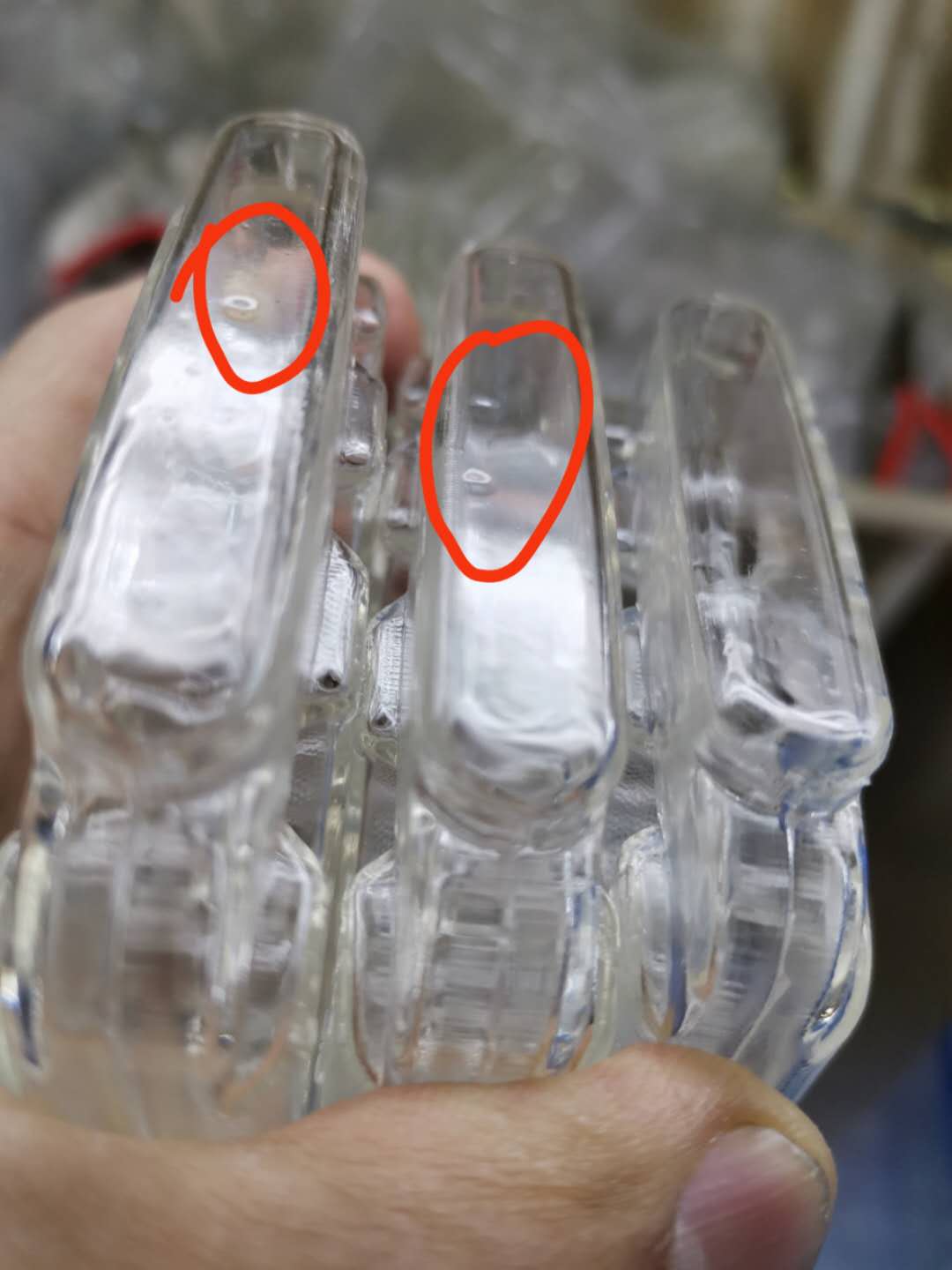
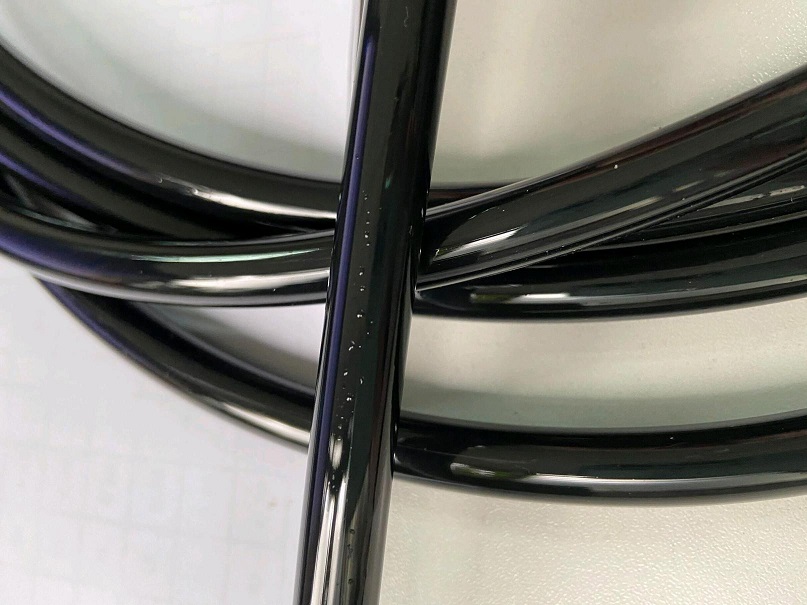
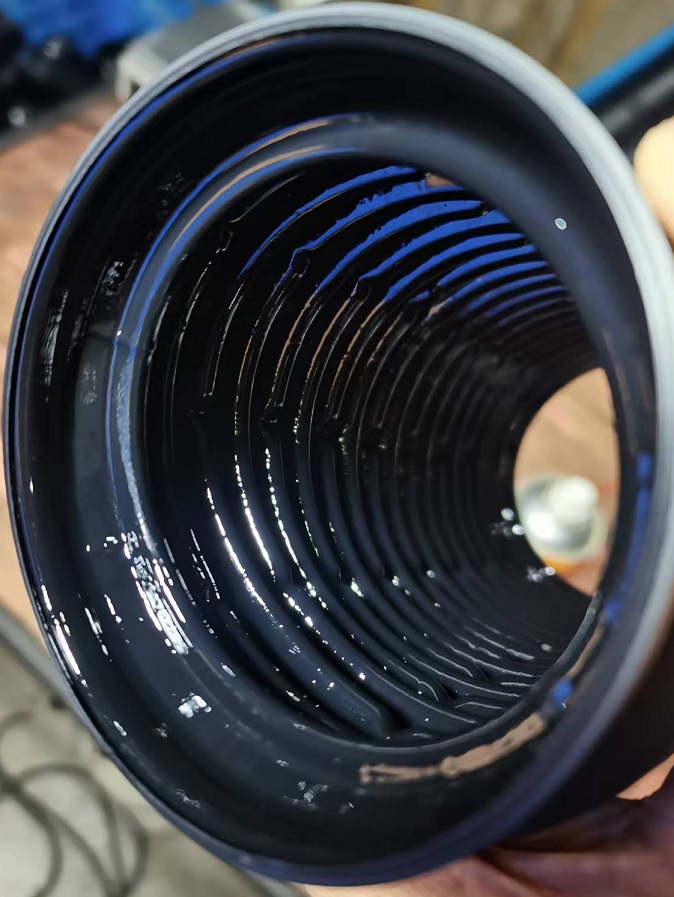
Koslen blow grade B-795AH10 and E-390AH are features with high melt stability and short cycle times. These blow grades deliver what you need from both a blow processing and performance perspective. They are popular choice for thick- and thin-wall blow parts and blow films such as auto suspension components, air sole, air bladder and blow film.
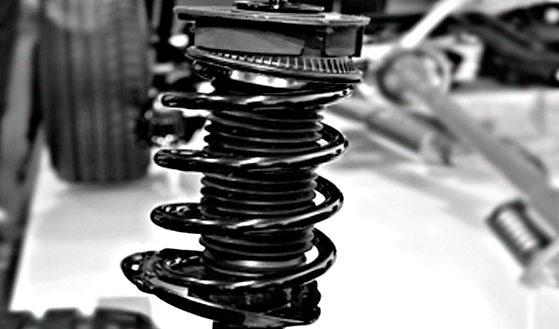
Automotive suspension parts which withstands continual vibration and debris day by day, the material for it must be capable of delivering high resistance to dynamic stress, abrasion, and grease. Polyether grade E-390AH perfectly cater these requirements.
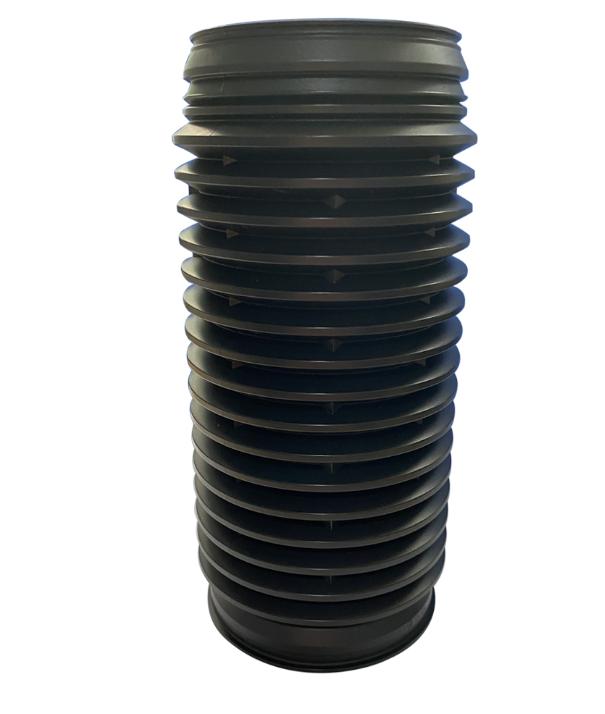
Air sole which withstands daily wearing, the material for it must be capable of delivering high resistance to dynamic stress, abrasion, scratch plus low weight, comfortable fit. TPU grade B-795AH10 perfectly cater these requirements.
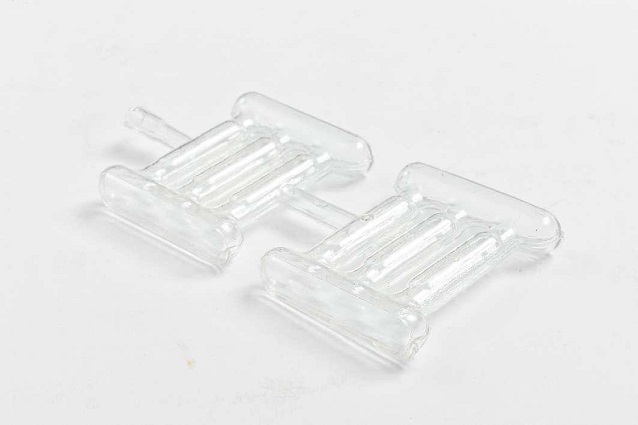
TPU air bladder be widely used in shock-absorbent seating
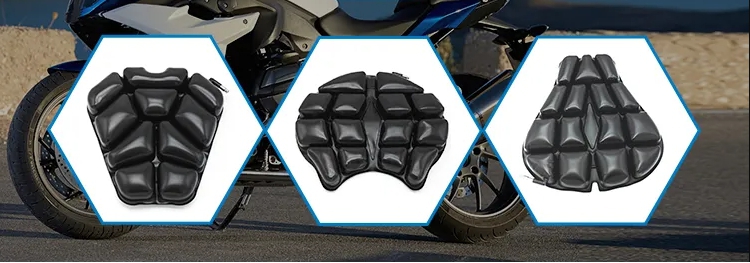
TPU blow film be widely used to producing shoe materials, waterproof and moisture-permeable clothing fabrics, medical and defense supplies, weapon packaging, tents, sports and leisure equipment, sanitary napkins, toys, civilian daily necessities packaging, etc.
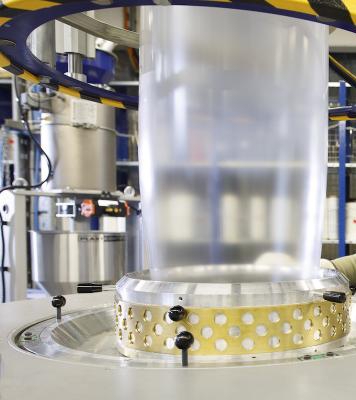
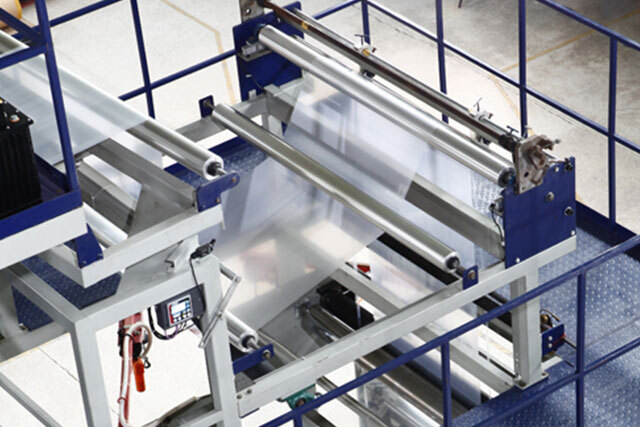
CHINAPLAS 2023 the 35th international exhibition on plastics and rubber industries is the world's leading plastics and rubber trade fair and its significance is surpassed only by K Fair
CHINAPLAS 2023 will reach to its biggest scale after corona virus epidemic. Around 3,900 exhibitors from over 40 countries and regions will present products and solutions covering machinery&equipment and raw material&auxiliaries industry to an audience of industry professionals. 18 theme zones facilitate successful sourcing of buyers.
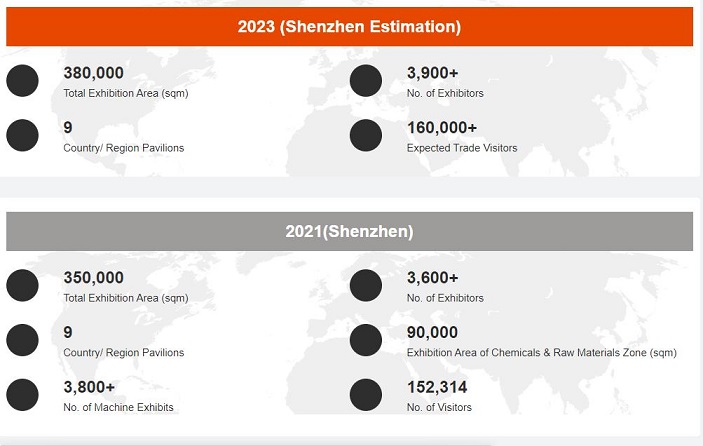
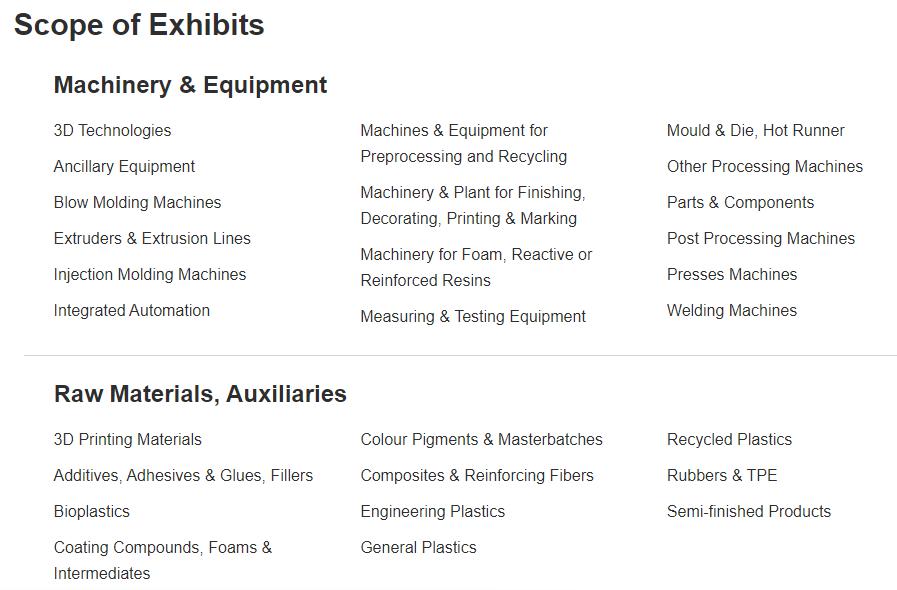
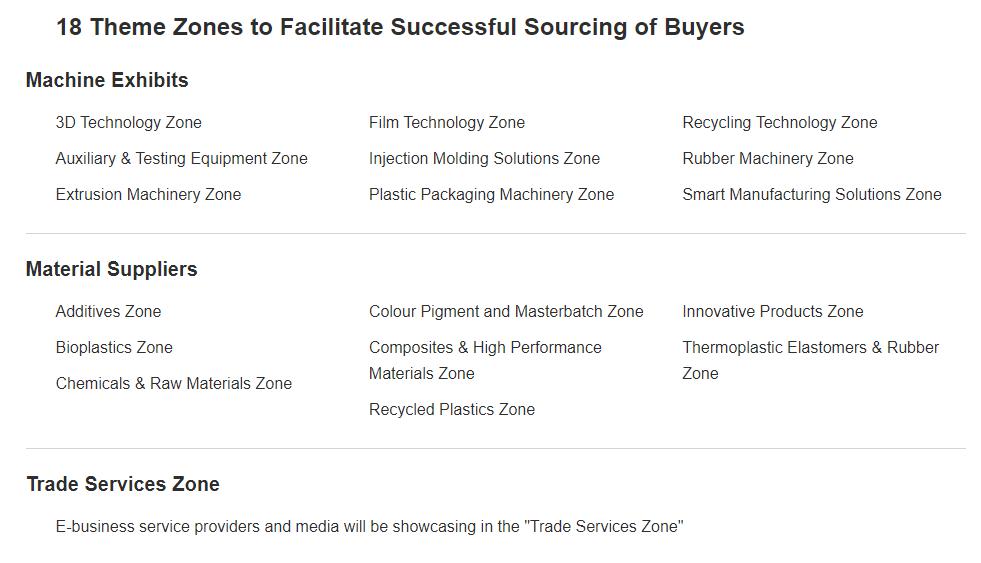
The online CPS+ eMarketplace provides precise and quality business matching service

This online forum will focus on the development trends, explore opportunities and challenges in the context of plastic recycling industry, as well as the application mechanisms. Representatives from various sectors will share best practices in shifting towards greater plastics circularity.
www.Chinaplas0nline.com/CPS23/ApplicationOnlineForum
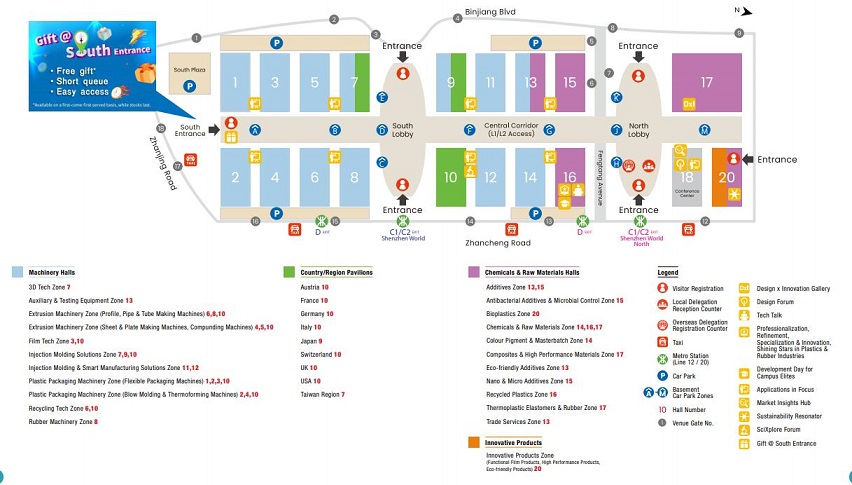
Below Venue Layout Plan for your reference
Techniques for processing TPU: injection molding, extrusion, calendering and blow molding
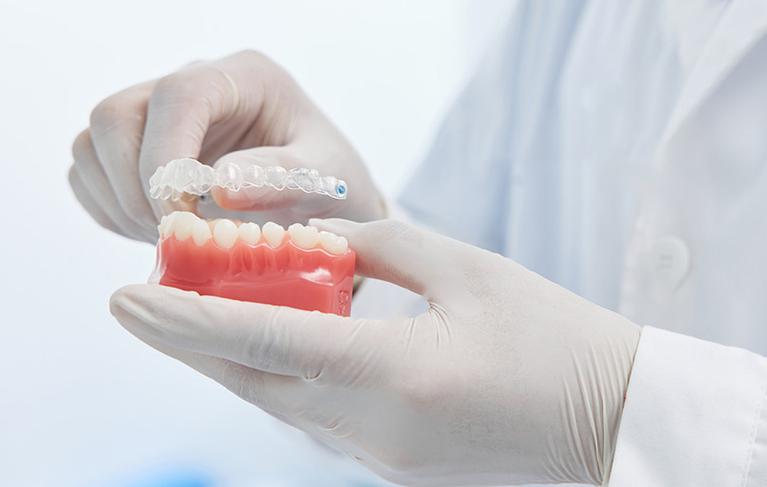
TPU can be processed by a variety of techniques including injection molding, extrusion, blow molding and calendering.
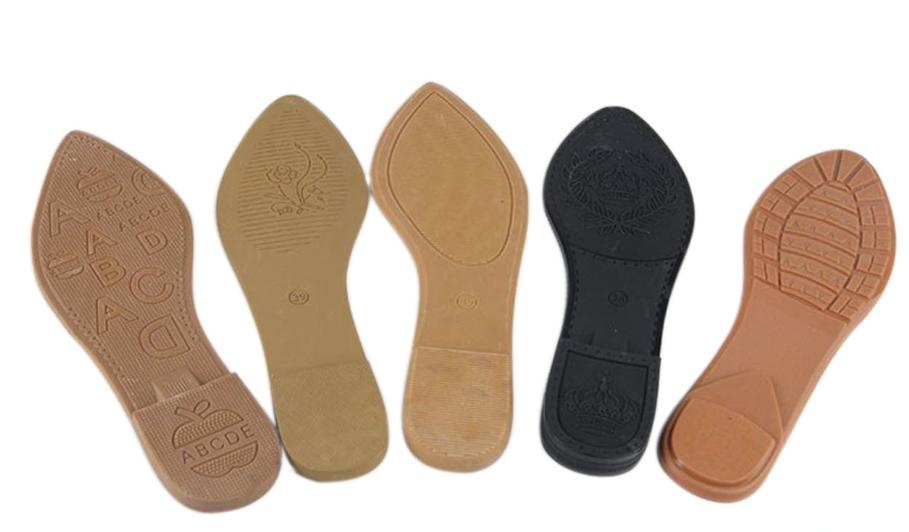
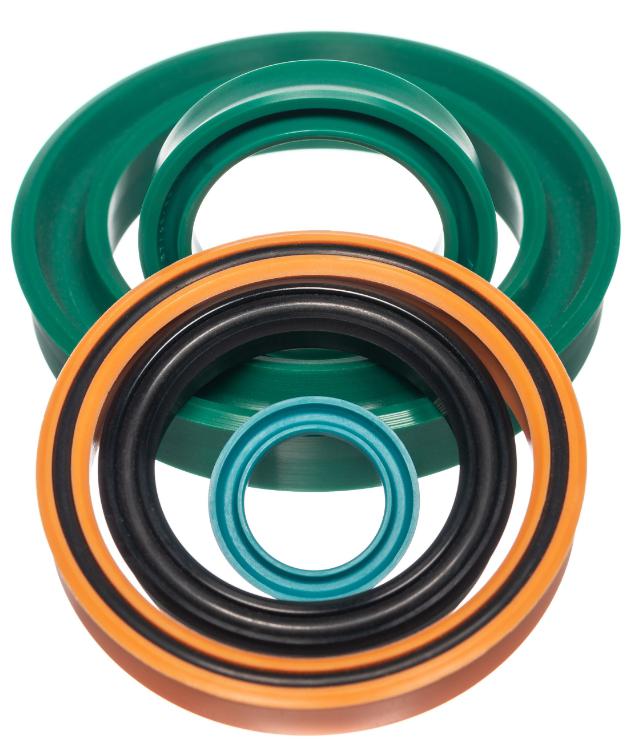
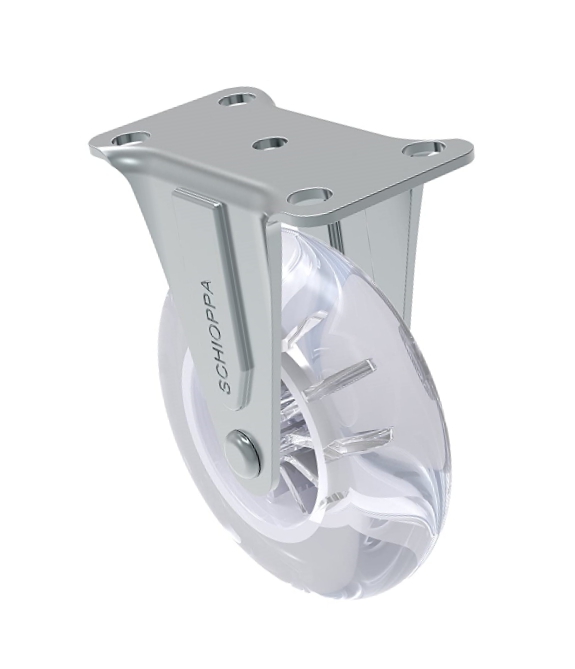
Injection molding is by far the most important technique for processing TPU material. TPU are easily molded into shapes such as shoe sole, wheels, electronic parts, seals, toys, gaskets, orthotics as so on.
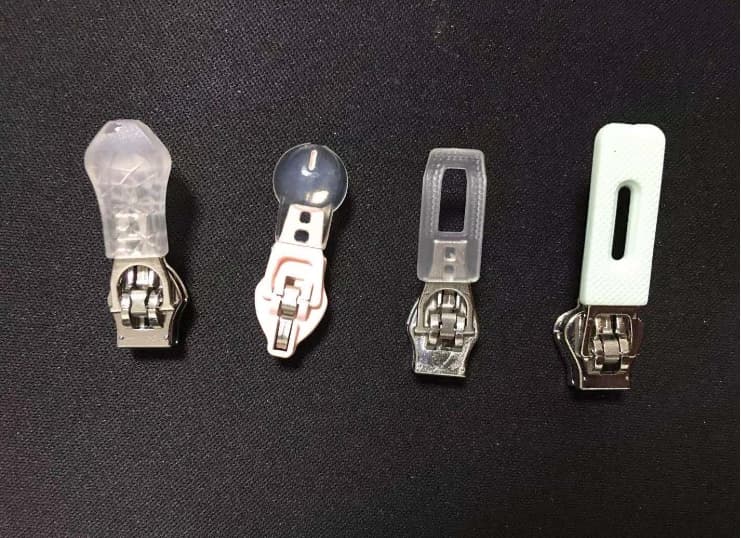
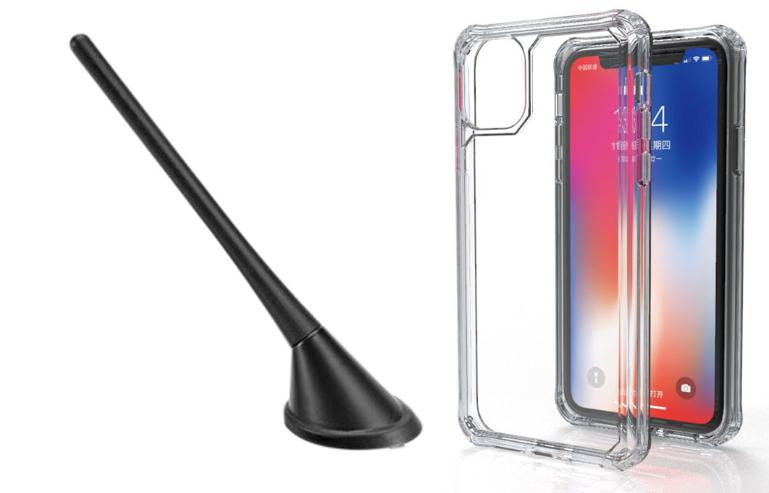
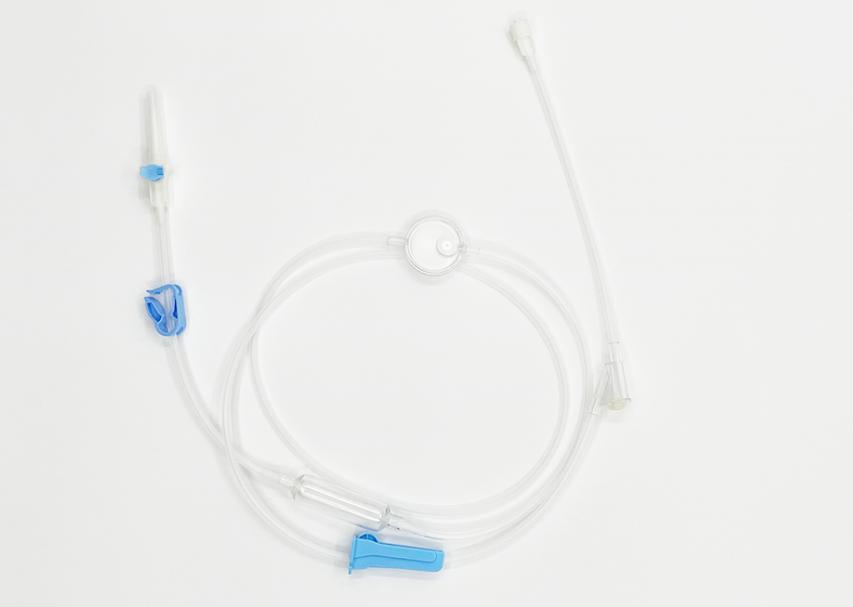
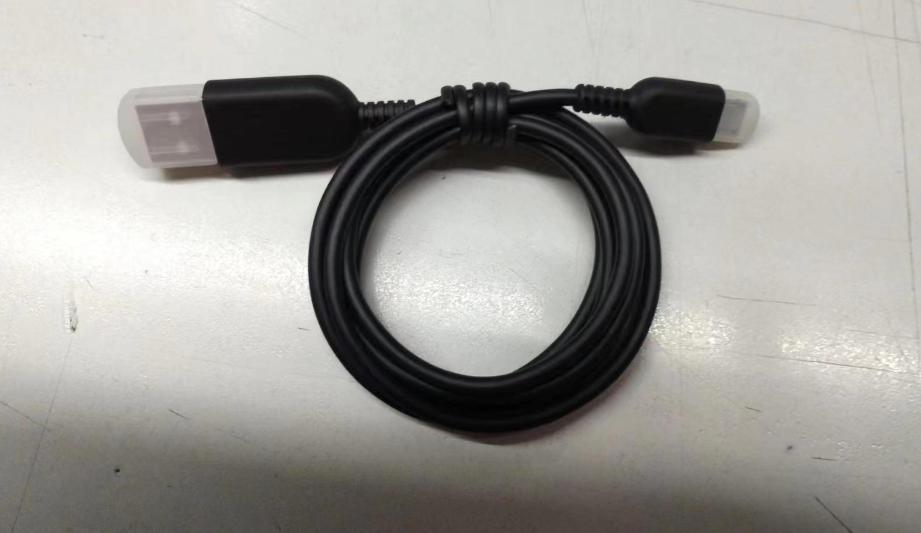
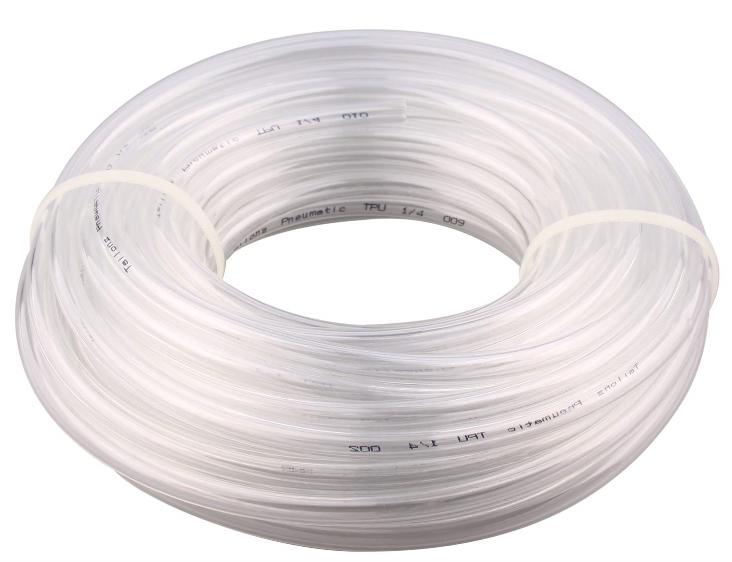
TPU are easily extruded into shapes such as tubing, wire & cable. Unlike injection molding, extrusion can be used to produce a very good surface finish. For best results, use extrusion grade TPU materials
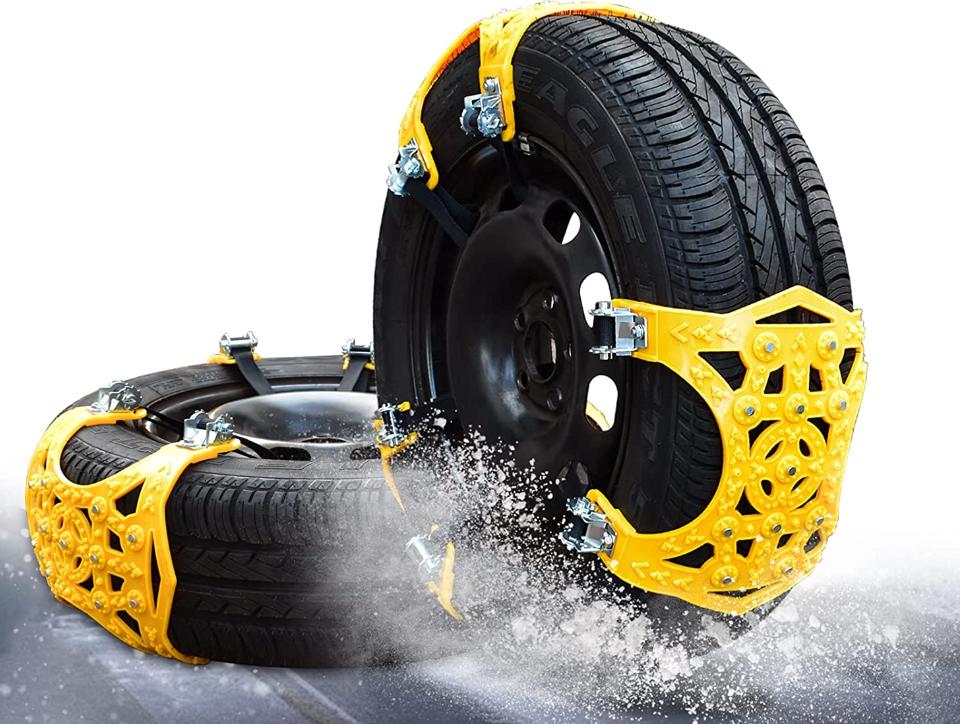
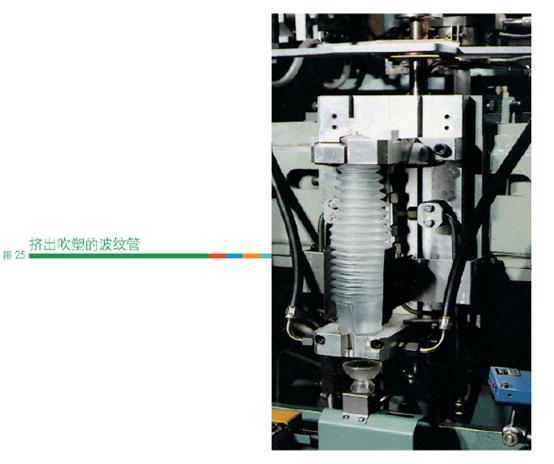
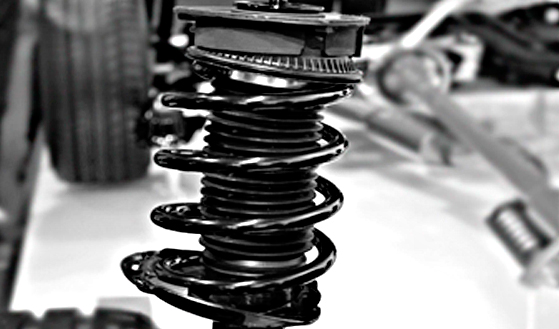
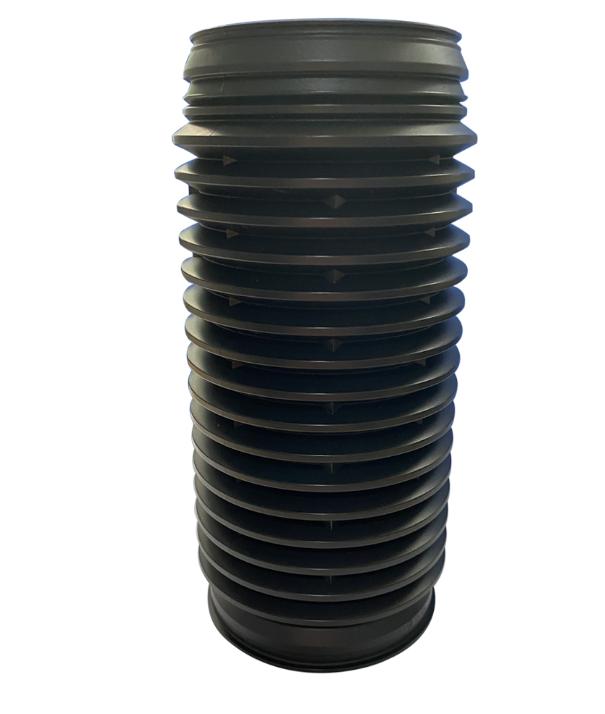
Another important process is extrusion blow molding in which air is blown into the mold to create the desired shape when molten plastic is extruded into a mold. Extrusion blow molding used to produce even complex hollow parts such as shoe cushion, car anti vibration part, bottles and containers.
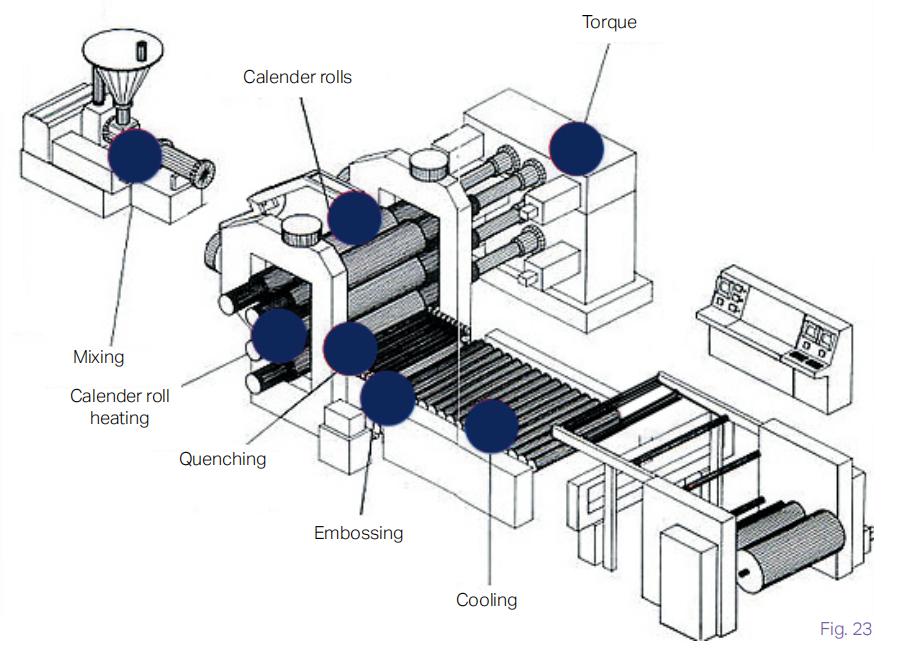
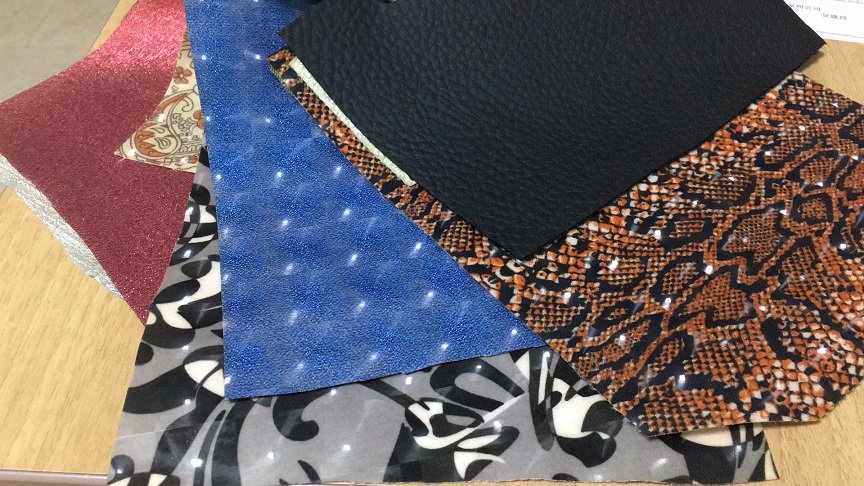
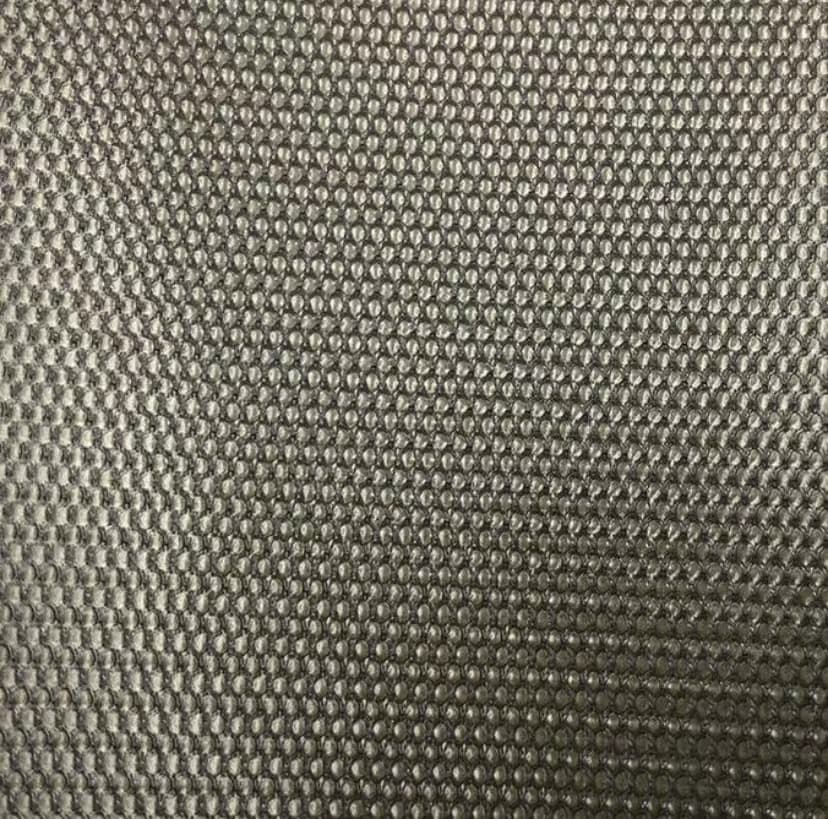
Calendering is a method often used for coatings applications. It is widely used as a means of coating Synthetic Leather and fabric. Calendering grade TPU features with no sticky on roller, low torque, workable for embossing, excellent adhesion and chemical resistance. TPU Calendering synthetic Leather is mainly for sofa seat, wall decoration, sports mat, luggage, car interior, and ship seat. Koslen grade B-785AL and S-670AL are widely used in Calendering process.

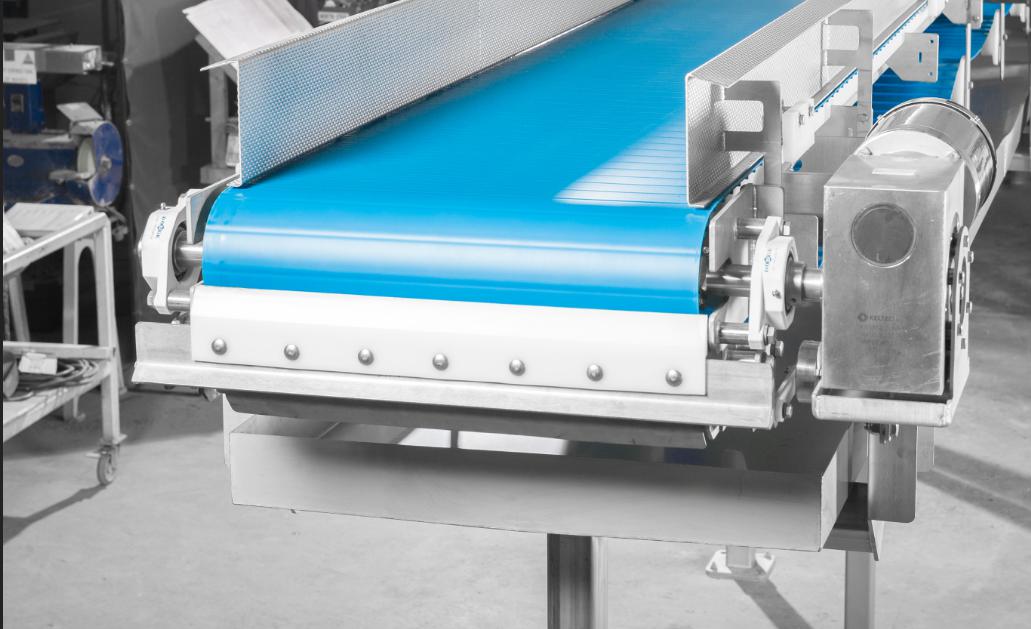
Thermoplastic polyurethanes (TPU) resin are durable, flexible and versatile plastic material. It is widely used in many industry
Golf frisbee is a game that combines the elements of golf and frisbee. The goal is to throw the frisbee from one tee box to another in as few throws as possible. The player with the lowest score at the end of the round wins.
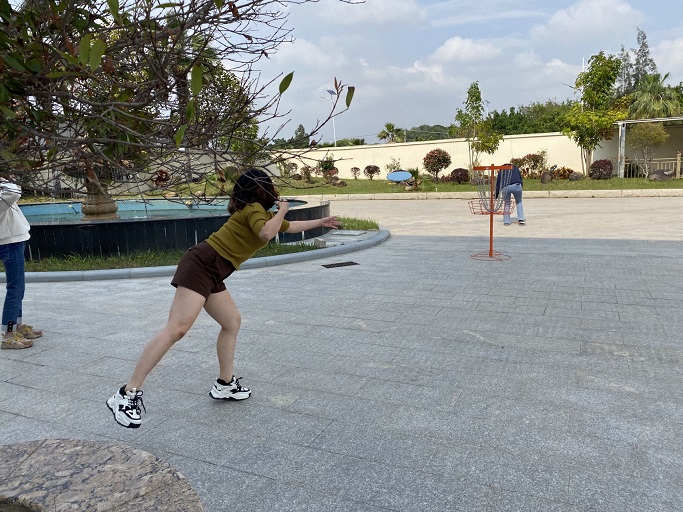
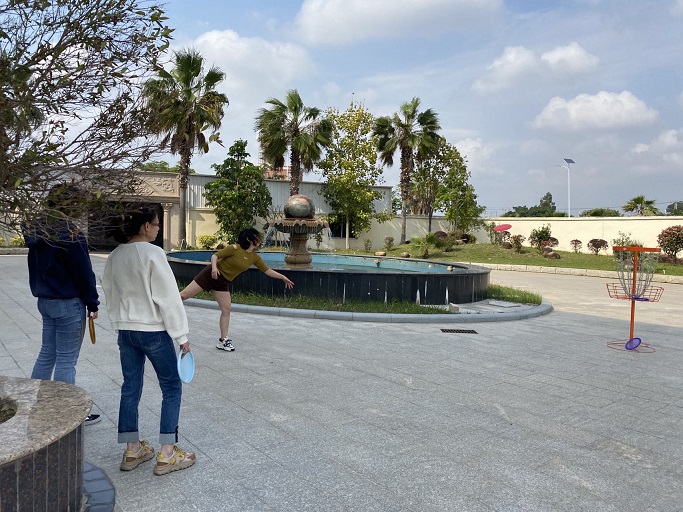
As Golf frisbee is an outdoor activities, so golf frisbee discs must be resistant to UV rays and withstand wear and tear from regular use. Plus the golf frisbee discs must also be lightweight and Flexible to be throw and catch easily and accurately.
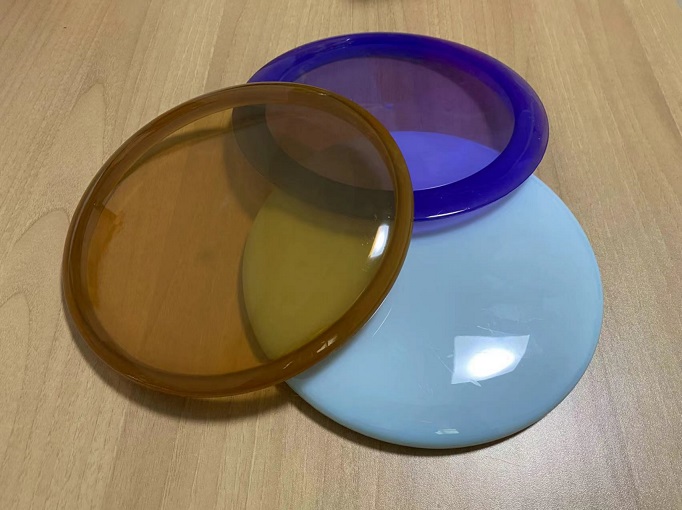
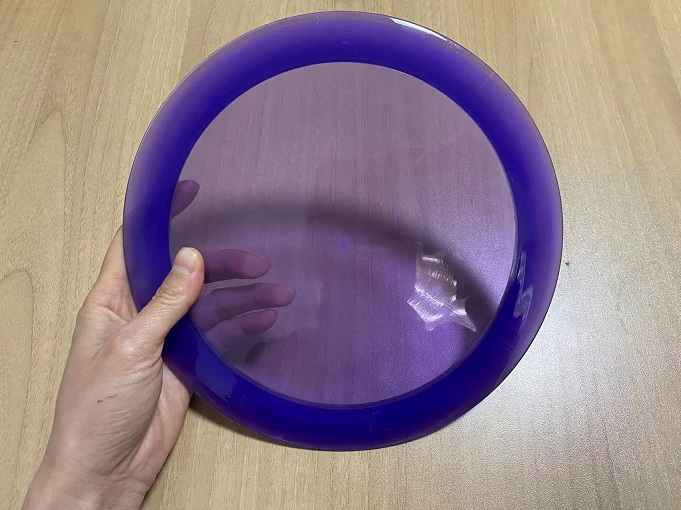
Golf Frisbee discs are typically made of plastic, such as polyethylene and thermoplastic polyurethane (TPU) resin. The most common type of resin used in the production of golf frisbee discs is TPU resin that is known for its flexibility, durability, and strength. TPU golf Frisbee discs are also resistant to abrasion, UV rays, and water.
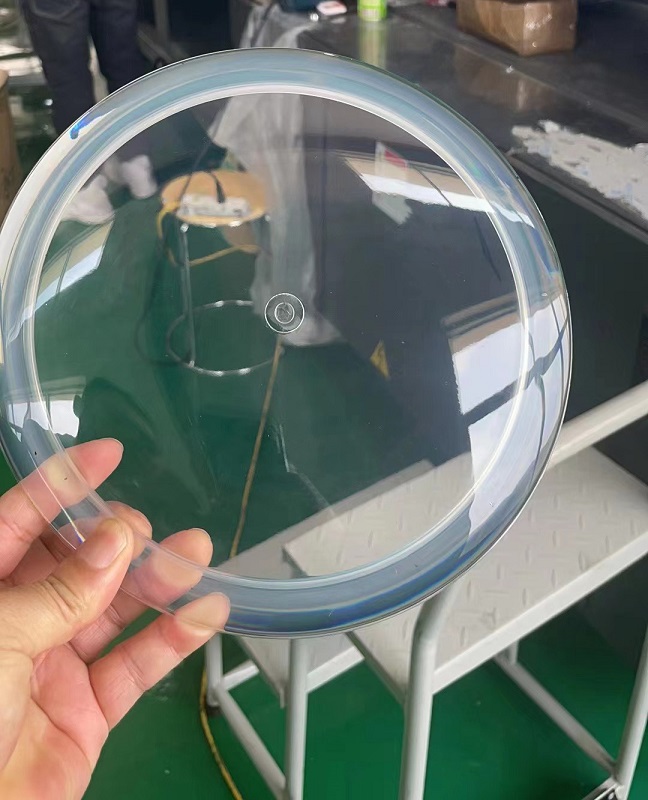
Polyvinyl butyral resin S-LEC B and polyvinyl acetal resin S-LEC K are among the most widely used and reliable polymer materials in today's industrial fields. The success of these materials comes from their special chemical structure. It's a careful mix of hydroxyl groups, which help with adhesion and reactivity, and acetal units, which add flexibility and water resistance to the molecular chain. Because of this balance, they can be used as either thermoplastic or thermosetting resins. They are important in many industries, including electronics, cars, coatings, and printing.
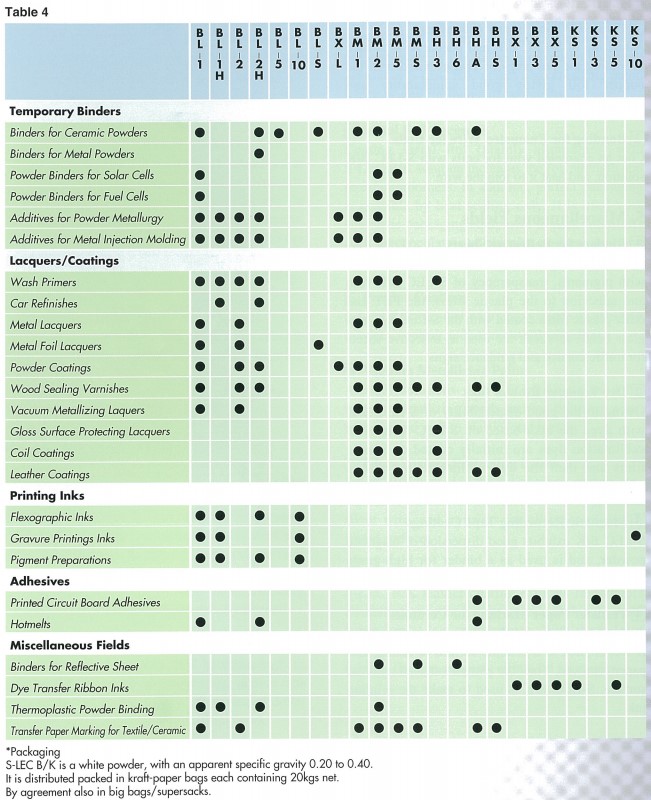
1. Electronics and Energy Sector
In precision manufacturing, many materials need temporary binders to hold their shape before the final molding process. After molding, these binders have to fully break down and evaporate when exposed to high heat. S-LEC B/K resins are a good option for this purpose because they mix well, stick properly, and their thermal decomposition can be controlled.
♣ Ceramic and Metal Powder Binders
- Applications: Molding of ceramic or metal powders in flat panel displays (FPDs), solar cells, and various electronic components.
- Value: As a powder binder, S-LEC B/K effectively disperses particles and provides good dimensional stability, ensuring the integrity of the green body structure before sintering. The resin decomposes cleanly during high-temperature sintering, according to thermogravimetric analysis. Decomposition mainly happens between 300°C and 500°C. This prevents leftover material from negatively impacting the final performance of the electronic parts.
- Specific Grades: Specific S-LEC B grades with high molecular weights are advised for this use because of their strong film durability and bond.
♣ Printed Circuit Board Adhesives
S-LEC B/K resins are typically used in combination with thermosetting resins such as phenolic resins as adhesives between printed circuit board prepregs and copper foil. Their contributions include:
- Flexibility and Solderability: The flexibility provided by S-LEC B/K improves the stress absorption capacity of the cured resin system, helping to enhance the adhesive layer's resistance to thermal shock and ensuring excellent peel resistance.
- High Tg Advantage: In PWB applications with extremely high heat resistance requirements, the high glass transition temperature (Tg) grades of S-LEC K (e.g., S-LEC K KS-5 or S-LEC K KS-10) are even more important, providing the necessary thermal stability to withstand subsequent processing temperatures.
2. Coatings and Varnishes
S-LEC B/K resin is also useful in coatings and varnishes because it sticks well to many surfaces like metals, plastics, and glass. Also, it works well with other resins for crosslinking, which is a key advantage.
♣ Wash Primer
- Main Function: This is one of the most classic applications of S-LEC B/K. It is a pretreatment primer for metals such as steel and aluminum, effectively improving the adhesion of subsequent topcoats to the metal surface and providing short-term rust protection.
- Applications: Widely used in structural components requiring underlying protection, such as ships, bridges, automotive refinish paints, and rail vehicles.
- Formulation Advantages: S-LEC B/K shows great compatibility by creating strong bonds with many topcoats, such as those made from PVC, melamine, or oil-based phenolic coatings.
♣ Metallic Varnishes and Baking Coatings
S-LEC B/K, when mixed with phenolic resin pre-condensate, can be used to create high-quality baking coatings for food containers. Its addition significantly improves the toughness, adhesion, and service durability of the coating. In metal foil varnishes, this resin provides a transparent, flexible protective layer.
♣ Leather Coatings
- S-LEC B grades, due to their unique chemical structure, offer high flexibility and low-temperature impact resistance, making them particularly suitable for leather coatings.
- Leather surfaces coated with S-LEC B resin exhibit excellent elongation at room temperature, with no significant loss of performance even at low temperatures, forming a soft and resilient film on the leather.
3. Printing Inks
In the printing ink field, S-LEC B/K resin acts as a pigment binder and dispersant, suitable for flexographic and gravure printing.
- Key Properties: Grades suitable for inks are typically low-viscosity S-LEC B/K, such as S-LEC B BL-10.
- Function: The resin ensures uniform dispersion of pigments in solvents and provides strong adhesion to substrates (such as plastic films) after ink curing. Its non-toxic and odorless properties make it advantageous in food packaging and applications where odor is critical.
4. Specialized Adhesive Applications
Besides its application in PWB (Polarization and Welding), S-LEC B/K is also used as a key adhesive, either alone or in combination with other materials.
♣ Enamelled Coil Bonding
Dipping or coating the enameled wire of a coil with an S-LEC B/K solution and then heating to melt or cure the resin achieves strong bonding and fixation between conductors. This is used in the manufacture of coils for motors and transformers, improving structural stability and insulation.
♣ Adhesive Formulation Substrates
S-LEC B/K has hydroxyl groups in its structure, which allows it to cross-link with materials like isocyanates or epoxy resins. This process creates composite adhesives that have good heat resistance, toughness, and adhesive properties.
5. Other Miscellaneous Applications
The versatility of S-LEC B/K resin also makes it play an important role in many niche professional fields.
♣ Reflective Film Adhesive
In the manufacture of reflective films (such as road traffic signs), S-LEC B/K serves as an adhesive for the reflective layer of glass beads. Its advantages lie in its high film transparency, excellent dispersion of pigments (such as aluminum powder), and strong adhesion to plastic films such as PET.
♣ Magnetic Recording Tape Coating
The resin exhibits excellent dispersibility and adhesion to magnetic powders, making it suitable for use as a magnetic powder coating adhesive in advanced magnetic recording tapes (such as audio and video tapes).
♣ Dye Transfer Ribbon Inks
In sublimation transfer technology, S-LEC B/K resin is used to manufacture dye inks due to its excellent dispersibility for sublimated dyes.
The S-LEC B/K resin series has found widespread use in modern industry because its chemical structure can be modified to provide good adhesion, crosslinking, flexibility, and a wide glass transition temperature range. S-LEC B is used in both flexible and traditional coatings, while S-LEC K is used in high glass transition temperature electronic adhesives. These resins are important high-performance materials that help to advance industrial innovation and improve products.
Website: www.elephchem.com
Whatsapp: (+)86 13851435272
E-mail: admin@elephchem.com
Q: What are the forms of S-LEC?

⇓⇑
A: S-LEC is a powdered resin with good toughness, strong adhesion, and excellent dispersibility. S-LEC is non-toxic, odorless, colorless, and transparent. It can be dissolved in solvents or formed into films, thus it can be processed by various methods and applied in a wide range of fields.
Q: What are the forms of S-LEC?
⇓⇑
A: The standard form of S-LEC is a white powder, but it is also available in granular and liquid forms. The availability of different grades of S-LEC varies. Please contact our company for details.

Q: How to use S-LEC?
⇓⇑
A:The most common use is to dissolve S-LEC in organic solvents and mix it with various powders (such as inorganic powders and pigments). It can also be melted by heating. Through heating processes, S-LEC can be made into sheets or ued as a raw material for adhesives.
Q: Which solvents can S-LEC dissolve in?
⇓⇑
A: S-LEC is soluble in a variety of solvents, such as alcohols, esters, ketones, and aromatic solvents. The types of solvents that S-LEC can dissolve in vary depending on its grade.
Q: What are the benefits of using S-LEC?
⇓⇑
A: S-LEC improves coating toughness, enhances adhesion to other materials, and achieves uniform dispersion in solutions such as pastes and inks. Furthermore, it offers a variety of unique benefits that aid in product development.
Q: What products are S-LEC used in?
⇓⇑
A: S-LEC can be used as an interlayer film in laminated glass, a ceramic adhesive, and a printed circuit board adhesive, as well as in paints, inks, and many other products.
Q: How does S-LEC differ from other resins?

⇓⇑
A: The most distinctive feature of S-LEC is the simultaneous presence of both polar and non-polar groups in its resin. This unique structure allows for customized processing to meet specific customer application requirements.
Q: What is the specific impact of hydroxyl content on water resistance/chemical resistance?
⇓⇑
A: Higher hydroxyl content (e.g., S-LEC B BX-1, S-LEC B BX-L) results in stronger resin polarity, slightly increasing water sensitivity, but leading to stronger adhesion to polar substrates such as glass and metals. Grades with low hydroxyl content (such as S-LEC B BM-1, S-LEC B BM-5) exhibit stronger hydrophobicity, resulting in better water and chemical resistance.
Q: What are the storage and shelf-life requirements for S-LEC?
⇓⇑
A: S-LEC resin should be stored in a dry, cool, and well-ventilated place, avoiding direct sunlight and moisture. The packaging should be tightly sealed. Specific shelf-life details should be found in the property data sheet for the corresponding grade, but it can typically last for several years under proper storage conditions.
Q: Will S-LEC decompose or yellow at high temperatures?
⇓⇑
A: S-LEC has good thermal stability. However, during high-temperature processing (typically referring to sintering or extrusion), it is essential to ensure operation within the recommended temperature range. Its low combustion residue is a key advantage when used in adhesives requiring complete burnout, but prolonged exposure to extremely high temperatures before sintering should be avoided to prevent initial degradation.
Website: www.elephchem.com
Whatsapp: (+)86 13851435272
E-mail: admin@elephchem.com
S-LEC B and S-LEC K are types of polymers that work well in coatings, adhesives, and electronics. They can handle many different and difficult jobs because of how their molecules are arranged. Specifically, their solubility and how they handle heat are carefully managed.
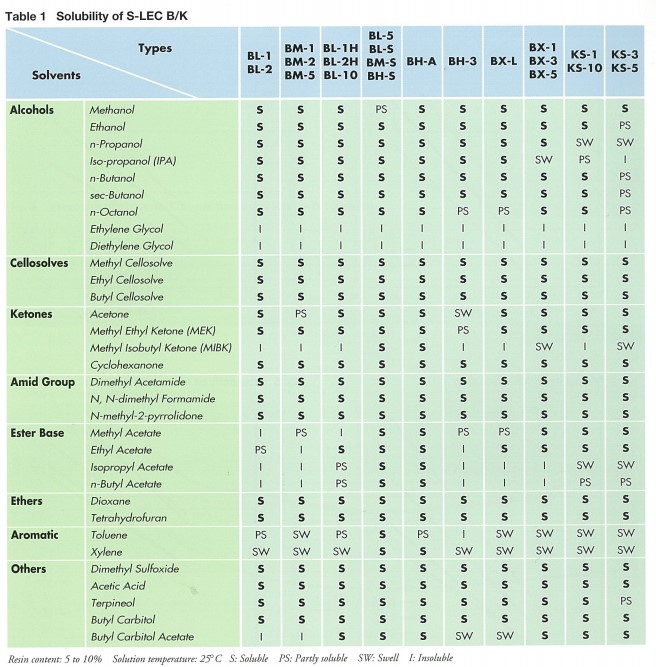
1. Solubility Characteristics: The Structural Basis for Solvent Selection
S-LEC B/K resins are quite soluble, dissolving in alcohols, esters, ketones, and aromatics, especially well in alcohols. Solubility differences among grades show variations in their chemical makeup.
1.1 The Mechanism of Structure's Influence on Solubility
Solubility is primarily constrained by the contradictory relationship between the hydroxyl content and acetal content on the resin molecular chain.
- Hydroxyl Content: Hydroxyl groups exhibit polarity; resins with a greater amount of hydroxyl content show increased hydrophilicity and polarity. Because of this, the resin will dissolve better in polar solvents like alcohols and become more reactive with thermosetting resins. Still, too much hydroxyl content can make the resin less flexible and more vulnerable to water damage.
- Acetal Content: Acetal units are nonpolar groups. The higher the acetal content, the more pronounced the nonpolar characteristics of the resin. This makes it more soluble in nonpolar solvents and improves its flexibility, water resistance, and compatibility with other nonpolar resins.
1.2 Solubility Differences Between Models
Analysis of the solubility table reveals different solvent preferences for different models:
- S-LEC B low molecular weight, high hydroxyl grades (e.g., S-LEC B BL-1): These grades have a high hydroxyl content (e.g., BL-1H has a hydroxyl content of approximately 30 mol%), therefore exhibiting complete solubility in most alcohol solvents (e.g., methanol, ethanol, isopropanol) and strongly polar solvents (e.g., N,N-dimethylformamide).
- S-LEC K high Tg grades (e.g., S-LEC K KS-1): S-LEC K resins are designed to provide high thermal stability, and their molecular structure can be more tightly packed. Some KS grades, though still polar due to their hydroxyl content (around 25 mol%), either swell or partially dissolve in alcohols like methanol and ethanol. This suggests the acetal structure affects how well these polar solvents wet the molecules. This behavior shows the distinct properties of their chemical composition.
1.3 Advantages of Mixed Solvents
One characteristic of S-LEC B/K is that it allows for a wider range of water tolerance in solvents. Furthermore, using mixed solvents generally produces better dissolution results because:
- Reduced viscosity: Mixed solvents help reduce the overall viscosity of the solution, facilitating application handling.
- Storage stability: Mixed solvents help maintain stable solution viscosity, which is beneficial for long-term storage.
- Optimized solubility: The polar/non-polar balance of the mixed solvents allows for more effective wetting of the three structural units of the resin.
2. Thermodynamic Properties: The Dominant Role of Tg and Softening Point
The thermal properties, like the glass transition temperature (Tg) and softening point, are key to how well a resin holds up and can be molded at high temperatures. The S-LEC B/K series comes in a variety of Tg values, ranging from 59°C to 110°C. This allows them to be used in situations requiring flexibility at low temperatures or heat resistance when things get hot.
2.1 Structural Differences in Glass Transition Temperature (Tg)
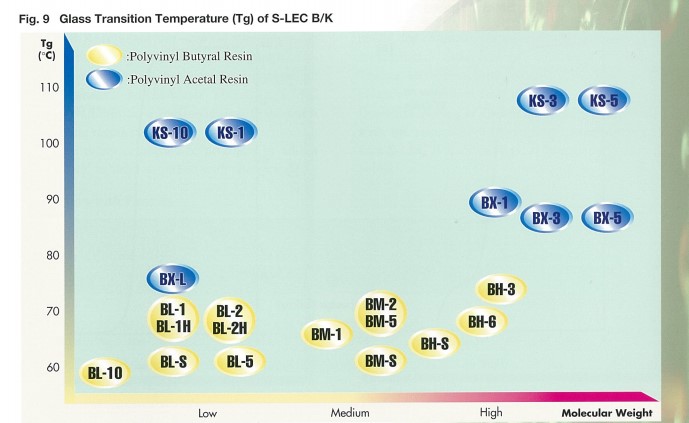
- S-LEC K (High Tg Type): S-LEC K resin utilizes shorter acetaldehyde side chains (R:CH3), resulting in a denser molecular chain packing and achieving the highest Tg value in the series. For example, both KS-3 and KS-5 can reach a Tg of 110°C, making them ideal materials for applications requiring high thermal stability, such as bonding electronic components.
- S-LEC B (General Purpose and Flexible Type): S-LEC B employs longer butyraldehyde side chains (R: -CH2CH2CH3), increasing the spacing between molecular chains and free volume, resulting in a relatively low Tg. For example, BL-10 has a Tg of only 59℃. This lower Tg endows S-LEC B with excellent toughness and flexibility, exhibiting outstanding impact resistance at low temperatures.
2.2 Synergistic Effect of Tg and Molecular Weight
On the Tg graph (Figure 9), the Tg of the same acetal type (e.g., S-LEC B) generally shows a slight increasing trend with increasing molecular weight. For example, the Tg range of medium molecular weight grades (e.g., BM-1) and high molecular weight grades (e.g., BH-3) is roughly between 60℃ and 70℃. Higher molecular weight contributes to improved thermodynamic stability of the polymer.
2.3 Softening Point
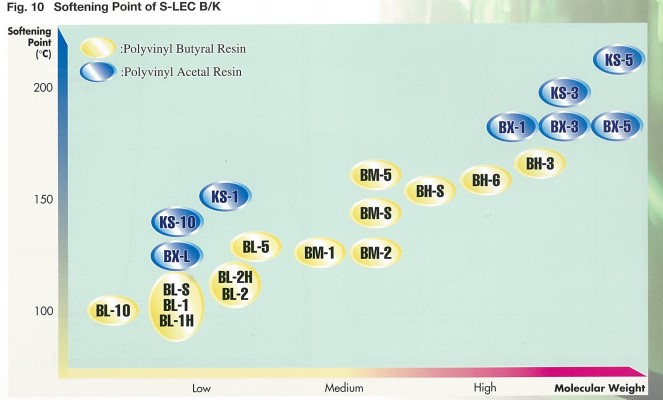
The softening point is an important indicator for measuring the hot melting behavior of resins. The softening point diagram (Figure 10) shows that the S-LEC B/K grades have a wide softening point range, from approximately 100°C to over 200°C. Consistent with the Tg trend, high Tg grades of S-LEC K, such as KS-5, can achieve softening points above 200°C, giving this resin a significant advantage in hot-melt applications and high-temperature processing.
3. Thermal Decomposition Behavior: TG Analysis Insights
Thermogravimetric analysis (TG) is used to study the mass loss of resins during heating, revealing their thermal decomposition characteristics. TG analysis of S-LEC B grades (e.g., BM-S and BM-2) shows differences under different atmospheres:
- Inert Atmosphere (N2): Under nitrogen, the resin exhibits a relatively simple and rapid mass loss process. Decomposition typically begins around 350°C and completes major decomposition around 450°C.
- Oxidizing Atmosphere (Air): Under air, the decomposition process typically presents a multi-stage mass loss curve. The first stage of decomposition occurs between 300°C and 400°C, followed by a second stage of oxidative decomposition at approximately 450°C to 550°C, ultimately potentially leading to complete combustion.
The solubility and thermodynamic properties of S-LEC B and S-LEC K resins form the basis for their versatile applications. By precisely controlling the side chains (butyraldehyde and acetaldehyde) of the acetal units, as well as the ratio of hydroxyl groups to molecular weight, this series of resins achieves the following objectives:
- Solubility: Solvent mixtures balance polar (hydroxyl) and non-polar (acetal) characteristics to suit different coating types. Mixing solvents helps reach the required application viscosity.
- Thermodynamic Properties: Flexible switching between the high Tg of S-LEC K (up to 110°C) and the low Tg of S-LEC B (down to 59°C) ensures a wide range of applications, from low-temperature flexibility to high-temperature heat resistance.
Website: www.elephchem.com
Whatsapp: (+)86 13851435272
E-mail: admin@elephchem.com
In the rapidly evolving field of industrial adhesives, finding a product that combines strength, flexibility, and durability has always been a challenge. Today, we introduce VINNAPAS EP 705K , an innovative polymer dispersion designed for modern, demanding applications. Its unique properties provide superior solutions for a variety of complex bonding needs.
VINNAPAS EP 705K (VAE CW 40-758) is a Vinyl acetate-ethylene copolymer emulsion dispersion protected by polyvinyl alcohol (PVOH). It has a moderate viscosity and is produced without the addition of formaldehyde donors, giving it advantages in environmental friendliness and application safety. The unique main chain structure of this polymer endows the dried film with two core characteristics: strength and flexibility. More importantly, these properties are maintained even under water immersion or temperature fluctuations.
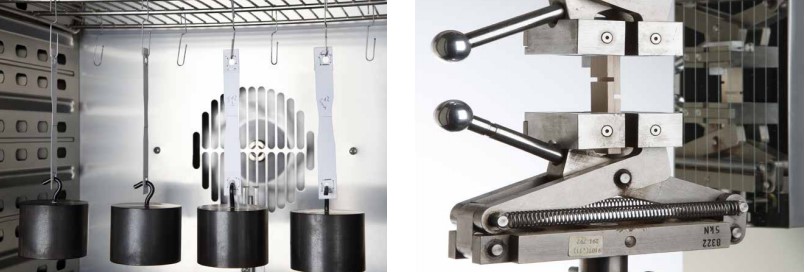
♠ Overview of Superior Adhesive Performance:
- Excellent adhesion to a variety of plastic surfaces.
- Durable and flexible bonded joints.
- High cohesion, ensuring the structural strength of the adhesive itself.
- Chemical stability: It remains chemically stable at both low and high pH levels.
VINNAPAS EP 705K (ULS) offers excellent compatibility, being compatible with a wide range of polyvinyl acetate (PVAc) polymers, rubber latexes, EVCL dispersions, and other VAE dispersions. It is also compatible with a variety of resins, solvents, plasticizers, and other modifiers, providing formulators with significant flexibility for product customization and performance optimization.
In terms of applications, as a multi-functional adhesive, it reliably bonds a variety of substrates, including paper, wood, cotton fabric, nylon fabric, cardboard, polyurethane foam, and certain types of coated paperboard.

♠ Key application areas
This product offers significant advantages in packaging and lamination applications, with typical applications including:
- Packaging: such as windowed carton and box forming, envelope manufacturing.
- Lamination: wood lamination and low-cost veneer veneering, PVC lamination and OPP wet lamination, film-to-wood lamination.
- Other applications: Flooring installation, paper packaging and processing, bags and handbags, and textiles or interiors.
♠ Processing and Storage Recommendations
VINNAPAS EP 705K exhibits good stability on high-speed machines and is suitable for a variety of applications, including roll coating, extrusion, and spray coating.
♠ Storage Guidelines
Proper storage is crucial to maintain optimal product performance: Shelf Life: When stored in its original, unopened container at temperatures between 5°C and 30°C, the product has a shelf life of 9 months from the date of manufacture.
- Container Recommendations: Due to the weakly acidic nature of this dispersion, iron or galvanized iron equipment and containers are not recommended, as corrosion may cause discoloration. Containers and equipment made of ceramic, rubber, or enamel materials, appropriately finished stainless steel, or plastics (such as rigid PVC, polyethylene, or polyester resin) are recommended.
- Freeze Protection: Freezing of the product must be prevented.
- Pre-use Treatment: Filtration is recommended before use as the polymer dispersion may form a surface film or clumps during storage or transportation.
Website: www.elephchem.com
Whatsapp: (+)86 13851435272
E-mail: admin@elephchem.com
- Bismaleimide Series2
- Cross-Linking agent / Vulcanizing Agent1
- Curing Agent1
- Engineering Plastic Pellets4
- Epoxy Resin2
- Ethylene-VinylAlcohol Copolymer(EVOH)1
- Fish Oil1
- Food Additives3
- Glucosamine1
- Heat-resistant modifier series1
- High Assay Quaternary Ammonium Compounds9
- Low Assay Quaternary Ammonium Compounds13
- Modified Polyvinyl Alcohol1
- Monomalemide Series2
- Other Surfactants/Catalysts8
- Plastic Random Packing1
- Plastic Structured Packing1
- Polyacrylamide1
- Polyurethane Resin2
- Polyvinyl Alcohol (PVA)2
- Power Coatings3
- Quaternary Ammonium Hydroxide4
- Special Quaternary Ammonium Compounds7
- TPU4
- Tertiary Amines1
- UV Ink1
- VAE Emulsion (Vinyl Acetate–ethylene Copolymer Emulsion)1
- aluminum paste1
- antiform2
- fire sleeve2
- resin2